
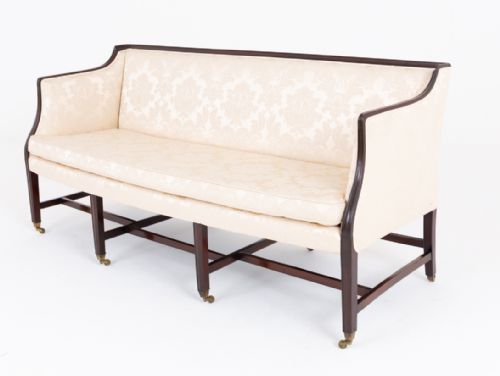


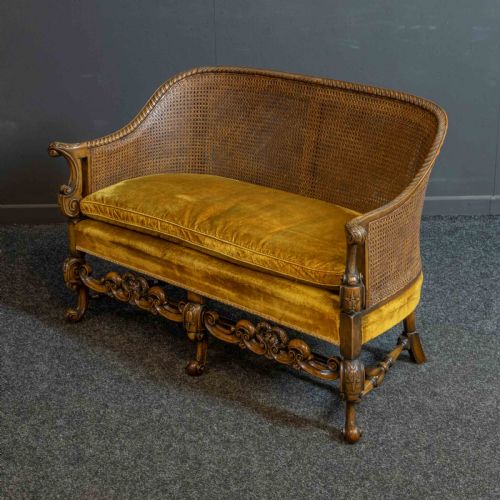


Traditional Double Back Bench
A traditional double back bench offers double the seating with classic chair-back symmetry, built to anchor a room.
Traditional Double Back Bench
A traditional double back bench draws on centuries of design, appearing on this page in forms ranging from Georgian to later revival styles. When searching for a traditional double back bench, buyers find settees and sofas that combine multiple chair backs into a single timber frame. These pieces span periods from the eighteenth century to the early twentieth century, including examples in the George II, Chippendale, and Hepplewhite revival manners.
Most entries on this page present as mahogany, oak, or walnut settees and chair-back sofas rather than simple garden benches. The forms unite seating capacity with intricate backrest joinery, echoing the aesthetics of formal dining chairs extended into two or three seater proportions. Oak and mahogany dominate the timber choices, occasionally accompanied by upholstered box seats or damask and velvet textiles.
How they were made
Cabinetmakers constructed these frames using solid hardwoods like mahogany, walnut, and oak, often shaping the backsplats and top rails by hand. Traditional joinery secured the multi-unit backrests to the seat rails, while specialised makers incorporated box seats or drop-in upholstered pads covered in fabric, damask, or velvet. Decorative elements included carved details and brass accents where appropriate to the chosen style.
The construction relied on period woodworking techniques suited to large seating frames, balancing structural support with open chair-back designs. Workshops utilised blonde wood and native or imported hardwoods, applying hand-finished surfaces that highlighted the natural grain of the timber.
Listings on this site span timber varieties from mahogany and oak to walnut, alongside periods ranging from the Georgian era to the early twentieth century.
What varies in quality
Quality rests in the crispness of the carving along the backsplats and the integrity of the timber framing. Superior pieces display refined proportions and tight joinery where the multiple chair backs meet the main seat rail.
The choice of primary wood and the execution of revival styles dictate the standing of a piece within the range. Refined finish work on the timber and the quality of applied upholstery textiles further distinguish the execution.
The Traditional Double Back Bench Glossary
- Chair-back settee
- A seating form that combines two or more distinct chair back designs within a single bench frame. This layout borrows directly from dining chair aesthetics of the Georgian and revival periods.
- Chippendale style
- A decorative manner originating from eighteenth-century design books, known for intricate pierced splats and carved mahogany. Pieces on this page adopt these motifs in later nineteenth-century interpretations.
- Box seat
- A seat construction featuring a storage compartment or a deep timber frame beneath the cushion. It provides both utility and structural rigidity to settees.
- Damask
- A reversible figured fabric traditionally woven on a jacquard loom, frequently utilised for period upholstery. It adds a formal texture to antique seating.
- George II style
- An architectural and decorative phase characterised by sturdy proportions and carved walnut or mahogany frames. Revival pieces often emulate these robust aesthetic markers.
Traditional Double Back Bench: Frequently Asked Questions
What is a double back bench?
A double back bench is a settee or sofa featuring a backrest composed of two conjoined chair backs. It functions as a formal two-seater piece of furniture.
These items use timber frames like mahogany or oak and often include upholstered seats for everyday sitting.
How do I date a chair-back settee?
Dating relies on identifying the revival style, timber choice, and construction methods used in the frame. Characteristics pointing to Georgian or George II designs often indicate nineteenth-century interpretation rather than original eighteenth-century making.
Examining the secondary woods and joinery details helps establish the manufacturing era.
Were these benches used for dining?
These seating forms served primarily in reception rooms, halls, and parlours rather than around dining tables. Their decorative backrests made them prominent wall-placement furniture.
Upholstered versions offered comfortable seating for sitting areas and living spaces.
How do I care for antique wood furniture?
Maintaining antique timber involves keeping pieces away from direct heat sources and sudden humidity changes. Regular dusting with a soft cloth preserves the polish without stripping the finish.
Applying appropriate wax occasionally helps nourish older hardwood surfaces.