

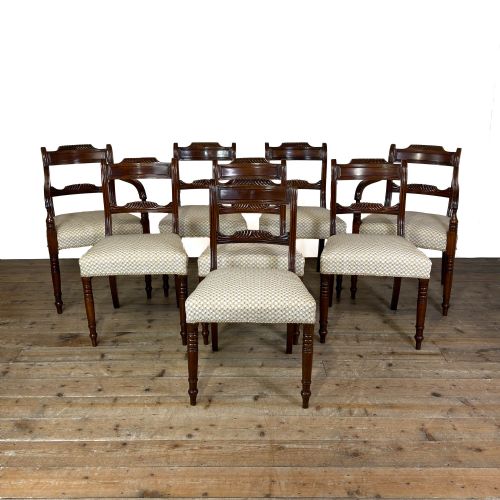
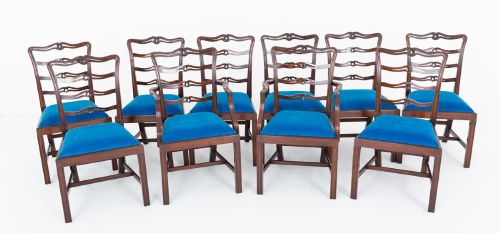
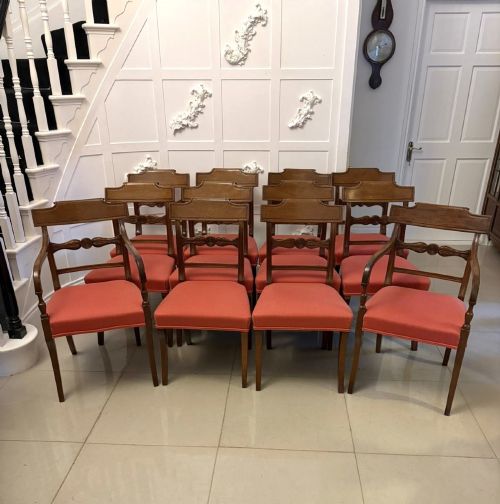
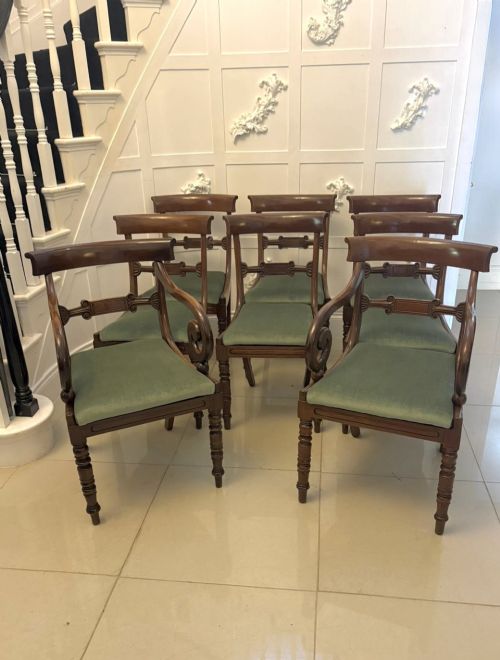
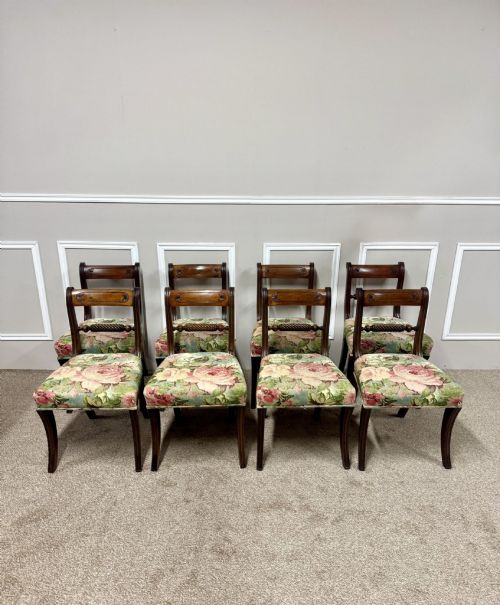
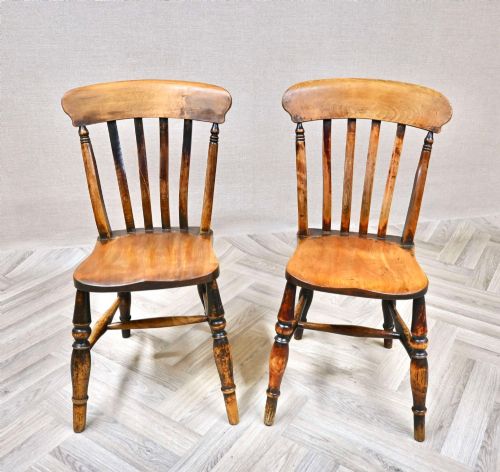
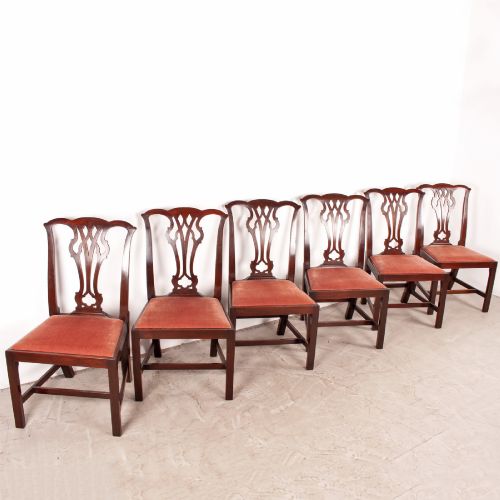
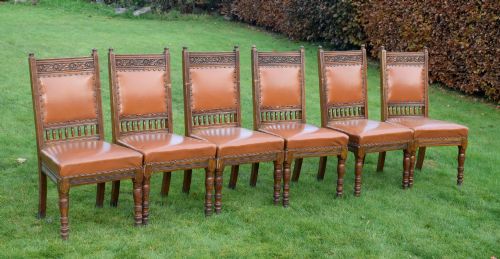
Traditional Dining Side Chairs
Traditional dining side chairs anchor a room with steady form, offering solid timber frames and upright backs built for gathering.
Traditional Dining Side Chairs
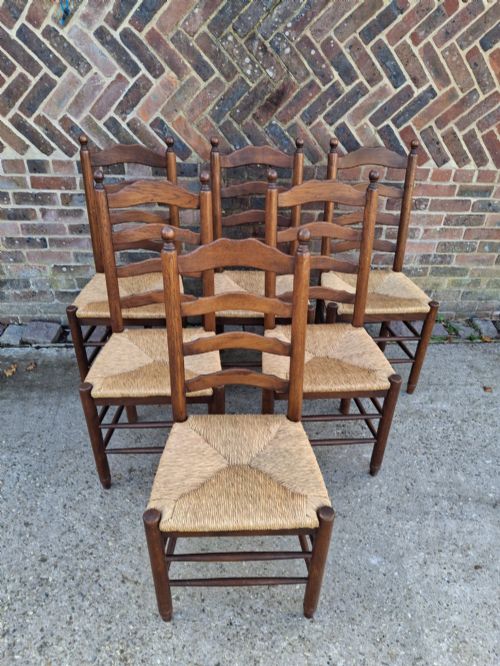
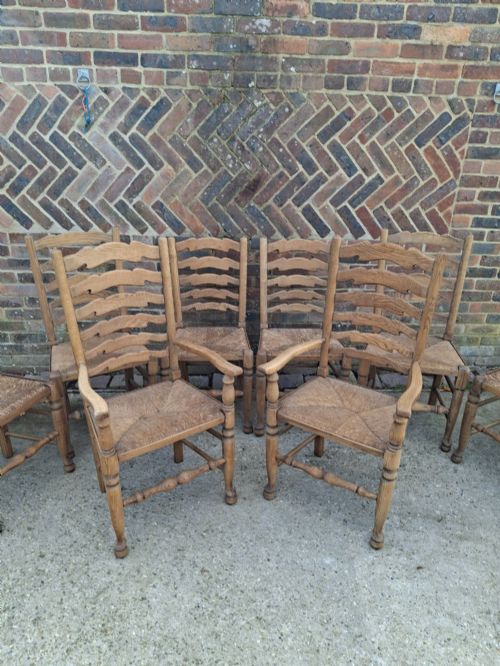
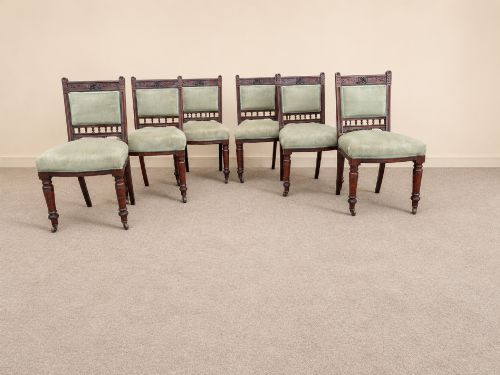
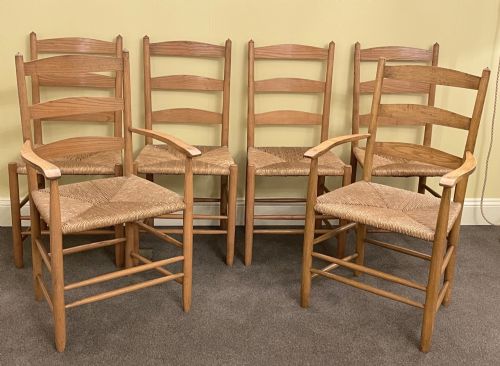
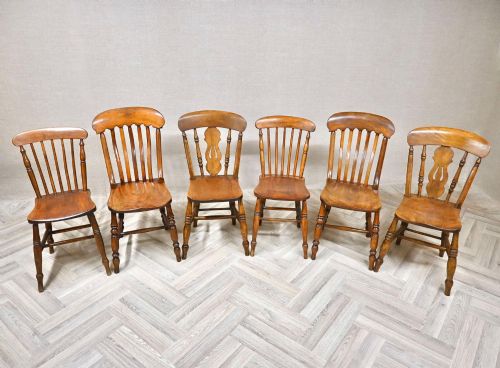
Traditional dining side chairs appear across multiple historical periods, including the Regency, Victorian, and Edwardian eras, alongside various revival styles. These pieces provide upright seating without arms, designed specifically to fit neatly around a dining table.
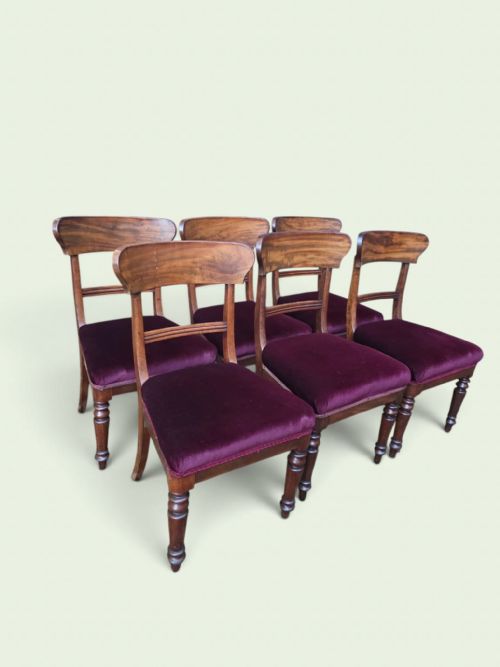
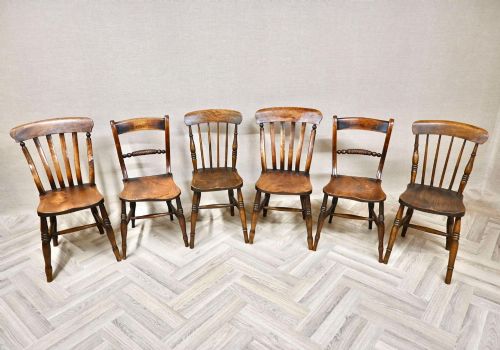
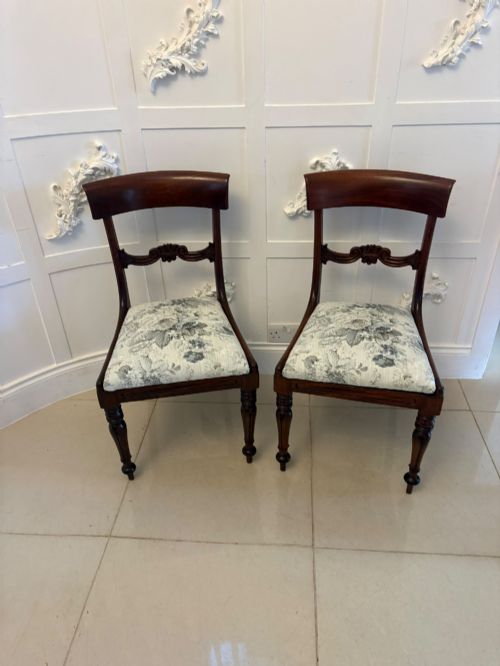
Forms span from formal dining room suites with carved details to rustic spindle back and wheel back seating. Sets range from small quartets to larger groupings suitable for substantial dining spaces.
Materials and Construction
Cabinet makers utilised dense hardwoods such as mahogany, walnut, and rosewood for formal dining suites, applying rich polish to highlight the grain. Country variations relied on locally available timber like elm, oak, beech, and ash.
Construction techniques combined traditional joinery for frames with turned spindles, carved splats, and steam-bent components for Windsor hoops. Seats often integrated drop-in pads upholstered in fabric, velvet, or leather, alongside woven rush bases.
Traditional Dining Side Chairs Retail Price Guide 2026
Typical asking prices for traditional dining side chairs among the pieces listed under this phrase on Sellingantiques today, from the lower quarter to the upper quarter. They describe what is for sale here now, not the wider market.
Mahogany and oak dominate the timber options across these listings, accompanied by elm, walnut, and beech.
The Spectrum of Quality
The distinction between ordinary and superior pieces rests on timber selection and the crispness of carved details. Finer sets display deeply figured mahogany or walnut with hand-carved motifs like ribbons and acanthus leaves rather than shallow machine moulding.
Structural integrity also separates the grades, visible in the tightness of the joints and the retention of matching timbers across an entire set. Original upholstery foundations and well-balanced frames command higher regard among collectors than mismatched or heavily altered suites.
Maple & Co
The Traditional Dining Side Chairs Glossary
- Balloon Back
- A rounded, oval-shaped chair back popular during the Victorian period. It resembles the silhouette of a hot air balloon.
- Windsor
- A wooden chair constructed with upright spindles inserted into a solid sculpted seat. The legs and back are typically joined to the central seat plank.
- Shield Back
- A chair back shaped like a heraldic shield, frequently associated with late eighteenth-century designs and later revivals. This form offers a slender, elegant profile.
- Splathack
- A broad vertical slat down the centre of a chair back, often pierced or carved. It provides lumbar support while defining the stylistic period.
- Carver
- An armchair designed to match a set of dining side chairs, usually placed at the head of the table. These incorporate armrests while maintaining the stylistic theme of the set.
Traditional Dining Side Chairs: Frequently Asked Questions
How do I match chairs to a table?
Match the primary timber and historical period of the chairs to your dining table for a cohesive look. Mahogany styles pair well with formal antique tables, while oak and elm variants suit rustic country settings.
Consider the height of the seat relative to the table apron to ensure comfortable legroom during meals.
Are side chairs comfortable for long dinners?
Traditional dining side chairs are upright by design to support proper posture during extended meals. Many feature padded upholstery or curved wooden backs that offer adequate comfort without the bulk of armrests.
Adding loose squab cushions can increase softness while preserving the antique frame.
How can I tell Victorian from Edwardian chairs?
Victorian chairs often showcase heavier proportions, darker finishes, and deep mahogany or walnut carved details like balloon backs. Edwardian pieces tend to be lighter, frequently incorporating revival motifs from the Sheraton or Chippendale repertoires alongside brighter mahogany or maple.
Examine the turning on the legs and the weight of the timber to read these subtle shifts in taste.