

Traditional Dining Seating
Traditional dining seating gathers people around the table in solid mahogany and elm, bringing enduring craftsmanship and period character into the modern dining room.
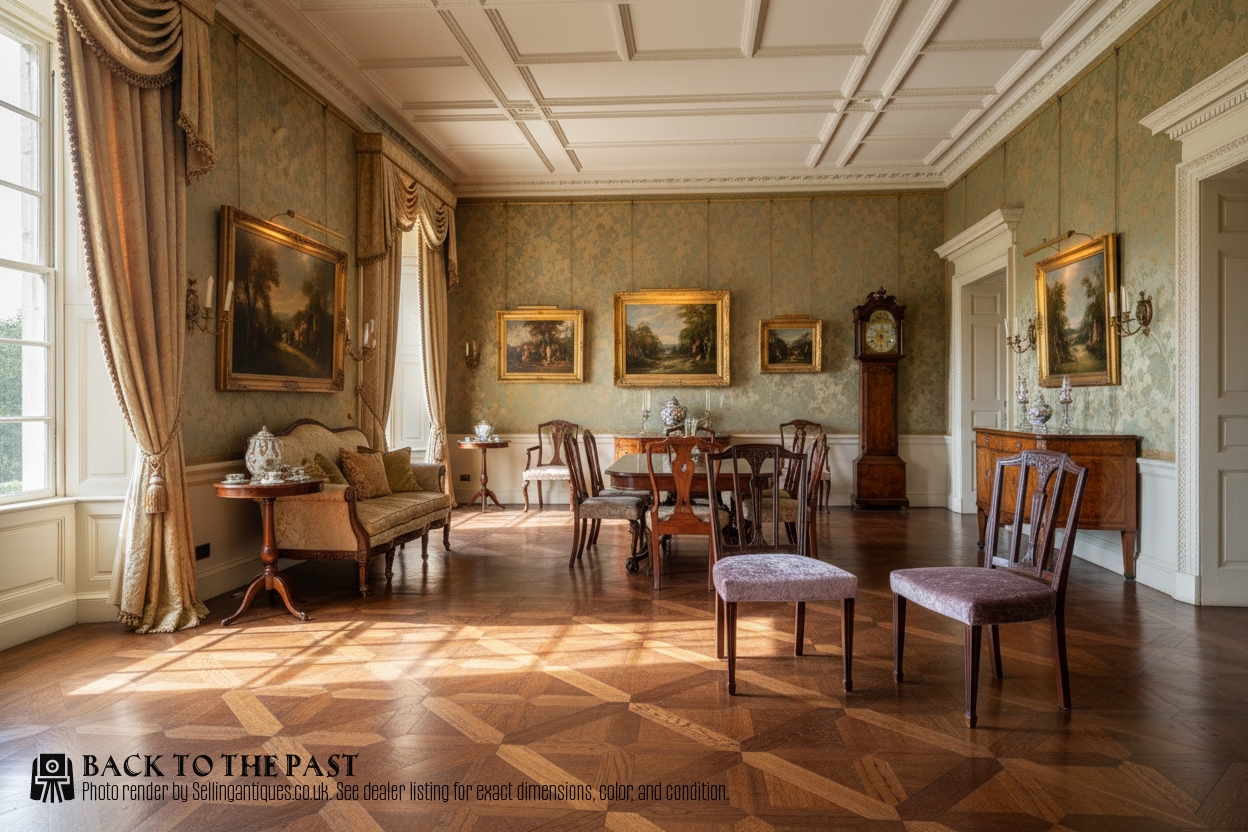
Traditional Dining Seating
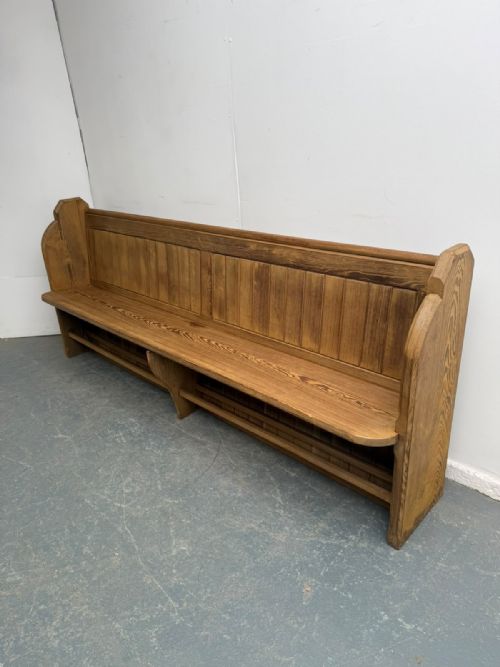
Traditional dining seating encompasses classic dining chairs and side chairs built from sturdy timbers like mahogany and elm. These pieces range from pairs to larger sets suitable for everyday meals and formal gatherings.
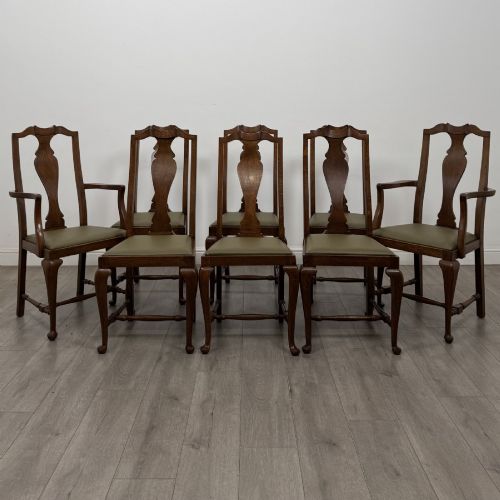
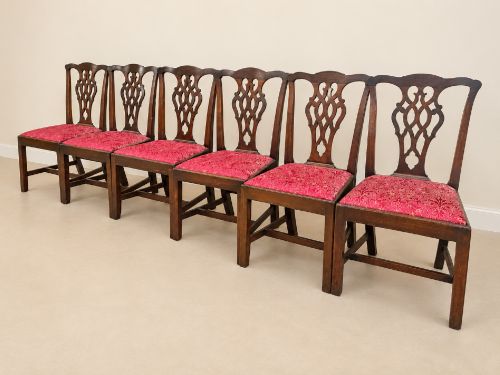
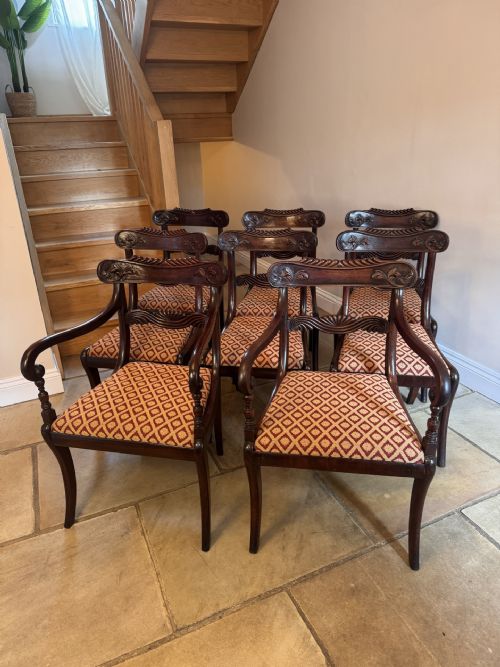
Buyers encountering this selection most frequently meet nineteenth century mahogany dining chairs displaying Victorian or Georgian influences. Sets of six appear alongside pairs and larger assemblies, offering various configurations for the home.
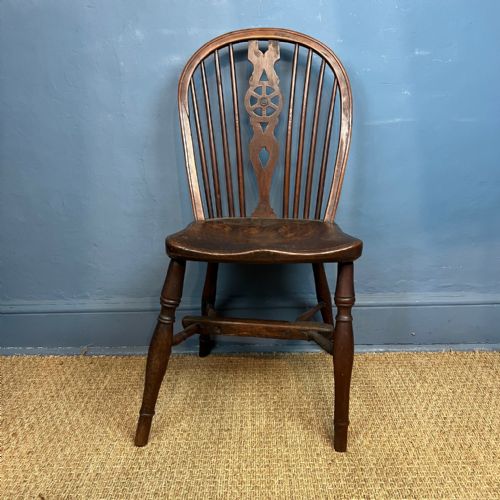
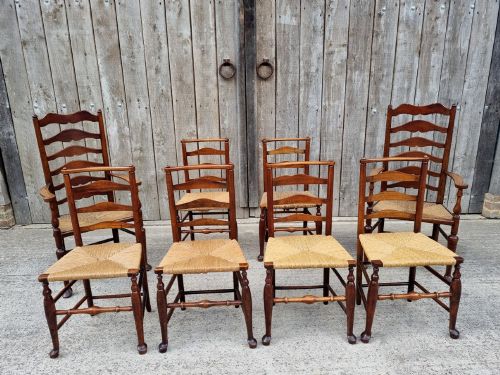
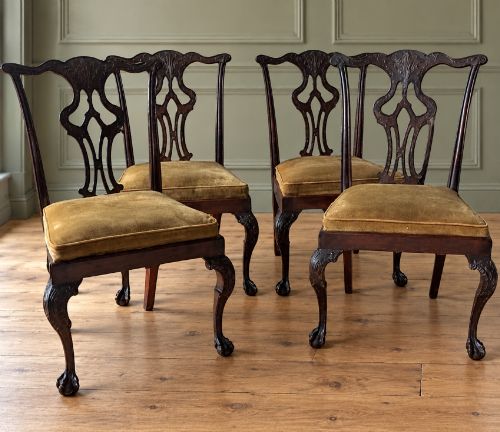
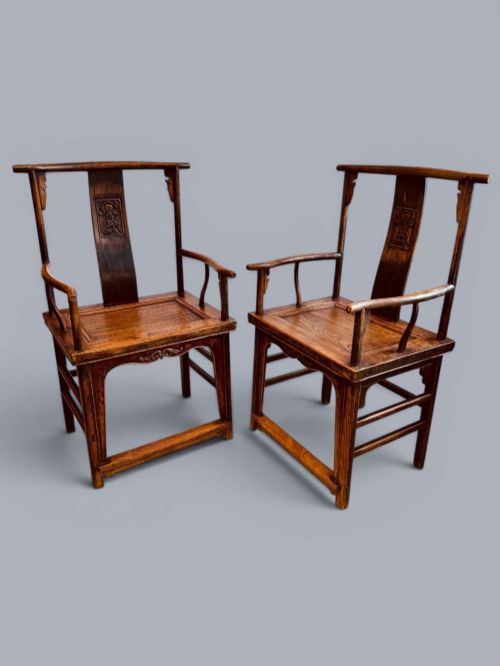
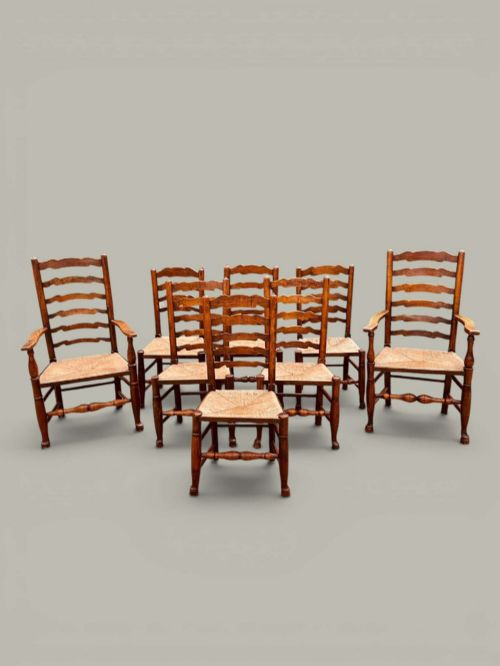
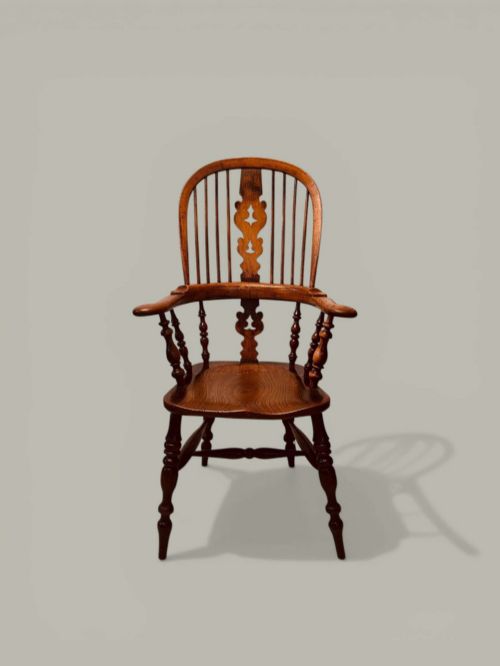
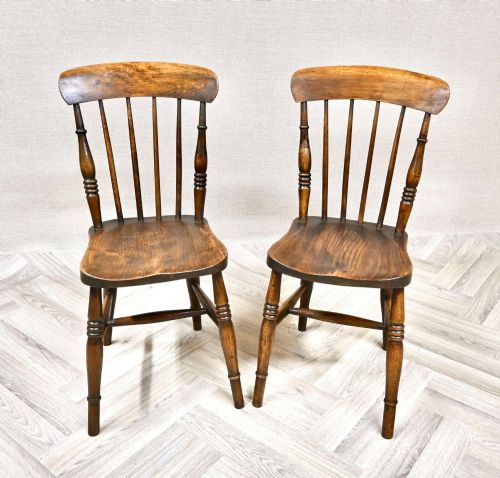
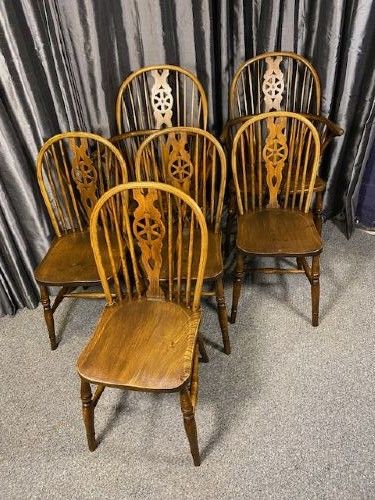
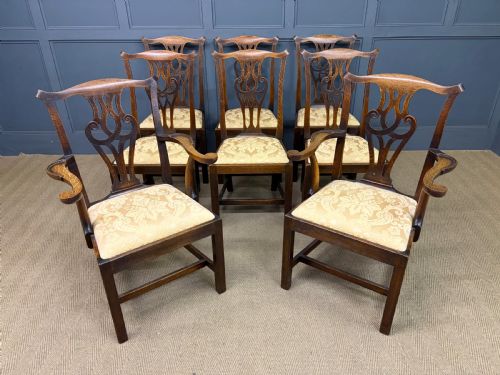
The styles span distinct historical revivals, including Chinese Chippendale, Hepplewhite, Queen Anne, and traditional country designs. Such variety ensures a dining arrangement matches both formal interiors and rustic spaces.
How traditional dining seating was made
Cabinetmakers utilised dense timbers such as mahogany and elm to construct sturdy frames capable of withstanding regular daily use. Skilled hands shaped these woods into precise forms including balloon backs and highbacks.
Seating surfaces incorporated textile, fabric, velvet, leather, and traditional upholstery to provide comfort during meals. Fastenings such as brass details sometimes completed the construction of these robust chairs.
Traditional Dining Seating Retail Price Guide 2026
Typical asking prices for traditional dining seating among the pieces listed under this phrase on Sellingantiques today, from the lower quarter to the upper quarter. They describe what is for sale here now, not the wider market.
Listings span the nineteenth century, 1800, 1850, 1860, 1890, and 1920, utilising mahogany, elm, fabric, velvet, leather, and brass.
What varies in quality
The refinement of carved details and the choice of timber define the upper tier of these chairs. Finer examples display intricate fretwork and smooth mahogany grain, whereas simpler country items rely on the honest utility of elm.
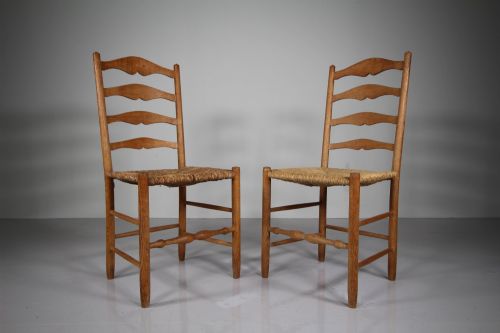
Cohesion within a set elevates its standing, particularly when large numbers of chairs survive together with matching frames and uniform upholstery. Individual side chairs and smaller pairs derive their appeal from distinct stylistic flourishes like ladderbacks or Chinese Chippendale fretwork.
The Traditional Dining Seating Glossary
- Mahogany
- A durable hardwood prized for its rich reddish brown tone and strength. It serves as the primary timber for formal nineteenth century and Georgian chairs.
- Elm
- A resilient native wood utilised for country chairs due to its tough grain and flexibility. It appears in vernacular seating such as ladderbacks.
- Balloon back
- A rounded, curved chair back popular during the Victorian era. The profile resembles the shape of a filled balloon.
- Ladderback
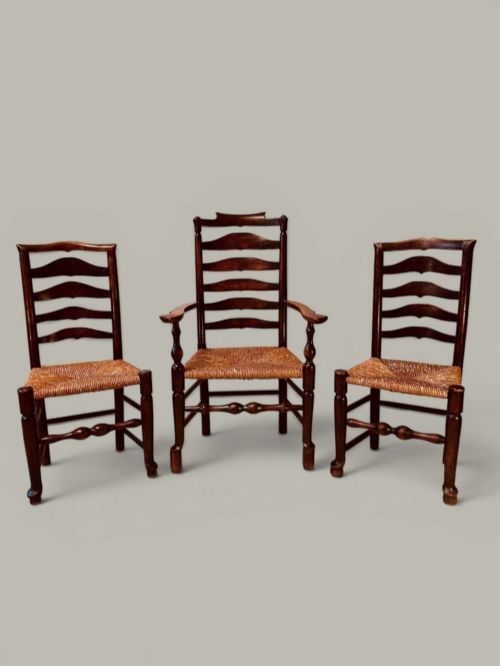
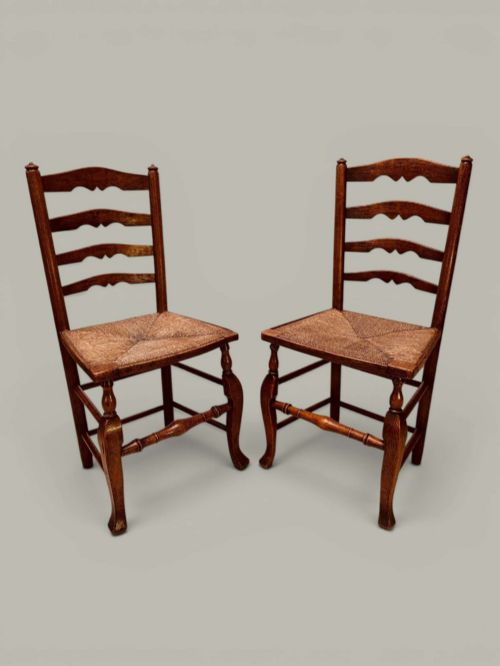
- A chair back featuring horizontal wooden slats resembling the rungs of a ladder. This form typically belongs to traditional country seating.
- Side chair
- An upright chair without arms designed for use at a dining table. These pieces make up the majority of standard dining sets.
Traditional Dining Seating: Frequently Asked Questions
How do I choose the right set size?
Consider the dimensions of your dining table and the typical number of guests you host. Sets of four, six, and eight appear regularly to accommodate different spaces.
Pairs of side chairs offer flexibility if you wish to mix seating styles or supplement an existing arrangement at the table ends.
What is the difference between Victorian and Georgian chairs?
Georgian chairs, dating from the eighteenth century or later revived in that spirit, often showcase lighter proportions and classical carving influences. Victorian pieces from the nineteenth century frequently feature robust balloon backs and heavier frames.
Both periods utilise quality mahogany, but the carved details and overall silhouettes reflect the distinct design tastes of their respective eras.
Can I mix different chair styles together?
Mixing styles can create a layered, collected look in a dining room if the wood tones share a similar warmth. Pairing modest elm ladderbacks with more formal mahogany side chairs introduces rustic contrast.
Ensure the seat heights remain compatible so that every diner sits at a comfortable level around the table.
How do I care for antique wood chairs?
Keep wooden frames away from direct heat sources and strong sunlight to prevent the timber from drying out. Regular dusting with a soft, dry cloth preserves the polished finish of the mahogany or elm.
Upholstered seat pads benefit from gentle vacuuming and professional cleaning when needed to protect the original or period textiles.