
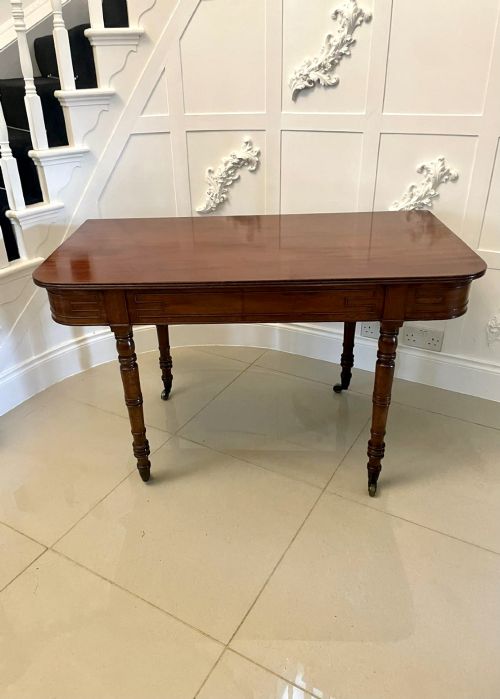
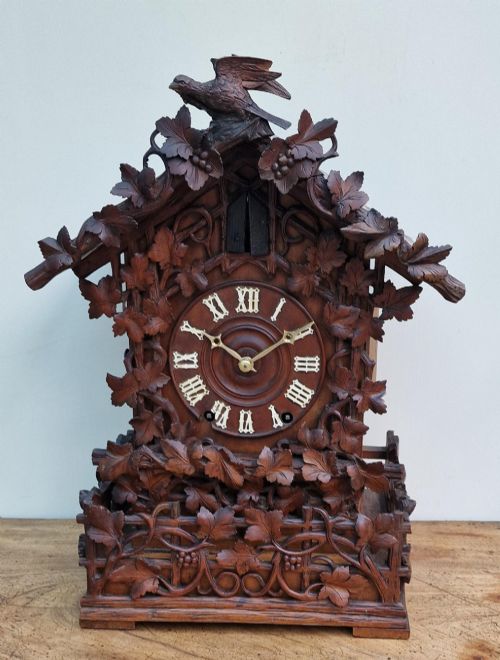
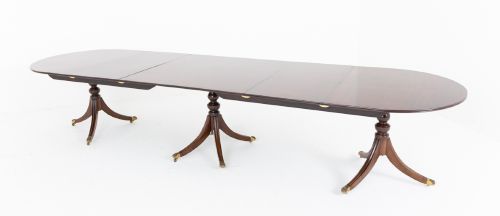
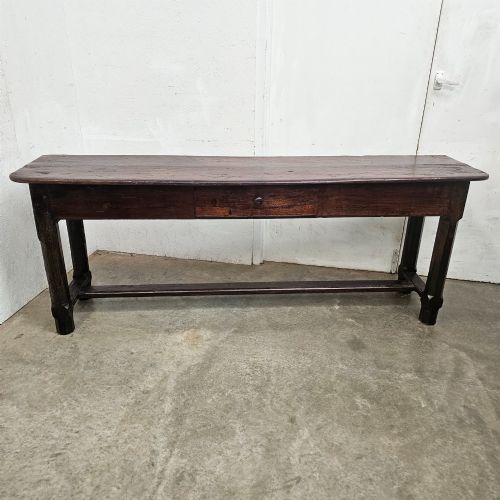
Traditional Dark Wood Table
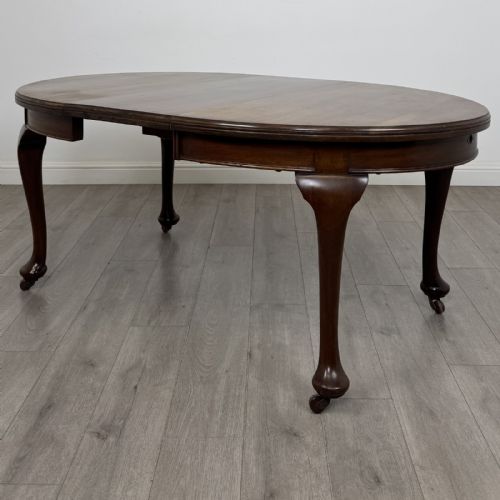
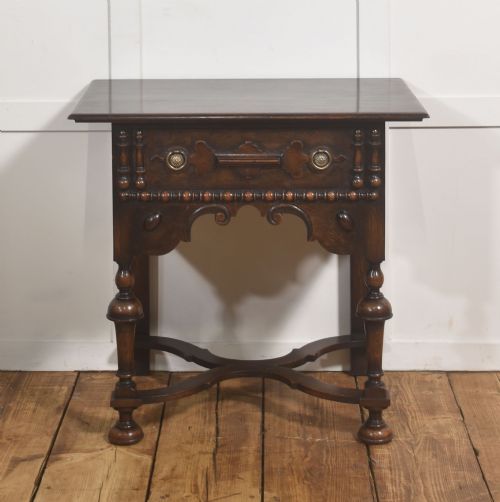
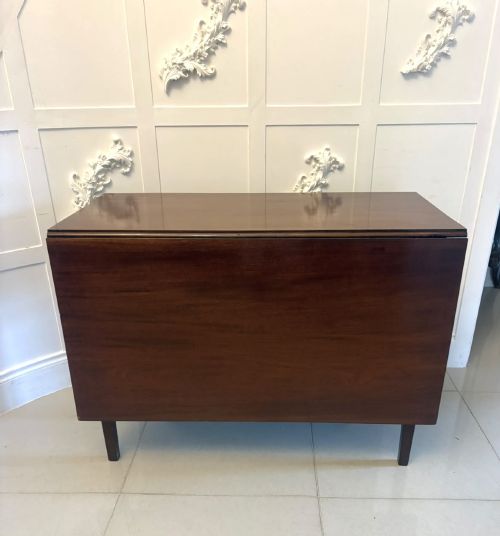
A traditional dark wood table brings deep colour and solid grain to a room, ranging from small wine tables to large dining pieces.
Traditional Dark Wood Table
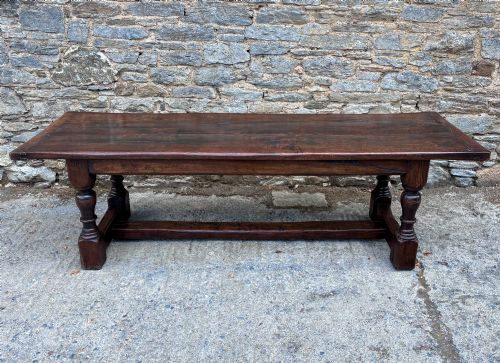
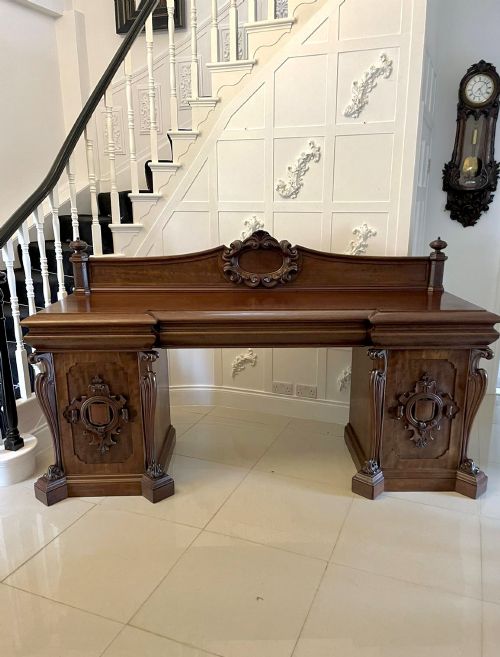
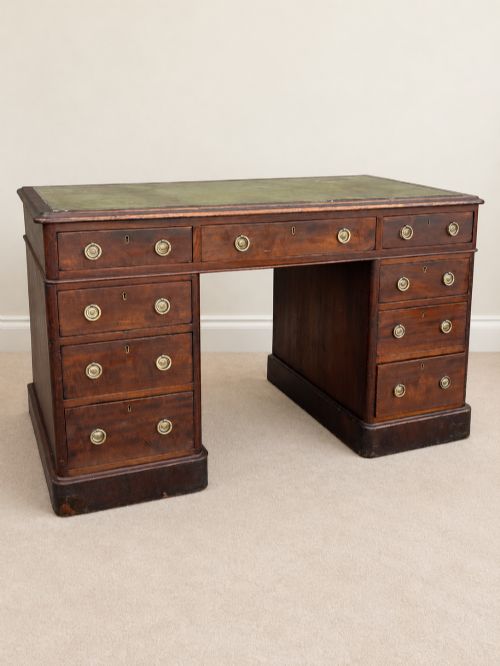
When you search for a traditional dark wood table, you encounter diverse forms spanning centuries of domestic life. Dining tables, writing desks, and small occasional tables form the core of this selection.
Victorian and Edwardian pieces dominate the listings alongside examples from the eighteenth century. Mahogany and oak appear most frequently, establishing the dark tones that define these items.
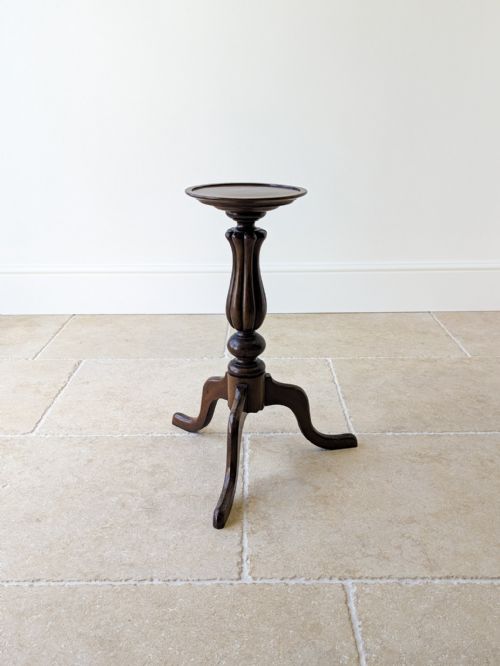
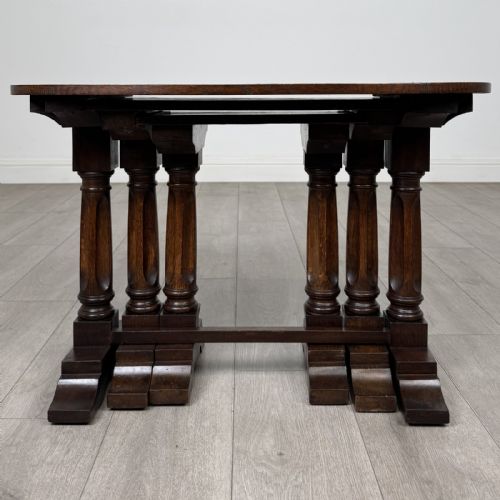
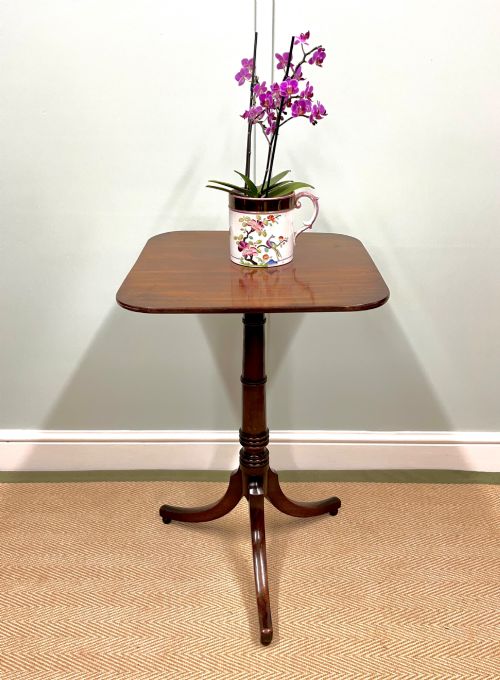
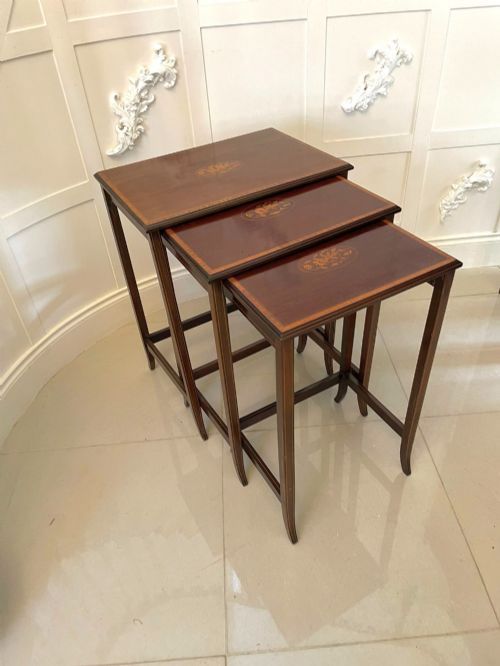
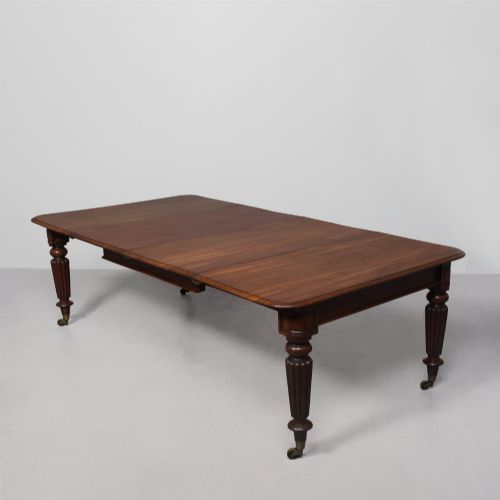
Smaller formats such as nests of tables and wine stands provide practical surfaces without dominating a space. Larger refectory and extending dining tables serve as substantial central furniture for rooms.
How they were made
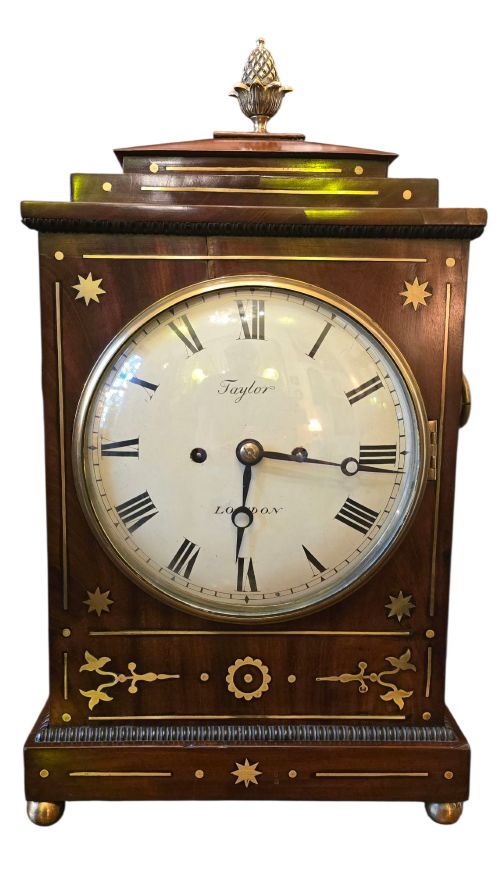
Cabinet makers utilised dense timbers such as mahogany, rosewood, and oak, often selecting solid stock for structural members and veneers for expansive surfaces. Brass hardware, leather inserts, and glass components appear alongside the primary wood frames.
Construction techniques evolved from early pegged joints to later nineteenth-century framing methods. Turnery, carving, and polished finishes demand careful handwork by makers using traditional workshop tools.
Some nineteenth-century tables hide tiny brass castors beneath their feet, ready to roll the furniture away at a moment's notice.
What varies in quality
The standard of timber selection and joinery marks the difference between basic utility items and superior workshop output. Well-figured grain patterns and precise secondary timbers show greater care during construction.
Proportion and restraint in ornament separate accomplished design from heavier provincial work. Original fittings, such as handles and castors, preserve the integrity of a piece better than later replacements.
Gillows·Trollope and Sons·Thomson of London·George Wadham Bath·Brockbanks and Atkins
The Traditional Dark Wood Table Glossary
- Mahogany
- A durable tropical hardwood known for its rich reddish-brown colour and fine grain. It became the predominant timber for quality furniture from the eighteenth century onwards.
- Refectory table
- A long dining table traditionally used in communal halls. Examples appear in sturdy oak with stretcher bases for added stability.
- Tripod table
- A small freestanding table supported by a central pillar on three legs. Many eighteenth and nineteenth-century versions feature tilting tops.
- Brass
- An alloy of copper and zinc used extensively for castors, handles, and decorative mounts. It patinates richly over centuries of handling.
Traditional Dark Wood Table: Frequently Asked Questions
How do I date a dark wood table?
Examine the construction methods beneath the top and inside the drawer framing, as hand-cut dovetails and tool marks indicate earlier periods. Timber choice also points to specific eras, with mahogany rising in the eighteenth century and diverse revival styles emerging later.
Compare the leg turnings and edge profiles against dated examples from the same region. Secondary woods used in internal framing offer further clues to the workshop's geographic origin and operational era.
Are these tables suitable for daily dining?
Many sturdy dining and refectory tables handle everyday meals with ease, provided the top surfaces receive sensible protection from heat and moisture. Solid hardwood construction gives them the durability required for continuous domestic use.
Antique surfaces benefit from coasters and placemats to prevent ring marks on the polished finish. Regular waxing maintains the moisture barrier in the wood grain.
How do I care for antique mahogany?
Dust the surface regularly with a soft, dry cloth to prevent grit from scratching the polish. Avoid placing wooden furniture in direct sunlight or beside heat sources that can dry out the timber.
Apply a traditional beeswax polish sparingly when the wood appears dry, then buff to a soft sheen. Avoid silicone-based sprays which can penetrate the finish and damage the patina.