






Traditional Cream Sofa
A traditional cream sofa brings a sense of grounded elegance to a room, offering deep seats shaped by centuries of upholstery tradition.
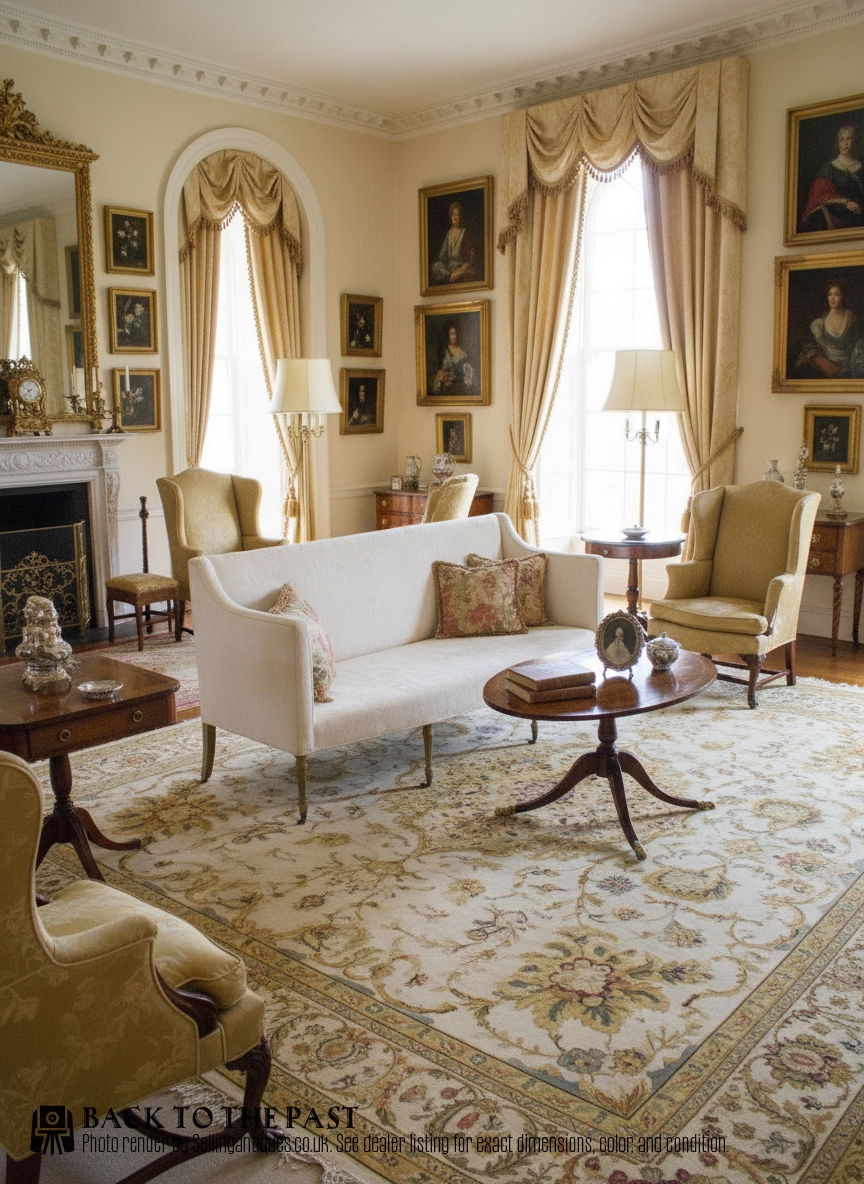
Traditional Cream Sofa
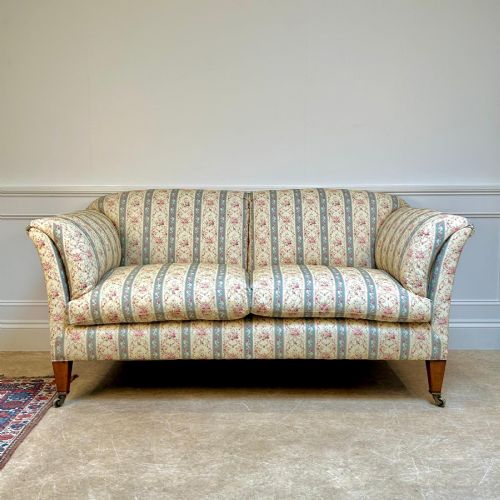
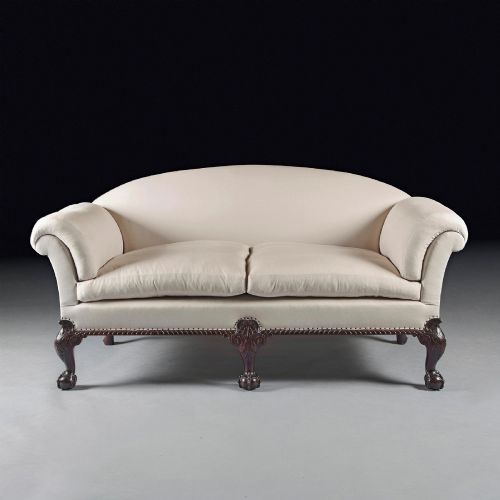
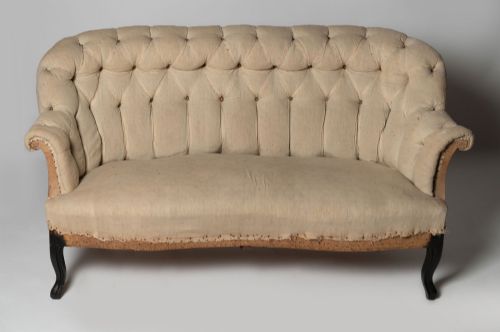
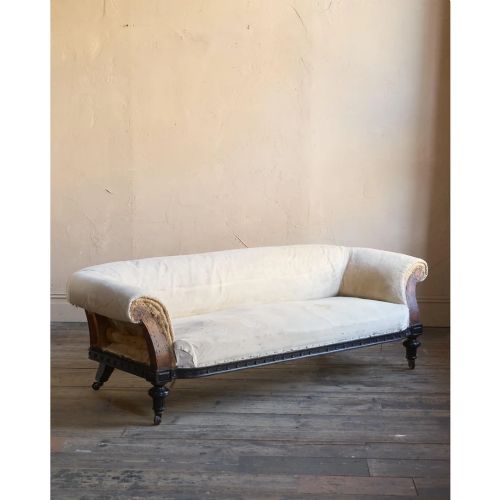
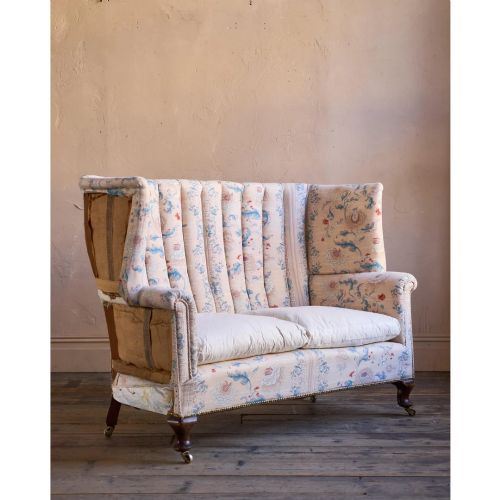
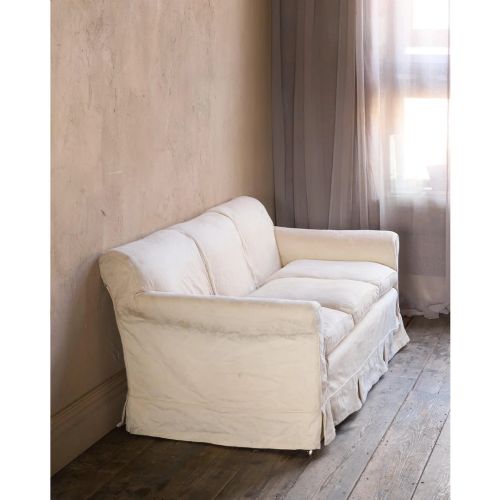
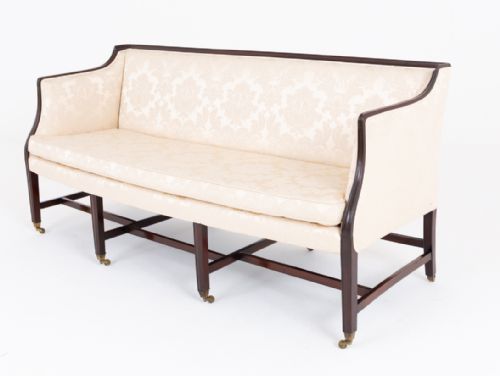
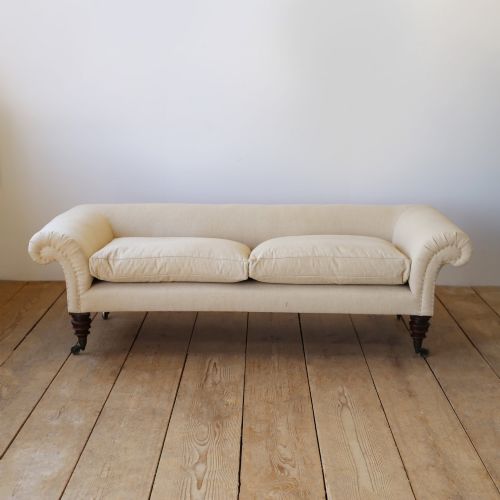
A traditional cream sofa encompasses various historical seating forms, ranging from nineteenth-century Chesterfield designs to Edwardian country house pieces and Georgian-inspired settees. These items appear upholstered in neutral fabric, calico, damask, or raw leather awaiting custom dyeing.
Buyers encounter upholstered couches supported by exposed mahogany, walnut, or oak frames, often displaying carved ball and claw feet, lion paw details, or fluted legs. The selection spans compact two-seater settees and large four-seater furniture suitable for formal drawing rooms.
Materials and construction methods
Maker workshops utilised sturdy hardwoods such as mahogany, walnut, and oak to construct the internal frames and show wood components, occasionally incorporating brass details or inlaid woodwork. Upholstery traditions relied on durable fabrics, damask, and heavy leather stretched over supportive sprung or webbed bases.
Joinery techniques combined traditional hand carving for legs and feet, seen in ball and claw or lion paw motifs, with robust frame assembly designed to endure heavy daily use. Pieces frequently carry maker stamps or labels from notable nineteenth-century cabinet makers and upholstery houses.
Traditional Cream Sofa Retail Price Guide 2026
Typical asking prices for traditional cream sofa among the pieces listed under this phrase on Sellingantiques today, from the lower quarter to the upper quarter. They describe what is for sale here now, not the wider market.
Current listings feature furniture from the 18th century, Victorian, Edwardian, and Georgian eras, constructed from mahogany, walnut, oak, and brass.
Distinctions in craftsmanship and material grade
The distinction between standard workshop production and superior output rests in the crispness of the hand-carved woodwork, particularly on show frames and legs terminating in detailed feet. Maker attribution also alters status, with pieces bearing verifiable workshop stamps commanding higher regard.
The integrity of the internal construction, the quality of the timber selection, and the preservation of original or sympathetic upholstery materials determine the overall standing of each piece.
Howard & Sons·Jas Shoolbred·Morison & Co
The Traditional Cream Sofa Glossary
- Chesterfield
- A deep-buttoned upholstered sofa featuring rolled arms of the same height as the back.
- Settee
- A long upholstered seat with a back and arms, designed to accommodate multiple people.
- Show frame
- A wooden structural frame left partially visible around the upholstered portions of a seat.
- Damask
- A reversible figured fabric woven on a jacquard loom with patterns visible in the weave.
- Calico
- A plain-woven cotton fabric frequently utilised as an underlying layer for upholstered furniture.
Traditional Cream Sofa: Frequently Asked Questions
How do I date a traditional cream sofa?
Dating relies on identifying stylistic markers such as cabriole legs, frame wood types, and upholstery methods associated with Victorian, Edwardian, or Georgian periods.
Maker stamps on wooden frames or webbing can also provide specific workshop origins and timelines.
What is a country house sofa?
A country house sofa typically denotes a deep, generously proportioned seat built for comfort in large domestic settings during the nineteenth and early twentieth centuries.
These pieces often prioritize loose-cushion comfort and substantial proportions over rigid formal restraint.
Are these sofas suitable for daily use?
Many historical settees and couches remain robust enough for regular seating, provided the internal webbing and springs have received appropriate maintenance.
Buyers often select pieces requiring restoration to ensure structural longevity before placing them into active service.
What is a salon suite?
A salon suite comprises a matching set of upholstered seating furniture, such as a sofa accompanied by matching armchairs or smaller chairs.
These suites were traditionally arranged in formal reception rooms for entertaining guests.