


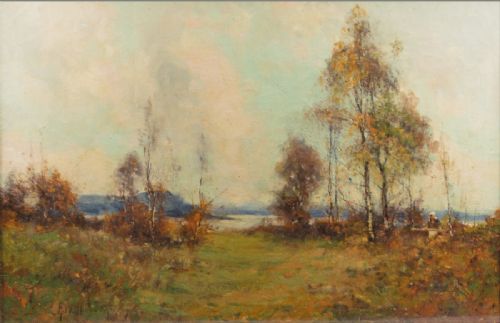
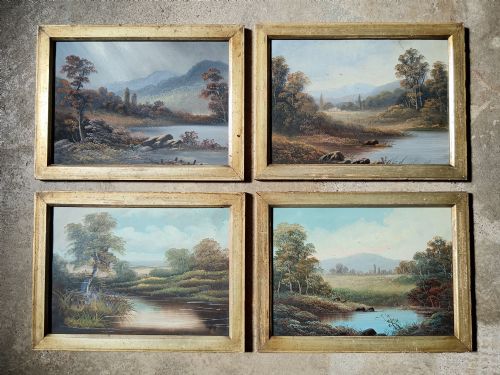
Traditional Countryside Oil Painting
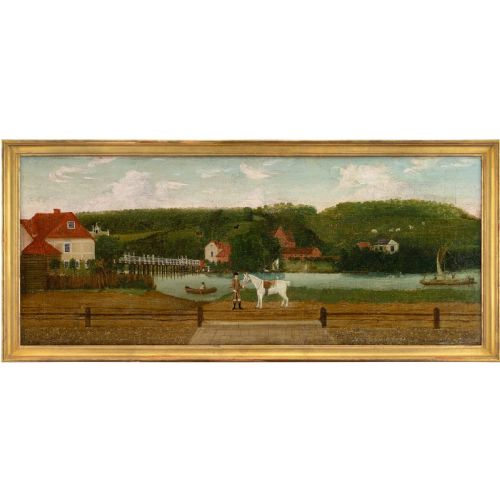
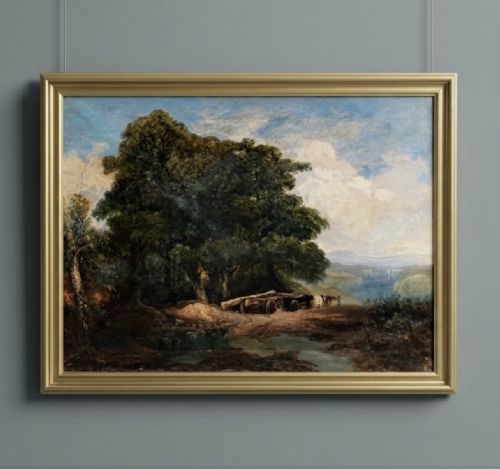
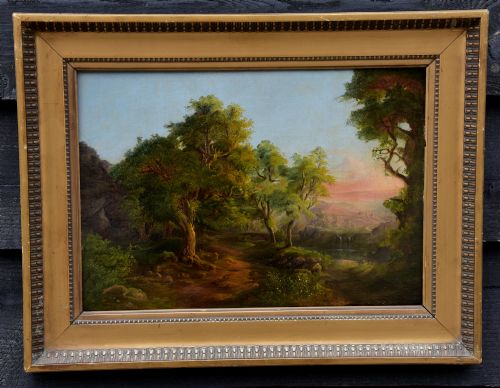
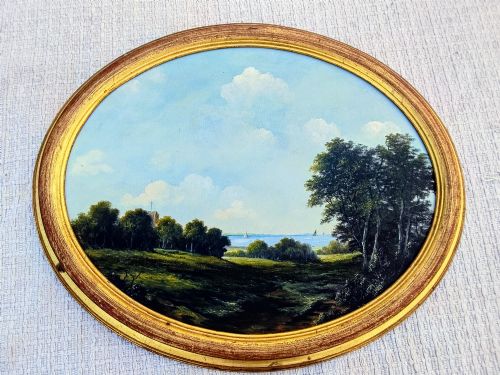
A traditional countryside oil painting brings the pastoral calm of rural rivers, hills, and farmland directly onto the wall.
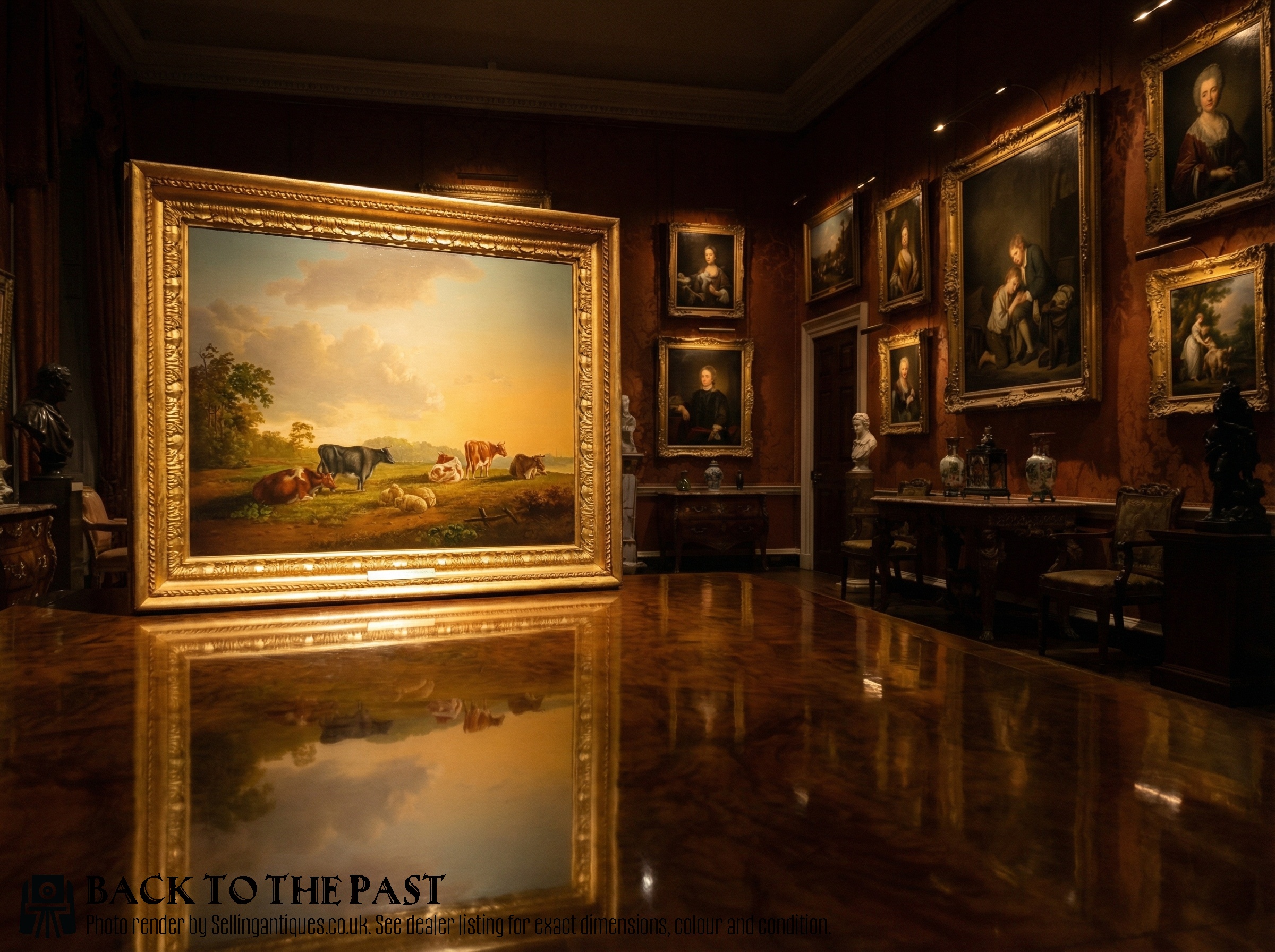
Traditional Countryside Oil Painting
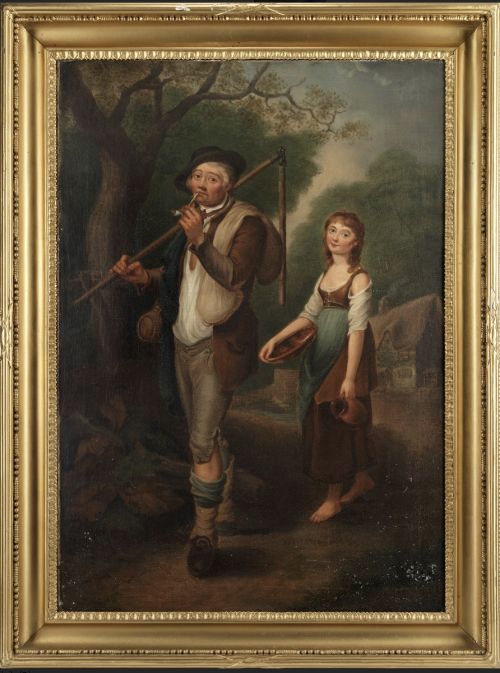
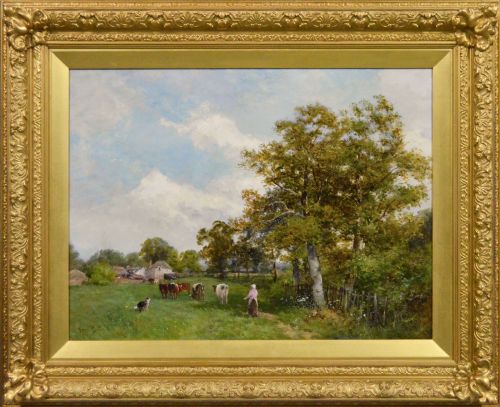
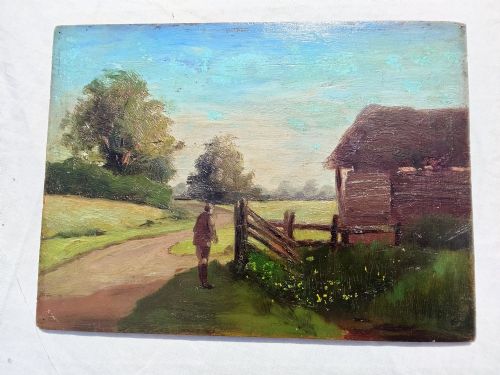
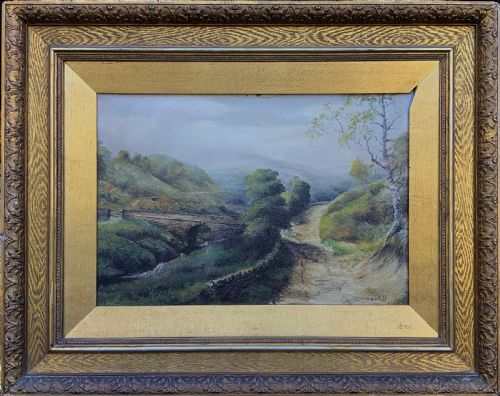
A traditional countryside oil painting depicts pastoral landscapes, rural cottages, and agricultural life across various British and European settings. Buyers searching for this phrase encounter canvas and board works spanning the nineteenth century through the mid twentieth century.
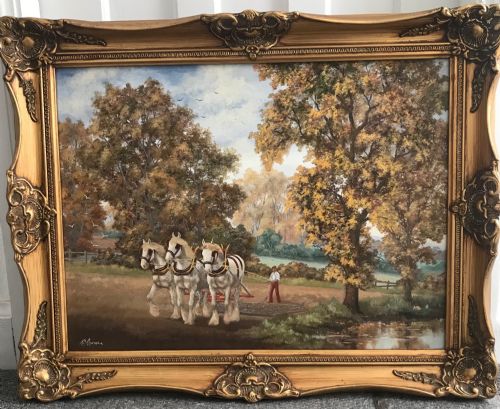
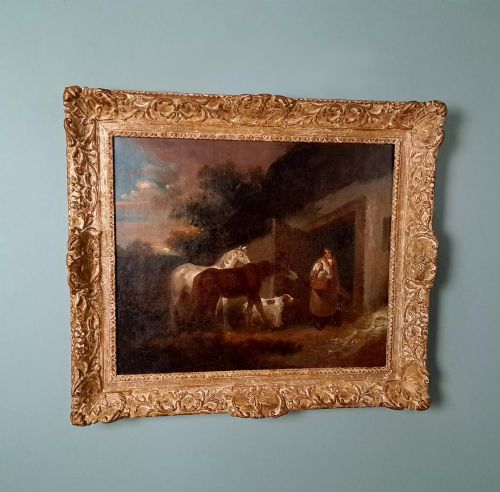
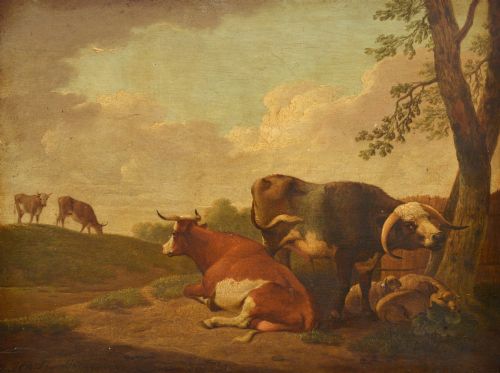
The most common subjects on this page include wooded river valleys, sheep and cattle grazing, and horses working the land. These works range from Victorian pastoral scenes to early twentieth century regional landscapes.
Pieces frequently feature framed presentations in giltwood, carrying the aesthetic of English and Victorian school painting traditions. Works vary from intimate panel studies to large canvases signed by recognised artists.
Materials and methods
Artists painted primarily with oil paint on stretched canvas, wooden panels, or card boards, building texture with brushwork and sometimes heavy opaque mediums. The drying properties of oil allowed painters to blend tones carefully and capture atmospheric light in rural scenes.
Frames made from wood, gesso, and giltwood were constructed to house the paintings, often finished with intricate mouldings suited to the period. These traditional framing materials protect the edges of the canvas and complement the warm palettes of pastoral art.
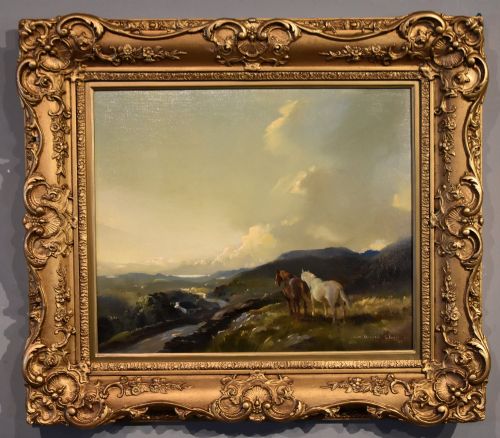
Several canvases capture the stubborn charm of Dartmoor ponies and shire horses refusing to hurry their work.
Distinctions in quality
Quality in a traditional countryside oil painting rests upon the confidence of the brushwork and the artist's command of light, atmosphere, and perspective. Finer examples display subtle tonal transitions in skies and foliage that give depth to a landscape.
The handling of natural details, such as the anatomy of animals or the texture of water, distinguishes skilled regional artists from more formulaic workshop output. Original framing and clear signatures by known painters further elevate the standing of a piece.
Richard Sebastian Bond·William H Myers·George Graham·William Joseph Shayer Senior·Hendrik Willem Schweickhardt·Thomas Barker of Bath·David Bates·Vernon DeBeauvoir Ward·Alexander Wellwood Rattray·John Horace Hooper·Hubert Wellington·Owen Bowen·Charles Walter Simpson·William Henry Mander·Herbert Royle·John Sanderson Wells·Reginald Grange Brundrit·Alfred Augustus Glendening Jnr·William Sydney Cooper·Sidney Richard Percy·Thomas Spinks·Robert John Hammond·Johannes Philippus Galjaard·Giulio Cecchini·William Greaves
The Traditional Countryside Oil Painting Glossary
- Giltwood
- Wood carved and coated with gold leaf or a gold-coloured finish. This material is commonly found on the traditional frames encasing Victorian and Edwardian landscapes.
- Gesso
- A plaster-like mixture applied to wooden frames as a base for gilding. It allows craftsmen to mould intricate decorative details around the perimeter of a painting.
- Oil on canvas
- Pigment mixed with drying oil applied to a woven fabric support stretched over a wooden frame. This combination provides flexibility and a durable surface for textured brushstrokes.
- Pastoral landscape
- An artwork focusing on rural scenery, agriculture, shepherds, and livestock. It romanticises country life and agrarian routines.
- English school
- A term designating painters working in England across various centuries who shared stylistic approaches. It encompasses portraitists and landscape artists alike.
Traditional Countryside Oil Painting: Frequently Asked Questions
How do I identify the age of an oil painting?
Age is determined by examining the canvas weave, stretcher construction, backing materials, and the style of the giltwood frame. Pigment analysis and artist signatures also provide reliable chronological clues.
Paintings from the nineteenth century often utilise handmade stretchers and closely woven linens, while twentieth century works may show modern canvas stamps and machine-cut wood.
Where should I hang a countryside landscape?
These paintings suit traditional living rooms, studies, or dining areas where natural light enhances the warm oil tones. Pairing the artwork with wooden furniture creates a cohesive aesthetic.
Avoid placing canvases in direct sunlight or damp environments, as fluctuations in temperature can cause the oil paint and wood panel to warp or crack.
What is the difference between canvas and board?
Canvas consists of fabric stretched over a wooden frame, offering slight give and a textured surface. Board paintings utilise rigid wooden panels or card stock, providing a completely flat support.
Artists often used boards for smaller plein air studies painted outdoors, whereas larger commissioned landscapes were typically executed on stretched canvas.