



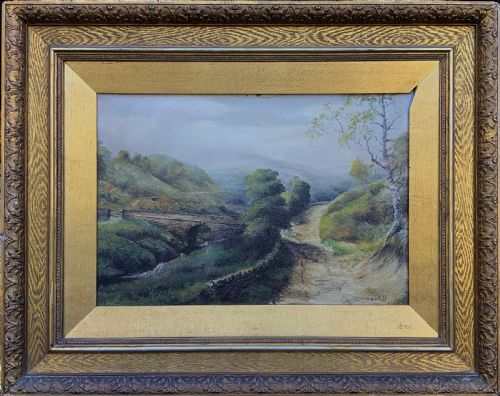
Traditional Countryside Landscape
Traditional countryside landscape paintings capture rural British life through oils and watercolours spanning the nineteenth and twentieth centuries.
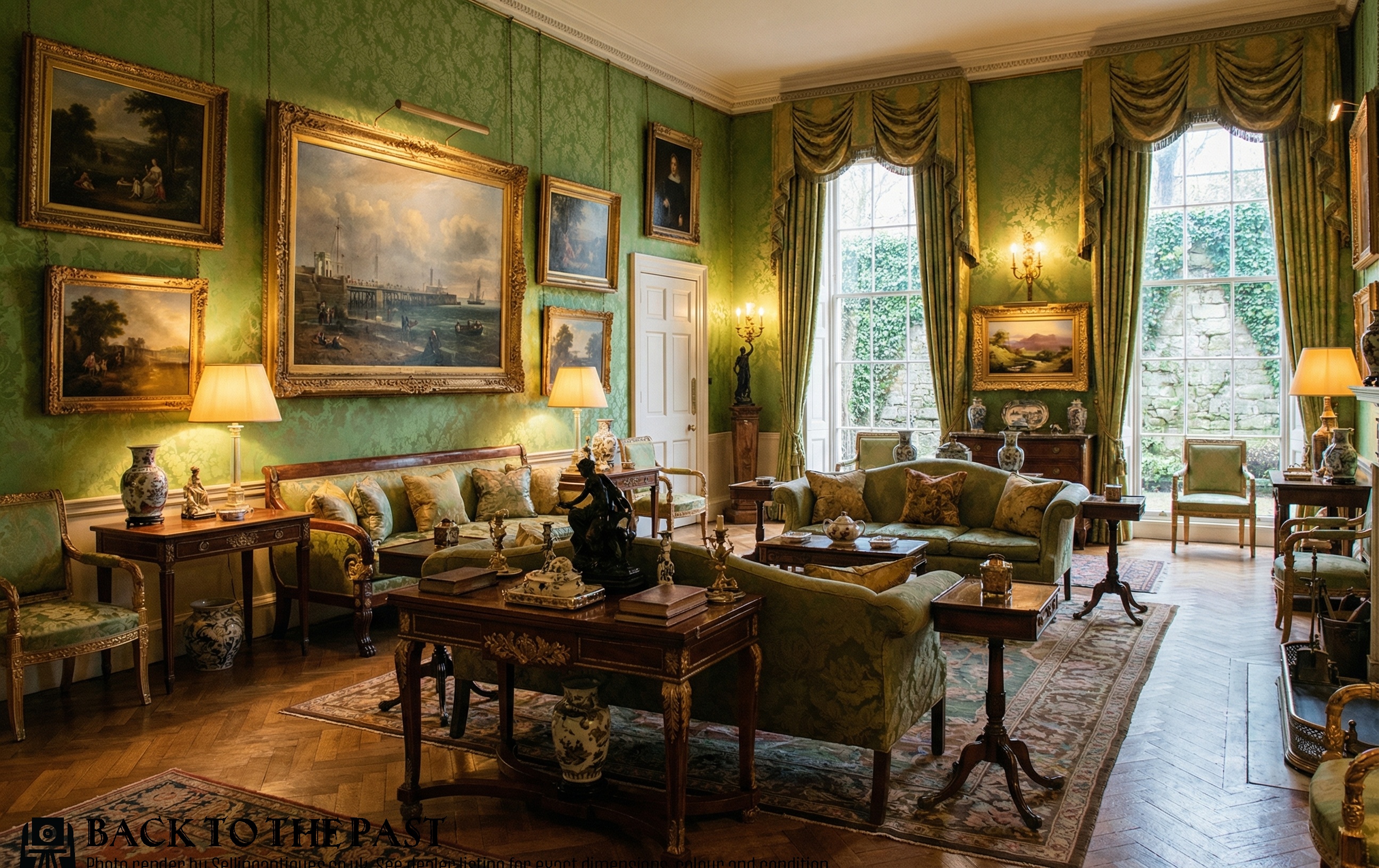
Traditional Countryside Landscape
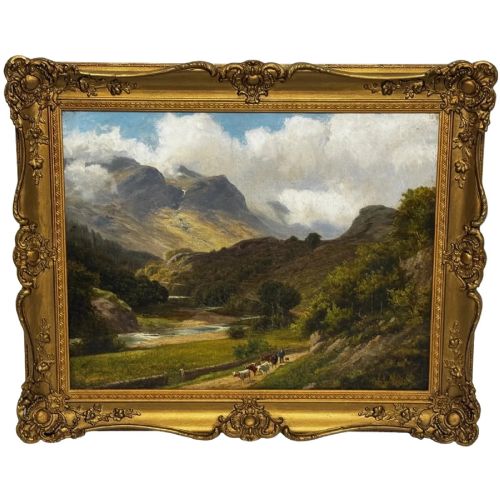
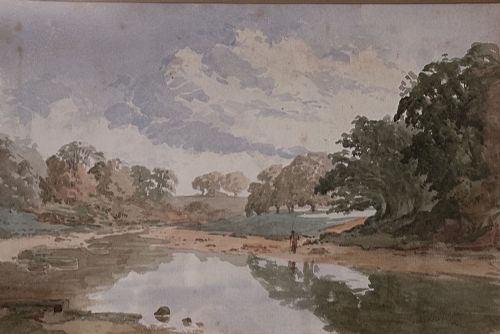
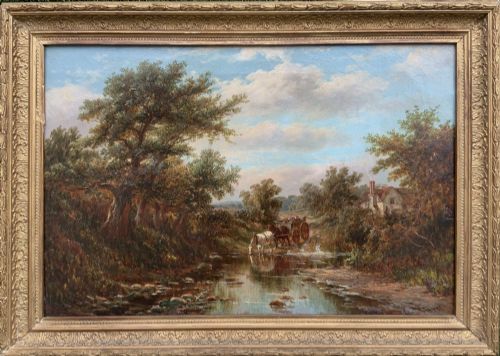
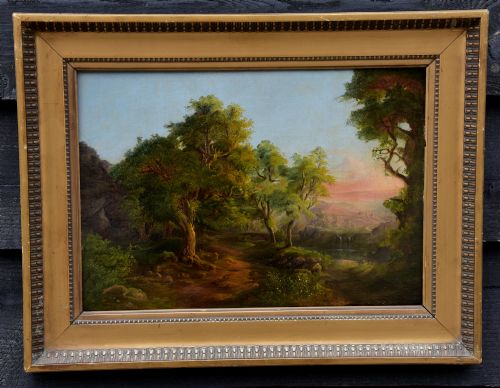
A traditional countryside landscape depicts pastoral views, river valleys, and rural farm life across Britain. These works record the changing agricultural scenery and rural communities of past centuries through painted canvas, wood panel, and paper.
Most pieces met on this page originate from the Victorian and Edwardian periods, extending through the interwar years up to the mid-twentieth century. They range from intimate watercolour sketches to large oil paintings housed in gilt frames.
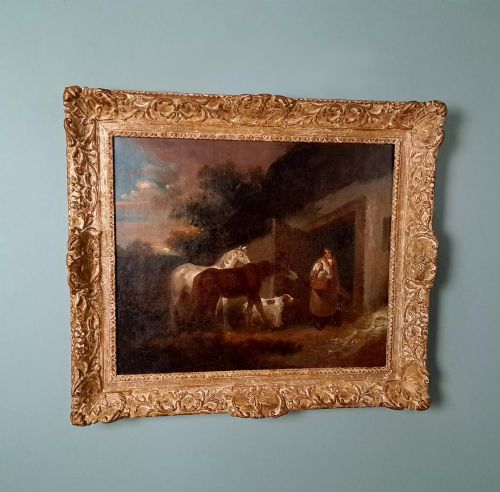
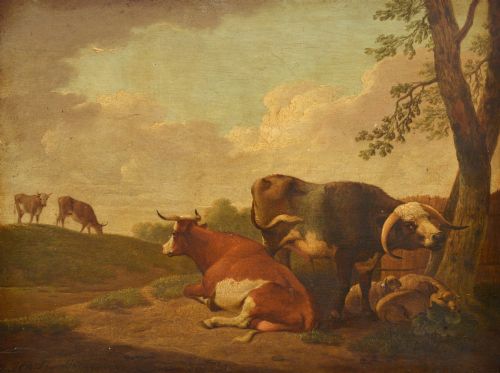
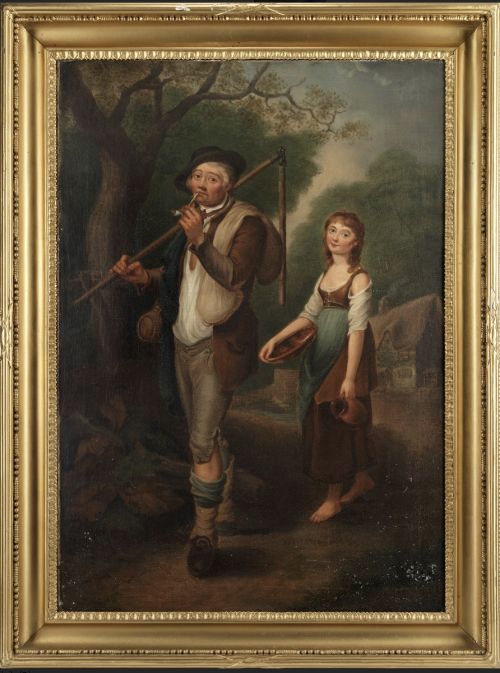
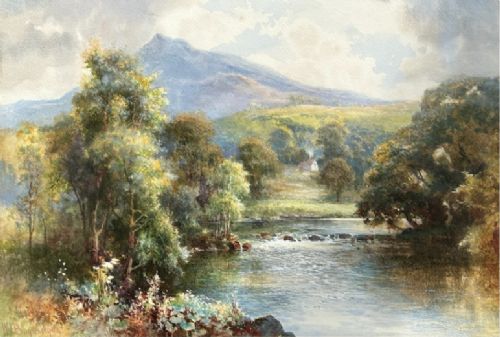
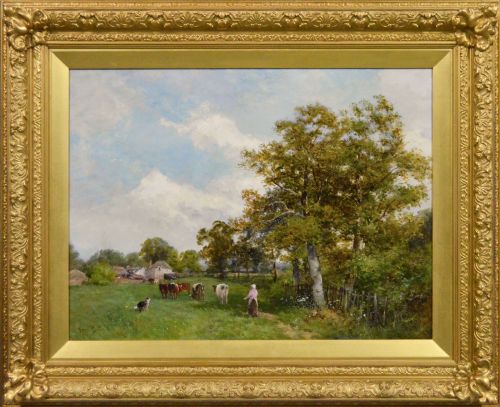
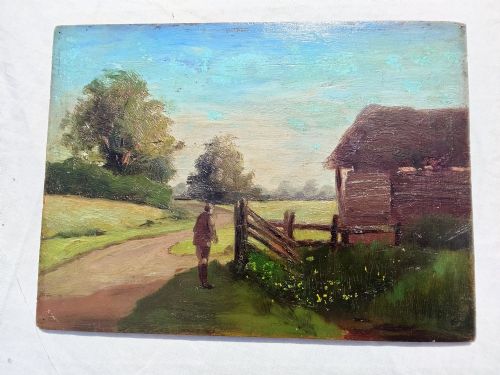
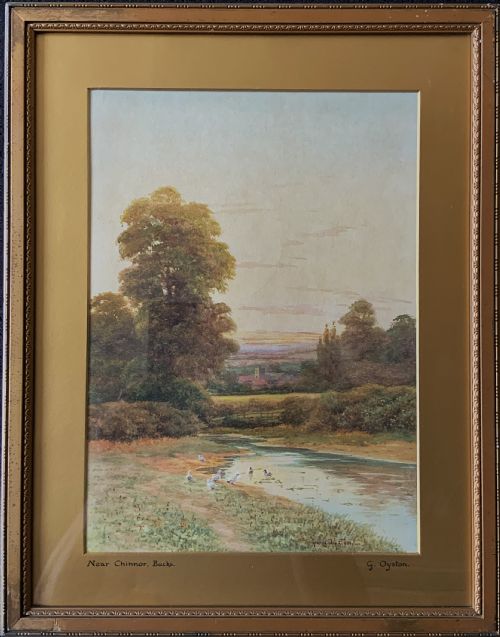
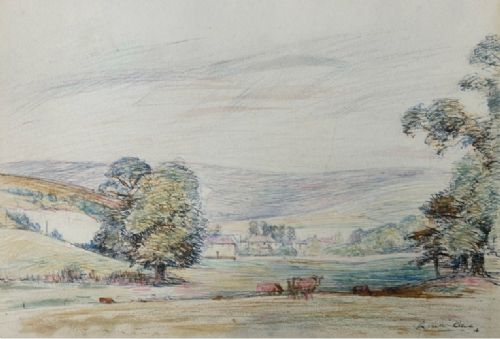
Rural motifs form the core of these subjects, frequently incorporating livestock such as sheep and cattle alongside figures working the land. River scenes, woodland paths, and thatched cottages complete the common visual vocabulary.
Materials and execution
Artists painted primarily with oil on canvas or wooden board, utilising heavy opaque gouache and watercolour on paper for lighter studies. Canvases were stretched over wooden frames and frequently mounted within heavy gilded wood surrounds.
Pigments were applied with varied brushwork, combining fine detail in the foreground foliage and figures with looser impasto across wider skies and distant hills. Support panels utilised local timber or prepared canvas primed to receive oil paint.
Listings feature works spanning the nineteenth and twentieth centuries, executed in oil paint, canvas, wood, paper, and gilt.
Assessing quality in rural scenes
Quality rests upon the artist's command of light, atmosphere, and naturalistic proportion rather than the mere presence of rural subjects. Superior works display confident handling of atmospheric effects such as twilight, passing showers, or morning mist.
The integration of human figures and livestock into the surrounding topography reveals the skill of the hand. Weaker examples rely on formulaic compositions and rigid perspective, whereas accomplished pieces capture specific regional character with assured brushwork.
Richard Sebastian Bond·William Joseph Shayer Senior·Hendrik Willem Schweickhardt·David Bates·George Oyston·John Horace Hooper·Owen Bowen·Charles Walter Simpson·Henry Charles Fox·Herbert Royle
The Traditional Countryside Landscape Glossary
- Oil painting
- A work created using pigments bound in a drying oil, most commonly applied to stretched canvas or wooden panels. This medium allowed artists to build rich layers of colour and texture.
- Watercolour
- A painting method where fine pigment is suspended in a water-based solution, typically executed on paper. It creates luminous washes of tone well suited to atmospheric weather studies.
- Gilded wood
- Timber frames coated with a thin layer of gold leaf or metallic gilt paint. These surrounds protected the edges of the canvas and enhanced the visual depth of the artwork.
- Gouache
- An opaque water-based paint containing pigment mixed with a gum binder and white filler. It produces a solid, matte finish often combined with watercolour in early twentieth-century works.
- Pastoral
- A genre of art depicting rural life and agricultural scenes in an idealized or tranquil manner. These compositions celebrate the peace of farming communities and natural scenery.
Traditional Countryside Landscape: Frequently Asked Questions
What periods do these paintings cover?
The works span from the late eighteenth century through the Victorian era and into the mid-twentieth century. Most examples date from the nineteenth and early twentieth centuries.
This broad timeline encompasses shifting artistic movements, from romantic landscape traditions to British impressionism and regional pastoral painting.
Where were these scenes usually painted?
Painters worked across rural regions of Britain, capturing recognizable locations in England, Wales, and Scotland. Popular settings included Welsh river valleys, Yorkshire dales, and West Country farmland.
Artists frequently inscribed specific locations on the reverse of the canvas or within the mount, recording precise local geography.
How should these framed artworks be displayed?
These pieces require placement away from direct sunlight and excessive humidity to protect vulnerable canvas, paper, and gilt frames. Stable indoor environments prevent the wood panel or canvas from warping over time.
Original frames benefit from careful dusting with a dry cloth, avoiding chemical cleaning agents that might damage the gilded surfaces.
How do you distinguish oil paintings from watercolours?
Oil paintings feature textured, built-up paint layers on canvas or wood panels, often varnished to a protective sheen. They usually require no glass covering for protection.
Watercolours utilise thinner pigment washes on paper and demand glazing beneath glass to prevent moisture damage and fading from light exposure.