


Mid Century English Artwork
Mid century english artwork captures the changing landscapes and domestic scenes of twentieth-century Britain through original paintings and drawings.
Mid Century English Artwork
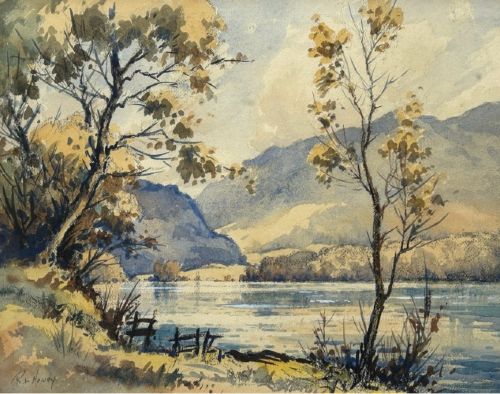
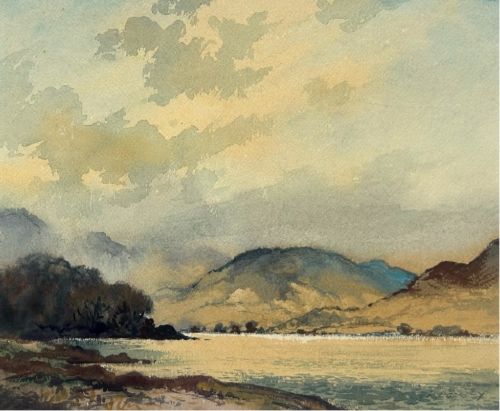
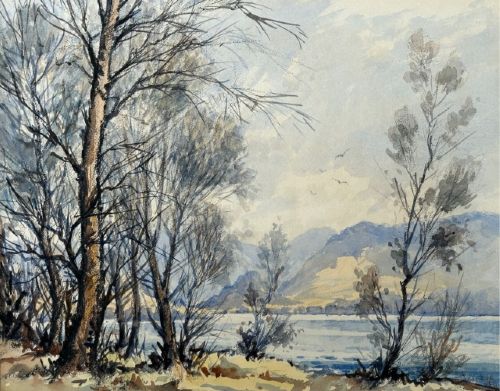
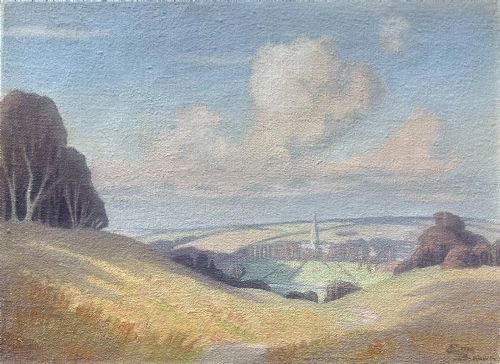
Mid century english artwork encompasses original paintings, oil paintings, watercolour paintings, and drawings produced across Britain during the middle decades of the twentieth century. These pieces record rural landscapes, coastal views, northern townscapes, and still lifes created by regional artists working in mid-century British and Modern British styles.
The works most commonly encountered on this page date from the nineteen-forties, nineteen-fifties, and nineteen-sixties, reflecting post-war artistic output. Alongside these mid-century creations, occasional earlier pieces from the nineteenth century appear, providing a broader context for British visual art traditions.
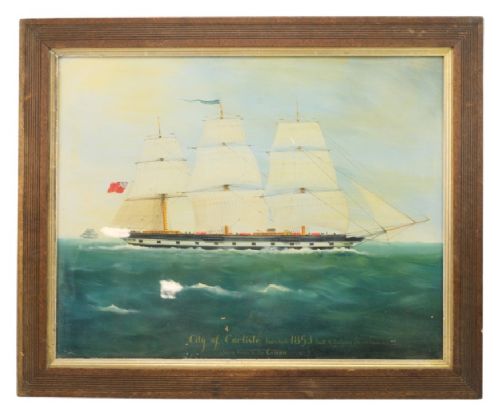
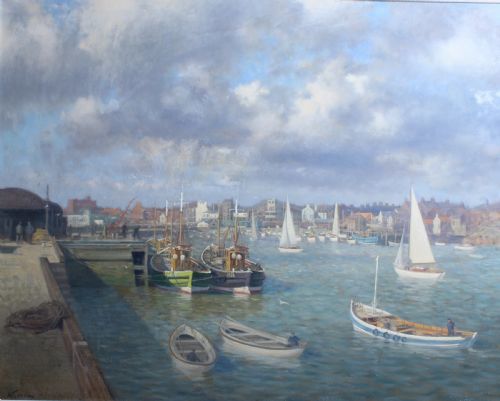
Subjects range widely from Lake District vistas and Yorkshire farmyards to maritime scenes and intimate floral studies. Painters utilise varied supports, presenting compositions on canvas, wood board, and heavy paper.
How they were made
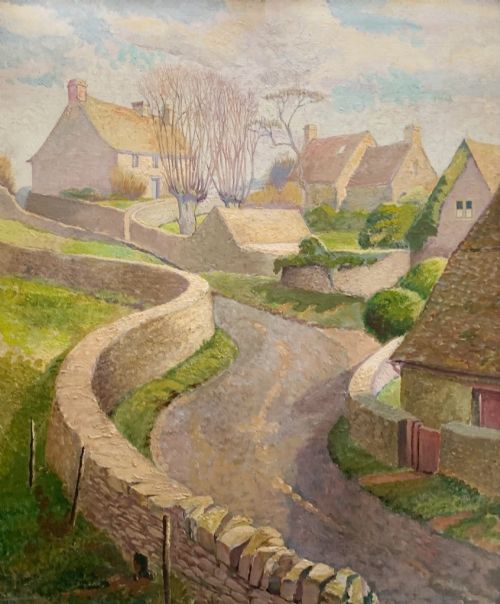
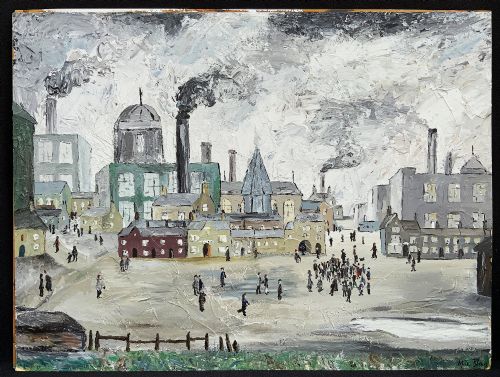
Artists of this period applied oil paint and watercolour pigment onto traditional supports such as canvas stretched over wooden frames, prepared wooden boards, and watercolour paper. Many works employ impasto techniques, building thick layers of oil paint to create textured surfaces that catch the light.
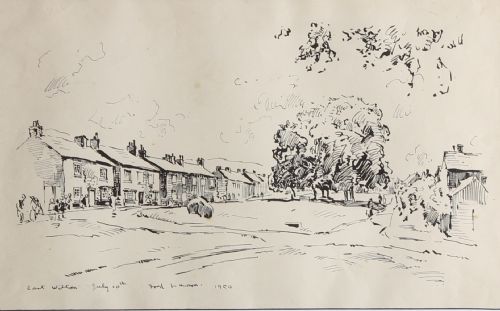
Watercolour paintings frequently incorporate ink or chalk underdrawings to define contours before pigment is washed onto the paper. Mixed media applications and charcoal sketches also appear, demonstrating the diverse technical approaches used by British painters of the era.
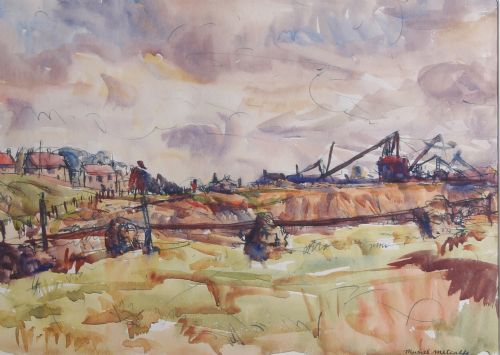
Artists frequently recorded northern industrial scenes and rural English landscapes using board, canvas, and heavy watercolour paper.
What varies in quality
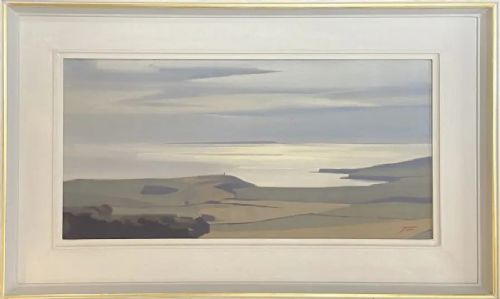
Quality in these works rests upon the surety of the brushwork, the handling of light and atmosphere, and the strength of the composition. A successful piece demonstrates an assured command of medium and pigment, whether capturing the industrial gloom of a northern townscape or the luminous expanse of a coastal estuary.
Provenance and documentation also influence standing, particularly when works bear artist signatures, exhibition labels, or studio sale stamps. Pieces that reveal a distinct personal vision within the broader Modern British movement command greater attention from collectors.
Robert Leslie Howey·Fred Lawson·James Fry·Eric Brown·Frederick Tatham·Walter Goodin·John Rattenbury Skeaping·Tony Giles·Joseph Edward Hennah·James Tower·Helen Layfield Bradley·Harry Freckleton·William JB Jenkins·Gertrude Halsband·Henry Barlow Carter·John Frederic Greenwood·Lawrence Stephen Lowry·Henry Earp Senior·John Gilbey Bowles·Phyllis I Hibbert·Tom Carr·Michael Lyne
The Mid Century English Artwork Glossary
- Watercolour painting
- A work executed with water-soluble pigments on paper supports. This technique relies on the white of the paper shining through translucent washes of colour.
- Impasto
- Paint applied thickly to a canvas or board so that it stands out from the surface. The brush or palette knife marks remain visibly raised.
- Modern British
- An umbrella style encompassing art produced in Britain during the twentieth century that embraces various modernist movements. It bridges traditional representation and abstraction.
- Provenance
- The documented history of a work of ownership and exhibition. A clear paper trail establishes authenticity and connects the piece directly to the artist's studio.
Mid Century English Artwork: Frequently Asked Questions
What subjects do these paintings show?
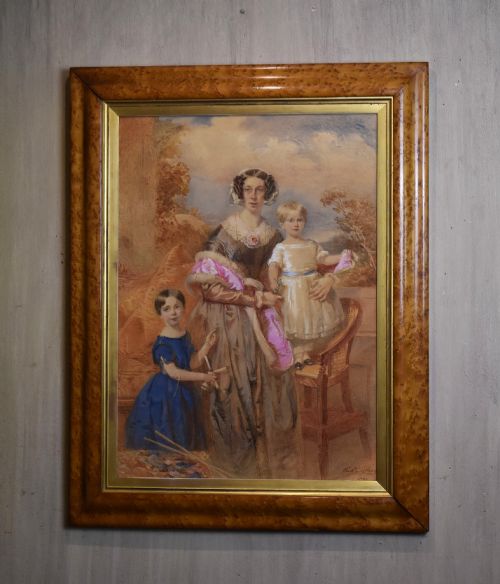
The artworks predominantly depict British landscapes, including Lake District scenes, Yorkshire farmyards, and coastal harbours. Other frequent subjects include still lifes of flowers and domestic objects, portraiture, and industrial northern townscapes.
Many pieces reflect post-war observations of the British countryside and urban environments, capturing specific regional topographies through varied artistic interpretations.
How should I frame mid century paintings?
Mid century works look best in simple wooden frames that complement the aesthetic of the period without overwhelming the composition. Unframed oil paintings on board or canvas often suit clean-lined, narrow mouldings common to mid-century modern design.
Watercolour paintings on paper require conservation mounting behind glass to protect the pigment from light damage and moisture over time.
Are these works signed by the artists?
Many of the pieces feature artist signatures, inscriptions, or dates inscribed directly onto the front or reverse of the canvas, board, or paper. Some listings also include studio sale provenance or exhibition labels that confirm attribution.
Works designated as English School or lacking signatures are typically attributed through stylistic comparisons and period characteristics.
What is the difference between oil and watercolour?
Oil paintings utilise slow-drying pigments suspended in oil, applied to canvas or board to build rich textures, deep tones, and impasto relief. They offer a robust surface that has endured decades of display.
Watercolour paintings use water-based pigments on paper, producing luminous, transparent washes and delicate line work that capture transient effects of light and weather.