
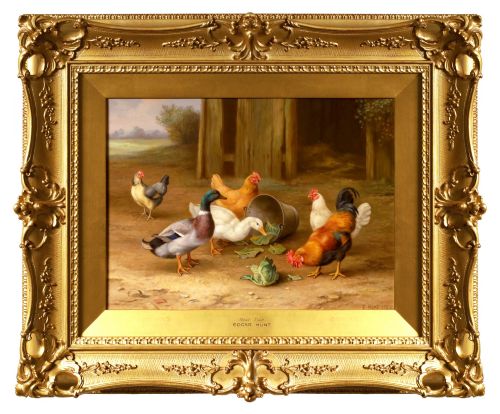


Rural Farmyard Oil Painting
A rural farmyard oil painting captures agricultural life on canvas, bringing rustic charm and historical livestock scenes directly into your interior.
Rural Farmyard Oil Painting
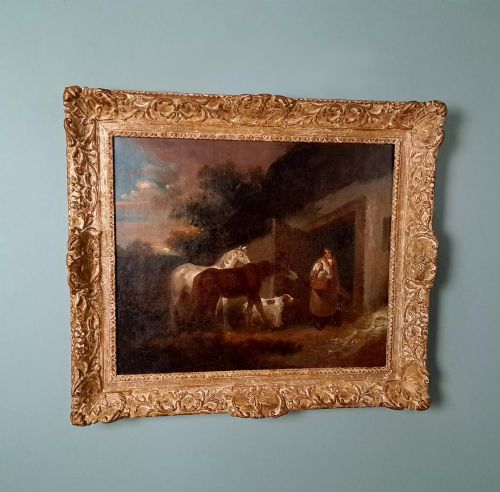
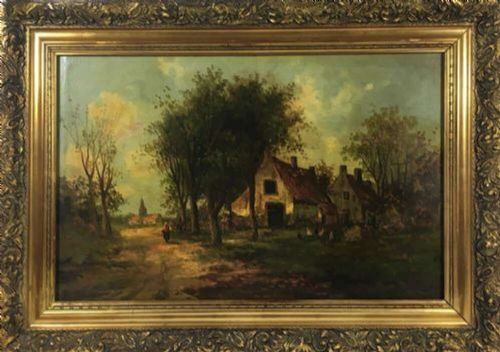
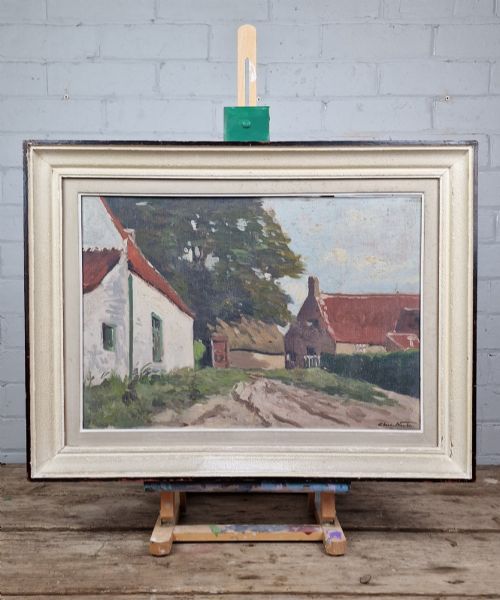
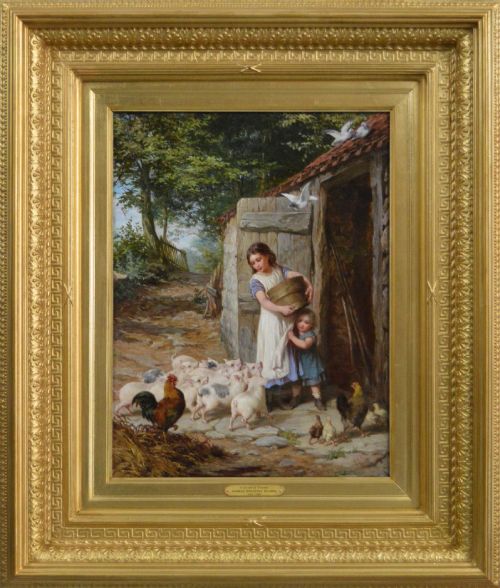
A rural farmyard oil painting depicts traditional agricultural scenes filled with horses, pigs, poultry, barns, and working figures. These works emerge predominantly from the nineteenth century and extend into the twentieth century, reflecting pastoral and Impressionist movements.
Buyers encounter Victorian pastoral canvases, British animalier compositions, and works by the Barbizon School. These pieces range from detailed genre paintings of feeding animals to broader landscape views of farm yards and cornfields.
The most common examples on this page feature British and European artists recording domestic livestock, carts, and rural architecture. These range from intimate studies on board to large framed canvases.
What varies in quality
Quality separates through the artist's ability to render anatomy, light, and atmosphere within the farmyard setting. Works by established named painters demonstrate superior brushwork and compositional balance compared to anonymous or primitive folk art pieces.
The preservation of the oil paint surface and the originality of the matching frame influence the standing of a piece. Finer examples maintain vibrant pigments and stable grounds without excessive overpaint.
Materials recorded across the inventory include oil paint, canvas, wood, board, giltwood, and gold leaf.
William Joseph Shayer Senior·Charles Houben·George Augustus Holmes·Edgar Hunt·Herbert Royle·William JB Jenkins·Frederick W Jackson·John Linnell·Ralph Dorrance·John Frederick Herring Jnr·Julius Caesar Ibbetson·Arthur Charles Dodd·Robert Russell MacNee·Owen Bowen·Arthur Walker Redgate·Ernest Higgins Rigg·Georgina Lara·Thomas Blinks·James William Booth·Kershaw Schofield
The Rural Farmyard Oil Painting Glossary
- Oil on canvas
- Pigments suspended in a drying oil medium applied to woven fabric stretched over a wooden frame. This technique allows for blending and textural impasto.
- Giltwood
- Wood that has been coated with a thin layer of gold leaf or metallic gilt paint. It is commonly found on traditional frames enclosing nineteenth-century artworks.
- British animalier
- An artistic focus on the realistic portrayal of animals, particularly horses, cattle, and farm livestock. These works emphasise the physical form and behaviour of rural creatures.
- Barbizon School
- A French movement of landscape painters who worked from nature in the mid-nineteenth century. Their approach influenced subsequent depictions of rural and farmyard environments.
- Genre painting
- The pictorial representation of scenes from everyday life, including figures working or interacting in a farmyard. These subjects tell a narrative story about rural existence.
Rural Farmyard Oil Painting: Frequently Asked Questions
What subjects appear in these paintings?
These artworks show agricultural buildings, barns, carts, and domestic animals such as horses, pigs, ducks, and poultry. Figures of labourers and children often work or rest amidst the rural scenery.
The compositions range from quiet pastoral landscapes to detailed genre scenes of feeding livestock and farmyard architecture.
How do I date a rural farmyard painting?
Dating relies on stylistic clues, artist signatures, framing methods, and the type of canvas or board substrate. Victorian and nineteenth-century works often employ darker earth palettes and traditional academic brushwork.
Twentieth-century examples from the 1920s and 1930s sometimes display brighter Impressionist or Post-Impressionist influences in their handling of light and pigment.
Where should I hang an oil painting?
Select an interior wall away from direct sunlight, high humidity, and extreme temperature fluctuations. Stable indoor conditions protect both the oil paint surface and the wooden stretcher frames.
Pairing these pastoral scenes with traditional or rustic decor enhances their historical character within a living space.
Are these paintings signed by the artist?
Many of the listed works bear signatures or studio provenance from named British and European painters. Monograms, artist inscriptions on the reverse, or exhibition labels frequently confirm authorship.
Other examples remain anonymous or fall under folk art categories, reflecting the broader tradition of rural nineteenth-century painting.