
Traditional Country Rush Chair
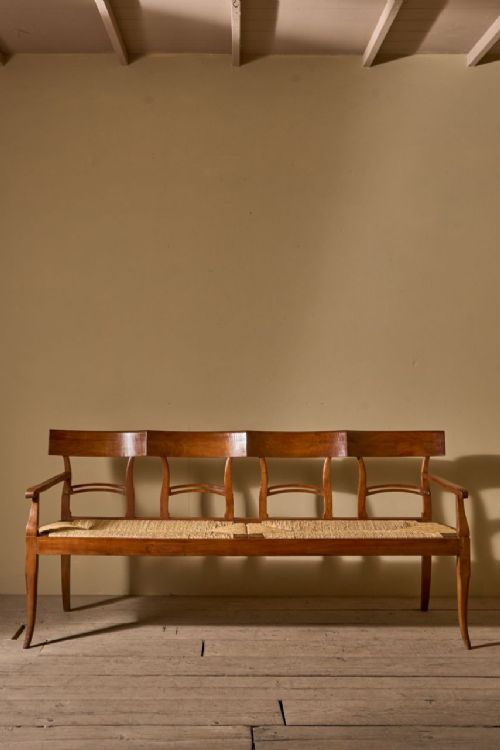
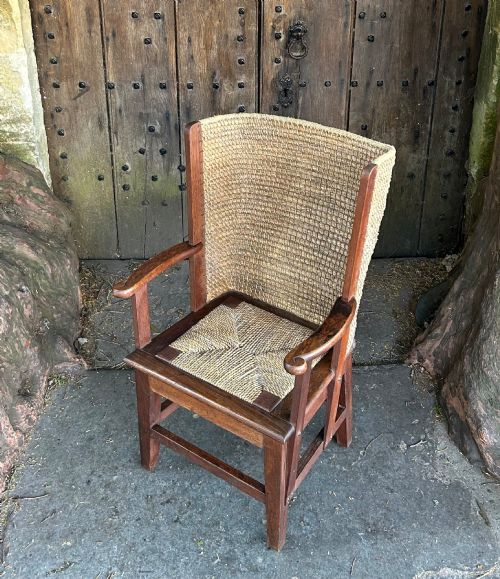
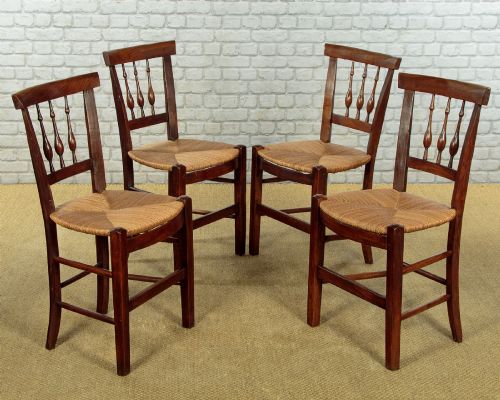
These are traditional country rush chairs, practical vernacular seating built for daily use from native woods and woven reed.
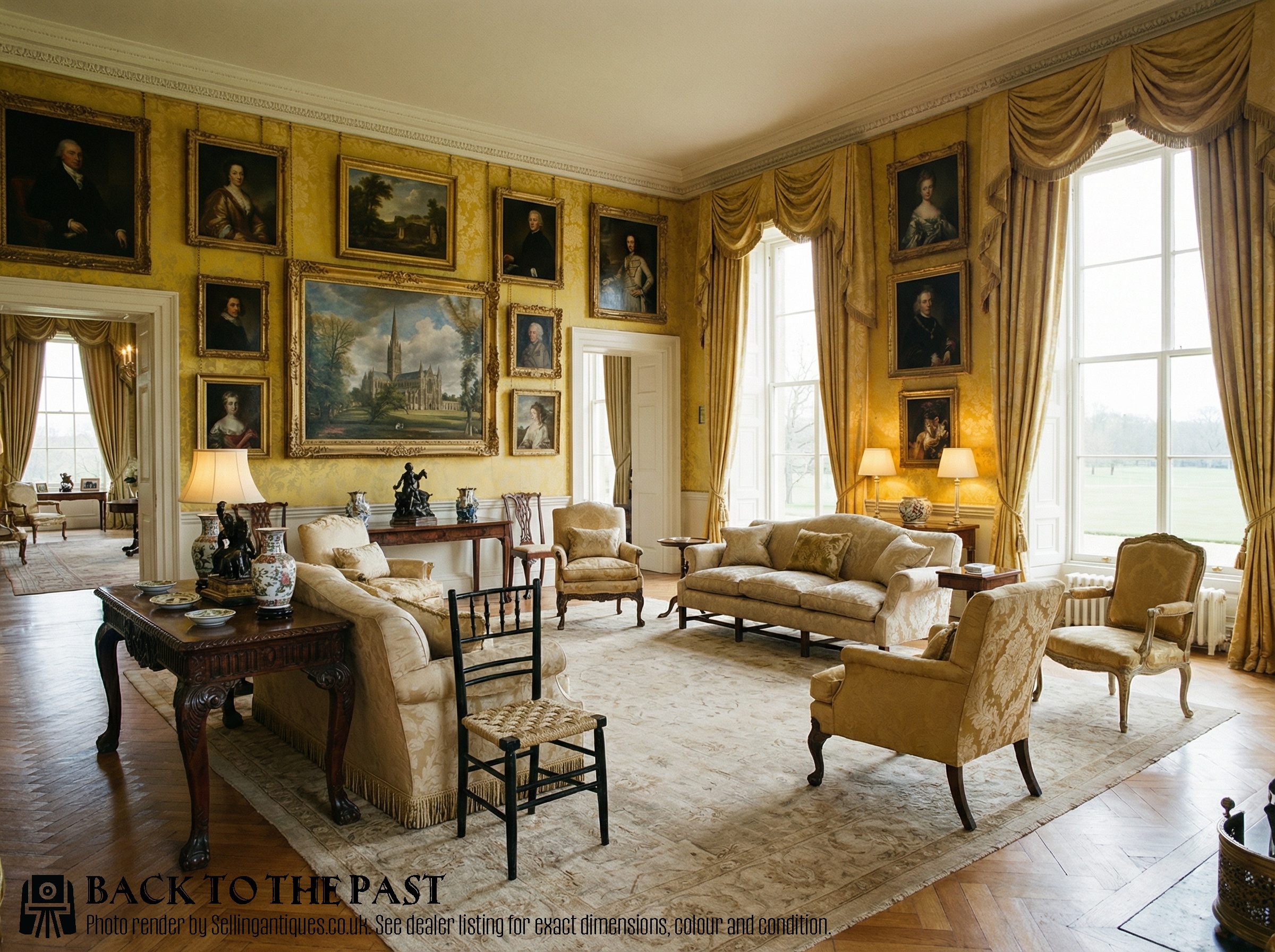
Traditional Country Rush Chair
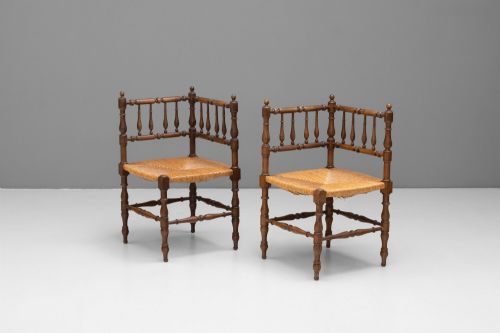
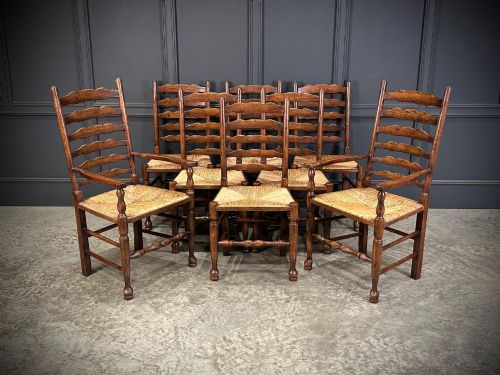
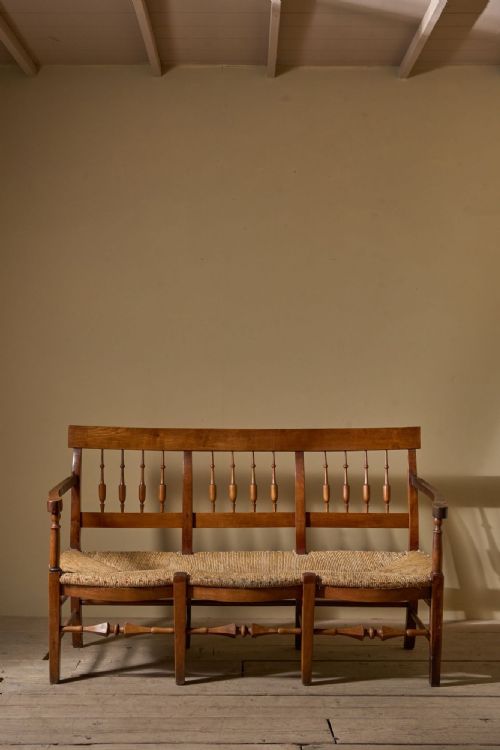
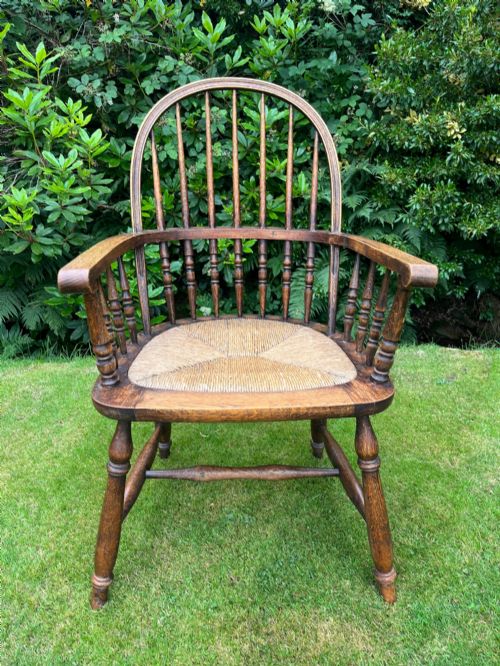
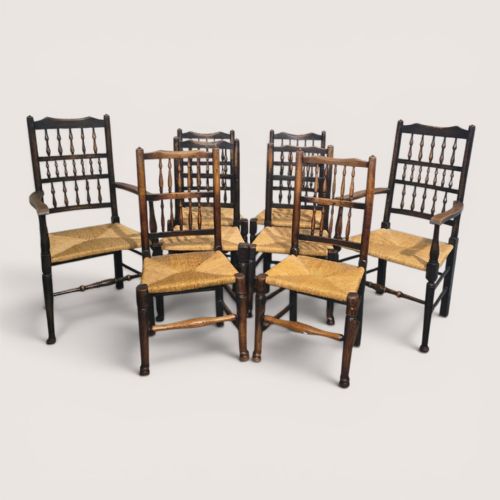
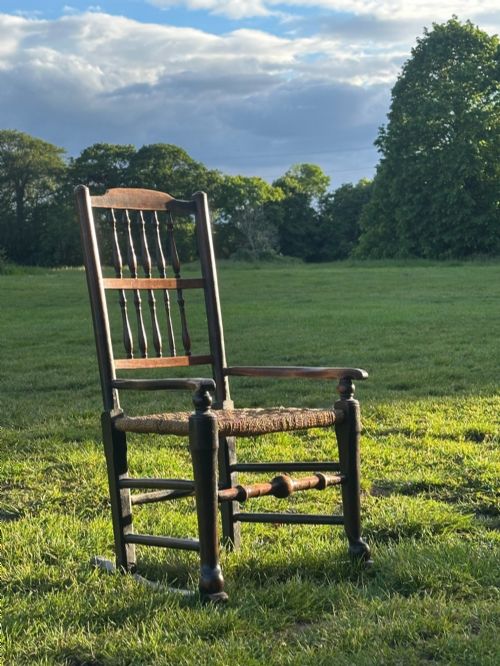
When you search for a traditional country rush chair, you are looking at utilitarian seating produced across English, French, and regional workshops from the eighteenth century into the twentieth century. The forms range from simple single side chairs and carver armchairs to large dining sets, rocking chairs, benches, and high chairs.
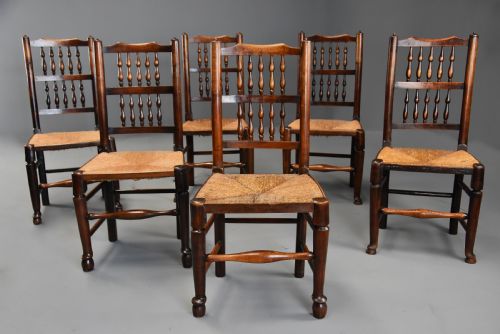
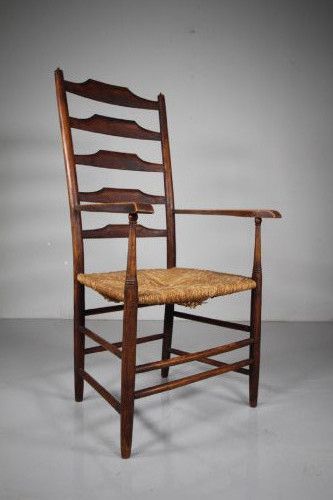
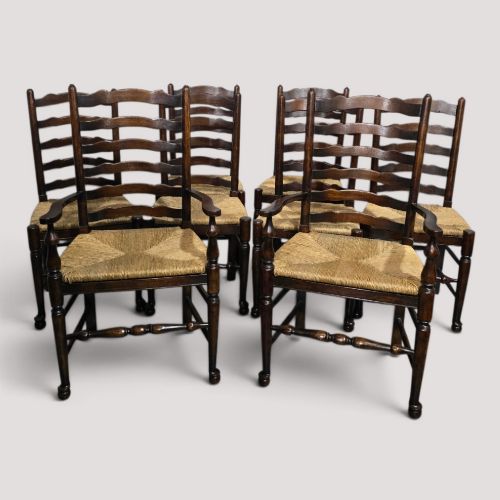
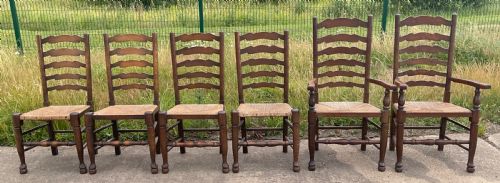
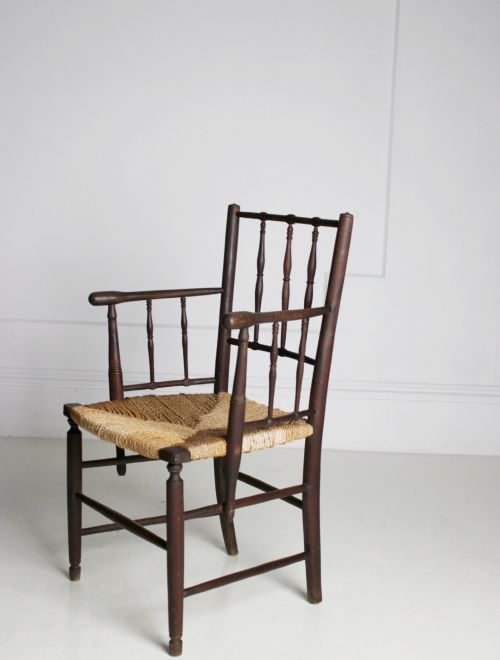
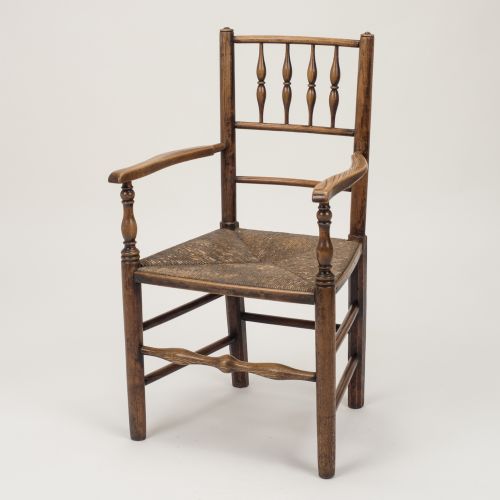
You are most likely to encounter nineteenth-century ladder-back and spindle-back dining chairs constructed from native timbers with woven rush seats. These pieces were made for farmhouse kitchens, cottages, and provincial homes where durability and local materials mattered more than courtly styles.
How they were made
The frames rely on native hardwoods such as ash, elm, oak, beech, fruitwood, and alder, often combining turned uprights with steam-bent components. Makers selected specific timbers for their strength in the legs and spindles, utilising elm for solid seats and lighter woods for the turned framework.
Seats are woven from natural marsh rush, tightly wound around timber rails to form a durable, textured surface that flexes with use. Some examples retain traces of original paint or surface treatments applied to protect the wood in domestic environments.
Children's high chairs and tiny rocking chairs demonstrate that country makers built proper miniature seating for the smallest household members.
What varies in quality
Quality rests in the integrity of the frame construction, the crispness of the turning on the uprights and stretchers, and the tightness of the rush weaving. Regional variations, such as the distinctive ladder-backs from Lancashire, Cheshire, or Ormskirk, show differing levels of workshop refinement and proportion.
The visual appeal depends heavily on the preservation of the surface, whether bare timber showing long handling or surviving early paint finishes. Matching sets demonstrate greater consistency in maker execution across multiple chairs than assembled harlequin groups.
Philip Clissett·E W Godwin
The Traditional Country Rush Chair Glossary
- Rush
- The dried stems of marsh plants woven to form resilient, textured chair seats. This material has been utilised for centuries in vernacular furniture.
- Ladder-back
- A chair back constructed with horizontal arched slats between the upright posts. This form is typical of traditional regional seating.
- Spindle-back
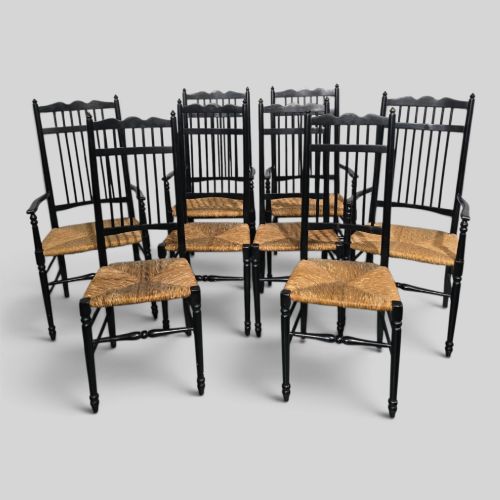
- A chair featuring a series of thin vertical turned wooden rods supporting the backrest. This design lightened the frame while maintaining structural strength.
- Carver
- An armchair designed to match a set of dining chairs, traditionally placed at the head of a table. These pieces often repeat the ladder or spindle motifs of the single chairs.
- Vernacular
- Furniture made by local tradesmen for everyday use rather than following high-style academic design. These pieces reflect regional materials and practical needs.
Traditional Country Rush Chair: Frequently Asked Questions
How do I care for a rush seat?
Keep rush seats dry and clean them gently with a soft brush to remove dust from the woven strands. Avoid excessive moisture, which can cause the natural reed to weaken over time.
Position the chairs away from direct heat sources and strong sunlight to prevent the timber framework and the woven rush from drying out and splitting.
Are these chairs suitable for daily dining?
These chairs were originally built for heavy daily use in farmhouse kitchens and cottages. Their sturdy construction makes them well-suited for regular seating around a dining table today.
Ensure that the joints remain tight and the woven rush is stable before putting older chairs into heavy service.
What is a harlequin set?
A harlequin set is a group of chairs that match in general style, period, or material but were not originally made together as a single set. They share common characteristics like ladder-backs and rush seats while showing subtle variations.
This practice allows buyers to gather enough matching chairs for a dining table when uniform original sets are unavailable.
How do I tell regional styles apart?
Regional differences appear in the profile of the ladder slats, the turning of the finials, and the proportions of the frame. Workshops in Lancashire, Cheshire, and other areas developed distinct local traditions.
Comparing the curve of the slats and the spacing of the spindles helps identify the specific provincial origin of a chair.