

Traditional Commode
A traditional commode offers stately storage, bringing period timber and proportion into a room.
Traditional Commode
A traditional commode serves primarily as a chest of drawers, cupboard, or bedside cabinet designed for practical storage with decorative presence. When buyers search for a traditional commode, they encounter forms that span the eighteenth, nineteenth, and early twentieth centuries.
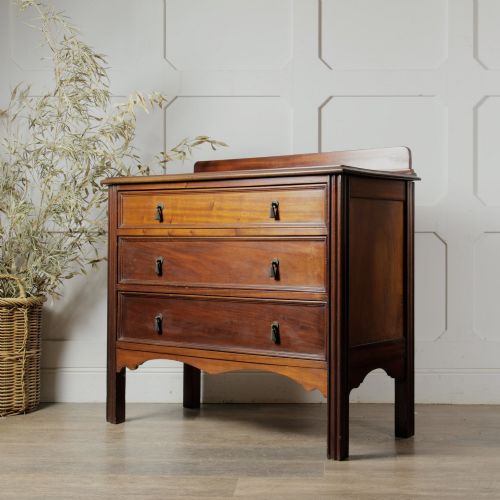
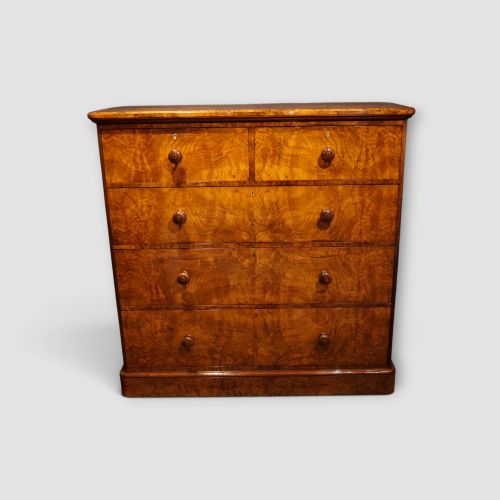
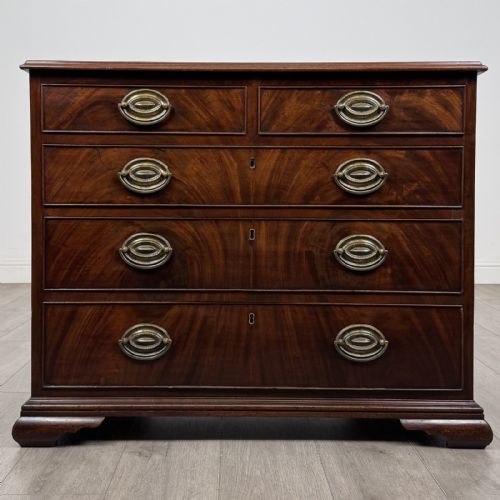
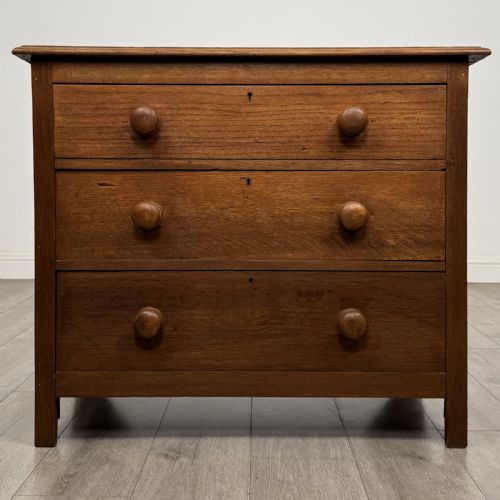
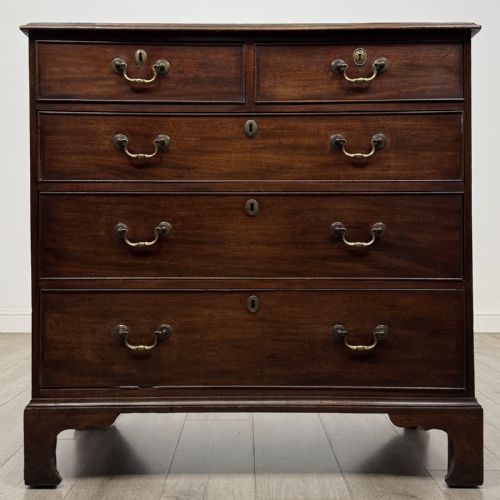
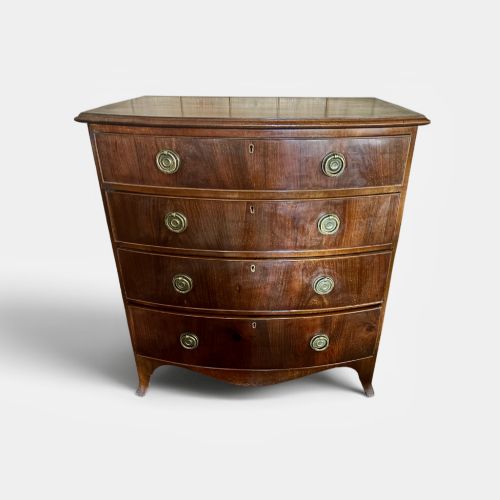
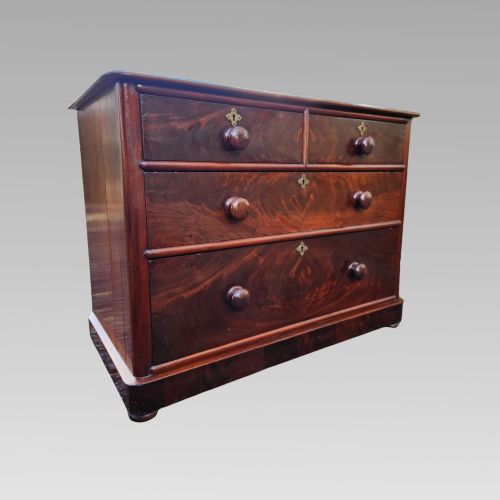
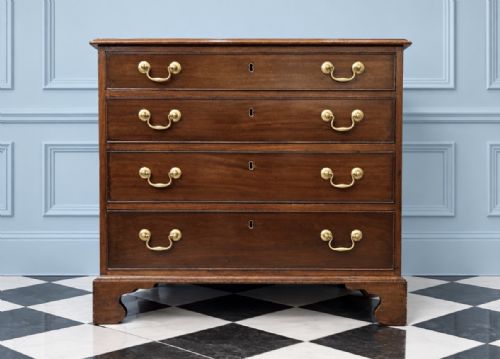
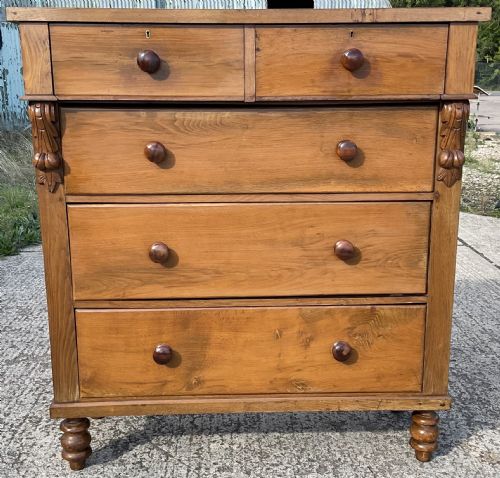
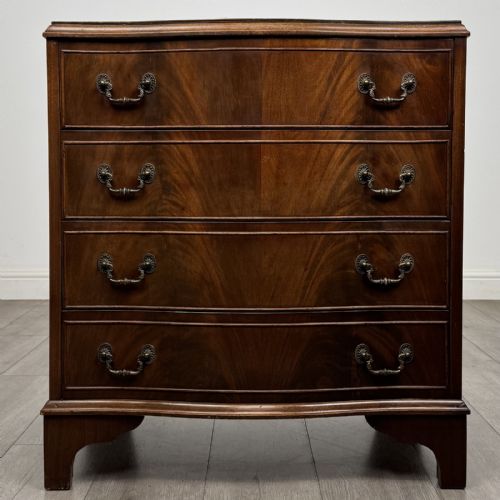
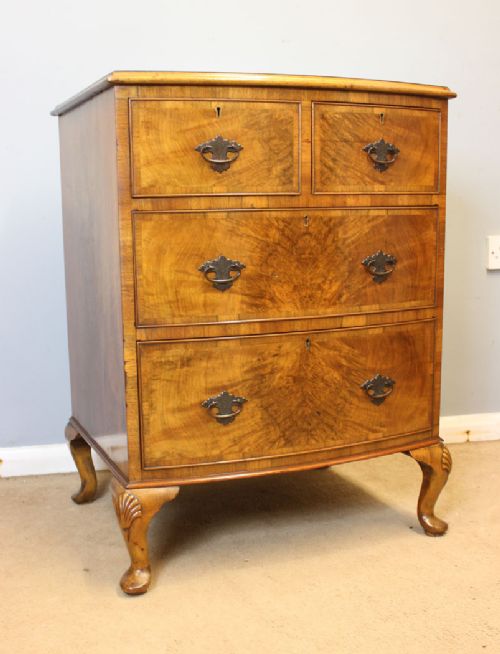
The most common versions on this page are mahogany chests of drawers from the Georgian and Victorian eras, alongside oak, pine, and walnut examples. Pieces range from large proportions down to small bow-front designs and miniature furniture.
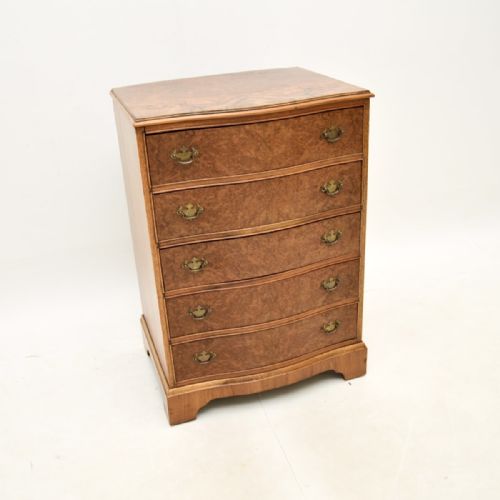
Origins stretch across English country styles, Georgian revivals, and continental pieces such as French rosewood commodes. Forms include straight fronts, serpentine shapes, and pieces fitted with brushing slides or raised galleries.
Materials and Construction
Cabinet makers utilised dense hardwoods such as mahogany, walnut, and burr walnut, alongside domestic timbers including oak, ash, pine, birch, and yew wood. These woods were chosen for stability and grain figure, often finished with brass handles, brass cup handles, or metal fittings.
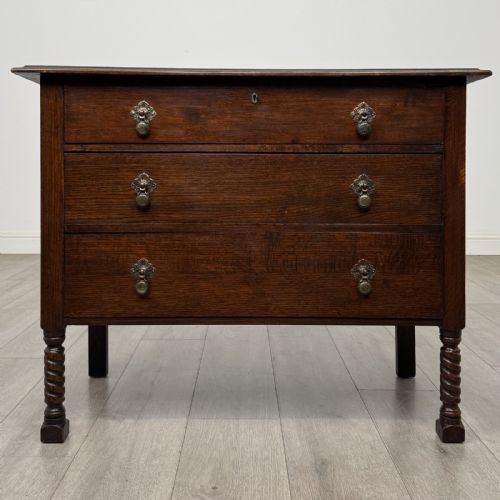
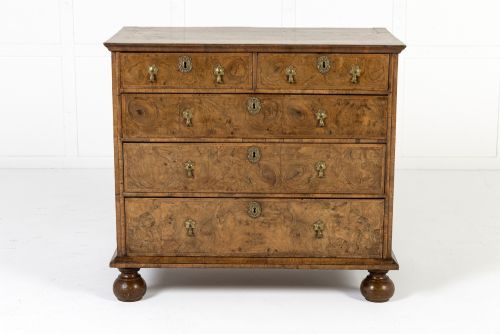
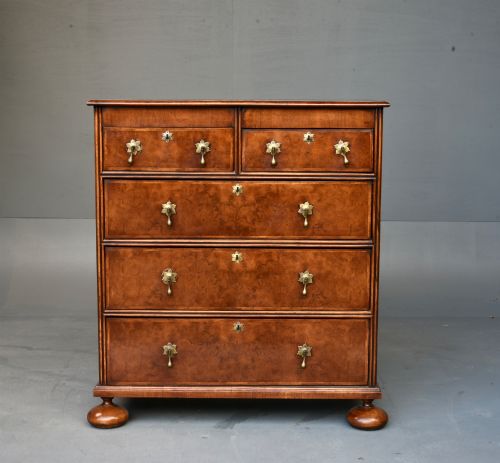
Construction techniques relied on traditional jointing, with drawers frequently arranged in graduated tiers or specific formations like two-over-three configurations. Supports vary from bracket feet and bun feet to turned legs and raised galleries.
Traditional Commode Retail Price Guide 2026
Typical asking prices for traditional commode among the pieces listed under this phrase on Sellingantiques today, from the lower quarter to the upper quarter. They describe what is for sale here now, not the wider market.
Materials span brass and metal hardware paired with mahogany, oak, walnut, pine, ash, and yew wood.
Judging Quality and Character
Quality rests in the selection of timber figures, such as figured walnut or richly grained mahogany, and the crispness of cabinet work. The handling of secondary woods and the retention of original elements like brass hardware shape the integrity of a piece.
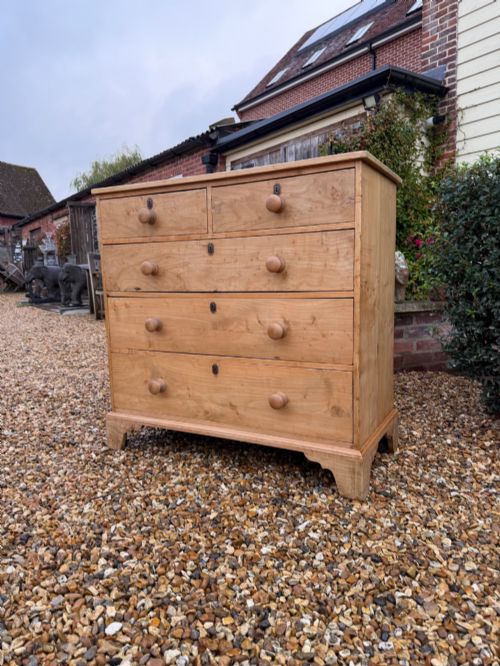
Proportion and scale distinguish fine examples, from small bow-front chests to deep eighteenth-century pieces. The presence of original surface treatments, such as pine with original graining, adds tangible depth to the object.
The Traditional Commode Glossary
- Bow-front
- A cabinet front that curves outward in a convex shape. This profile gained popularity during the Georgian and later periods to soften room lines.
- Brushing slide
- A pull-out shelf integrated above the top drawer. It provided a temporary surface for folding clothes or placing items.
- Bracket foot
- A structural support foot shaped like a bracket, often seen on eighteenth- and nineteenth-century case furniture.
- Serpentine
- A front shape characterised by a central convex curve flanked by concave curves. It requires advanced woodworking skill to execute properly.
- Bun foot
- A spherical or slightly flattened ball foot used to elevate cabinets and chests off the floor.
Traditional Commode: Frequently Asked Questions
What is a traditional commode?
A traditional commode is a storage piece, typically taking the form of a chest of drawers or a small cupboard. These pieces originate from periods spanning the eighteenth to the early twentieth centuries.
They combine practical compartment storage with decorative cabinet work in timbers such as mahogany, oak, and walnut.
How do I date a traditional commode?
Dating relies on observing timber choices, construction methods, hardware, and foot styles. Georgian pieces often display fine mahogany and bracket feet, while Victorian examples frequently utilise pine or stained birch with turned legs.
Later pieces from the early twentieth century often reflect revival styles referencing earlier eras.
Where should I place a commode?
These cabinets suit bedrooms, living rooms, and hallways where surface space and drawer storage are required. Smaller bow-front chests and bedside cabinets fit well in compact rooms.
Larger chests of drawers anchor larger walls while providing substantial enclosed storage.
What woods were used?
Makers constructed these pieces using a wide selection of timbers according to regional traditions and period fashions. Hardwoods such as mahogany, walnut, burr walnut, and yew wood appear frequently.
Domestic woods like oak, ash, pine, and birch were also utilised for both primary surfaces and internal framing.