

Traditional Coat Stand
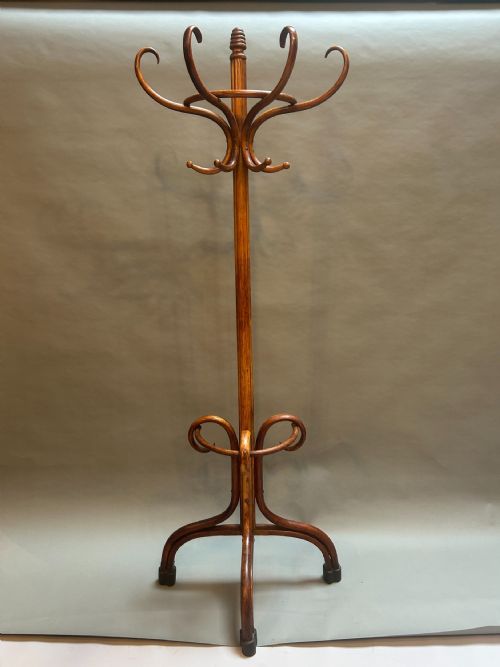
A traditional coat stand anchors the hallway with upright practicality, offering a designated place for hats and outerwear.
Traditional Coat Stand
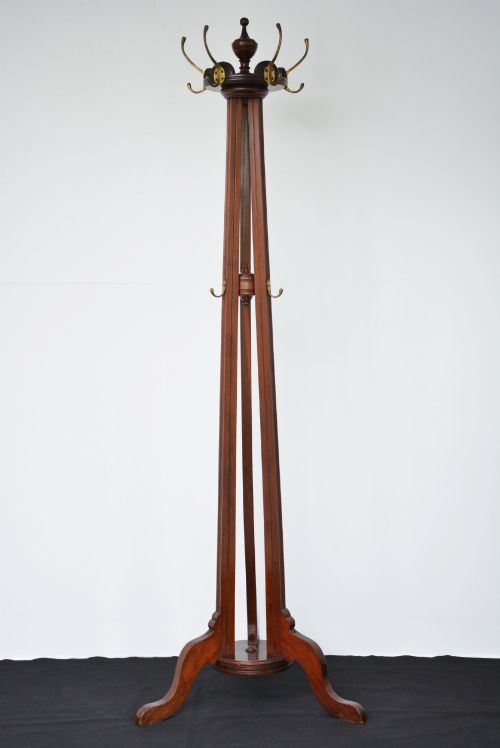
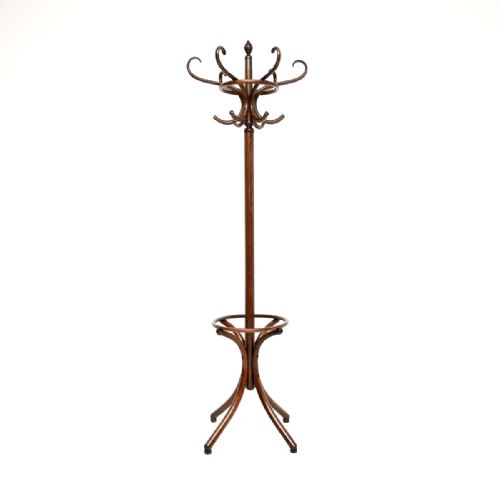
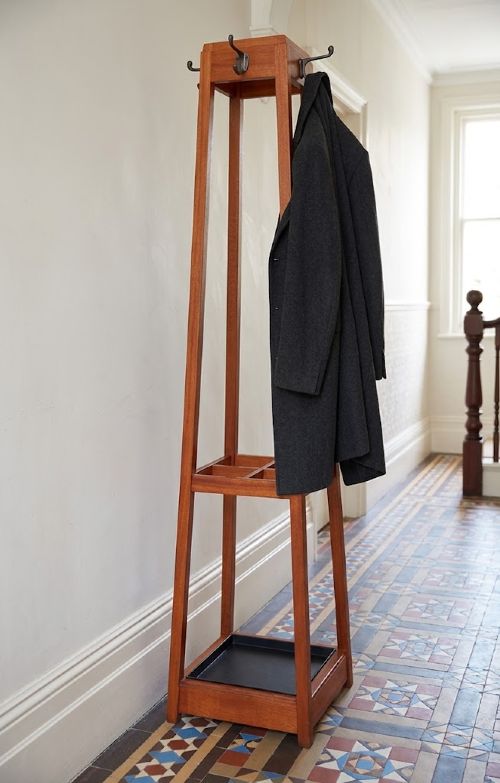
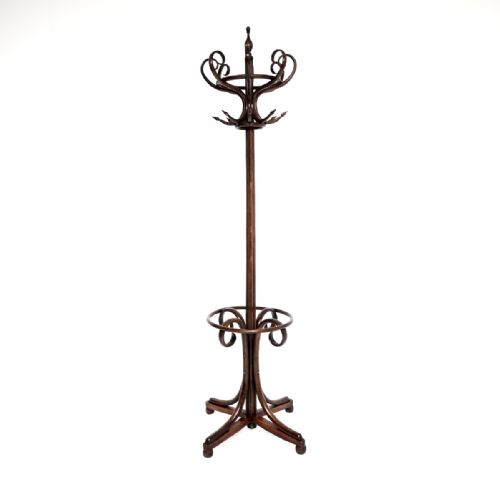
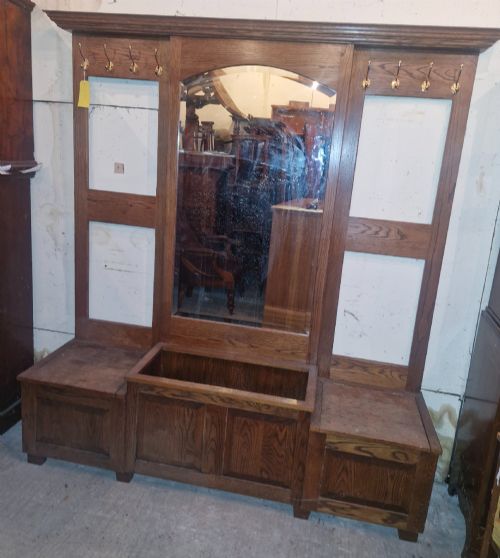
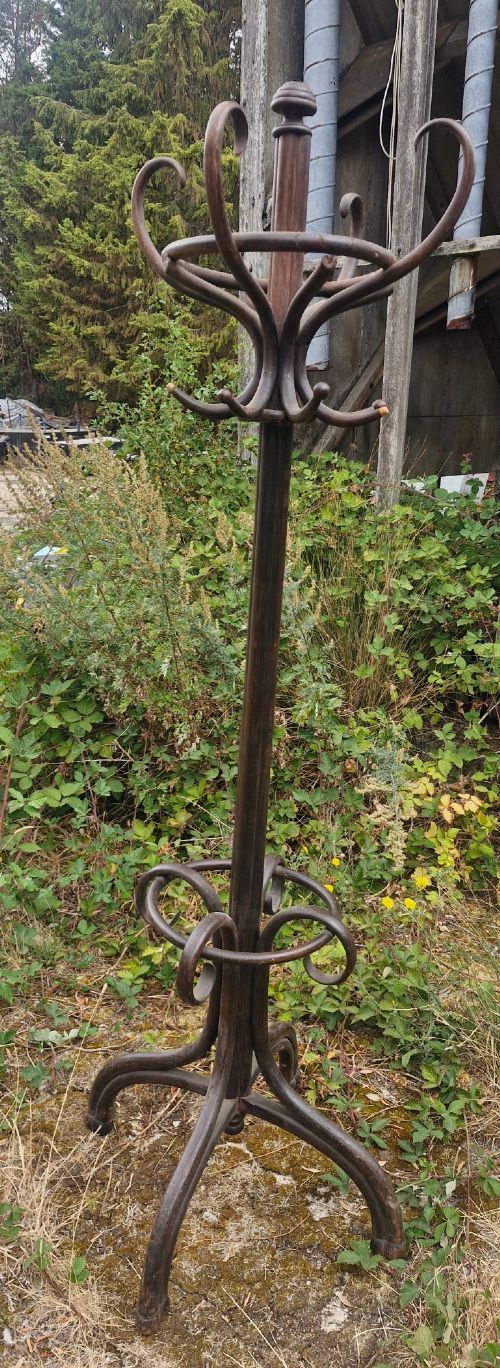
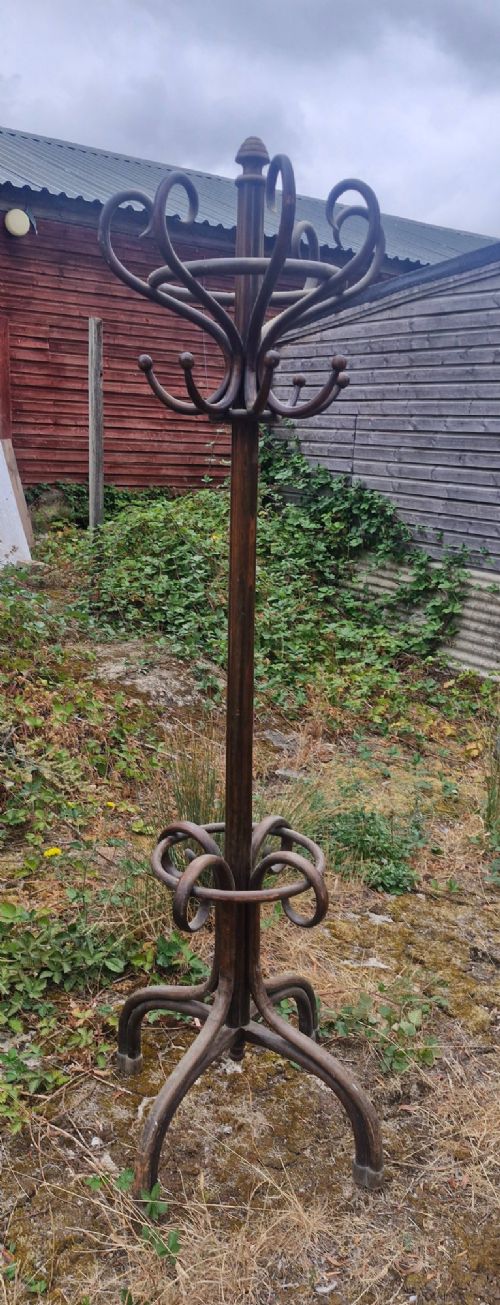
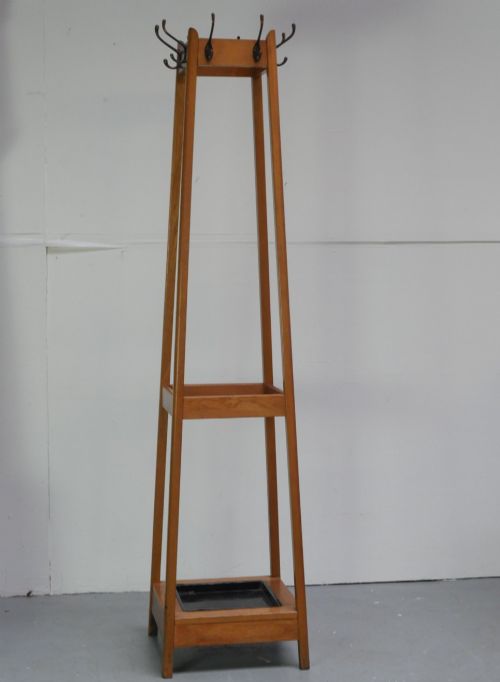
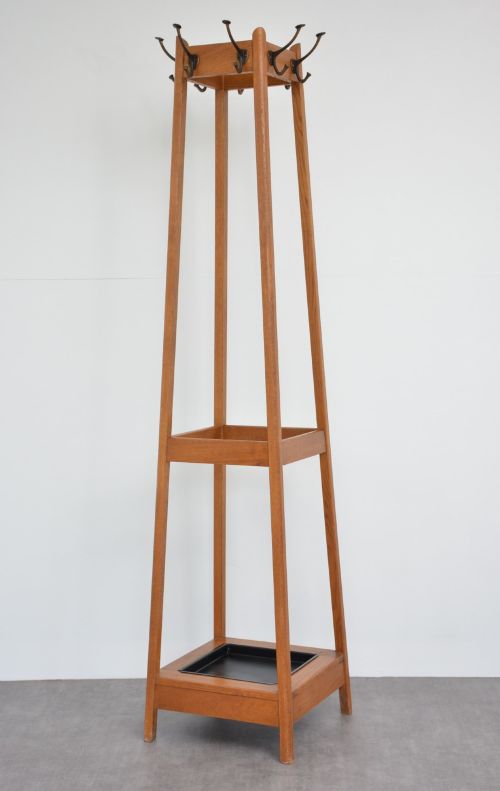
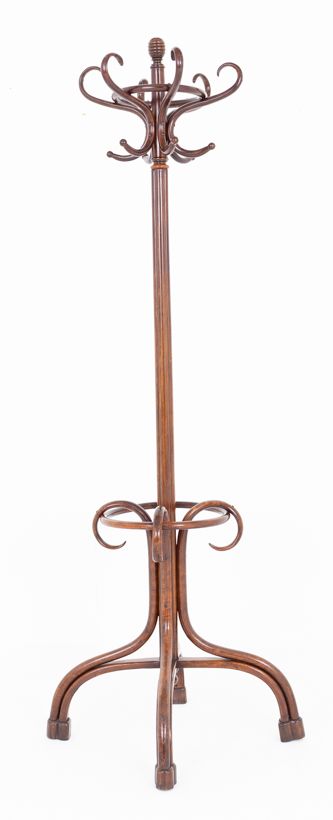
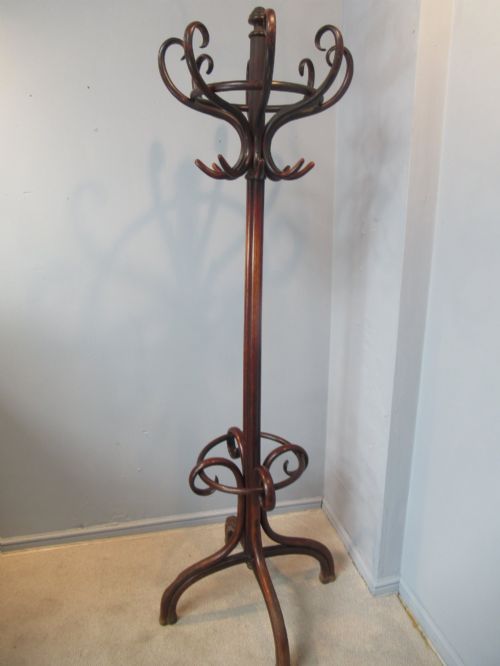
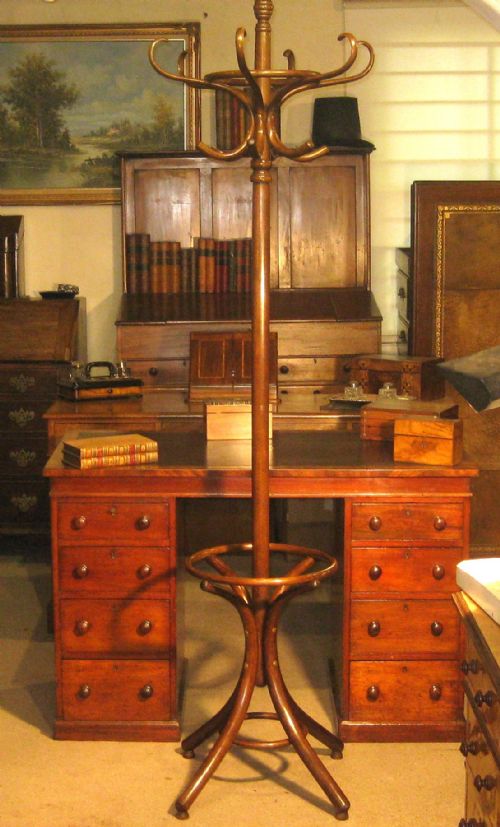
A traditional coat stand serves as a functional piece for the hallway, commonly appearing in bentwood styles constructed from beech, beechwood, or oak. These items range from Victorian and Edwardian examples to early twentieth century designs, frequently incorporating integrated umbrella holders, drip trays, or hall seats.
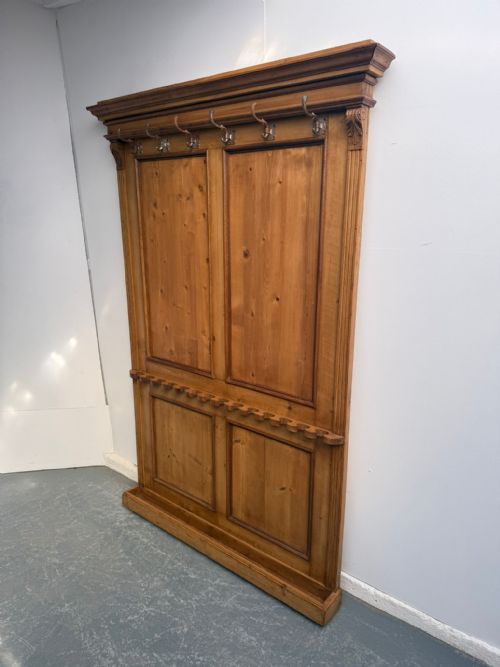
The inventory on this page shows pieces originating from the nineteenth century through to the mid-twentieth century, encompassing revolving hatstands, wall standing designs, and multi-functional hall stand combinations. Buyers will encounter robust oak frames alongside lighter bentwood silhouettes.
Styles span from plain Victorian country utility to elaborate Arts and Crafts and Thonet style production. Many selections function as combined coat racks and hall trees, offering hooks and storage tailored for domestic entryways.
Materials and construction methods
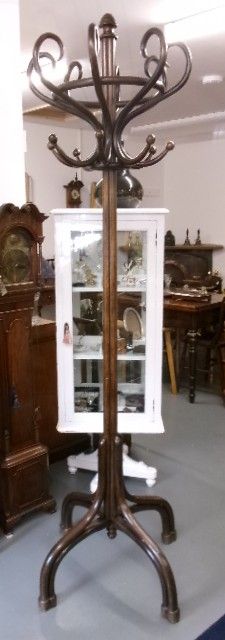
Construction relies heavily on steam-bent beech and solid hardwoods like oak, mahogany, and walnut, shaped to create upright posts and curved hanging hooks. Makers utilised traditional joinery alongside bentwood steam-forming techniques to achieve the characteristic rounded profiles.
Metal components such as brass and iron appear in structural supports, integrated drip trays, and hanging hooks, providing durability for heavy garments. Lacquered and polished finishes protect the timber surfaces while highlighting the natural grain of the oak and mahogany.
Some tall bentwood designs feature revolving tops, allowing guests to spin the entire hat rack in search of their missing muffler.
Distinctions in construction and design
Quality separates mass-produced utility items from substantial pieces through the choice of timber and the complexity of the frame. Solid oak, walnut, and mahogany structures demonstrate greater heft than lighter pine or basic beech alternatives.
The sophistication of the turning, the presence of integrated storage such as cupboards or umbrella racks, and the execution of steam-bent curves define the upper tier of these hallway furnishings.
Jas. Shoolbred
The Traditional Coat Stand Glossary
- Bentwood
- Wood formed into curved shapes by the application of steam, commonly utilised in nineteenth and twentieth century furniture production. This technique allows for lightweight yet sturdy upright frames.
- Hall Stand
- A multi-functional piece of hallway furniture combining coat hooks, umbrella holders, and frequently a mirror or seat. These items served as central organizational units in period homes.
- Demi Lune
- A half-moon shape used to describe furniture designed to sit flush against a wall. This profile saves floor space in narrow hallways.
- Stick Stand
- A dedicated receptacle for walking sticks and umbrellas, often featuring a metal drip tray at the base. They stand independently or form part of a larger hall stand.
Traditional Coat Stand: Frequently Asked Questions
How do I choose the right coat stand?
Consider the available floor space in your hallway and whether you require integrated storage such as an umbrella holder or a seat. Bentwood designs offer a lighter footprint, while oak hall stands provide substantial storage.
Measure the height of your space to ensure adequate clearance, particularly for revolving or tall upright models.
Where were these stands placed?
These pieces were traditionally positioned in entrance halls, vestibules, or corridors to receive outdoor garments upon entry. Their placement allowed family members and guests to deposit hats, coats, and umbrellas immediately.
Integrated drip trays protected wooden flooring from wet weather accessories.
How do I clean a wooden coat stand?
Maintain the timber surfaces with a soft, dry cloth to remove dust and preserve the polished finish. Avoid using harsh chemical sprays that might strip the original polish.
Periodically nourish solid oak or mahogany with appropriate furniture wax to keep the wood from drying out.
Are these stands suitable for modern hallways?
Their vertical orientation makes them well-suited for contemporary spaces where floor area is at a premium. They provide practical hanging storage without requiring permanent wall fixtures.
Victorian and Edwardian designs introduce textural contrast and historical character to modern interiors.