



Traditional Chinese Seat
These traditional chinese seat options bring centuries of craftsmanship into modern rooms, offering enduring utility and distinct form.
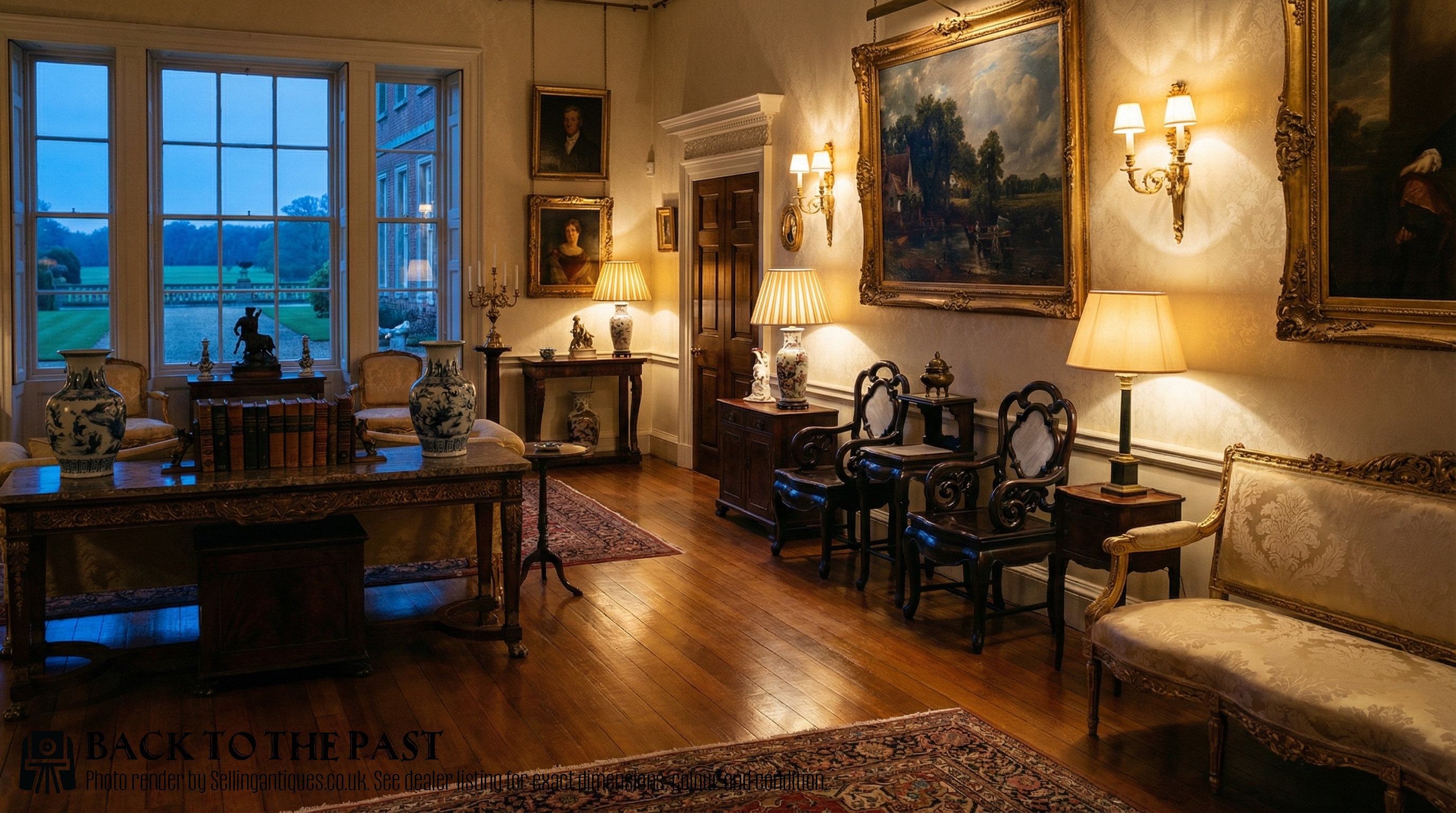
Traditional Chinese Seat
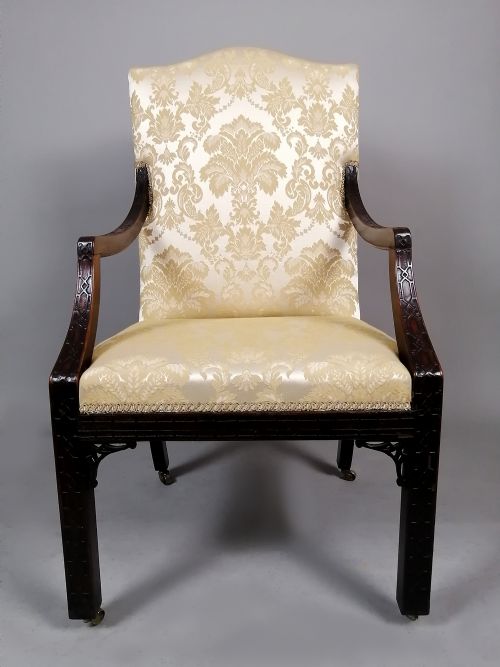
A traditional chinese seat encompasses armchairs, benches, stools, and dining chairs originating from periods spanning the eighteenth century through the early twentieth century.
Buyers most frequently encounter nineteenth-century elm and hardwood armchairs, alongside benches, settles, and throne chairs shaped by Qing Dynasty and regional aesthetic traditions.
The selection ranges from robust rustic stools to elaborate lacquered hall furniture and matching seating suites built for formal interiors.
Materials and Construction
Carpenters utilised dense native timbers such as elm, hongmu, huanghuali, and general hardwoods, often joining structural elements without metal fasteners.
Surface finishes include applied lacquer, gold leaf, and brass inlay, while specific seats incorporate woven cane panels or supporting mat rugs.
Listings span the eighteenth century to the early twentieth century, featuring elm, hardwood, lacquer, and cane across armchairs, benches, and stools.
Craftsmanship and Proportion
The distinction between standard items and superior examples lies in the depth and crispness of hand carving, particularly on crest rails and splats.
Proportion and the integrity of traditional joinery determine structural stability, separating utilitarian workshop output from master-carved throne chairs and bespoke export pieces.
The Traditional Chinese Seat Glossary
- Hongmu
- A dense tropical hardwood utilised in traditional cabinetmaking. It translates literally to red wood and provides exceptional weight and durability.
- Huanghuali
- A prized aromatic rosewood valued for its rich grain patterns and warm hue. Artisans shaped this material into high-status seating during imperial periods.
- Horseshoe chair
- A seating form defined by a continuous curved rail that forms both the backrest and the armrests. This design evolved from earlier nomadic folding stools.
- Qing Dynasty
- The final imperial dynasty of China, lasting from sixteen forty-four to nineteen twelve. Pieces from this era display distinct regional carving styles and formal grandeur.
- Cockpen chair
- An eighteenth-century European interpretation of oriental lattice design. It utilises straight geometric fretwork within the backrest and arm assemblies.
Traditional Chinese Seat: Frequently Asked Questions
How do I identify a horseshoe chair?
Look for a continuous curved wooden rail that sweeps down from the backrest to form the arm supports in one unified circular motion.
These pieces often feature brass reinforcement plates at the key structural joints and a central splat supporting the sitter's back.
Where were elm armchairs used?
Elm armchairs served functional roles within scholars' studies, dining halls, and domestic reception rooms across various Chinese provinces.
Their sturdy construction suited daily use, while red lacquer highlights sometimes added decorative contrast to the natural wood grain.
Can I mix these seats with modern furniture?
The clean architectural lines and rich dark timbers of traditional seating pair naturally with contemporary minimalist interiors and neutral textiles.
Placing a single elm stool or hardwood armchair against a plain wall allows the historic joinery and silhouette to stand out clearly.
What is hongmu wood?
Hongmu is a collective term for various heavy, durable tropical hardwoods prized by traditional cabinetmakers for their deep natural colour.
Objects made from this material maintain exceptional structural rigidity over centuries without requiring modern synthetic adhesives.