





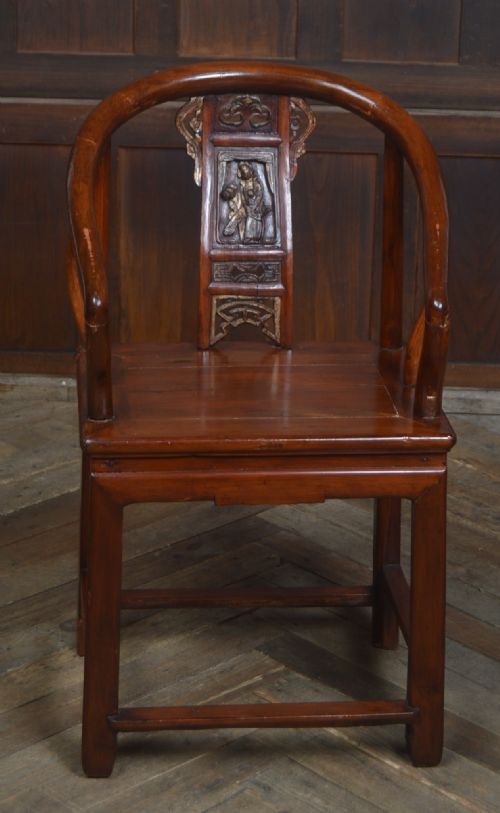


Oriental Arm Chair
An oriental arm chair brings a striking sculptural presence to a room, offering robust construction alongside elaborate carving.
Oriental Arm Chair
When you search for an oriental arm chair, you encounter seating fashioned predominantly from dense timbers like hardwood, elm, rosewood, and padouk. These pieces originate largely from Chinese traditions, spanning Qing Dynasty examples to later 19th century and Edwardian interpretations.
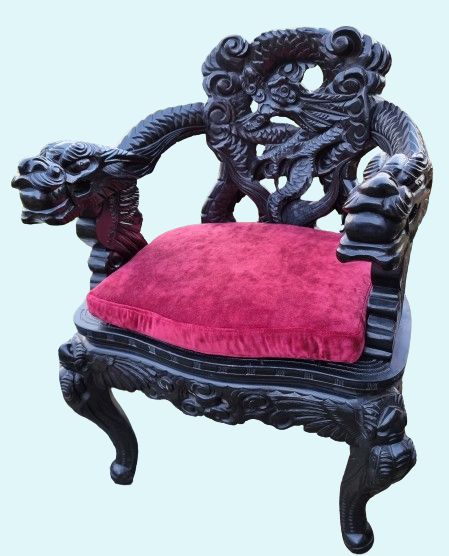
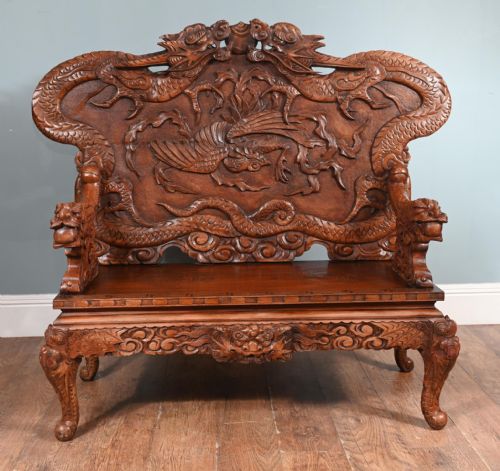
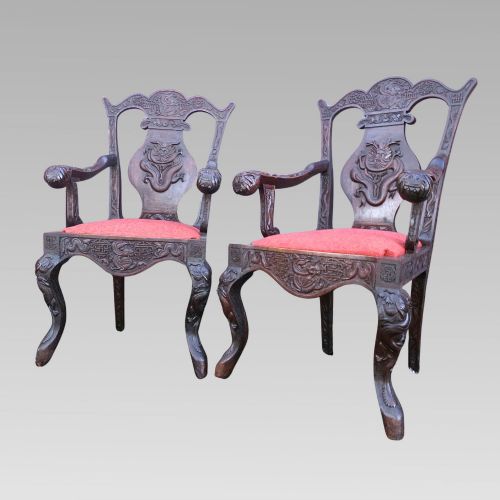
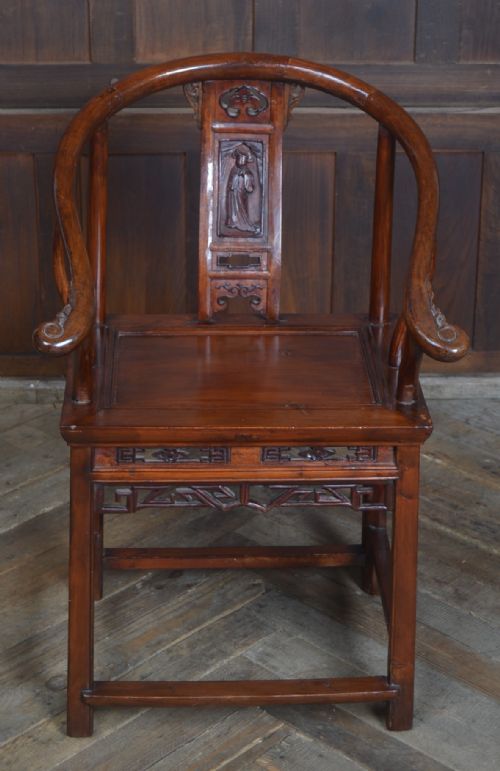
You meet various distinct forms on this page, ranging from standard armchair shapes to horseshoe or wishbone backs and carved dragon benches. The selection includes individual seating as well as matched pairs suitable for formal interiors or studies.
How they were made
Construction relies heavily on traditional joinery applied to heavy hardwoods, teak, and elm, yielding rigid frames designed to endure decades of use. Craftsmen shape these timbers through precise cutting and fitting without relying heavily on modern fasteners.
Surface decoration frequently involves intricate hand carving depicting dragons and traditional motifs, alongside red cinnabar lacquer and black lacquer applications. Certain examples incorporate brass inlay or upholstered pads in fabric and velvet to complement the polished wood.
Oriental Arm Chair Retail Price Guide 2026
Typical asking prices for oriental arm chair among the pieces listed under this phrase on Sellingantiques today, from the lower quarter to the upper quarter. They describe what is for sale here now, not the wider market.
The listings here feature materials including hardwood, elm, lacquer, and rosewood, spanning periods from the 18th century to the Edwardian era.
What varies in quality
The standard of carving dictates much of the visual distinction, with deep, crisp relief work setting superior examples apart from simpler, flatter surfaces. The selection of timber also plays a role, as dense dark hardwoods and well-figured elm display a richer grain and heavier weight than utility woods.
Preservation of original finishes, such as intact lacquer layers and secure brass inlay, determines the integrity of the piece. Well-maintained joinery that retains its structural stability without excessive replacement parts represents the better end of surviving examples.
The Oriental Arm Chair Glossary
- Hardwood
- Dense, slow-growing timber used for structural stability and fine carving. It resists dents and holds intricate details well.
- Elm
- A resilient native timber valued for its distinct grain pattern and elasticity. It often forms the curved elements of chair backs.
- Lacquer
- A durable resin finish applied in multiple layers to seal the wood. It provides a glossy protective surface often seen in red or black.
- Horseshoe back
- A continuous curved top rail sweeping down to form the armrests. This ergonomic shape supports the upper body.
- Cinnabar
- A red mineral pigment mixed into lacquer coats. Carvers cut through the layered depths to reveal intricate patterns.
Oriental Arm Chair: Frequently Asked Questions
How do I identify a lacquer finish?
A lacquer finish presents a smooth, hard surface built from multiple resin layers applied to a wooden core. It often appears in deep red cinnabar or black tones.
This technique protects the underlying timber while allowing for intricate surface carving. Over time, genuine lacquer develops a soft, mellow sheen rather than a plastic gloss.
Where were these armchairs used?
These armchairs served various roles within traditional domestic and scholarly settings. They functioned as seating for officials, scholars, and wealthy households.
Later Victorian and Edwardian examples often found places in European studies, halls, and drawing rooms as decorative occasional seating. Their robust build suited both daily utility and formal display.
How do I care for hardwood furniture?
Hardwood furniture requires stable environmental conditions away from direct heat sources and drastic humidity changes. Maintaining consistent room temperature prevents the timber from splitting or warping.
Dusting with a soft, dry cloth preserves the polished surface and lacquer layers. Avoid harsh chemical cleaners that strip the natural oils and dry out the wood.