





Traditional Chinese Lamp Base
These traditional chinese lamp base examples bring hand-painted porcelain and bronze into modern interiors.
Traditional Chinese Lamp Base
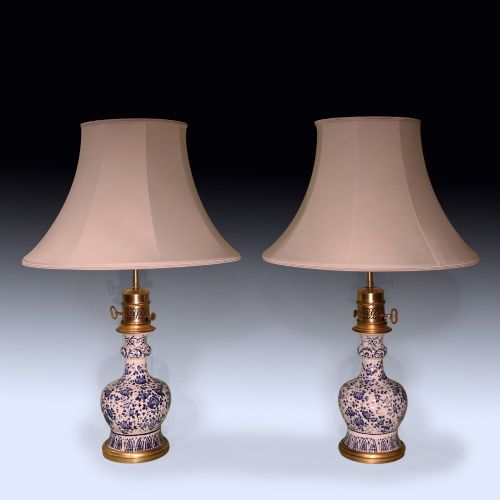
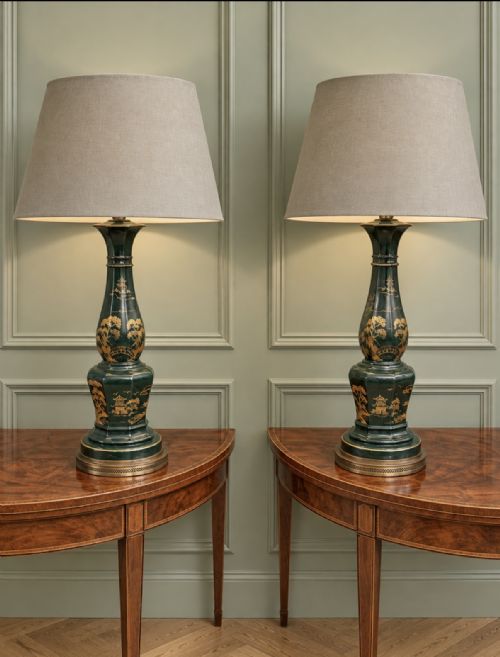
When you search for a traditional chinese lamp base, you find table lamps created from converted 19th century vessels, Edwardian pieces, and early twentieth century porcelain. The selection relies heavily on ginger jars, baluster vases, and twin handled vessels mounted for electrical use.
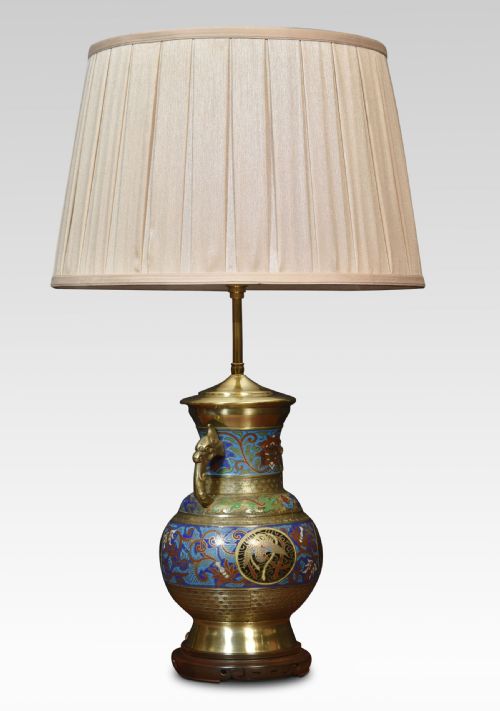
You meet a high proportion of porcelain forms decorated in the Famille Rose, Famille Verte, and blue and white palettes alongside cloisonné enamel and bronze bodies. These objects bridge Far Eastern export production with Western domestic lighting traditions.
How They Were Made
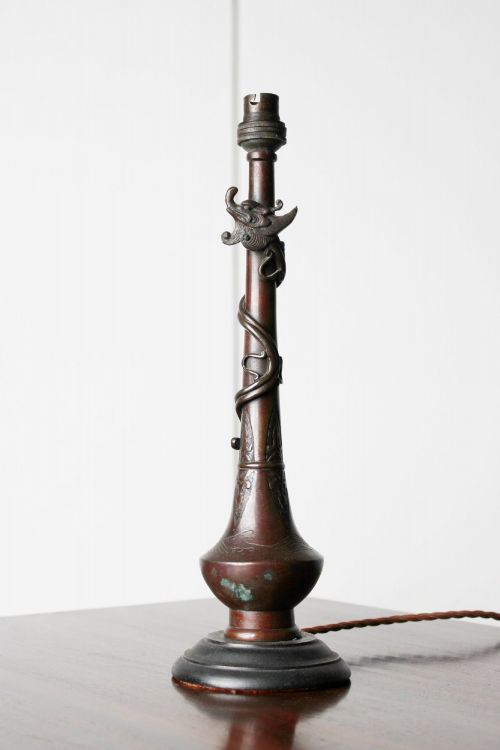
Makers utilised high-fired ceramic bodies, including celadon and flambe glazes, decorated with hand-painted mineral pigments or inlaid with wire cloisonné enamel on brass and copper foundations. Many incorporate cast bronze fittings and wooden mounts suited to domestic tabletops.
Conversion from vases and jars into lamps involved drilling ceramic or metal bases to accommodate electrical wiring while retaining the original decorative surface and glaze integrity.
Traditional Chinese Lamp Base Retail Price Guide 2026
Typical asking prices for traditional chinese lamp base among the pieces listed under this phrase on Sellingantiques today, from the lower quarter to the upper quarter. They describe what is for sale here now, not the wider market.
Current listings feature materials including porcelain, bronze, brass, copper, wood, enamel, and silk across the nineteenth and early twentieth centuries.
What Varies in Quality
The distinction between ordinary and superior examples lies in the crispness of the hand-painting, the depth of the porcelain glaze, and the intricacy of the cloisonné wirework. Early nineteenth century pieces generally display more refined detail than later twentieth century adaptations.
The harmony of the conversion matters greatly, particularly how well the electrical fittings complement the original bronze, brass, or wooden elements without compromising the antique vessel.
The Traditional Chinese Lamp Base Glossary
- Famille Rose
- A palette of opaque pink and rose enamel colours introduced to Chinese porcelain during the Qing Dynasty. It allows for subtle shading and detailed floral motifs.
- Cloisonné
- An enamelwork technique where metal wire is soldered to a brass or copper base to form compartments filled with coloured paste and fired. This creates distinct cellular patterns.
- Baluster
- A vase shape with a rounded body that tapers towards the neck and flares at the base. It provides a stable and balanced profile for table lamps.
- Celadon
- A pale green jade-like glaze achieved through iron oxide in the reduction kiln firing. It offers a subtle, translucent finish on heavy porcelain.
Traditional Chinese Lamp Base: Frequently Asked Questions
Are these lamps converted from old vases?
Many traditional chinese lamp base examples were originally porcelain vases, ginger jars, or cloisonné vessels that were subsequently adapted for electrical lighting during the nineteenth and early twentieth centuries.
This conversion process typically involved mounting the ceramic or metal body onto a custom base and drilling the lower section to run the cord.
How do I date a lamp base?
Dating relies on examining the characteristics of the ceramic body, the style of the hand-painted decoration, and the metal components such as brass or bronze mounts. Pieces range from nineteenth century export wares to early twentieth century productions.
Context from the associated wiring methods and wooden elements can also provide clues to the period of conversion.
Where should I place one?
These lamps suit side tables, halls, and sitting rooms where their height and decorative surfaces can act as focal points. Their substantial porcelain or bronze bodies require sturdy furniture.
Pairing them with appropriate silk or fabric shades balances the visual weight of the ceramic or cloisonné base.