


Traditional Central Asian Carpet
A traditional central asian carpet brings the geometric richness of nomadic weaving into a modern interior through enduring tribal artistry.
Traditional Central Asian Carpet
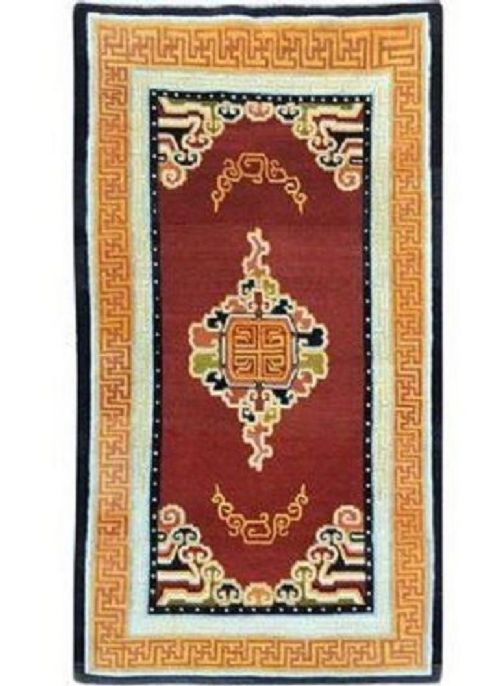
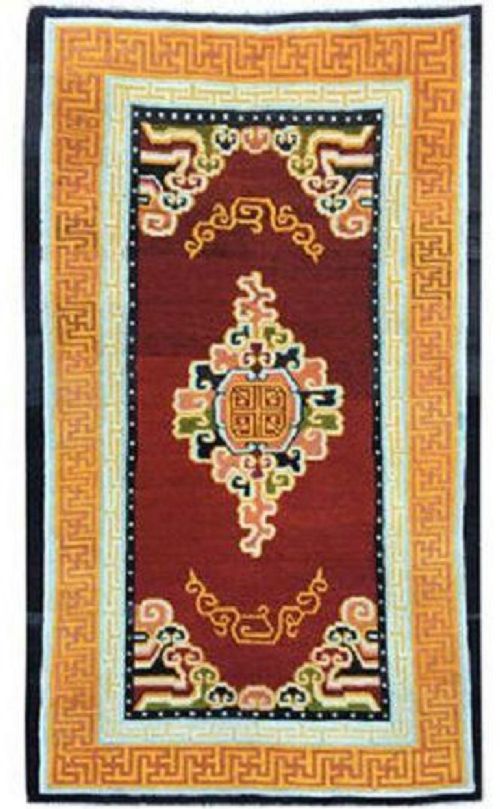
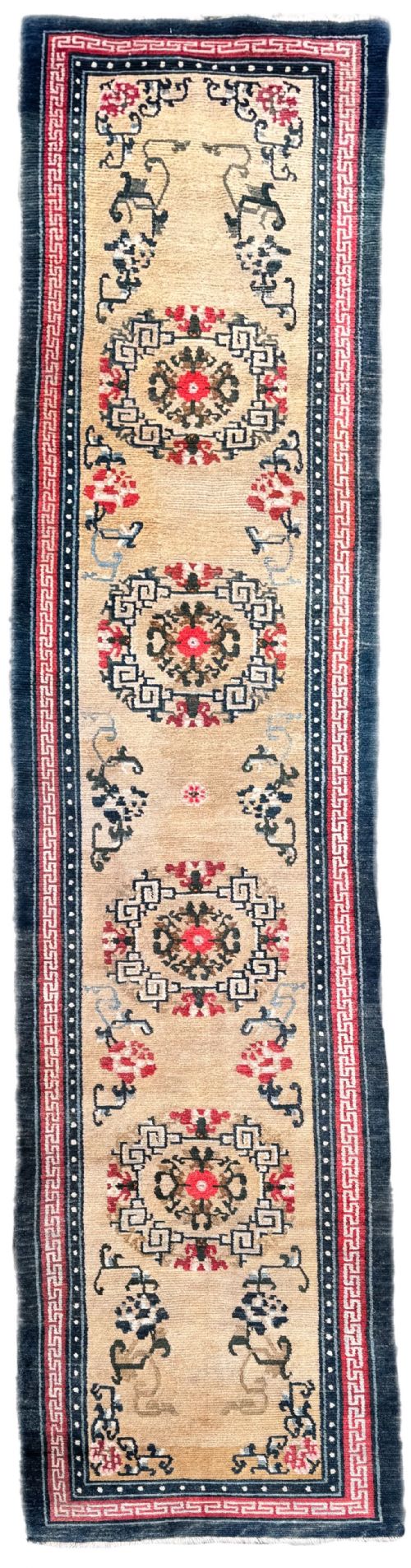
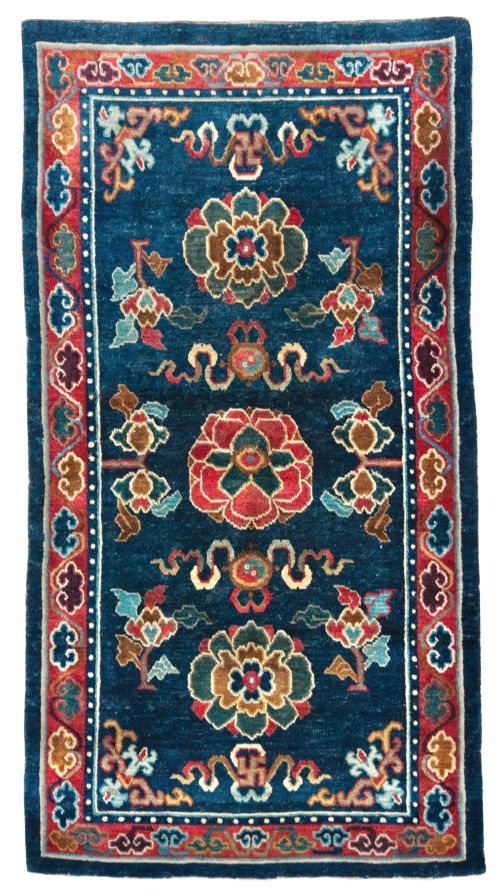
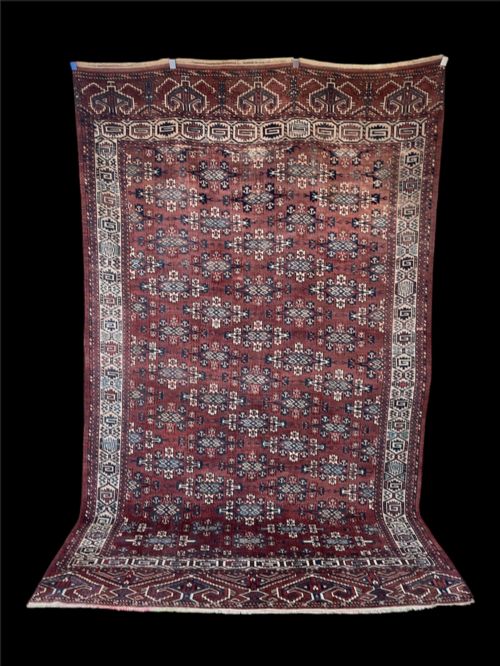
A traditional central asian carpet encompasses woven floor coverings and decorative hangings created by tribal groups across Turkmenistan, Uzbekistan, Afghanistan, and Tibet. These textile works emerge from centuries of nomadic craft traditions, serving practical domestic functions as well as marking important life events.
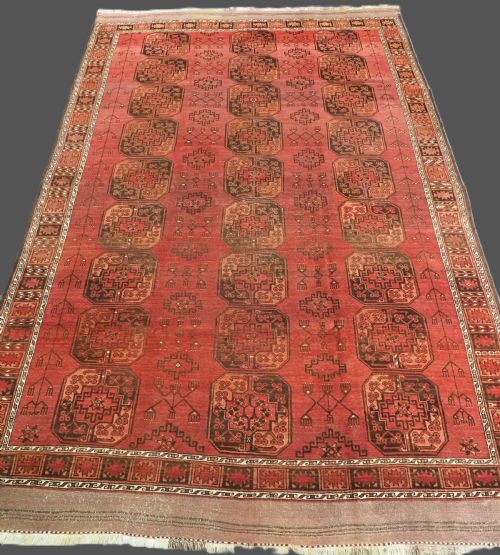
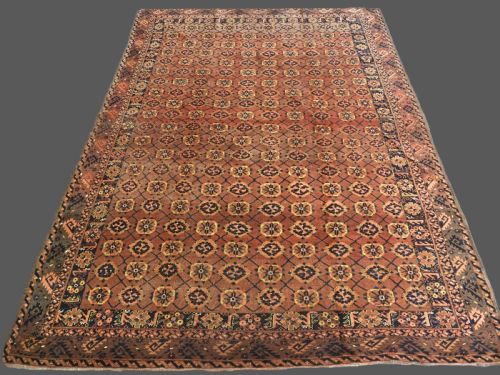
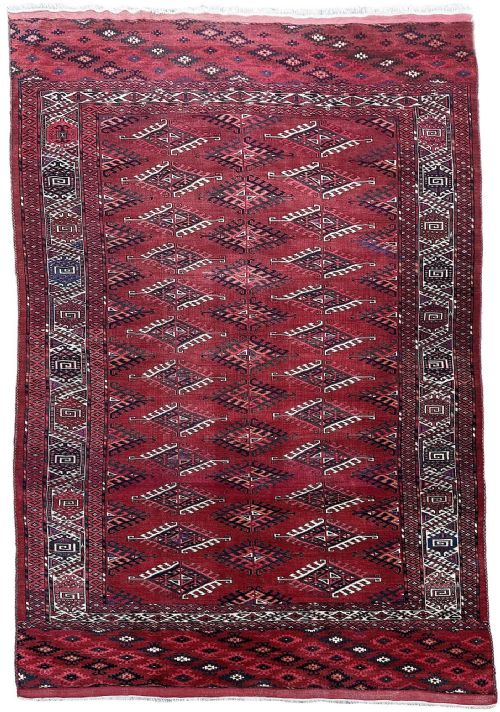
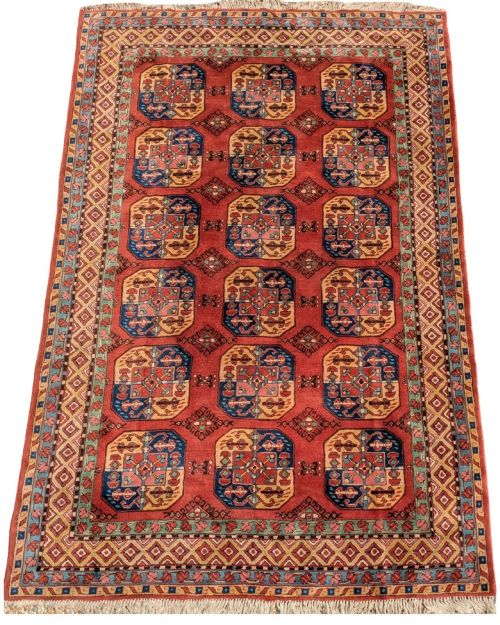
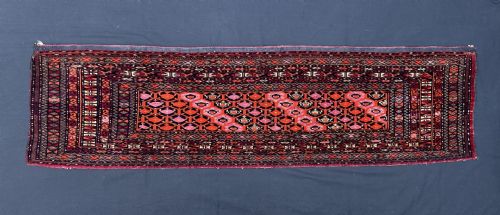
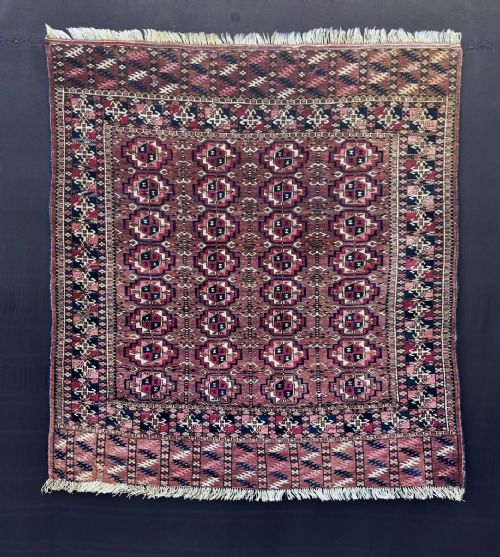
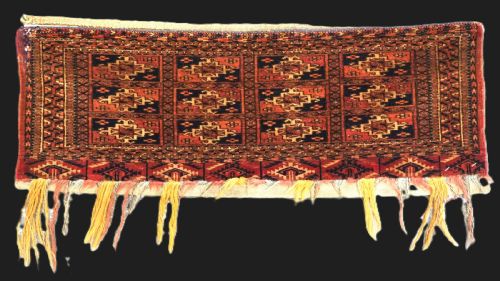
The pieces met most frequently on this page include tribal rugs, tent bags, main carpets, and specialised prayer or wedding rugs dating from the nineteenth and early twentieth centuries. Specific regional groups such as the Yomut, Tekke, Ersari, and Kizyl Ayak produce distinct geometric motifs that define this category.
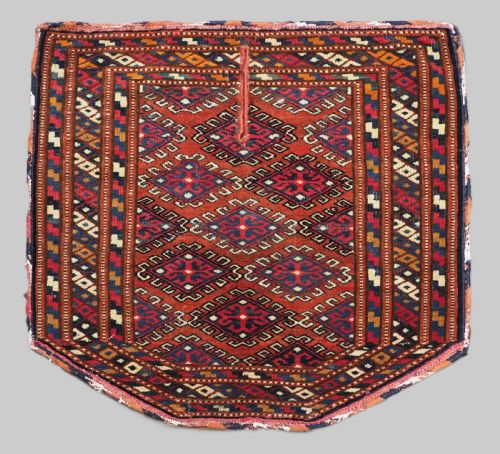
Beyond standard floor rugs, the selection includes smaller utilitarian formats like torbas, asmalyks, and saddle covers alongside flat-woven kilims. Each form reflects the specific cultural requirements of the weaving communities that produced them.
How they were made
Makers utilised hand-spun wool as the primary foundation and pile material, occasionally incorporating cotton, silk highlights, goat hair, or horsehair for specific structural or decorative effects. Natural dyes provide the enduring palette, anchoring the deep reds, browns, and contrasting accents seen across the region.
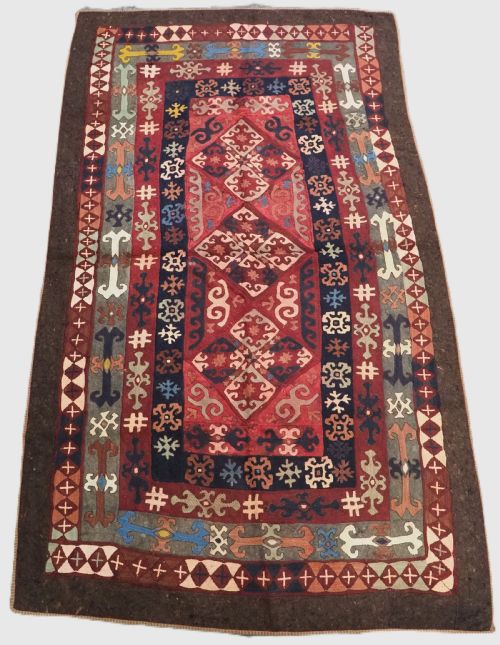
Certain examples incorporate embroidered felt or flat-weave kilim techniques alongside traditional knotted pile construction. These diverse methods result in varied surface textures, from heavy floor carpets to delicate tent trappings and hanging bags.
Several pieces preserve their original plain-weave backs, having survived a century of nomadic transit completely intact.
What varies in quality
The refinement of the weave determines much of the visual impact, with tighter knot counts allowing for sharper execution of complex geometric guls and secondary motifs. Examples produced with particularly fine hand-spun wool and deeply saturated natural dyes demonstrate superior material selection.
Structural completeness also influences the character of a piece, particularly in surviving nomadic items that retain original plain-weave backs or complete borders. The precision of tribal design layout and the clarity of colour distribution separate standard domestic work from master tribal examples.
The Traditional Central Asian Carpet Glossary
- Gul
- A primary medallion motif used repeatedly across Turkmen and Central Asian carpets. These octagonal or gabled forms often identify the specific tribe or clan responsible for the weaving.
- Torba
- A small tent bag traditionally hung against the interior lattice walls of a yurt for storage. These face pieces feature formal tribal designs and robust knotting.
- Engsi
- A specialised carpet type hung over the doorway inside a yurt, featuring a quartered design separated by a candelabra motif. They served a protective threshold function in nomadic dwellings.
- Asmalyk
- A pentagonal trapping mounted on the flank of a camel during traditional wedding processions. These decorative textiles display elaborate tribal symbolism.
- Kilim
- A flat-woven textile produced without a pile, resulting in a lightweight reversible fabric. Central Asian versions frequently employ banded or geometric patterns.
Traditional Central Asian Carpet: Frequently Asked Questions
What is a traditional central asian carpet?
A traditional central asian carpet is a hand-woven textile originating from nomadic or village communities in regions such as Turkmenistan, Uzbekistan, and Tibet. These works are defined by durable wool construction and repeating tribal motifs.
Weavers utilised local materials and natural colorants to produce durable floor coverings and domestic furnishings that reflect specific regional heritage.
How were these carpets used originally?
Nomadic families used these textiles for daily floor insulation, sleeping arrangements, and cargo transport across rugged terrain. Specialised formats also lined the interior walls of yurts or marked ceremonial occasions.
Items such as tent bags and doorway hangings fulfilled practical storage and architectural roles within traditional portable dwellings.
How do I identify tribal designs?
Tribal designs are typically distinguished by repeating geometric emblems known as guls, which vary from one clan to another. Different regional groups such as the Tekke, Yomut, and Ersari developed recognizable structural layouts and colour palettes.
Examining the border ornaments and secondary motifs helps connect a piece to its specific geographic origin and weaving tradition.
How should I care for an antique rug?
Antique wool textiles require gentle maintenance, beginning with regular light vacuuming without a rotating power brush. Professional specialist cleaning ensures that natural dyes and historic foundations remain protected over time.
Keeping the textile out of direct, harsh sunlight prevents the fading of natural plant-based dyes while preserving the integrity of the wool pile.