


Traditional Caucasian Woven Rug
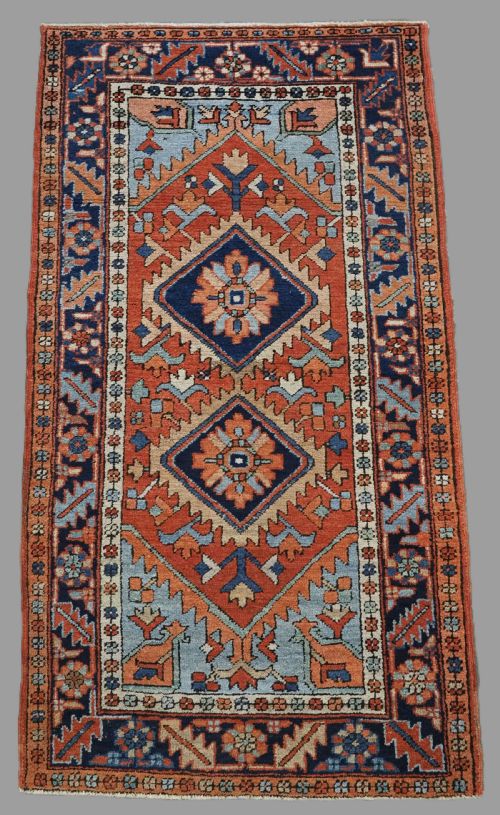
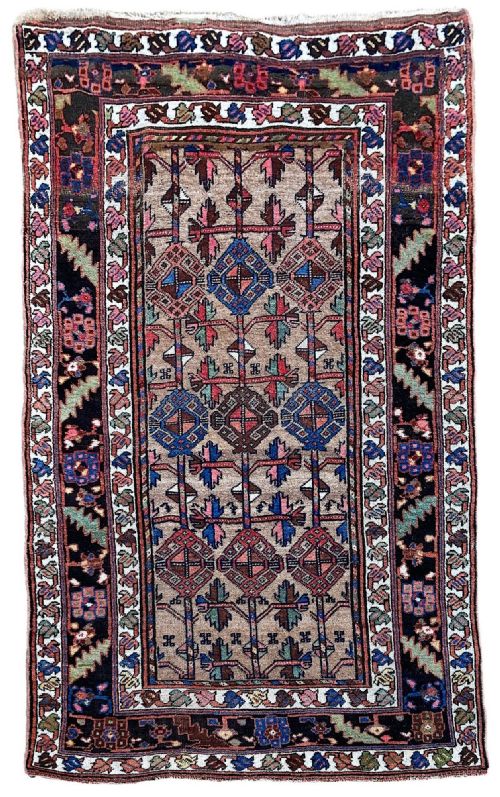
A traditional caucasian woven rug brings geometric energy and rich history into a room through authentic tribal symbolism.
Traditional Caucasian Woven Rug
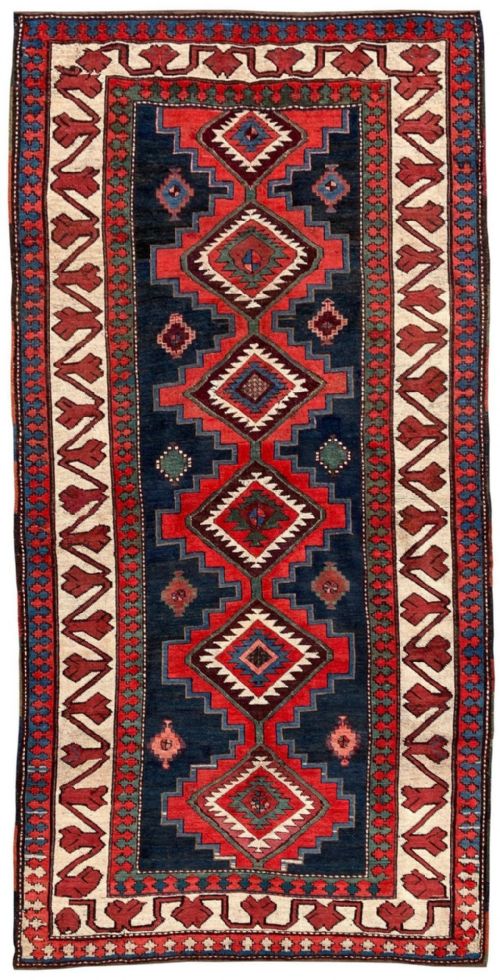
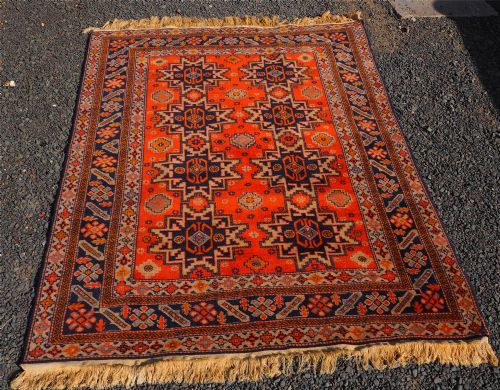
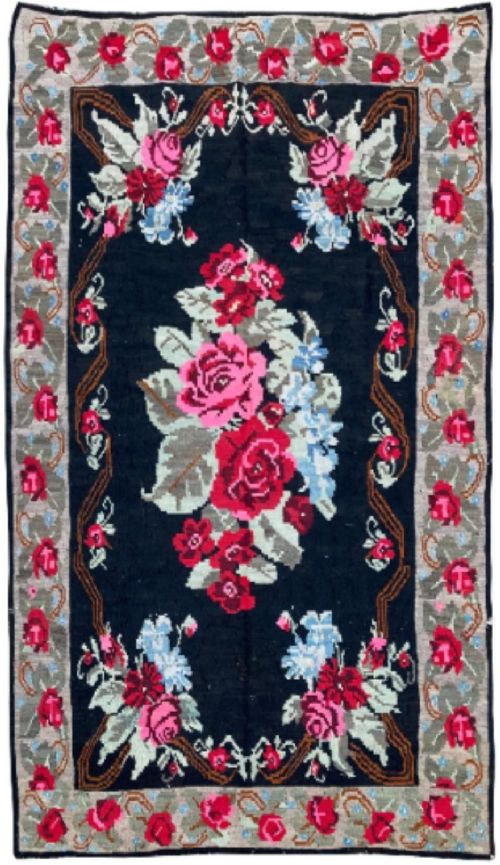
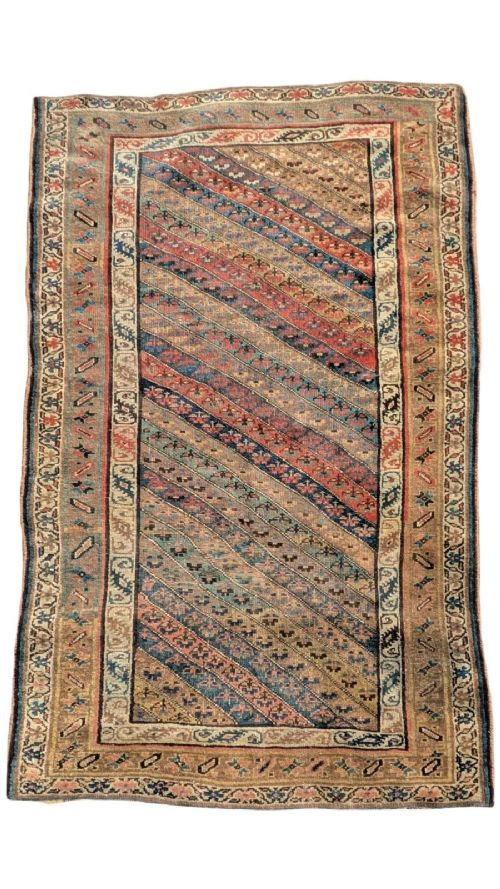
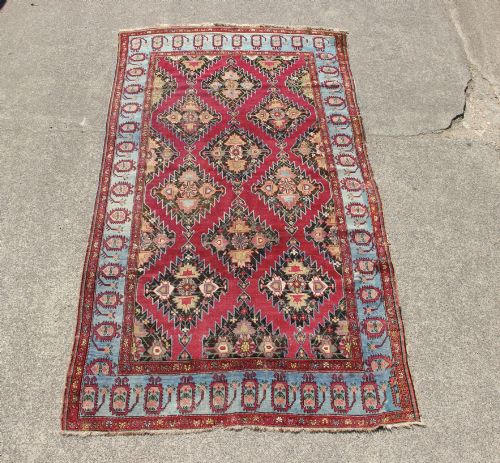
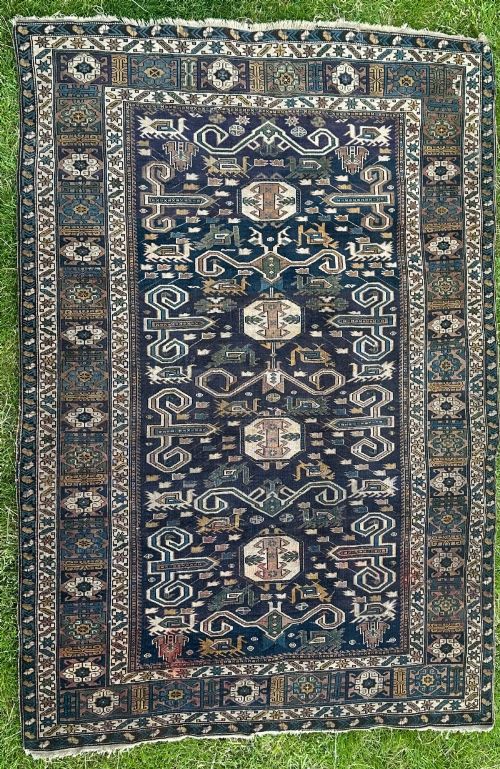
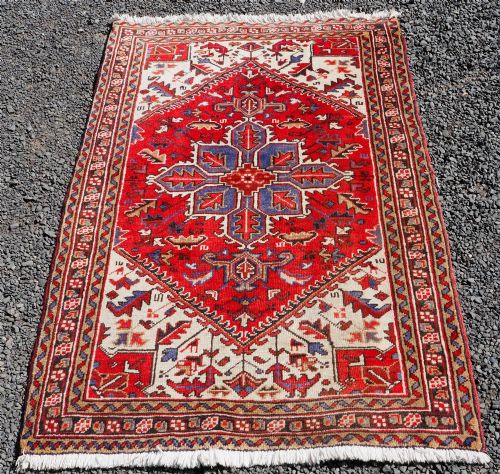
A traditional caucasian woven rug is a floor covering originating from the Caucasus region, encompassing styles from tribal workshops and nomadic weavers. These textiles appear primarily as rugs, carpets, runners, and flat-weave kilims dating from the mid-nineteenth century through the early twentieth century.
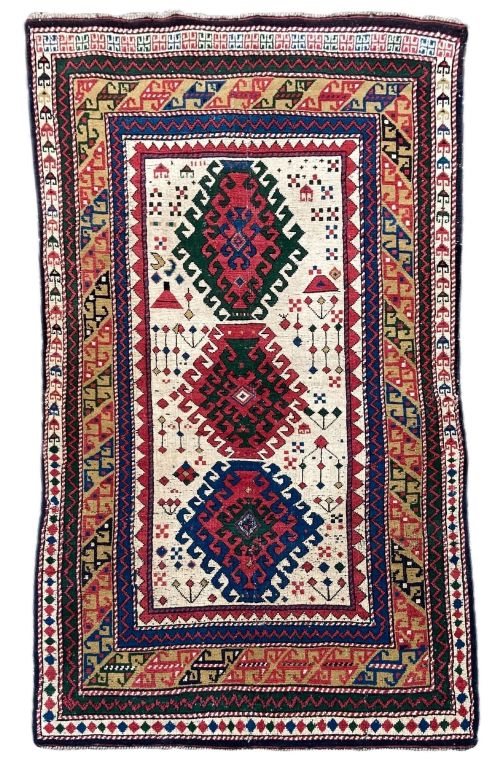
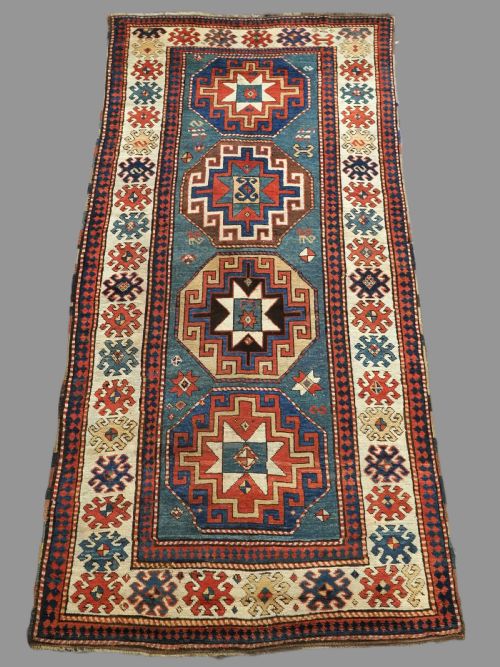
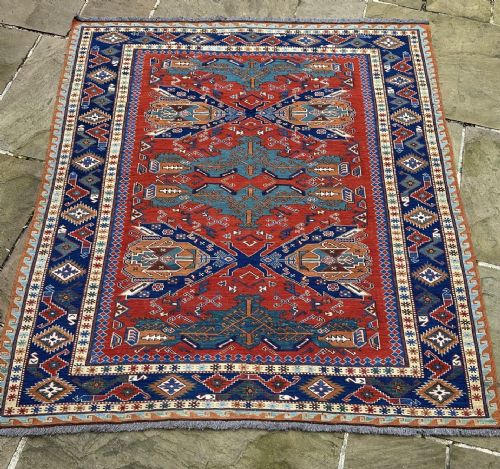
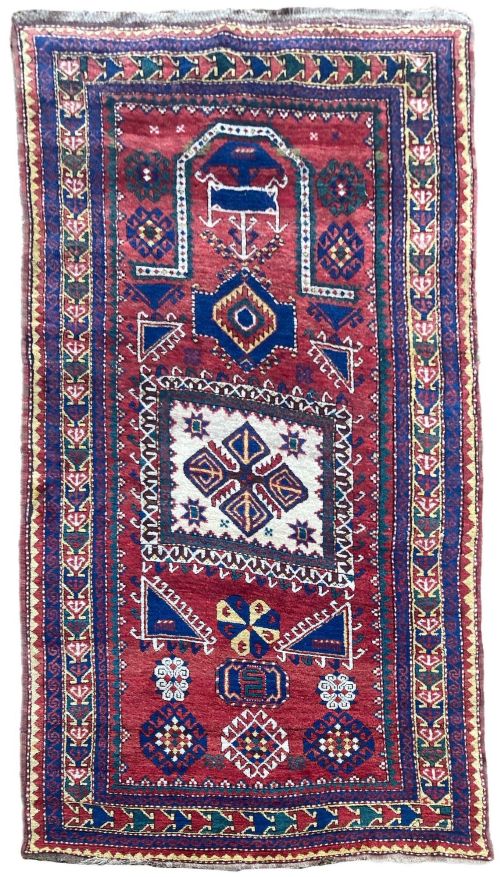
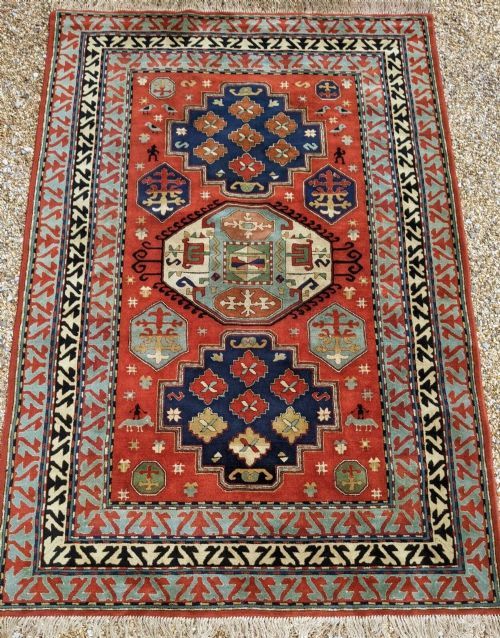
The pieces on this page span distinct regional identities such as Kazak, Karabagh, Shirvan, and Kurdish groups. Buyers meet geometric prayer rugs, village carpets, and runner formats displaying animal motifs, traditional guls, and distinctive field patterns.
How They Were Made
Weavers constructed these textiles using hand-spun wool and cotton foundations, employing hand-knotting techniques alongside flat-weave methods like sumac and kilim construction. Natural dyes provided the characteristic palette, yielding deep tones and mellow hues that soften gracefully over time.
Nomadic and village workshops utilised durable wool piles tied firmly to warp and weft threads, ensuring structural longevity. Artisans incorporated regional motifs directly from memory, passing specific tribal designs through generations.
Object forms represented include prayer rugs, hallway runners, flat-weave kilims, and substantial village carpets.
What Varies in Quality
Quality rests in the crispness of the geometric drawing and the saturation of the natural dyes. Superior examples exhibit tightly packed knots and balanced proportions that hold the eye across a room.
The handled handle and wool suppleness separate master village work from coarser utility weaving. Purity of palette and intentional placement of motifs distinguish the finest traditional caucasian woven rug specimens.
The Traditional Caucasian Woven Rug Glossary
- Kazak
- A designated style of rug originating from the western Caucasus, known for bold geometric medallions and primary colour palettes.
- Karabagh
- A southern Caucasian weaving type that often incorporates floral or geometric motifs influenced by both Persian and regional traditions.
- Kilim
- A flat-weave textile produced without a pile, resulting in a lighter, tapestry-like fabric utilised for floors and wall hangings.
- Sumac
- A supplemental weft-wrapping technique that creates a thicker, textured surface on flat-woven pieces.
- Gul
- A medallion or repeating octagonal design motif frequently found in tribal carpets and rugs from Central Asia and the Caucasus.
Traditional Caucasian Woven Rug: Frequently Asked Questions
How do I clean an antique rug?
Gentle surface brushing and professional specialist washing preserve the wool pile and natural dyes without causing fibre breakdown.
Avoid harsh chemical treatments and excessive water immersion to maintain the structural integrity of the foundation threads.
Can I place a runner in a hallway?
Narrow runner formats fit naturally along corridors, staircases, and entrance halls to add warmth and geometric interest.
Utilising a breathable underlay prevents slipping and protects the antique wool pile from heavy foot traffic.
How do I identify a Kazak rug?
Kazak pieces typically display large primary geometric medallions, bold hooked polygons, and saturated primary shades.
The heavier wool pile and distinct regional proportions separate them from finer Shirvan or Karabagh weaves.