



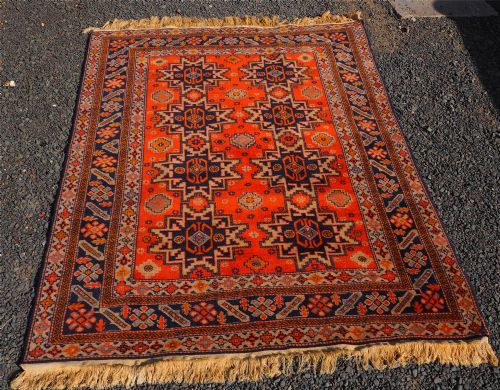
Traditional Caucasian Tribal Rug
A traditional caucasian tribal rug brings geometric energy and rich historic dye work directly onto the floor.
Traditional Caucasian Tribal Rug
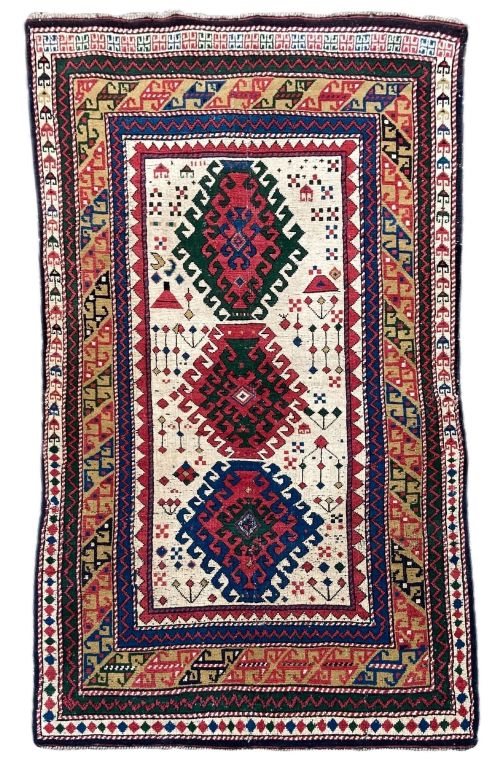
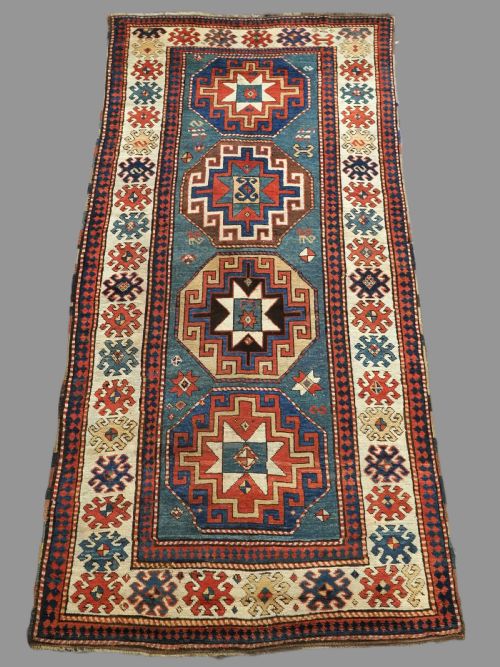
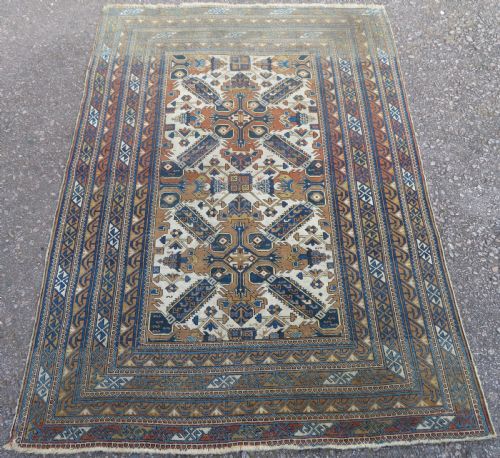
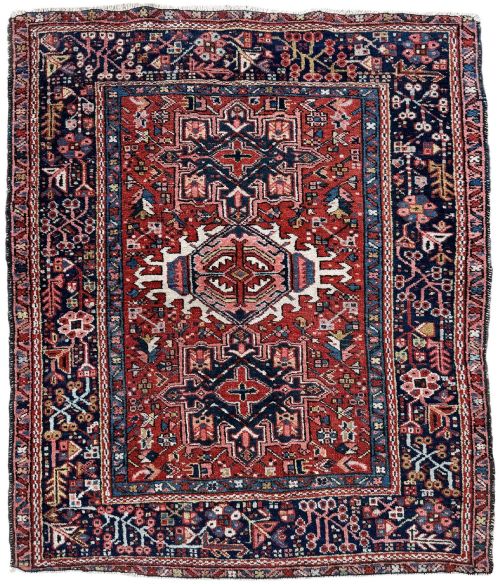
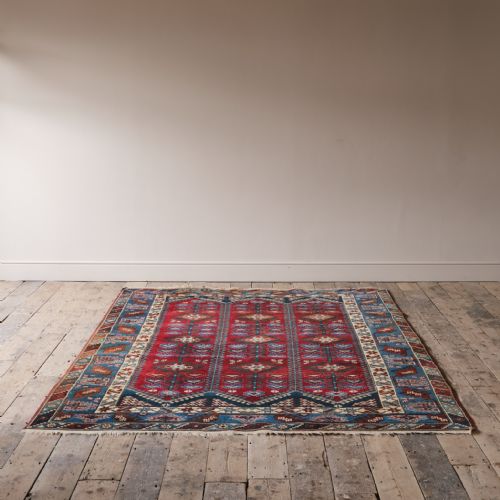
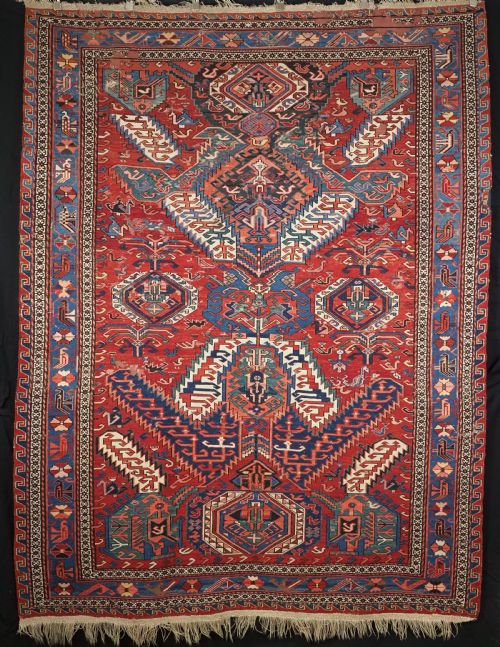
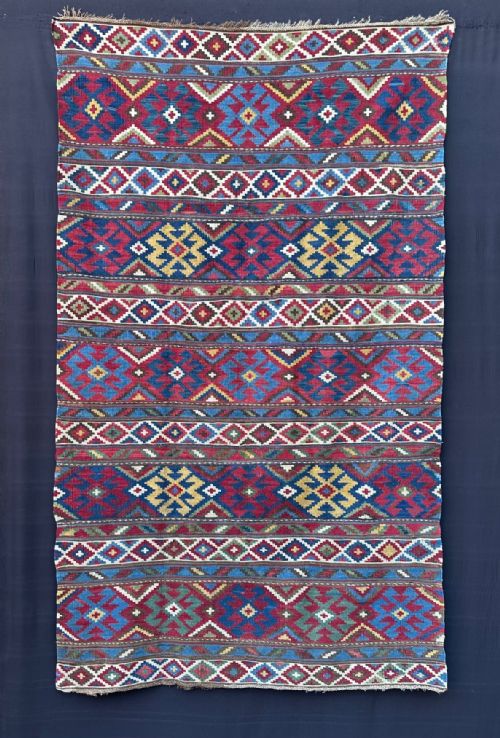
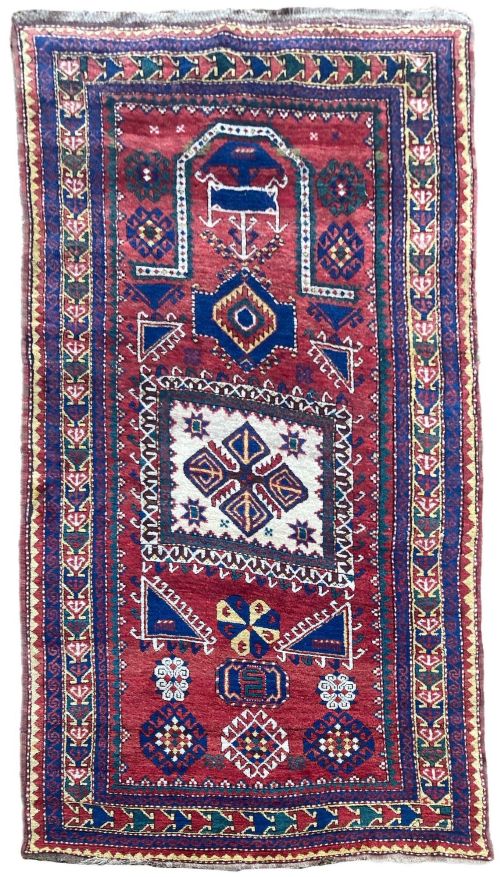
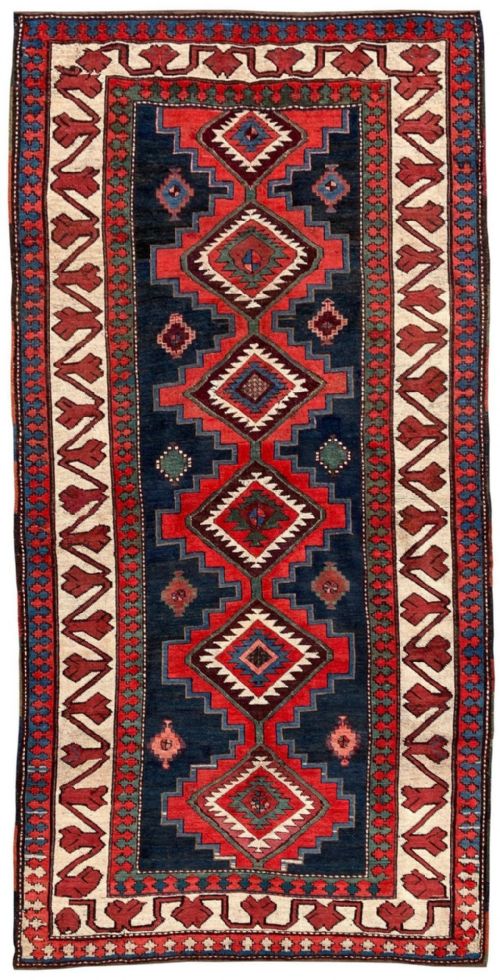
A traditional caucasian tribal rug is a hand-knotted textile originating from mountain workshops and nomadic weaving groups across the Caucasus region, produced largely between the late nineteenth century and the early twentieth century. These pieces appear as area rugs, long runners for hallways, and specialised prayer formats designed for daily domestic use.
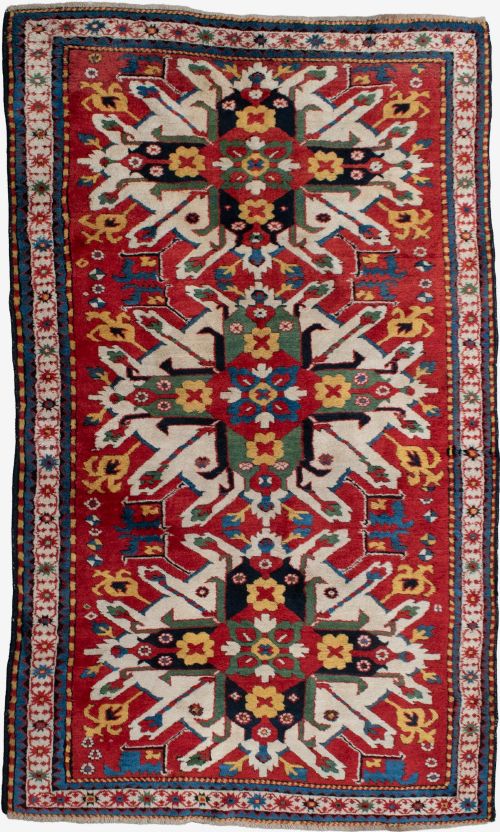
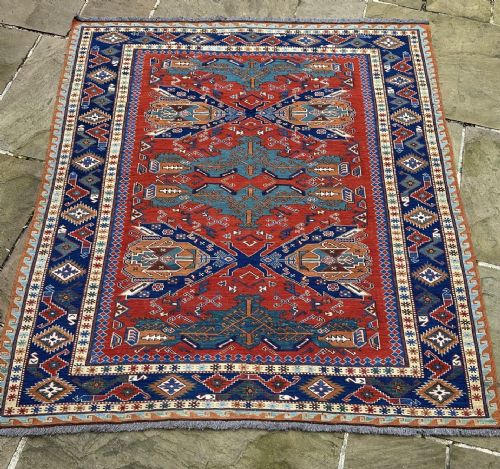
The aesthetic centres on bold geometric medallions, animal motifs, and structured lattice designs rather than sweeping floral curves, reflecting local village traditions. Most examples met here span the period from eighteen-seventy up to nineteen-thirty, carrying distinct regional identities from weaving centres such as Kazak, Shirvan, Karabagh, and Kuba.
Buyers seek these textiles for their striking graphic presence and the tangible record of regional weaving heritage embedded in the knotting. They suit both period interiors and modern spaces requiring substantial character underfoot.
Materials and technique
These floor coverings are constructed primarily from wool, utilising hand-spun wool for the pile to achieve a dense, resilient surface that ages gracefully. Cotton is frequently employed for the structural warp and weft threads, providing stability and straight margins across runners and rectangular formats.
Makers relied extensively on natural dyes to colour the wool, yielding deep reds, blues, and yellows that soften in tone over decades of light exposure and wear. The knotting is executed by hand, securing the pile firmly to the foundation in a process passed down through generations of weavers.
Object types span area rugs, hallway runners, and prayer rugs originating from Persian and Caucasian weaving traditions.
Quality variations
Quality in these textiles depends heavily on the purity and depth of the natural dyes, which determine how the colours age and interact across the field. Superior examples display vibrant, saturated tones that retain their clarity and contrast without appearing muddy.
The precision of the weave and the tightness of the hand-knotting separate standard village work from finer regional pieces. Tighter foundations and well-executed geometric layouts indicate greater skill and time invested by the original weaver.
The Traditional Caucasian Tribal Rug Glossary
- Kazak
- A term designating rugs woven in the southern and western regions of the Caucasus, known for bold geometric designs and primary colours. These pieces often feature large medallions and animal motifs.
- Runner
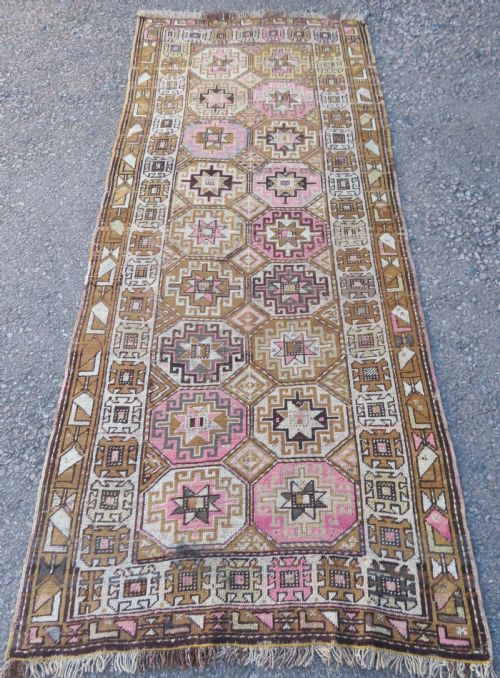
- A long, narrow carpet format traditionally utilised in hallways or corridors. They provide durable floor coverage in restricted spaces.
- Prayer Rug
- A specialised rug format featuring a central mihrab or arch design, historically directed toward Mecca during daily prayers. They are generally smaller in scale.
- Natural Dyes
- Colourants derived from plants, insects, and minerals rather than synthetic compounds. They produce harmonious, complex shades that mellow pleasingly over time.
- Hand-Spun Wool
- Wool yarn processed by hand on a spindle rather than a modern industrial machine. This method creates irregularities in thickness that give the pile a lively texture.
Traditional Caucasian Tribal Rug: Frequently Asked Questions
Where were these rugs made?
These textiles originate from various regions across the Caucasus, including Kazak, Shirvan, Karabagh, and Kuba. Each area developed distinct geometric layouts and colour palettes.
Local nomadic and village weavers produced them using traditional hand-knotting techniques passed down through families.
How do I care for a vintage rug?
Protect the textile by vacuuming gently without a rotating beater bar to avoid pulling the hand-spun wool pile. Professional cleaning specifically suited for antique carpets is recommended.
Keep the piece out of direct, continuous sunlight to preserve the natural dye colours over years of use.
What is a runner rug used for?
Runners are long, narrow carpets designed to fit into narrow spaces such as hallways, corridors, and narrow entryways. They offer warmth and protection for high-traffic wooden floors.
Their elongated format showcases repeating geometric motifs and lattice designs to full effect.
Are these rugs made with natural dyes?
Many pieces from the nineteenth and early twentieth centuries utilise natural dyes extracted from plant and mineral sources. These colourants yield rich, complex tones that age with considerable character.
Over decades, these dyes soften subtly while retaining their primary visual impact.