


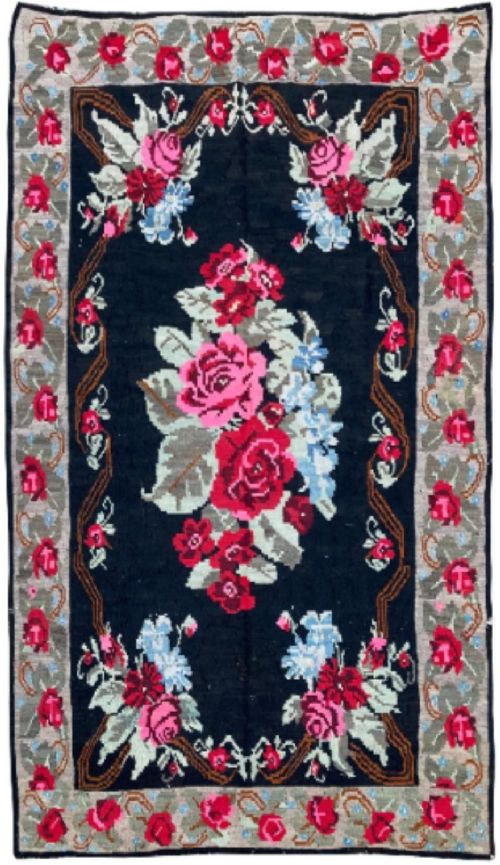
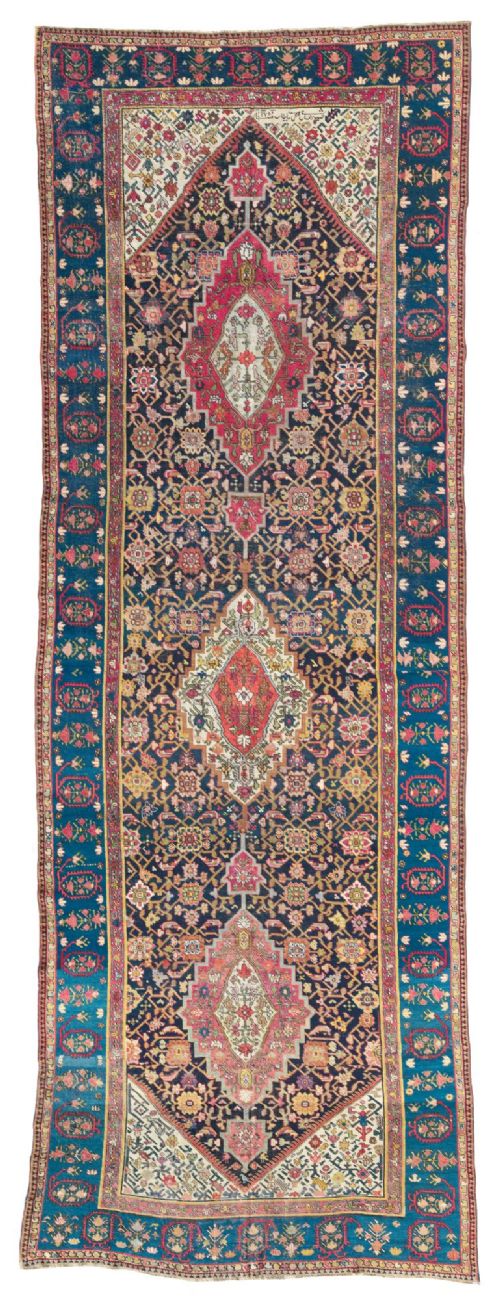
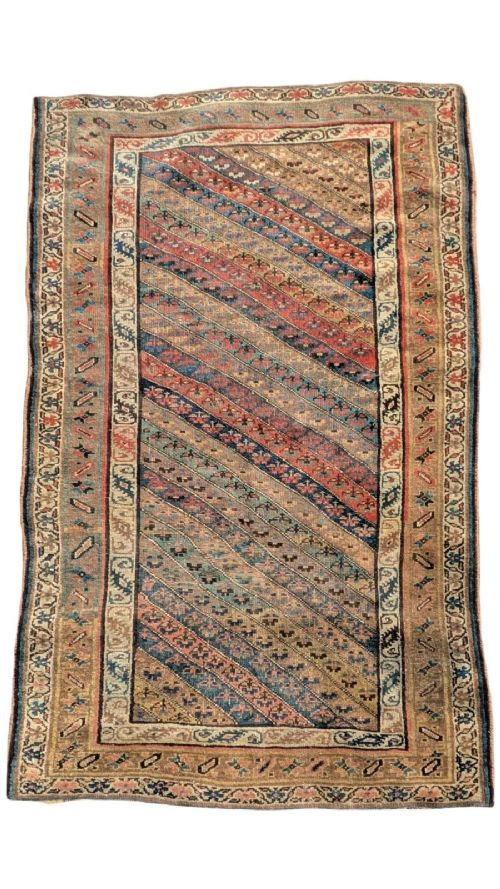
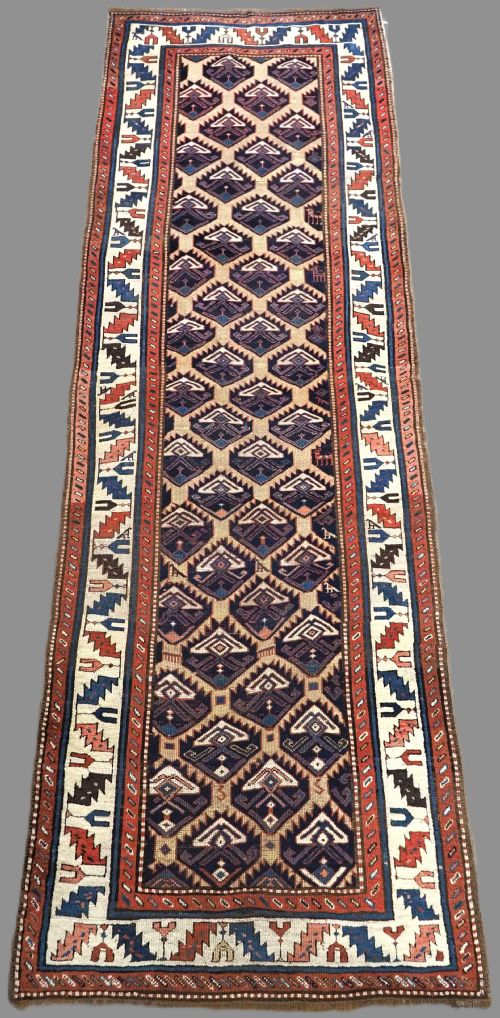
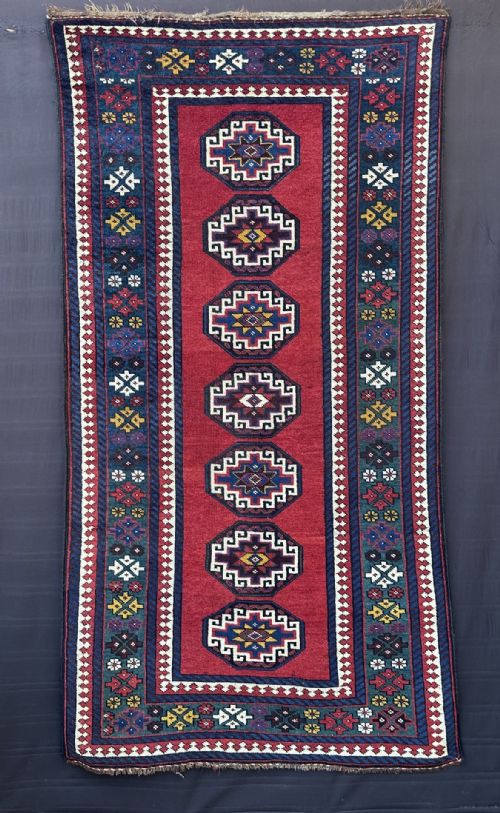
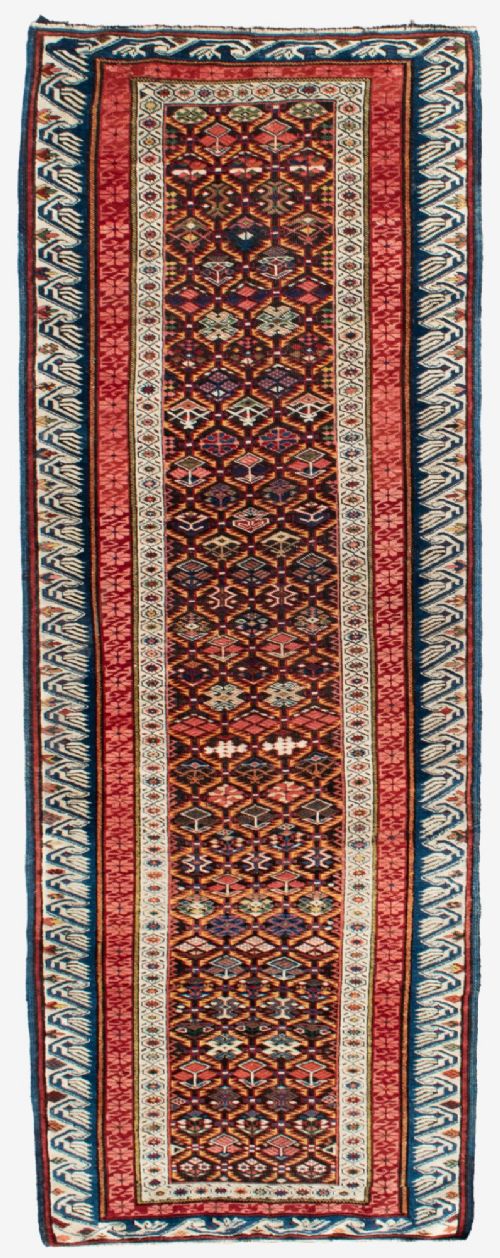
Traditional Caucasian Runner
Traditional caucasian runner pieces bring geometric discipline and saturated dye work to long hallways, grounding narrow spaces with tribal history.
Traditional Caucasian Runner
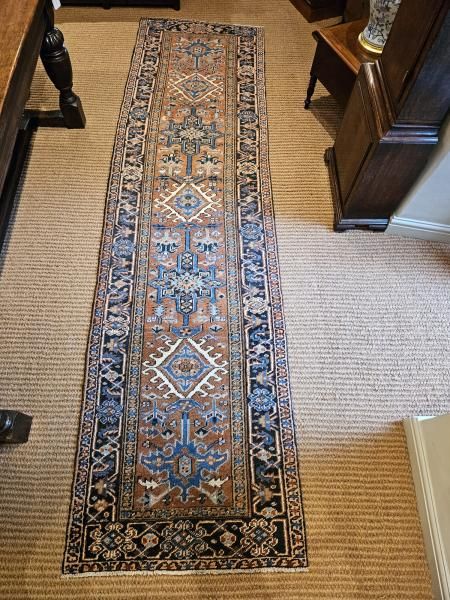
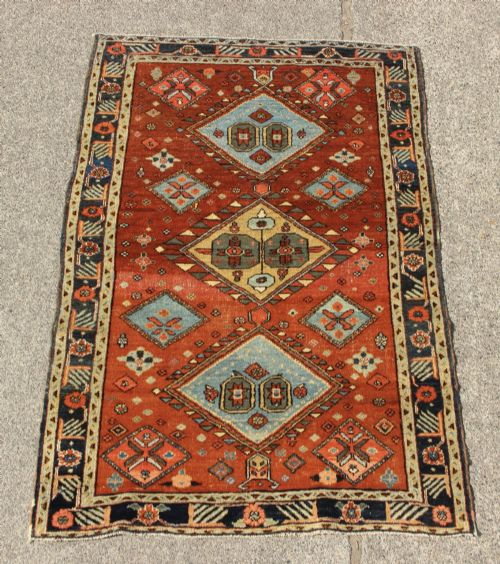
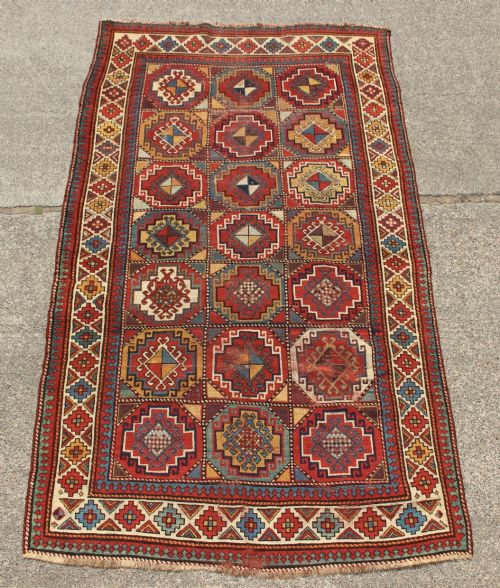
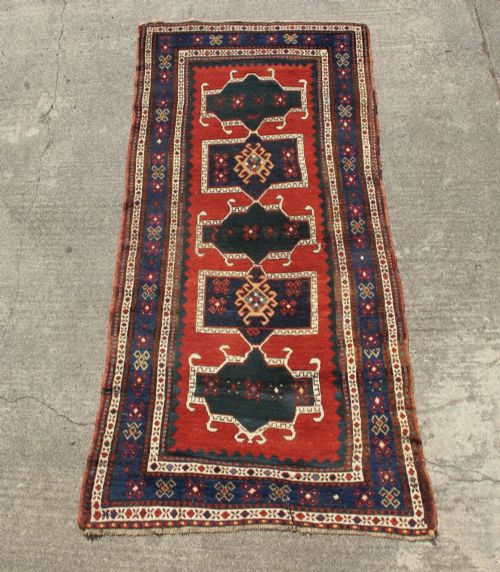
A traditional caucasian runner provides narrow, elongated floor coverings that originate from the Caucasus region and surrounding tribal areas. These items serve functional roles in corridors and hallways while displaying complex geometric layouts.
What varies in quality
Quality depends upon the precision of the wool preparation and the depth of the natural dye palette. Finely spun wool holds crisp geometric lines more effectively than coarser material.
The integrity of the structural weave and the complexity of the regional motifs dictate the tier of the piece. Well-preserved pile density and balanced proportions separate standard tribal examples from finer workshop creations.
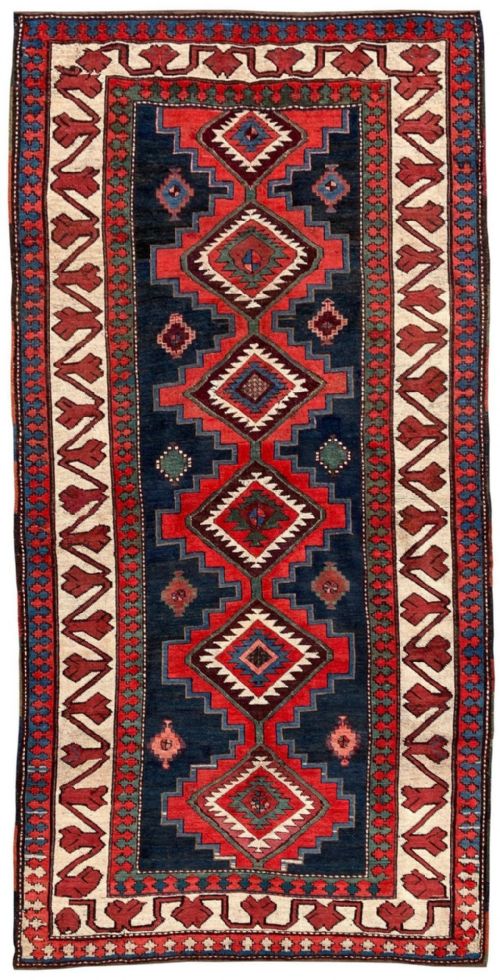
One listed Kazak runner carries the delightful designation crooked, reminding buyers that human hands guided every asymmetric knot.
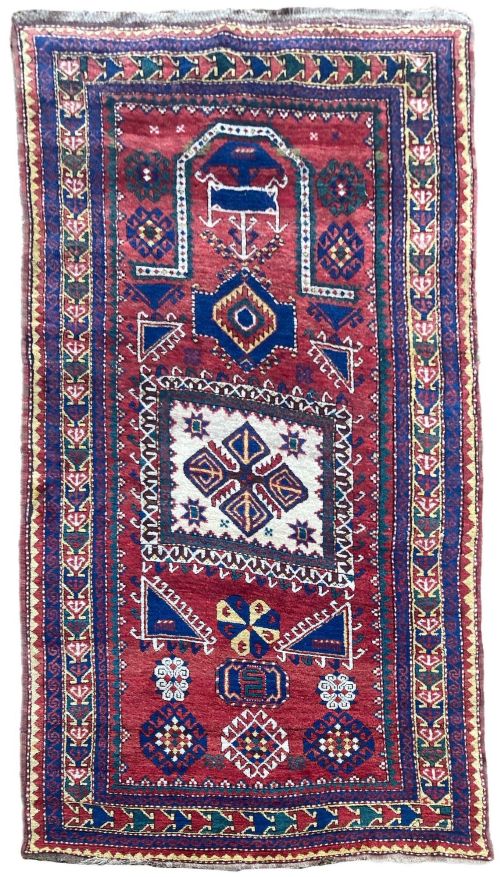
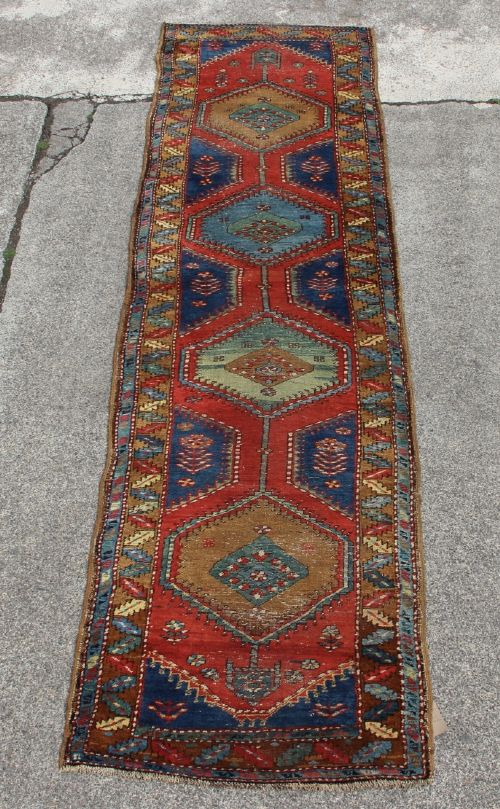
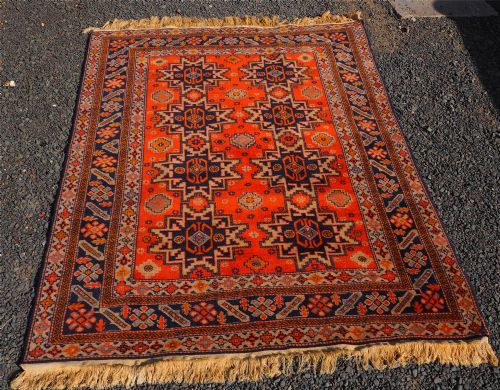
Fachralo Kazak·Shahsavan·Gendje·Kelardasht·Seychor
The Traditional Caucasian Runner Glossary
- Kazak
- A style of rug originating from the western Caucasus, known for bold geometric medallions and primary colour palettes. These pieces often display large octagons and hooked motifs.
- Kilim
- A flat-woven carpet or rug made without a pile, produced by tightly interweaving warp and weft strands. This technique creates a lightweight textile with flat surfaces on both sides.
- Hand-Spun Wool
- Yarn processed manually using traditional spinning tools rather than industrial machinery. This method creates irregularities in thickness that absorb natural dyes with subtle tonal variations.
- Natural Dyes
- Colourants derived from plant, insect, and mineral sources rather than synthetic chemical compounds. These dyes age with distinct patination over time.
- Kelleh
- A large format carpet format, typically longer than a standard room-size rug but broader than a corridor runner. This shape suits specific reception spaces.
Traditional Caucasian Runner: Frequently Asked Questions
Where should I place a runner?
These long formats suit narrow transition spaces such as corridors, hallways, and galley kitchens where linear floor coverings soften foot traffic.
Position the textile away from damp environments to protect the natural wool fibres and vegetable dyes from moisture damage.
How do I identify regional designs?
Look for specific geometric markers, such as the hooked polygons of Kazak pieces or the detailed lattice work of Gendje and Shirvan rugs.
Palettes and border arrangements often reveal the specific tribal workshop or geographic origin within the Caucasus.
Are natural dyes easy to spot?
Natural dyes exhibit subtle abrash, which appears as gentle tonal shifts across a single field of colour where dye batches changed.
These plant and mineral colourants mature with a soft patina that synthetic dyes fail to replicate over time.
How do I care for antique wool?
Vacuum the piece gently using a suction-only attachment without a rotating brush bar to protect the hand-knotted pile structure.
Rotate the textile periodically to ensure even wear across high-traffic zones in your hallway.