


Traditional Caucasian Area Carpet
A traditional caucasian area carpet brings geometric power and rich village history into a room through hand-knotted wool and centuries-old tribal motifs.
Traditional Caucasian Area Carpet
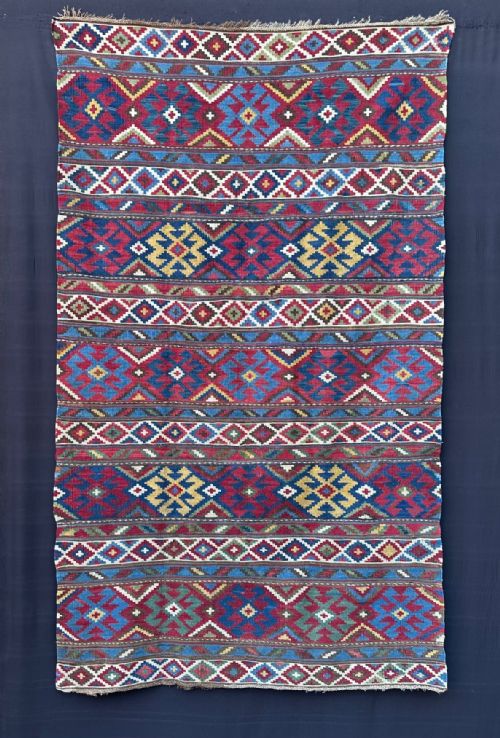
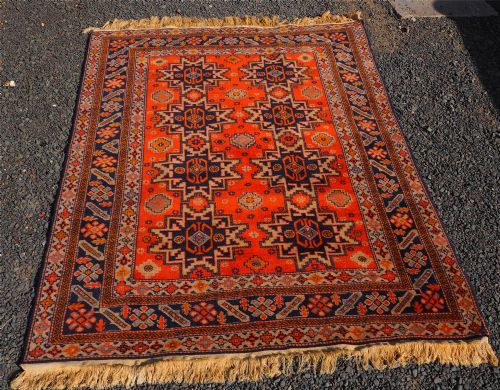
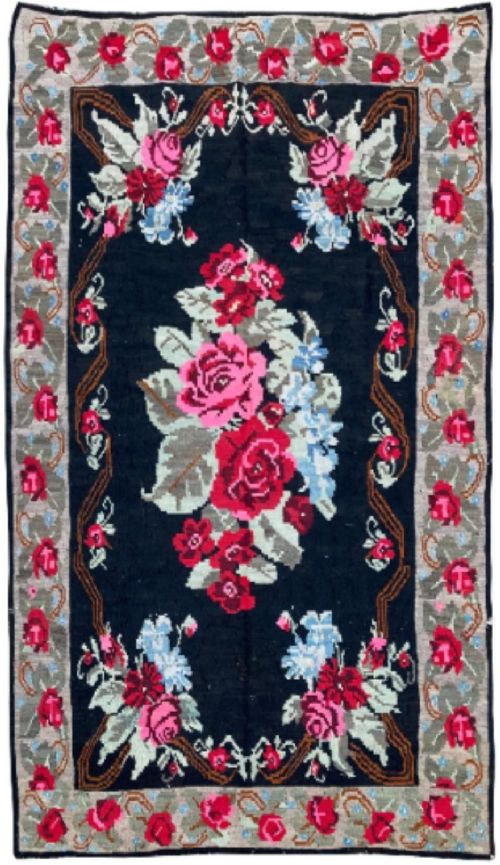
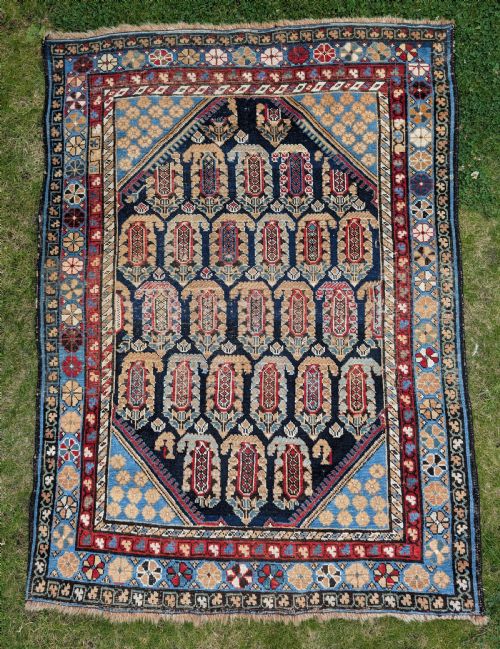
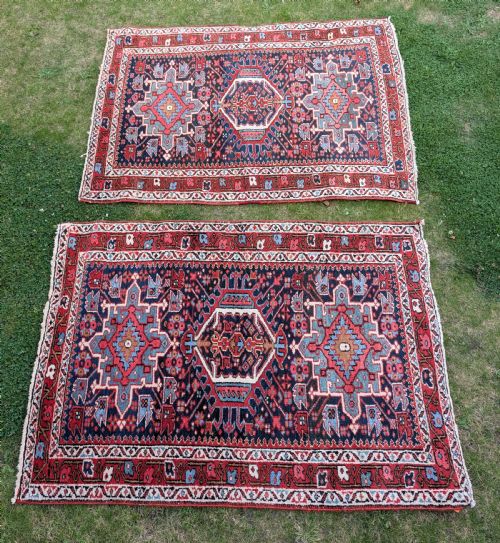
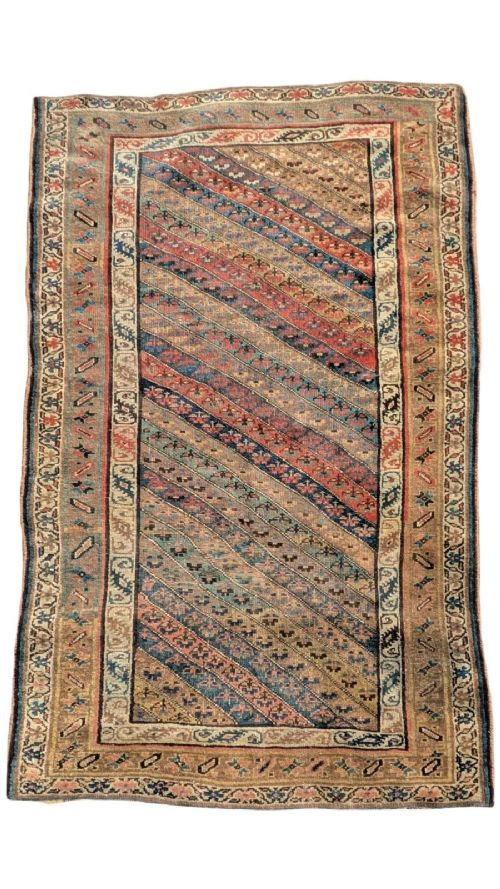
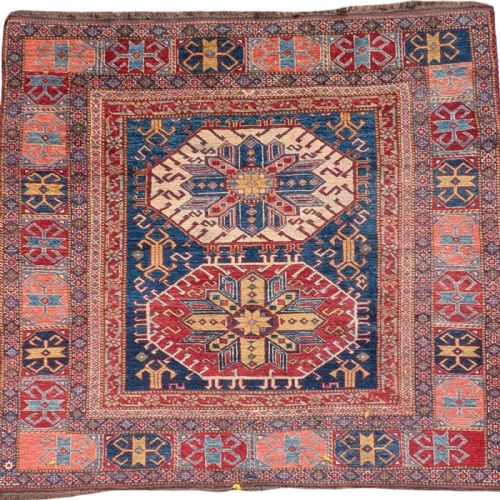
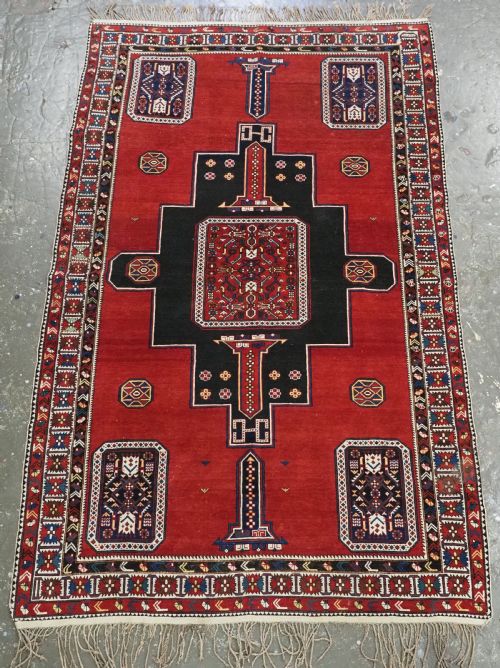
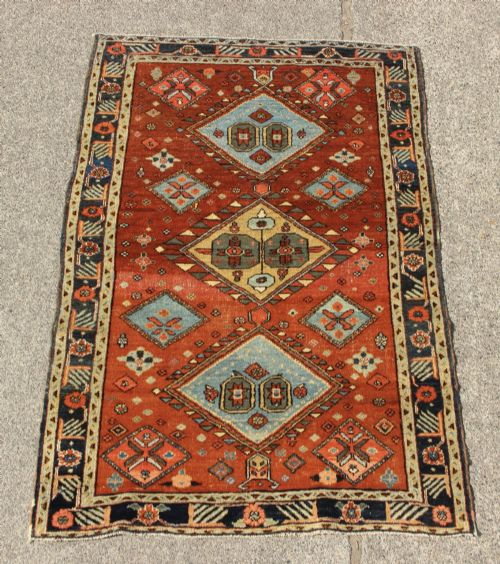
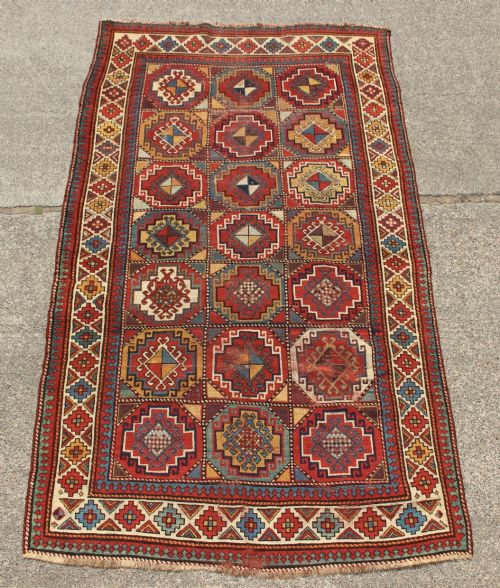
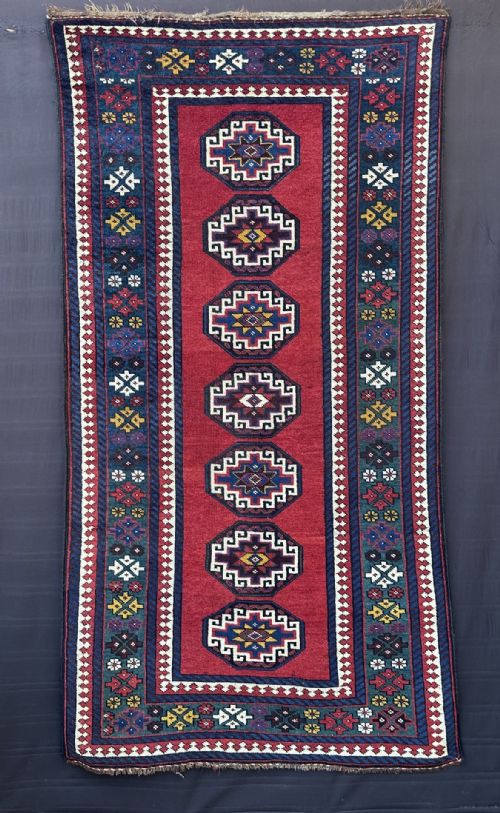
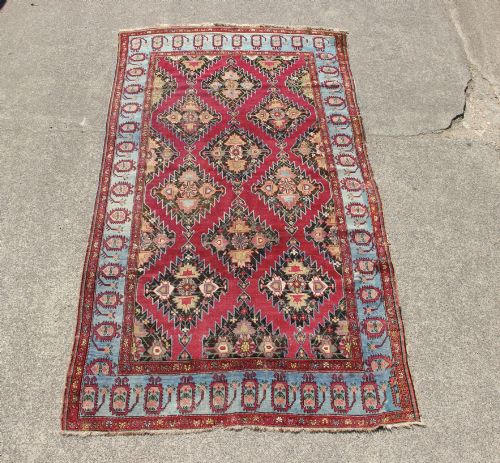
A traditional caucasian area carpet gathers woven works from the Caucasus region alongside related tribal formats from Persia, spanning the late nineteenth century into the early decades of the twentieth. These pieces appear as area rugs, runners, kilims and prayer formats created by nomadic and village weavers.
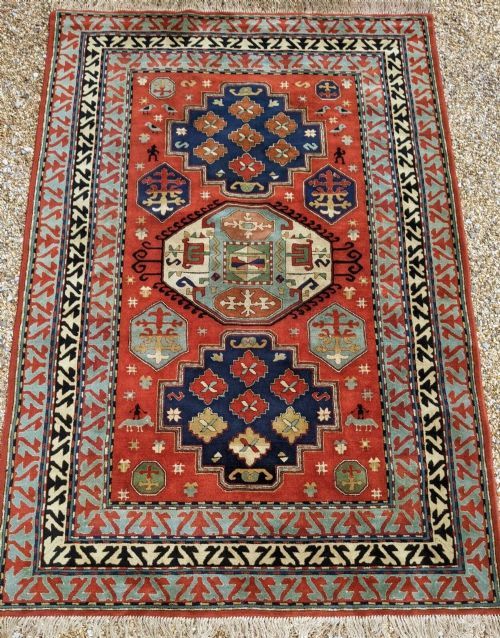
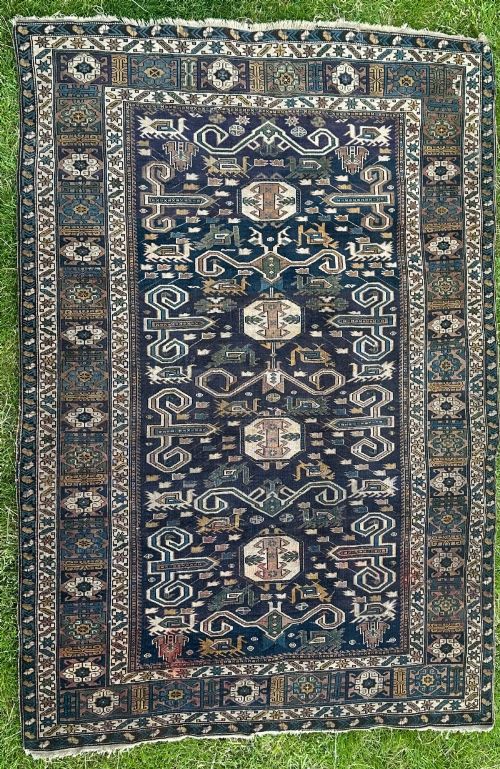
The selection here draws primarily upon Caucasian styles such as Kazak, Shirvan, Karabagh, Kuba and Daghestan, accompanied by Kurdish and Persian traditional tribal pieces. Weavers utilised distinct geometric vocabulary, including cruciform medallions, Lezghi stars and animal motifs, to structure the field of each rug.
Materials and construction
Makers constructed these carpets using hand-spun wool and cotton foundations, knotted tightly by hand to ensure durability across generations of daily use. Weavers relied on natural dyes to achieve deep palettes, producing mellow colours that soften gracefully over decades.
Flatwoven kilim structures exist alongside pile carpets, demonstrating varied techniques practised across different tribal regions. The interplay of wool piles and sturdy cotton or wool warps forms the core structural integrity of these village textiles.
Several carpets preserve small animal motifs tucked unexpectedly between bold geometric medallions by playful village weavers.
Judging the weave
Quality rests upon the crispness of the geometric drawing and the handling of the natural dyes, which determine how lively the surface appears in changing light. Finer knot density allows intricate motifs like Lezghi stars and cruciform medallions to maintain sharp outlines.
The integrity of the wool and the preservation of original selvedges and ends influence the overall standing of a piece. Examples retaining vibrant, unblemished natural colours demonstrate superior selection from the loom.
The Traditional Caucasian Area Carpet Glossary
- Kazak
- A type of Caucasian rug known for bold geometric medallions, primary saturated colours and heavy wool pile. These pieces originate from the southern and western regions of the Caucasus.
- Kilim
- A flatwoven textile made without a pile, utilising slit-weave techniques to form sharp geometric patterns. These function as versatile floor coverings or wall hangings.
- Prayer Rug
- A specialised rug format featuring a central mihrab or niche design, traditionally used for individual prayer. The niche points toward Mecca during placement.
- Natural Dyes
- Colourants derived from plants, insects and minerals rather than synthetic chemicals. They age with subtle tonal variations known as abrage.
- Medallion
- A central ornamental motif set within the field of a carpet. It anchors the geometric composition of Caucasian and Persian tribal rugs.
Traditional Caucasian Area Carpet: Frequently Asked Questions
Where were these carpets made?
These textiles originate from the Caucasus region lying between the Black Sea and the Caspian Sea, encompassing areas such as Shirvan, Karabagh, Kuba and Kazak. Some related pieces stem from nearby Kurdish and Persian tribal territories.
Local village and nomadic communities produced these works using indigenous materials and passed-down regional designs.
How do I care for an old rug?
Protect the wool pile by vacuuming gently without a rotating brush bar, and rotate the rug periodically to ensure even wear across the surface. Professional cleaning tailored to antique textiles preserves the natural dyes.
Keep the rug away from prolonged direct sunlight and use a breathable underlay to prevent sliding on hard floors.
What are tribal motifs?
Tribal motifs comprise geometric symbols, stylized animals, stars and cruciforms woven into the field by village artisans. These designs carry traditional meanings linked to family lineage and regional heritage.
Weavers repeated these patterns across generations, altering proportions and palettes within established regional frameworks.
How do I distinguish regional styles?
Regional styles reveal themselves through specific structural habits, colour choices and geometric vocabularies unique to areas like Daghestan or Shirvan. Kazak rugs typically feature larger, bolder primary medallions and heavier wool.
Examining the weave density, border arrangements and secondary motifs helps separate one Caucasian weaving centre from another.