




Traditional Carver Armchairs
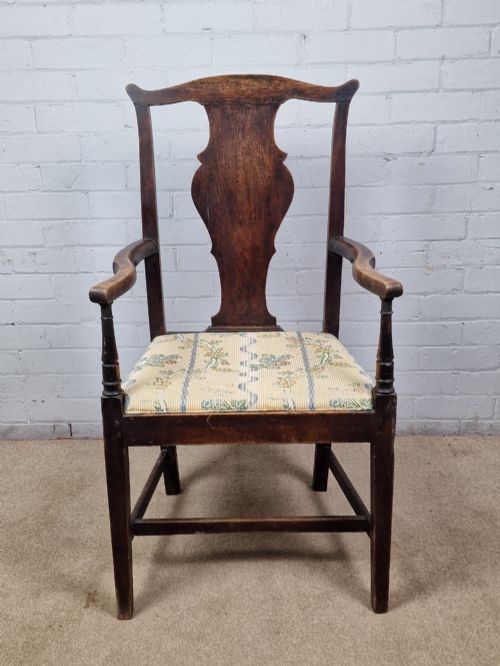
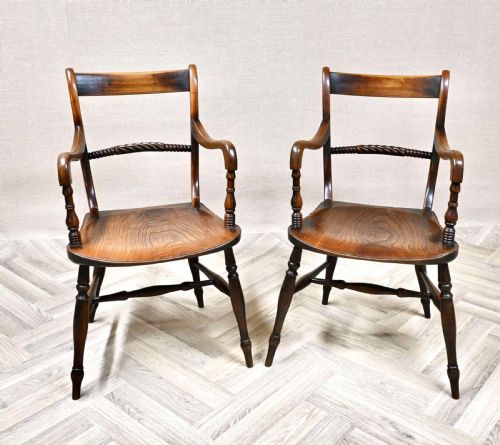
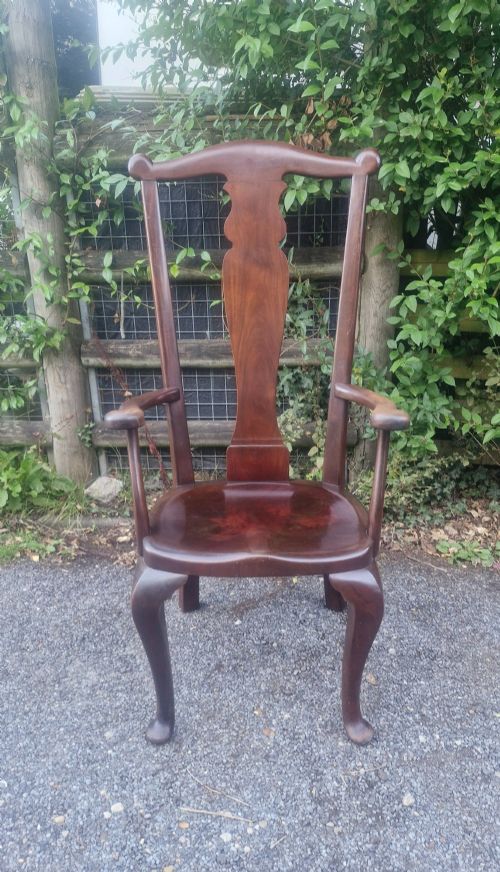
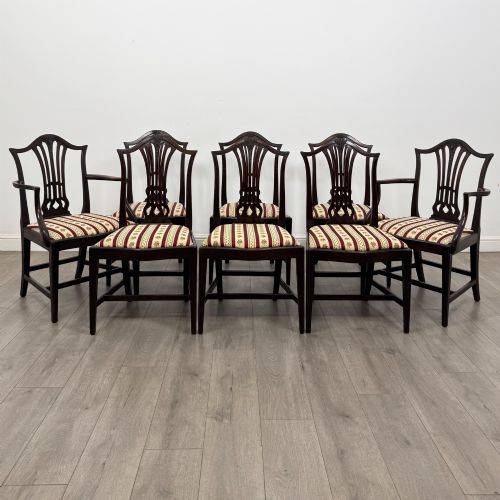
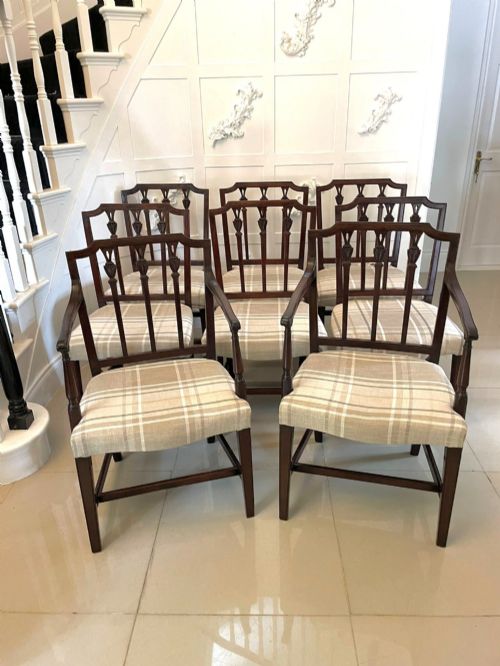
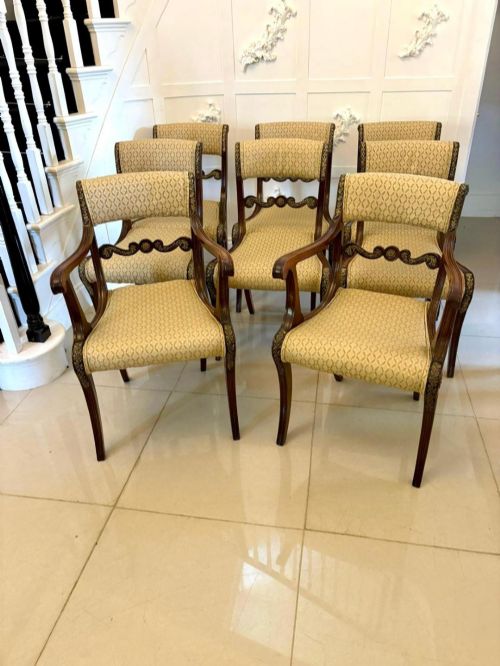
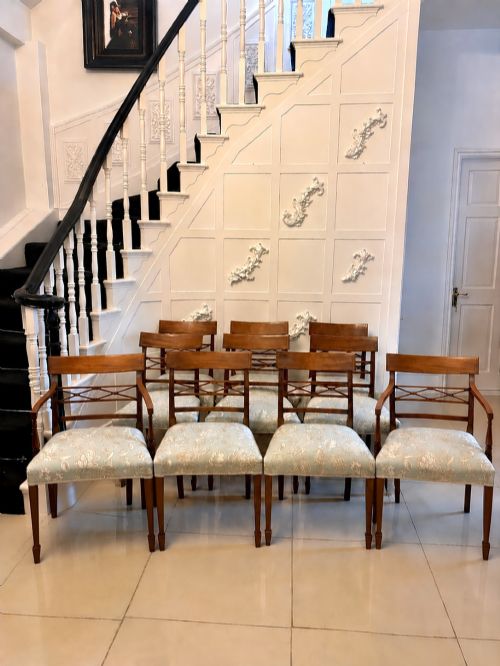
Traditional carver armchairs provide sturdy seating with integrated armrests, uniting formal mahogany dining suites and robust country vernacular seating.
Traditional Carver Armchairs
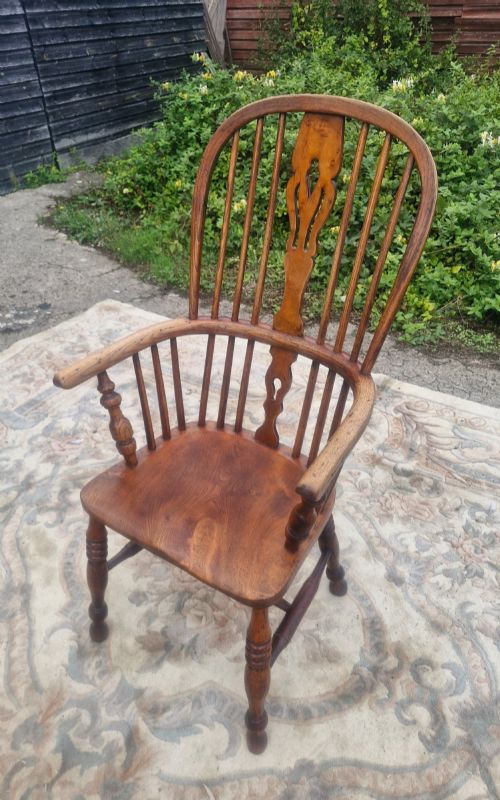
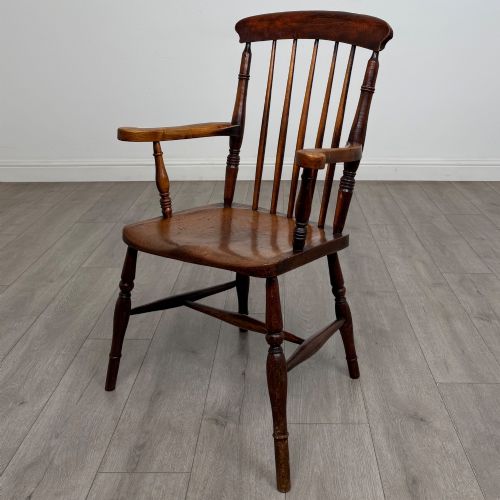
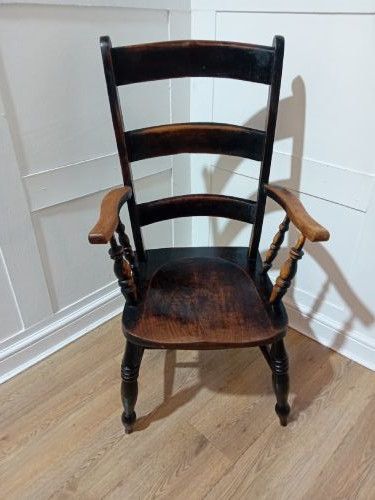
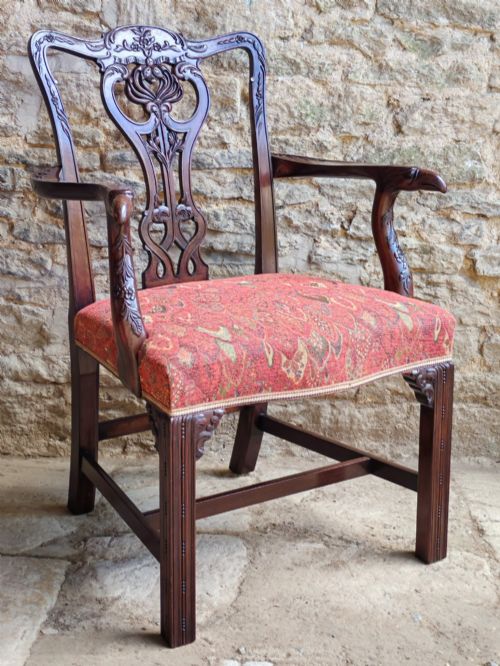
Traditional carver armchairs cover formal dining seats and sturdy country seating, ranging from mahogany examples to elm and ash country designs.
Buyers frequently encounter Windsor and stick back forms alongside mahogany dining carvers from the Georgian, Victorian, and Edwardian eras.
These chairs serve as single desk seats or pair with matching dining chair sets for boardroom and domestic settings.
How they were made
Maker construction combines dense timbers such as mahogany, oak, and yew with flexible woods like elm, ash, and beech for turned spindles and curved armbows.
Upholstered versions incorporate leather, tapestry fabric, and brass tacking over webbed or stuffed frames, while wooden seats rely on sculpted saddle forms.
Listings span the eighteenth, nineteenth, and early twentieth centuries, featuring woods like mahogany, elm, ash, oak, yew, beech, and maple.
What varies in quality
Quality depends upon the selection of timber grain, such as figured mahogany or well-matched yew and elm, alongside the crispness of carved shield backs or ladder backs.
Structural integrity relies on tight joinery in spindle turnings and arm joints, maintaining original timber patination and finish without heavy restoration.
Howard and Sons·Warings·Philip Clissett·Maple and Co·Alfred Allen of Birmingham
The Traditional Carver Armchairs Glossary
- Carver armchair
- An armchair designed with elbow rests, often accompanying a set of matching dining chairs. The term distinguishes the seated host from guests on side chairs.
- Windsor chair
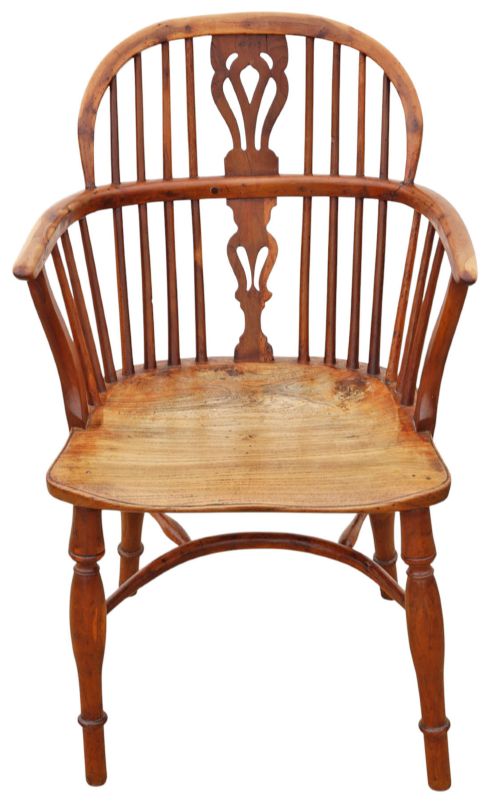
- A wooden chair built with a solid sculpted seat into which the legs, back sticks, and armbow are separately tenoned. Regional variations include stick backs and barbacks.
- Shield back
- A dining chair back shaped in the outline of a heraldic shield, popularized during the late eighteenth century by designers like Hepplewhite.
- Ladder back
- A chair back featuring multiple horizontal wooden slats or rails between the vertical stiles. This form appears in both simple country vernacular and refined revival pieces.
- Elbow chair
- An alternative historical term for an armchair, frequently used to describe reception and morning room seating with low armrests.
Traditional Carver Armchairs: Frequently Asked Questions
What is a carver armchair?
A carver armchair is a seat fitted with armrests that typically matches a set of dining chairs. Historically placed at the heads of a dining table, these chairs provided extra comfort.
Over time, the form expanded into standalone desk chairs and country elbow chairs. They combine functional arm support with the decorative style of their period.
How do I identify a Windsor chair?
Windsor chairs feature a distinct construction where the legs and back spindles fit directly into a thick, scooped wooden seat. They often use mixed timbers, pairing elm seats with ash or yew spindles.
Country versions display turned components and flexible stick backs. These chairs prioritise ergonomic comfort and durable construction.
Are these chairs suitable for daily use?
Traditional carver armchairs suit daily seating when the wooden frame and joints remain stable. Solid timber construction offers lasting strength for dining and desk use.
Upholstered versions benefit from checking internal webbing and fabric condition. Proper placement away from direct heat sources protects the antique wood and finish.
How do I date a mahogany carver?
Dating mahogany carvers involves examining the stylistic details of the backrest, such as Chippendale style piercing or Regency ropebacks. Construction marks and timber density also indicate the manufacturing period.
Revival pieces from the late nineteenth and early twentieth centuries often copy earlier Georgian forms. Comparing the joinery methods helps separate original period pieces from later revivals.