
Traditional Carved Mahogany Table
A traditional carved mahogany table brings warmth and substance to a room, drawing the eye with rich timber grain and classic craftsmanship.
Traditional Carved Mahogany Table
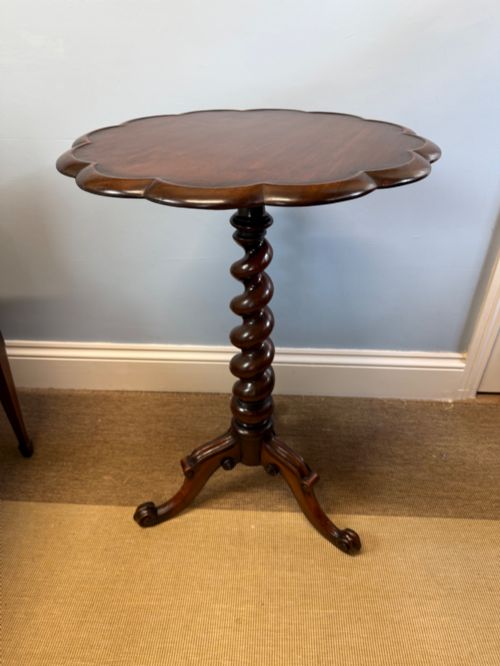
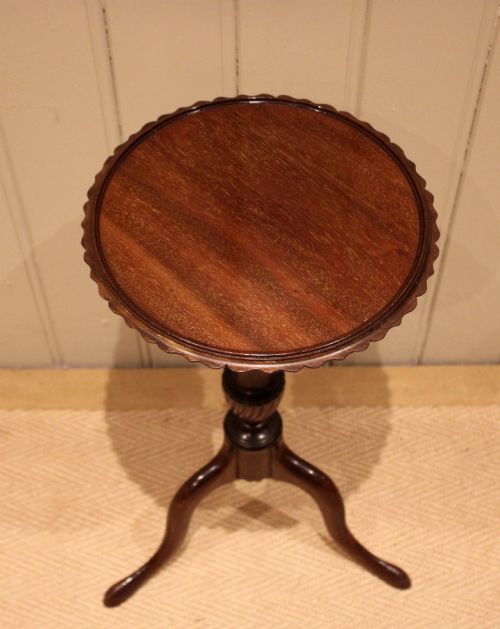
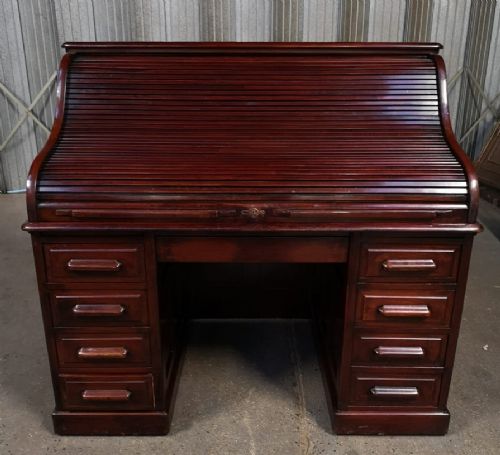
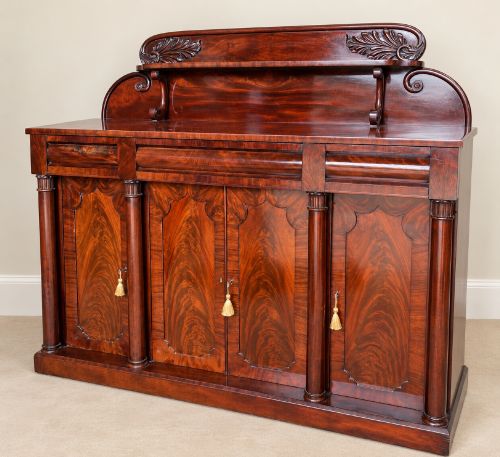
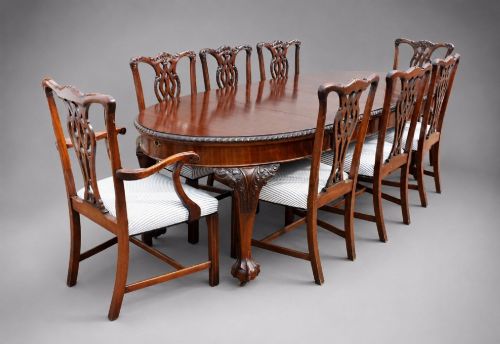
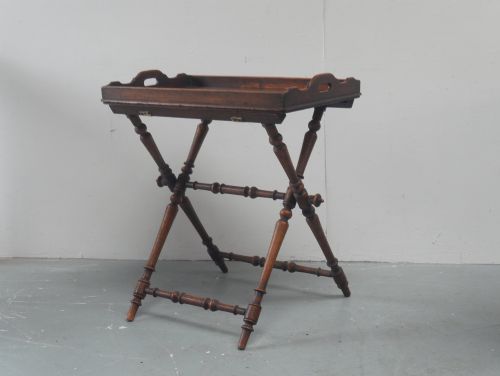
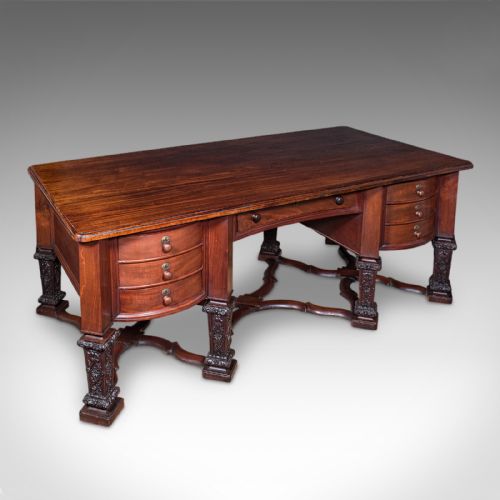
When you search for a traditional carved mahogany table, you encounter a variety of forms designed for dining, serving, writing, and display. The selection ranges from pedestal dining tables and extending formats to smaller occasional pieces, wine tables, and console tables.
Victorian and Edwardian examples predominate alongside revival styles such as Chippendale and Georgian. These pieces span the nineteenth and early twentieth centuries, reflecting enduring design traditions derived from earlier Georgian and Regency aesthetics.
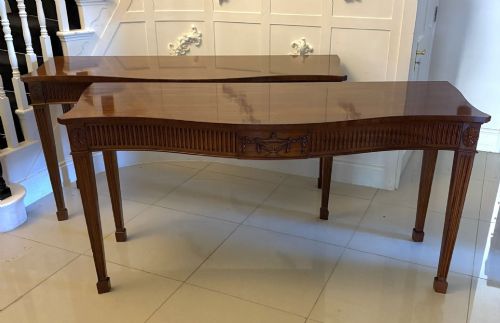
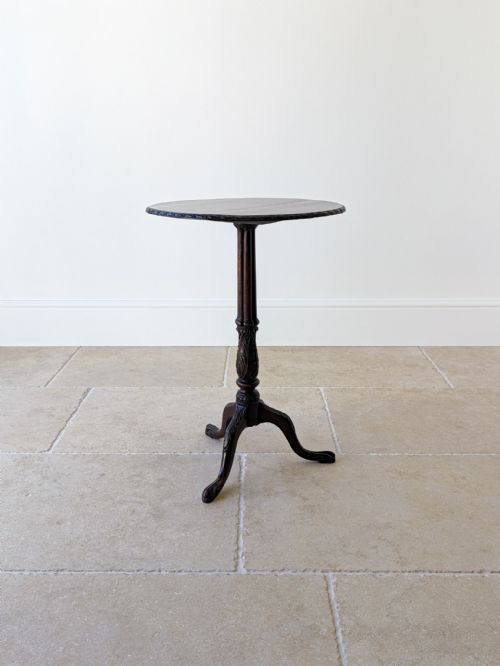
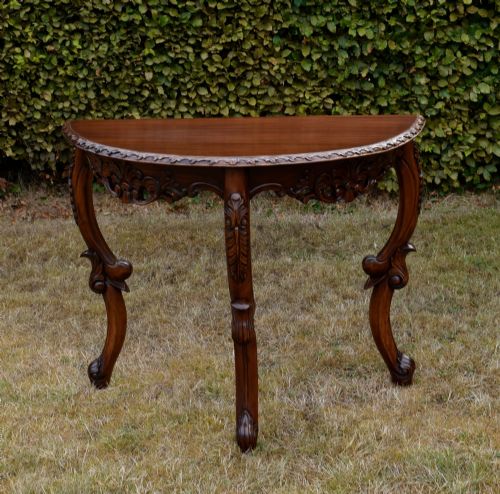
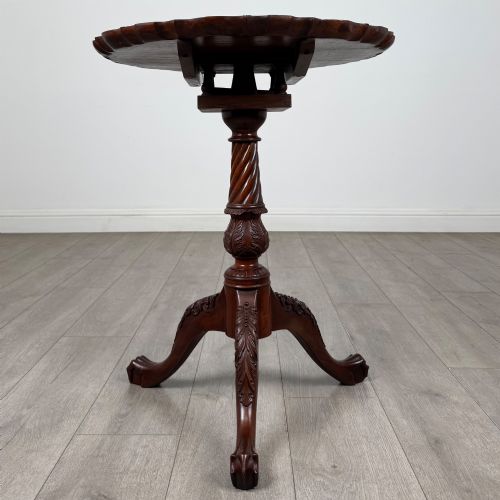
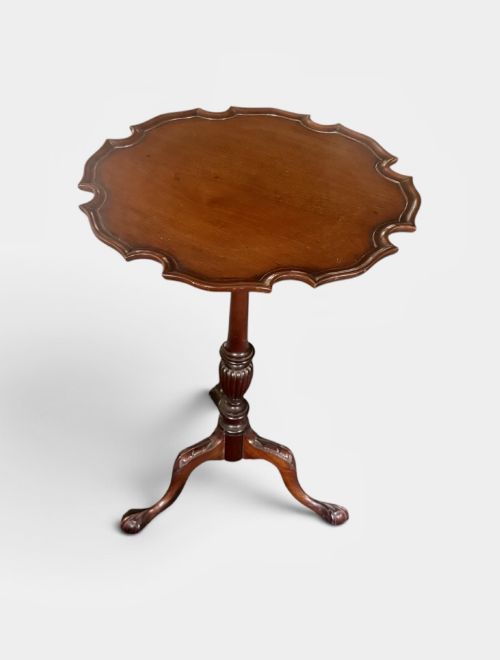
Dining and console formats often incorporate extension mechanisms, serpentine fronts, or neoclassical carving, while smaller tripod and wine tables utilise tilt-top mechanisms or shaped pie crust rims. The forms serve both decorative and functional roles in domestic interiors.
What varies in quality
The standard of carving distinguishes standard production from superior examples, with crisp undercut details and balanced proportions marking the upper tier. Timber selection also dictates grade, particularly where figured flame mahogany veneer is matched across prominent surfaces.
Integrity of construction in joints, pedestals, and extension mechanisms determines the durability and practical performance of the table. Original hardware and secondary timbers contribute to the overall authenticity and execution of the piece.
Listings feature nineteenth-century and early twentieth-century pieces, spanning Victorian, Edwardian, and various revival styles including Chippendale and Georgian.
The Traditional Carved Mahogany Table Glossary
- Mahogany
- A durable tropical hardwood prized for its rich reddish-brown colour and stable grain. It accepts fine carving and polishing exceptionally well.
- Chippendale style
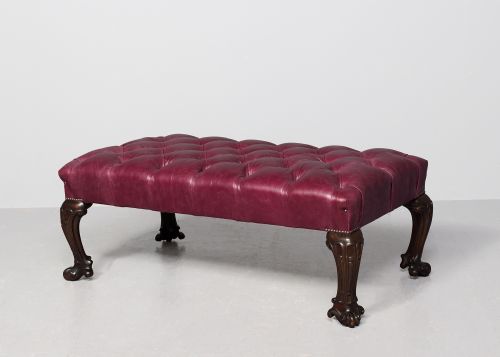
- A revival design aesthetic characterised by ornate carved ornamentation, cabriole legs, and claw-and-ball feet inspired by eighteenth-century pattern books.
- Flame mahogany veneer
- A thin slice of timber cut from wood where the branch meets the trunk, producing a distinctive flickering flame pattern. It is applied to primary surfaces for visual impact.
- Console table
- A table designed to stand flat against a wall, frequently featuring a serpentine front and decorative carving. These pieces often occur as matching pairs.
Traditional Carved Mahogany Table: Frequently Asked Questions
How do I identify a Victorian table?
Victorian tables often display heavier proportions, darker finishes, and robust turnings or carvings. They reflect the industrial and domestic expansion of the nineteenth century through varied revival styles.
Examining the construction methods and secondary woods helps confirm the nineteenth-century origin, distinguishing them from later Edwardian or revival reproductions.
What is a birdcage mechanism?
A birdcage mechanism is a rotating wooden lattice fitted beneath the top of a tripod table. It allows the tabletop to pivot and tilt vertically when not in use.
This ingenious engineering saves floor space and demonstrates the sophisticated mechanical aptitude applied to smaller occasional furniture.
Are extending dining tables practical?
Extending dining tables accommodate variable seating requirements through removable leaves and internal runner mechanisms. They provide flexibility for daily use and larger gatherings.
Ensuring the leaves match the grain and colour of the main top is essential for maintaining a uniform appearance when fully extended.
Where should I place a console table?
Console tables fit naturally against entrance hall walls, beneath large mirrors, or in reception rooms. Their shallow depth preserves floor space while offering a display surface.
Pairing them with lamps or decorative objects enhances their architectural presence within a traditional interior scheme.