


Traditional Carved Column Lamps
Traditional carved column lamps bring architectural presence and stately height to a room, turning classical forms into functional lighting.
Traditional Carved Column Lamps
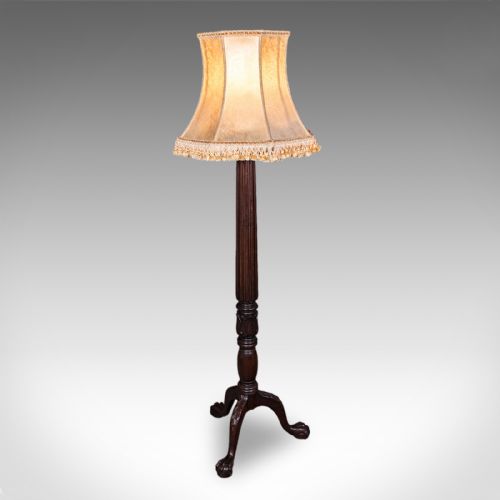
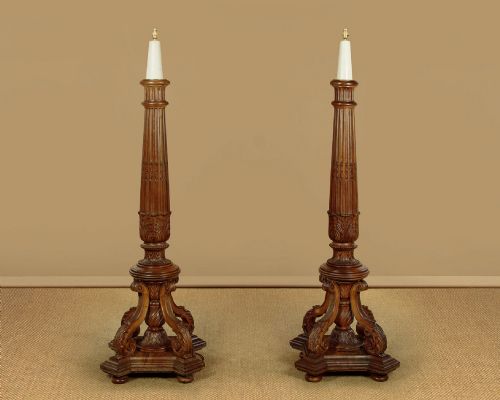
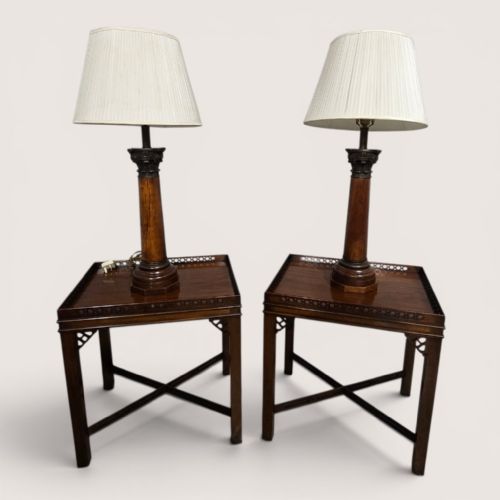
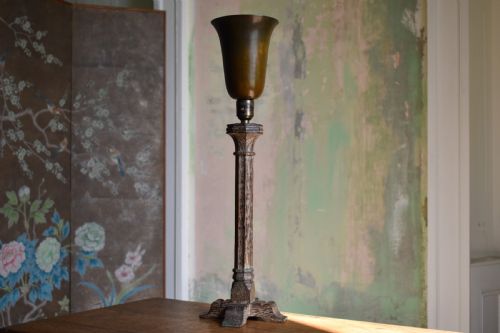
Traditional carved column lamps draw directly on classical architecture, taking the shape of fluted columns, Corinthian capitals, and sturdy pedestals to create a commanding vertical presence. When you search for traditional carved column lamps, you encounter pieces that translate monumental stone orders into domestic woodwork and metalwork.
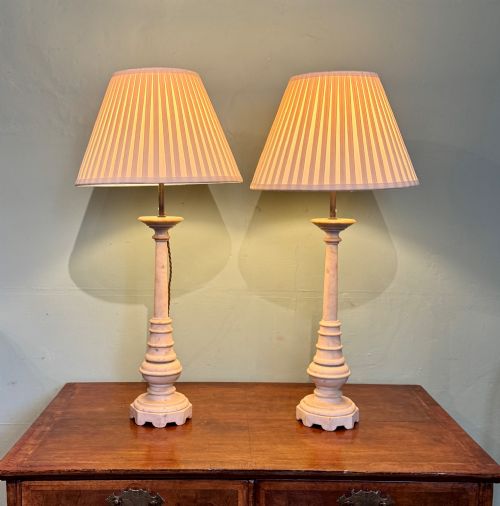
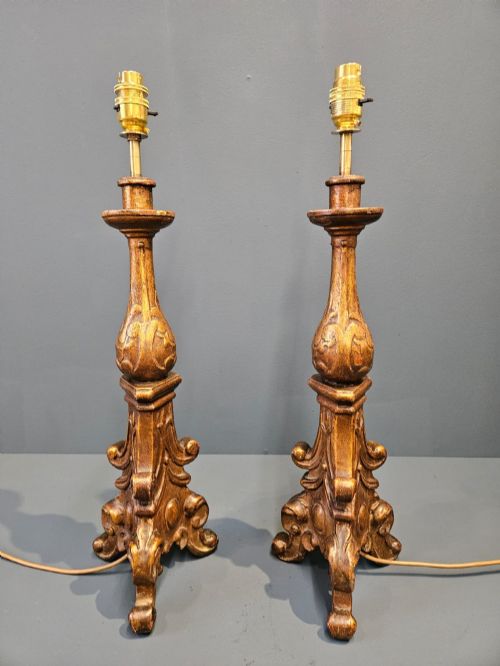
The examples gathered here span several centuries and revivals, reaching from eighteenth-century Spanish gilt wood up to nineteen-twenties limed oak and painted finishes. Floor-standing standard lamps and substantial table lamps predominate, often sharing the silhouette of candlesticks or classical pillars adapted for electrical wiring.
How they were made
Construction relies upon hardwoods such as mahogany, walnut, and oak, alongside giltwood, painted timber, and white marble. Woodworkers turned these materials on lathes to achieve the slender profiles of the column shaft before applying hand-carved capitals and bases.
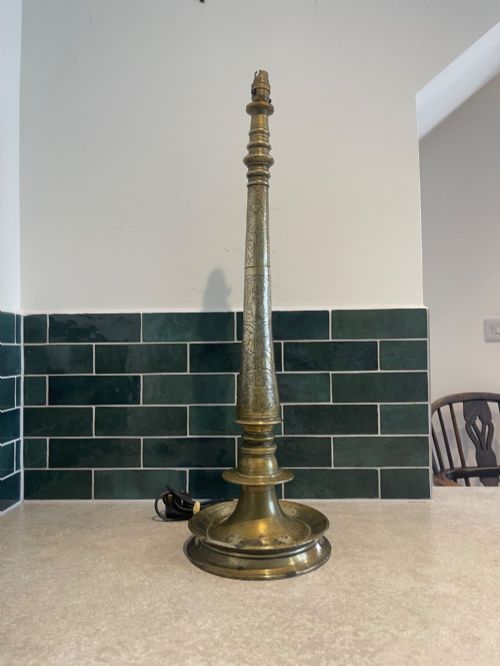
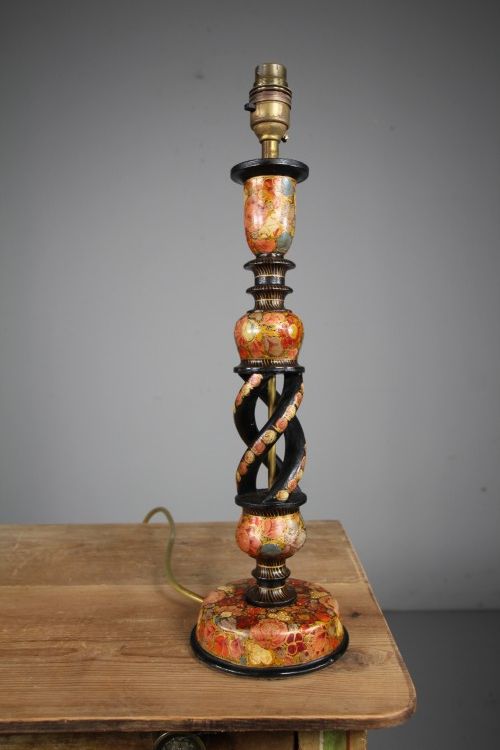
Surface treatments range from gold leaf applied over gesso on giltwood standards to polished mahogany, limed finishes, and decorative paintwork. Brass components frequently appear in bases and bulb mounts, adding metallic contrast to the timber and marble structures.
Materials in these listings range from mahogany and walnut to white marble, giltwood, and painted timber.
What varies in quality
The distinction between ordinary and exceptional pieces lies in the crispness of the carving on capitals and flutes, where hand-tooled depth outperforms shallow machine shaping. Heavier proportions and stable, well-balanced bases also separate superior floor and table lights from lighter, less substantial alternatives.
Material selection dictates the character of the piece, with dense timbers like walnut and mahogany or solid white marble carrying a natural gravity that lesser woods lack. Original surface patination and intact gilding preserve the visual integrity built by the original maker.
The Traditional Carved Column Lamps Glossary
- Corinthian
- A classical order of architecture characterised by ornate capitals decorated with acanthus leaves. It frequently crowns the tallest timber and gilt columns in this selection.
- Giltwood
- Timber coated with a thin layer of gold leaf or gold paint over a prepared gesso ground. This finish provides a luminous, reflective surface for eighteenth and nineteenth-century standards.
- Limed oak
- Timber treated with a specialised finish that leaves a white pigment in the open grain. The technique lightens the appearance of the oak while accentuating its natural texture.
- Standard lamp
- A tall floor-standing lighting fixture designed to illuminate a room from standing height. These pieces often mimic the height and dignity of heavy candlesticks or architectural pillars.
- Tripod wine table
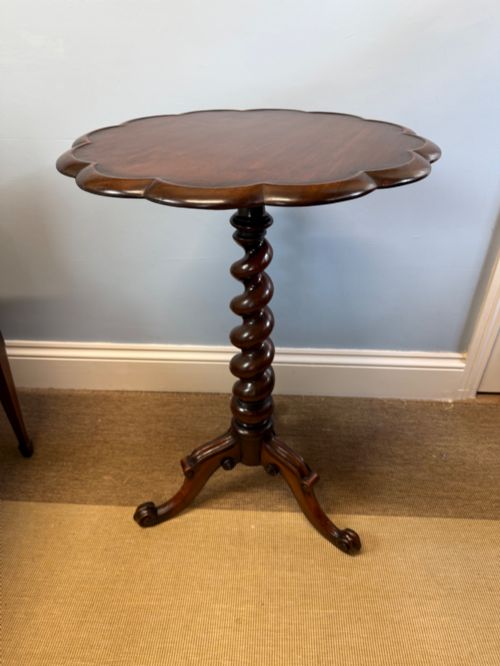
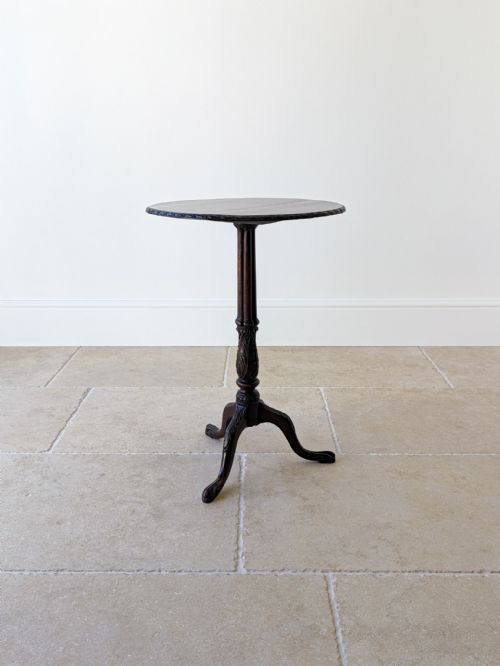
- A small three-legged occasional table, sometimes adapted or grouped alongside standard lamps in period interiors. It shares the turned pillar construction common to column lighting.
Traditional Carved Column Lamps: Frequently Asked Questions
What is a standard lamp?
A standard lamp is a tall floor-standing light designed to stand upright without table support. These pieces use weighted bases and substantial columns to hold shades at reading height.
In older interiors, they served the same functional purpose as floor-standing candelabras before electricity became standard.
How do I date a wooden column lamp?
Dating relies upon examining the timber species, the turning style, and the method of construction. Revival styles from the Victorian and Edwardian eras often copy earlier Georgian or William IV proportions.
Surface patination and the type of wiring channels also provide clues to the age of the piece.
Where should I place a column lamp?
Floor-standing standard lamps suit corners, beside armchairs, or near large pieces of furniture where their vertical lines balance the room. Table lamps fit well on sideboards, chests, or occasional tables.
Their classical proportions work best when given enough space to be seen as sculptural objects rather than hidden behind upholstery.
Are these lamps rewired for modern use?
Many antique and vintage lamps undergo rewiring to meet contemporary safety standards while preserving their original exterior appearance. This allows them to function safely in modern homes.
Checking the internal cord and plug ensures the fixture is ready for daily use.