
Column Table Lights
These column table lights bring upright classical dignity and warm illumination into a room, spanning Victorian brass and Edwardian silver plate.
Column Table Lights
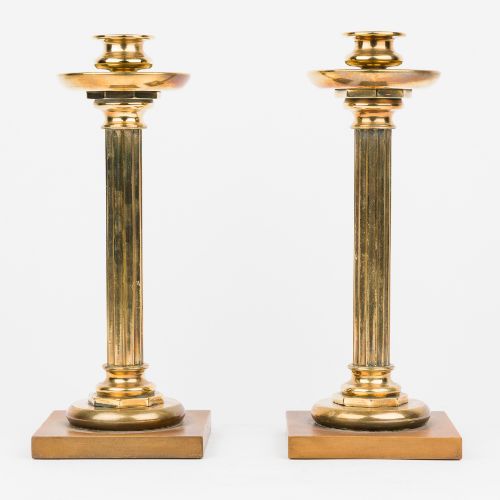
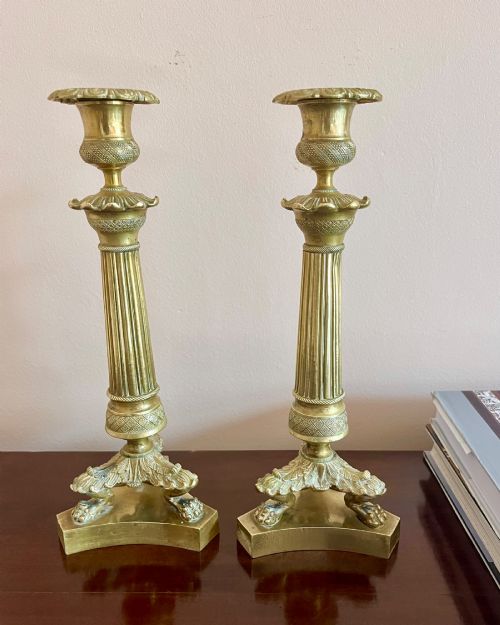
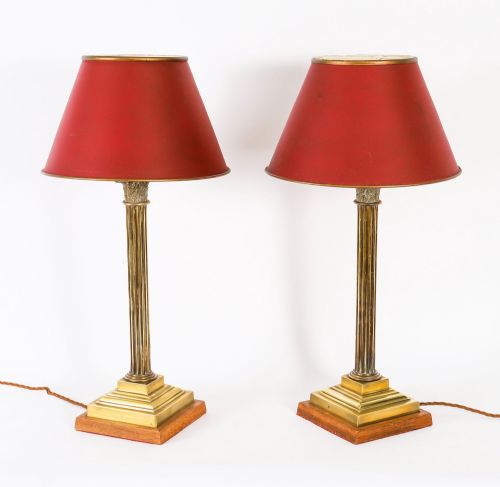
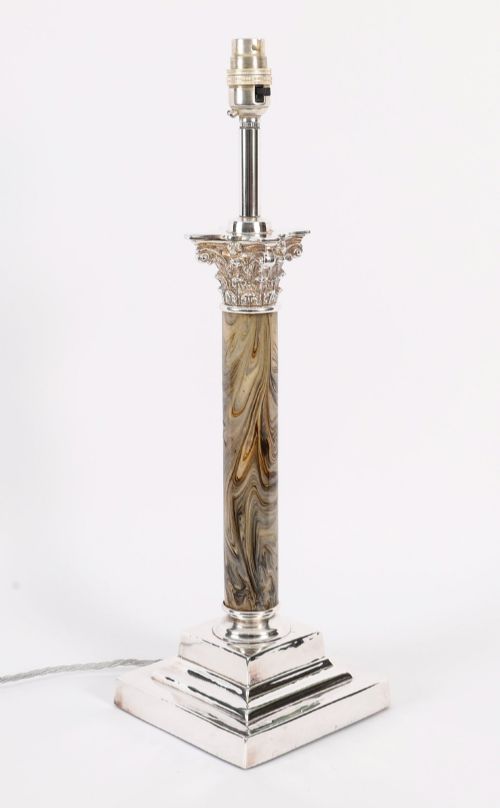
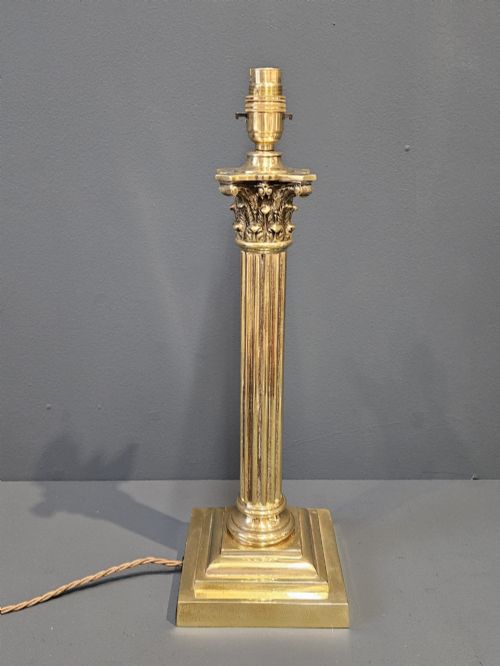
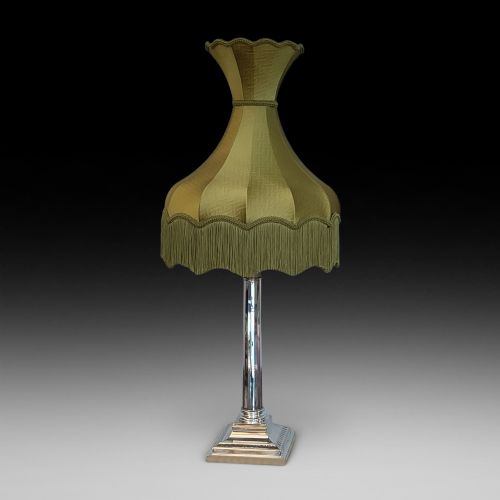
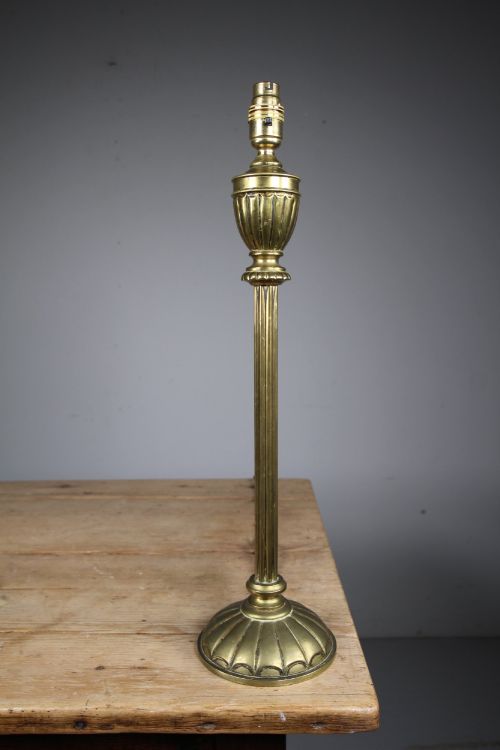
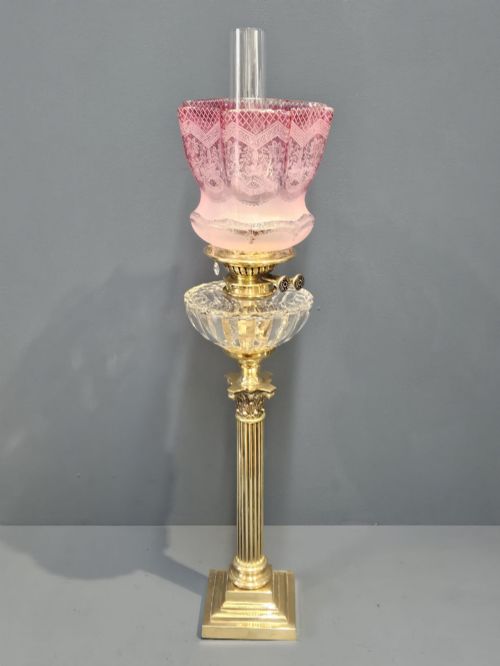
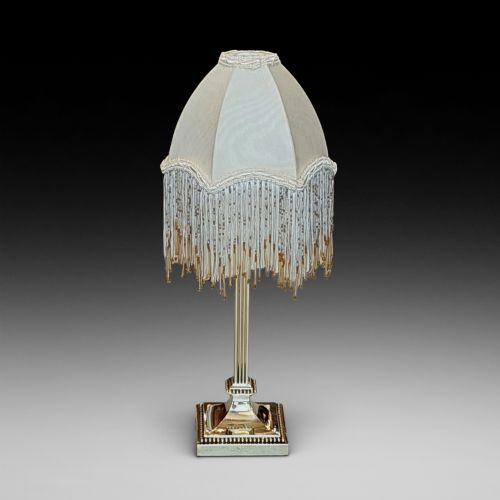
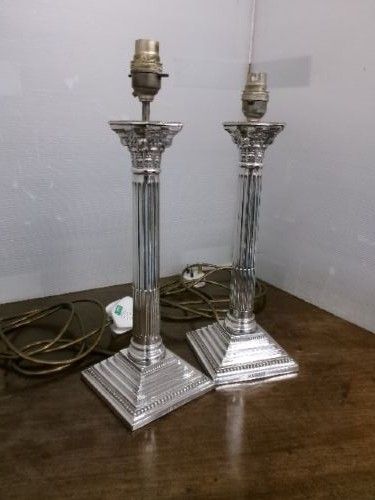
When you search for column table lights, you encounter a refined group of upright lighting fixtures, predominantly fashioned as architectural columns with stepped bases. These pieces stem from the nineteenth and early twentieth centuries, drawing heavily on classical orders such as Corinthian and Ionic forms.
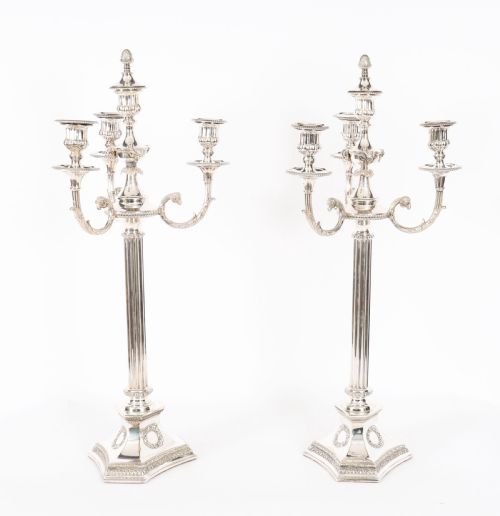
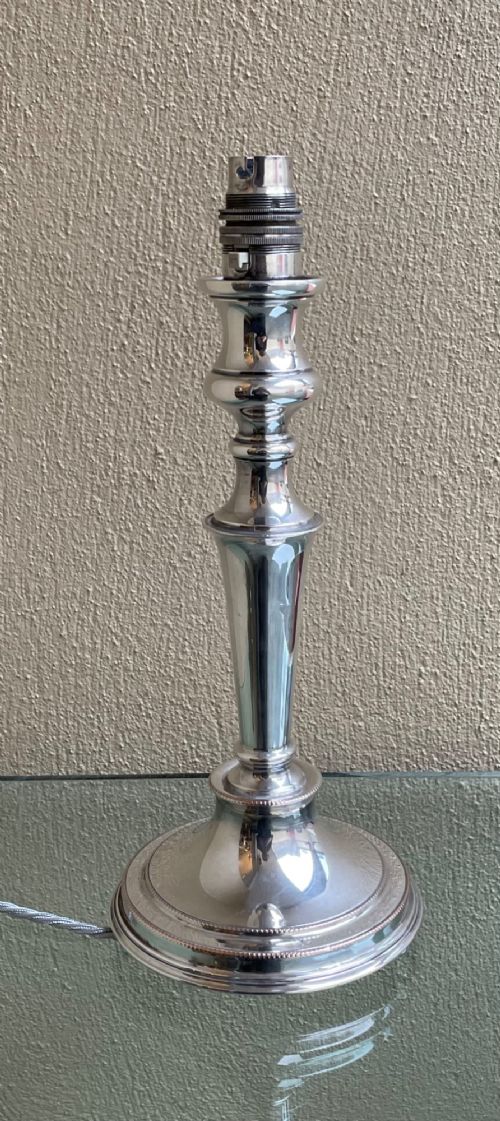
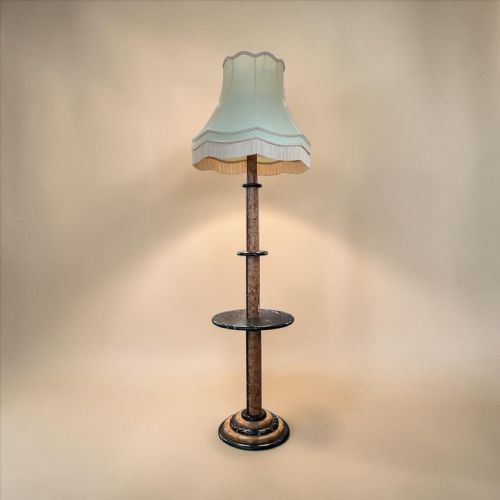
The selection on this page relies heavily on Victorian and Edwardian examples, alongside pieces from the 1920s and Georgian periods. You meet brass and silver-plated oil lamps converted to electricity, alongside sterling silver candlesticks and solid marble shafts.
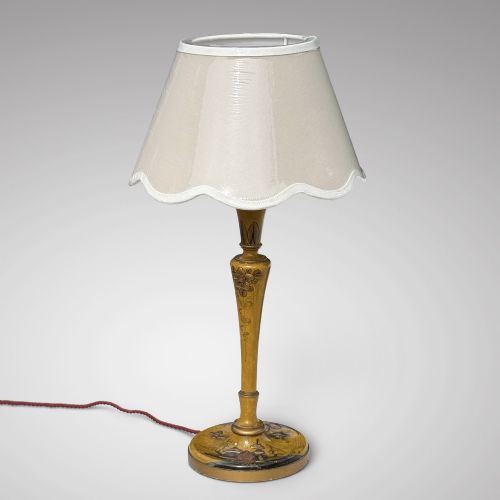
Many of these items began life as oil lamps or candlesticks before later conversion into table lamps. Alongside standard brass columns, the offerings include Chinoiserie lacquer, Kashmiri twists, and carved oak variants.
How they were made
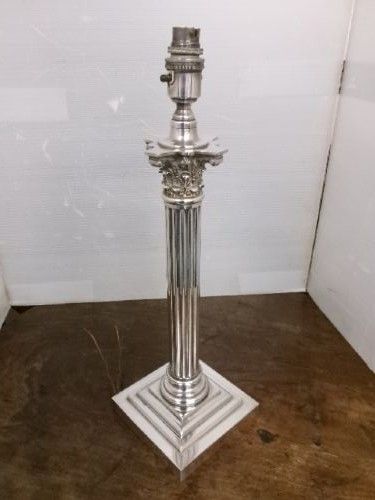
Brass, silver plate, and sterling silver form the structural backbone of these columns, often cast in heavy sections to provide a stable base. Metal components frequently feature detailed capital friezes, reeded shafts, and stepped plinths.
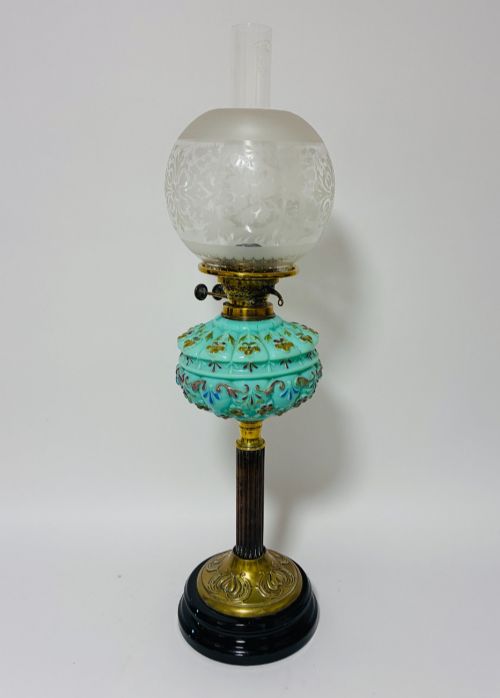
Marble and wood provide alternative column bodies, utilising solid stone and carved oak alongside lacquered finishes. Glass appears prominently in the removable fonts and decorative shades associated with oil lamp variants.
Listings feature materials spanning brass, fabric, glass, silver plate, marble, wood, and sterling silver across Victorian and Edwardian periods.
What varies in quality
The crispness of casting detail on the Corinthian capitals dictates much of the visual merit. Finer examples display sharp acanthus leaves and well-defined fluting along the shaft, whereas simpler pieces show softer, more rounded contours.
Material weight and finish integrity separate standard production from superior examples. Heavy gauge brass and uniform silver plating denote higher grade workshop output, while substantial marble bases provide better structural permanence.
The Column Table Lights Glossary
- Corinthian column
- A classical architectural order featuring an ornate capital decorated with rows of acanthus leaves. This motif appears frequently on nineteenth-century brass and silver-plated lamp bases.
- Ionic column
- A classical style characterised by spiral scroll ornaments known as volutes on the capital. These columns offer a slightly simpler silhouette than their Corinthian counterparts.
- Duplex burner
- A double-wick mechanism found on Victorian oil lamps designed to produce a brighter flame. Many surviving lamps retain these brass fittings alongside their original galleries.
- Reeded shaft
- A decorative column design featuring parallel convex mouldings running vertically up the pillar. This technique adds texture and catches the light along the length of the metal.
- Silver plate
- A thin layer of silver fused to a base metal core such as brass or copper. This method provided the luxury appearance of solid silver at a more accessible cost.
Column Table Lights: Frequently Asked Questions
What periods do these column table lights come from?
The pieces span the Victorian, Edwardian, and Georgian eras, with numerous examples from the late nineteenth century and the 1920s.
Craftsmen produced these lighting fixtures across several decades, resulting in varied stylistic revivals ranging from classical Neoclassical forms to later Art Deco designs.
Were these always table lamps?
Many of these items began as oil lamps or candlesticks before being converted into electrical table lamps at a later date.
Original oil lamp components such as brass burners and glass reservoirs often remain intact beneath modern wiring.
What materials were used for the columns?
Brass and silver plate dominate the selection, frequently paired with fabric shades and glass fonts.
Alternative materials include sterling silver, solid marble, carved oak, and lacquered wood finishes.
How do I identify a Corinthian style lamp?
Corinthian lamps feature distinctive capitals at the top of the pillar adorned with carved acanthus leaf detailing.
This classical order stands apart from plain cylindrical shafts or Ionic columns with scrollwork volutes.
Are the oil lamps still functional?
Most oil lamps catalogued here have been adapted to hold electrical fittings for contemporary domestic use.
Some listings note previous rewiring, retaining their antique burners and decorative glass shades as decorative elements.