


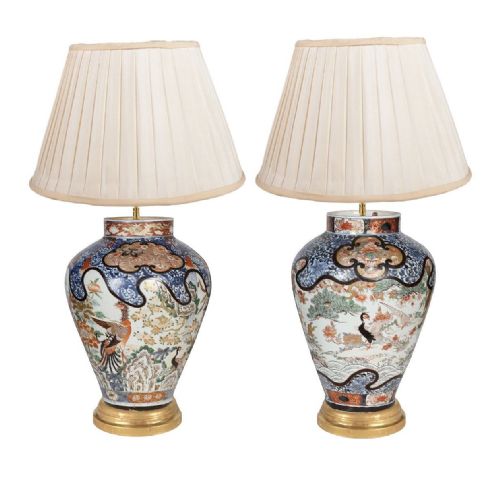

Red Shade Lamps
These red shade lamps bring a rich, warm glow to a room, drawing the eye with their distinctive coloured lighting.
Red Shade Lamps
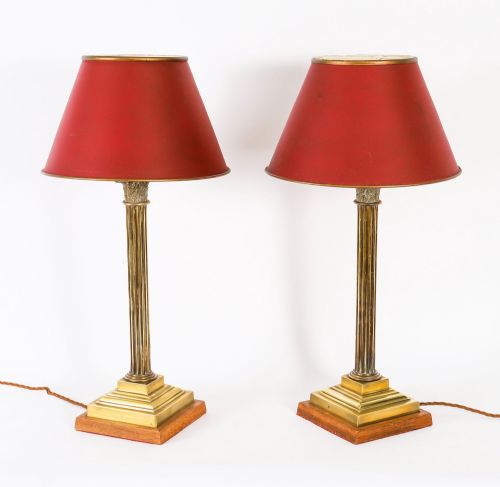
Red shade lamps encompass various lighting forms intended to cast a warm, coloured glow across a space. When searching for red shade lamps, buyers encounter diverse periods ranging from the eighteenth century through the Victorian and Edwardian eras up to the nineteen-twenties.
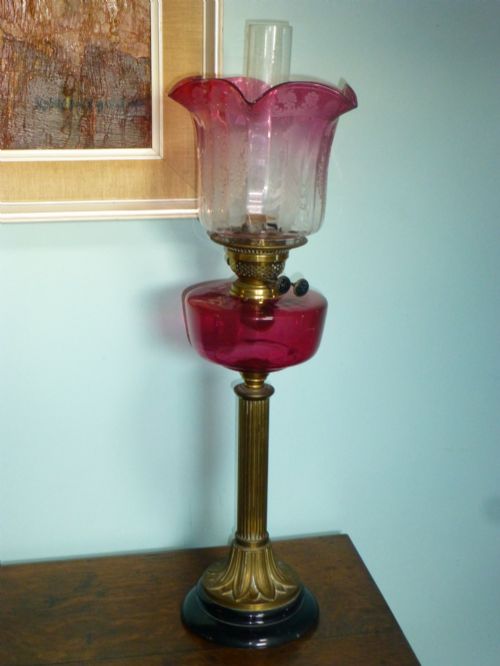
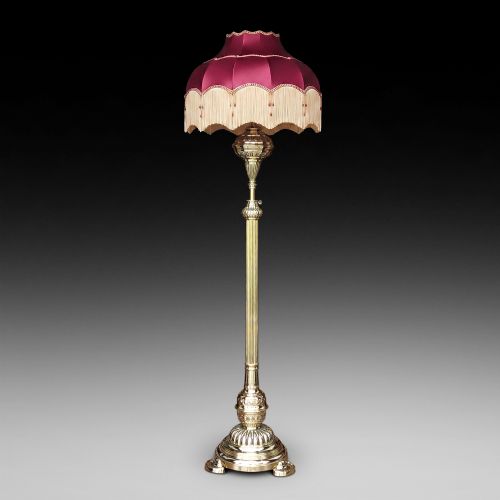
The selection includes table lamps, oil lamps, floor lamps, ceiling lighting, pendant lights and standalone lampshades. Brass bases paired with cranberry glass fonts or ruby etched shades appear frequently among these offerings.
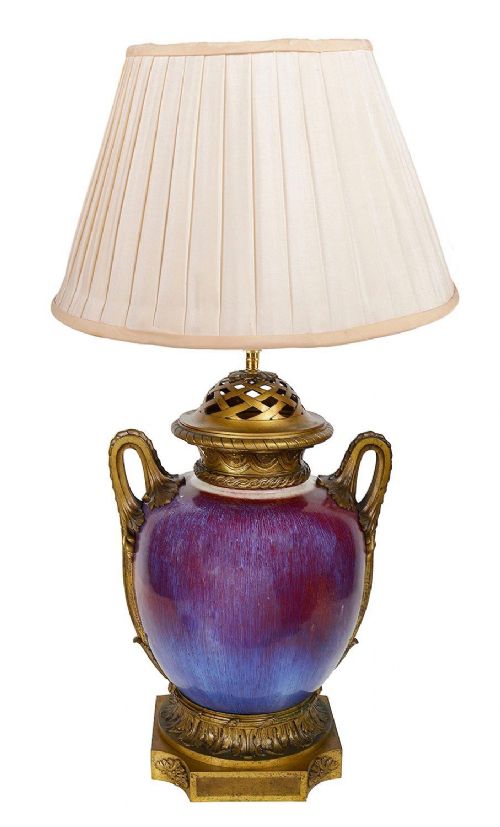
Origin styles span Victorian, Edwardian, Chinese Export, Qing Dynasty, Amsterdam School, French Empire and Rococo Revival. Converted vases from Chinese and Japanese kilns also serve as bases for these lighting pieces.
How they were made
Craftsmen utilised metals such as brass, ormolu, gilt bronze, pressed brass and silver plating to form structural bases and extending standards. Wood, including rootwood and lacquered finishes, provides further structural variety.
Glassmaking techniques yielded cranberry glass, ruby etched glass, dimpled glass, crystal and cut glass for fonts, shades and bodies. Porcelain and ceramic traditions supplied vases and vessels from Chinese, Japanese and European makers.
Fabric elements include handmade silk and linen shades paired with metal or ceramic bodies. Enamel and tole peinte surface treatments add colour and decorative detail to the metal components.
Some nineteenth-century oil lamps boast double burners designed to impress guests with twice the usual brightness.
What varies in quality
The refinement of the casting and chasing in metal bases separates standard production from superior examples. Finely detailed brass Corinthian columns and crisply cast gilt bronze mounts demonstrate greater skill than plain turnings.
The depth and clarity of coloured glass, particularly in cranberry and ruby etched shades or fonts, indicate the skill of the glasshouse. Uniformity in colour and freedom from unintended bubbles mark better glasswork.
The integration of converted ceramic vases into lamp mounts reveals the care taken by the maker. Secure mountings that protect the original porcelain without causing damage represent superior workshop practice.
Hinks of B'ham·Karl Palda
The Red Shade Lamps Glossary
- Cranberry glass
- A type of transparent red glass produced by adding gold chloride to the molten metal. It is commonly found in Victorian oil lamp fonts and shades.
- Ormolu
- Gilded bronze used for decorative mounts and fittings on furniture and lighting. This technique involves applying a gold amalgam to a bronze base.
- Tole peinte
- Painted tinware used for decorative objects and lamp bases. It provides a smooth surface for detailed hand-painted ornament.
- Imari
- Japanese porcelain decorated in underglaze blue and overglaze red, gold and black. These vases often find new life as lamp bases.
- Duplex burner
- A double-wick oil lamp mechanism designed to produce a brighter flame. It requires a wider gallery and shade to contain the increased heat.
Red Shade Lamps: Frequently Asked Questions
How do I clean a fabric lampshade?
Dust fabric shades regularly with a soft brush or a dry microfibre cloth to prevent dirt from settling into the weave. Avoid using water or liquid cleaners on antique silk or linen unless handled by a professional restorer.
For stubborn marks, test a small hidden area first or consult a specialist textile conservator. Aggressive rubbing can damage fragile historical fabrics.
Can I convert an old oil lamp to electricity?
Many antique oil lamps have been safely converted to electricity to suit modern homes. This process typically involves running a cord through the burner mechanism without altering the historic font.
Retaining the original components ensures the piece keeps its character while functioning safely. Professional rewiring is recommended for all vintage lighting.
What is the best bulb for red glass shades?
Warm white LED bulbs work well inside red glass shades because they emit very little heat. Excessive heat can stress fragile nineteenth-century glass.
Lower wattage bulbs also prevent the coloured glass from washing out. They maintain the deep, moody glow characteristic of ruby and cranberry shades.
How do I date a brass table lamp?
Examine the construction methods, such as threaded joints, casting seams and the style of the base. Corinthian column designs and heavy brass weight often point toward the Victorian era.
Maker marks stamped onto the burner mechanisms or switches provide further chronological clues. Comparing the patina with documented examples helps confirm the period.