





Late Victorian Column Lamp
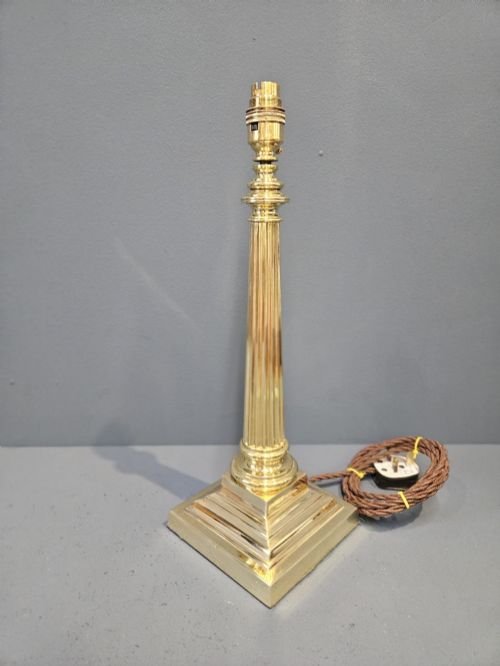
A late victorian column lamp brings classical proportions and heavy brass or silver plate into a room, offering warm illumination through architectural dignity.
Late Victorian Column Lamp
A late victorian column lamp takes its design cues from classical architecture, translating stone orders into domestic lighting forms. When you search for this phrase, you encounter standard floor lamps and smaller table lamps shaped as architectural supports.
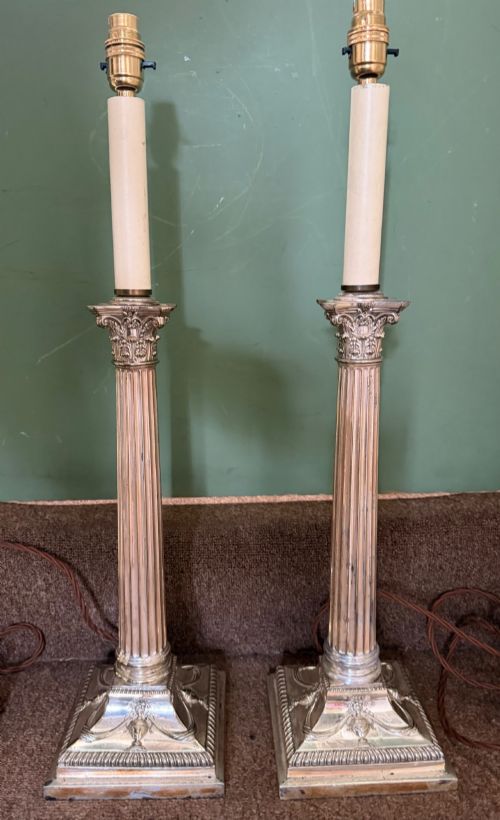
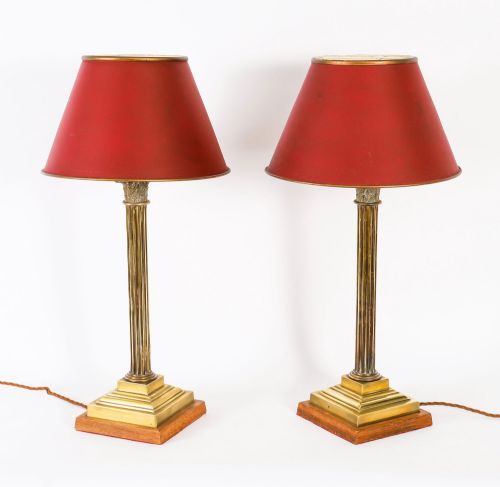
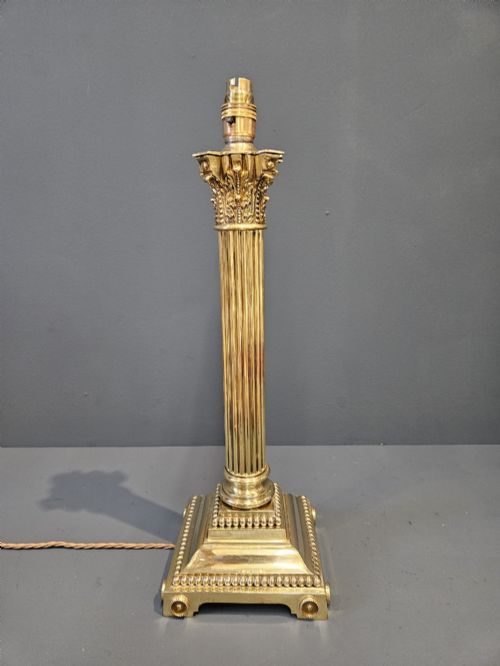
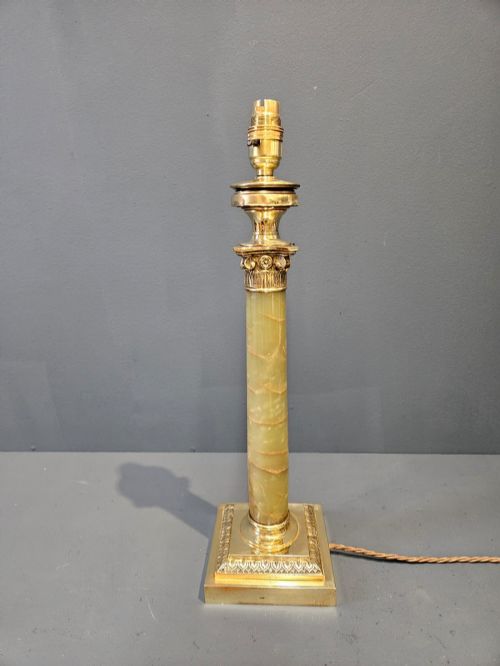
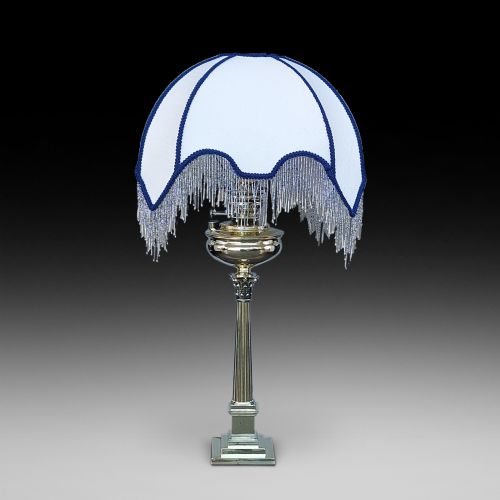
The versions most common on this page are formed from brass or silver plate, frequently adopting the Corinthian or Doric order. These pieces date from the Victorian period through to nineteen hundred, encompassing both standard oil burners and electric conversions.
How they were made
Metalworkers constructed these pieces using cast and turned brass, often applying a silver plate layer over the base metal for a brighter finish. Capitals and stepped plinths required detailed casting work to replicate ancient stonework in miniature.
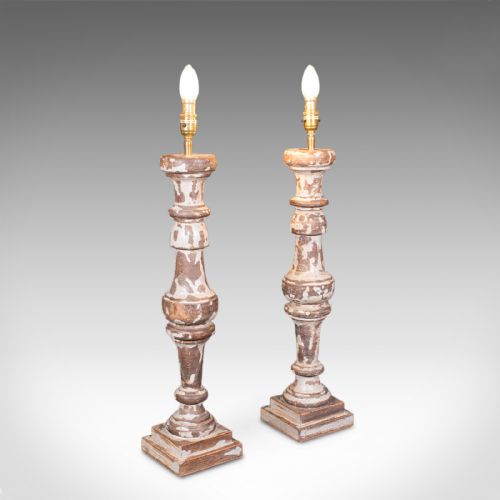
Makers occasionally combined metal shafts with contrasting materials such as marble, slate, onyx, or wood to add weight and colour variety. Many surviving examples show adaptations from oil reservoirs to electrical fittings as domestic technology shifted.
Late Victorian Column Lamp Retail Price Guide 2026
Typical asking prices for late victorian column lamp among the pieces listed under this phrase on Sellingantiques today, from the lower quarter to the upper quarter. They describe what is for sale here now, not the wider market.
Listings show these lamps appearing in both brass and silver plate, alongside variations incorporating marble, slate, and mahogany.
What varies in quality
Quality rests in the crispness of the casting on the capital and the stability of the overall proportions. Heavy gauge metal and solid mounting bases distinguish the sturdier floor and table examples from lighter, hollow alternatives.
The treatment of the metal surface also separates standard production from superior items. Thick silver plating that survives intact or well-maintained brass with original patination indicates better initial manufacture and careful ownership.
The Late Victorian Column Lamp Glossary
- Corinthian column
- An architectural order marked by an ornate capital decorated with carved acanthus leaves. This style appears frequently on heavy metal lamp shafts from the period.
- Doric column
- The simplest and sturdiest of the classical orders, featuring a plain capital and an unadorned shaft. Lamps using this form offer a more austere silhouette than Corinthian variants.
- Reeded column
- A vertical shaft carved or cast with parallel convex mouldings that run side by side. This decorative texture catches the light differently than smooth brass.
- Silver plate
- A thin layer of silver bonded to a base metal such as copper or brass. Many lamps in this category use this technique to mimic solid silver at a manageable weight.
- Standard lamp
- A tall floor-standing lighting fixture designed to illuminate a room from a corner or beside seating. These pieces often feature telescopic columns for height adjustment.
Late Victorian Column Lamp: Frequently Asked Questions
Were these originally oil lamps?
Many examples began life as oil lamps before being converted to electricity during twentieth-century household updates. Burner mechanisms were replaced with lamp holders during this transition.
Evidence in the archive shows numerous pieces described as standard oil lamps alongside modern rewired variants ready for contemporary use.
How do I clean brass and silver plate?
Brass components respond well to gentle dusting and occasional cleaning with a mild metal polish. Care is required on silver plated surfaces to avoid wearing through the thin outer layer to the base metal underneath.
Preserving the natural patination built up over a century is often preferred by collectors over aggressive polishing.
Are these lamps heavy?
These pieces possess substantial weight because makers used solid brass, cast metal, and dense base materials like marble or slate. This mass provides necessary stability, particularly for tall floor-standing standard lamps.
Lifting one reveals the sturdy construction required to support extended columns without tipping.
Can I adjust the height?
Certain floor-standing models incorporate telescopic brass mechanisms that allow the vertical shaft to extend or contract. This feature originally helped regulate light levels from oil burners above table height.
Examining the collar section reveals whether a specific piece includes this adjustable functionality.