





Traditional Carved Bedstead
A traditional carved bedstead anchors a room with solid timbers and historic form, offering enduring craft for daily rest.
Traditional Carved Bedstead
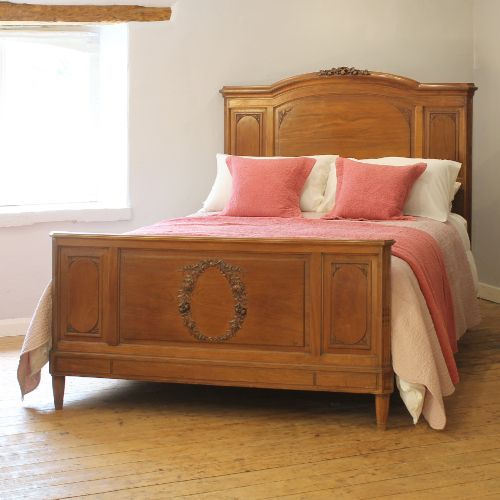
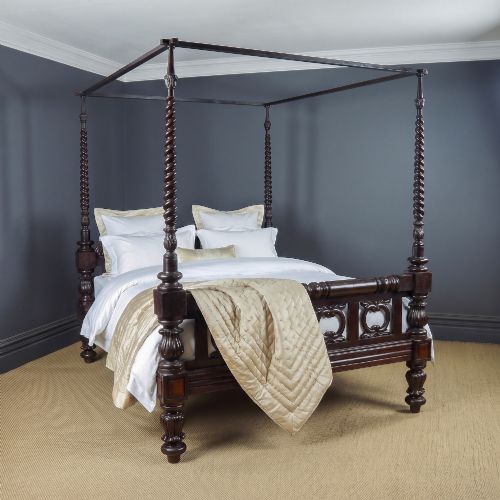
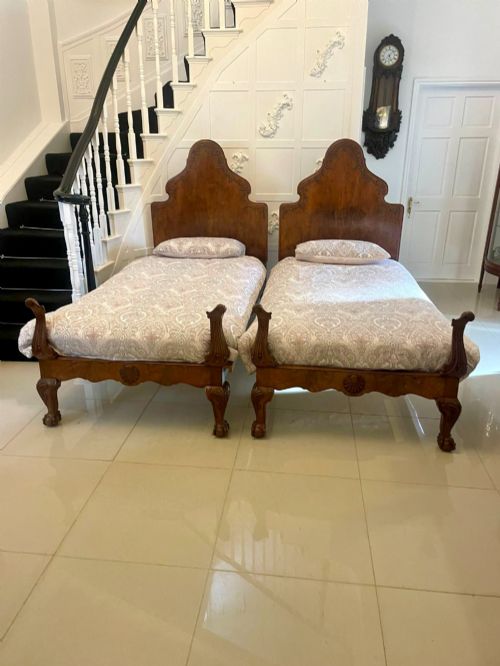
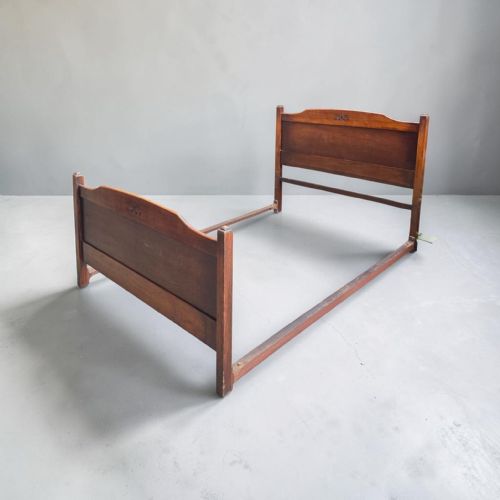
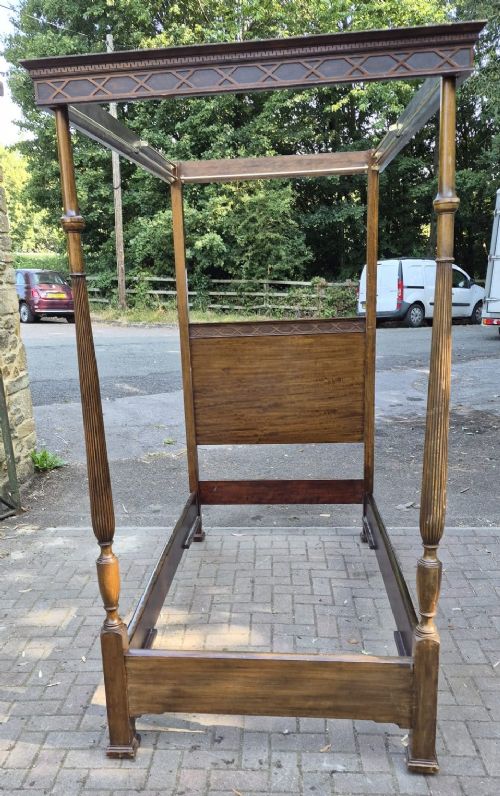
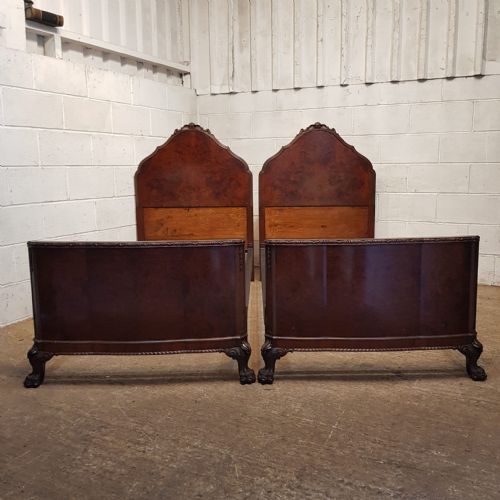
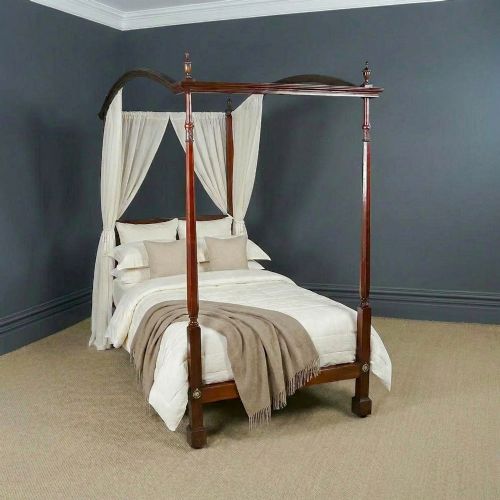
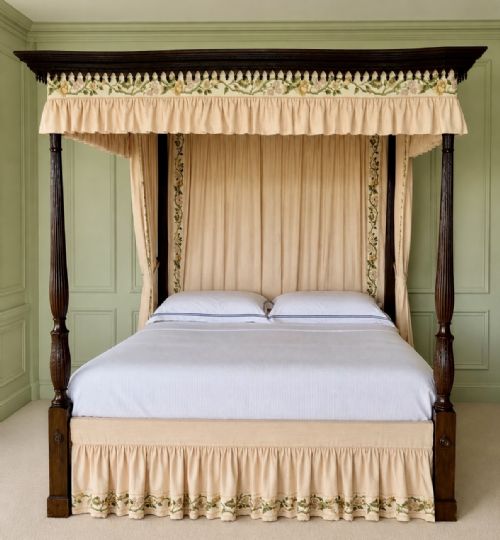
A traditional carved bedstead encompasses substantial frames designed for sleeping, ranging from simple panelled headboards to towering four-poster tester beds. When searching for a traditional carved bedstead, buyers encounter diverse forms including single beds, double frames, and grand king-sized structures.
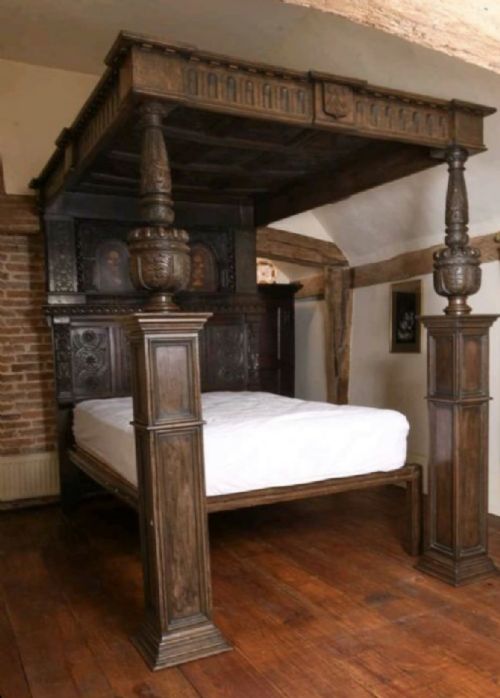
The selection on this page spans several centuries, drawing heavily from seventeenth-century oak designs, nineteenth-century mahogany iterations, and early twentieth-century walnut pieces. Makers utilised varied proportions to suit both expansive chambers and modest rooms, applying classical motifs and regional woodworking traditions.
What varies in quality
The depth and crispness of the hand-carving distinguish finer examples from simpler production, reflecting the skill of the original artisan. Superior pieces demonstrate harmonious proportions and careful timber selection, such as richly figured burr walnut or dense, unblemished oak.
Integrity of construction separates exceptional bedsteads from standard ones, visible in the tightness of the joints and the preservation of original timbers. Modifications for modern mattress sizes alter the historical fabric, while untouched frames retain their structural authenticity.
Listings feature oak, mahogany, walnut, and burr walnut across periods spanning the seventeenth century to the early twentieth century.
Heals of London·Howard & Sons
The Traditional Carved Bedstead Glossary
- Half Tester
- A wall-mounted or post-supported canopy that covers only the head end of the bed rather than the full length. This form appeared frequently in Victorian chambers.
- Panelled Bedstead
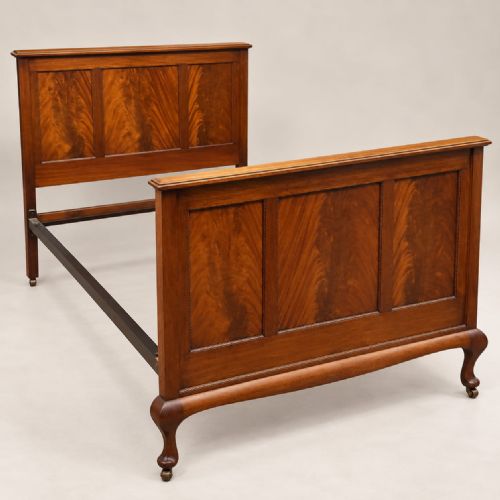
- A bed featuring flat or raised wooden panels within a framed headboard and footboard. Carpenters assembled these using traditional mortise and tenon joints.
- Four Poster Bed
- A bed with four vertical posts supporting an upper frame, sometimes draped with fabric. These monumental pieces date from the seventeenth century onward.
- Burr Walnut
- Wood cut from a walnut tree growth that produces intricate, swirling grain patterns. Cabinetmakers veneered this material onto primary woods for decorative impact.
Traditional Carved Bedstead: Frequently Asked Questions
How do I fit a modern mattress?
Many historic bedsteads require custom mattress dimensions or discreet internal frame adjustments to accommodate standard modern sizes safely. Consulting a specialist ensures the mattress rests securely without damaging antique side rails.
Original wooden slats are often supplemented or replaced with modern supportive bases to meet contemporary comfort standards while preserving the exterior visual framing.
How do I care for carved wood?
Maintenance involves dusting regularly with a soft, dry cloth and applying traditional beeswax sparingly to nourish the timber. Avoid placing these frames near direct heat sources or strong sunlight, which causes wood to dry and split.
Regular inspection of joints and bolts ensures the structural stability of heavy oak and mahogany frames over decades of daily use.
How do I date a wooden bedstead?
Dating relies on examining tool marks, timber species, joinery techniques, and stylistic motifs characteristic of specific periods like the seventeenth century or the Victorian era. Secondary woods used in hidden areas often provide clues to the region of manufacture.
Hardware, such as original bolts or brackets, also assists in determining the precise era of production.
Can I dismantle these beds for moving?
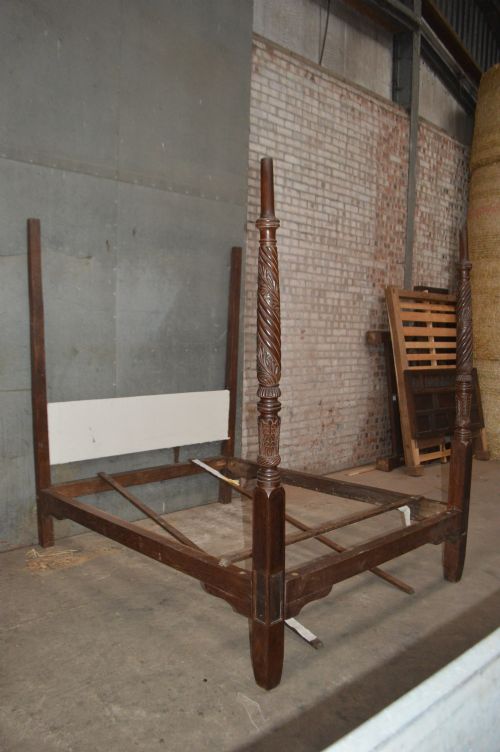
Most traditional bedsteads are designed to be fully disassembled into headboards, footboards, side rails, and testers for transport. Pegs, bed bolts, and slot-in joints allow for straightforward breakdown when handled with care.
Reassembly requires patience to align heavy timber components correctly without forcing historical joints.