


King Size Four Poster
A king size four poster turns a bedroom into a proper chamber, offering grand timber posts and generous proportions for modern mattresses.
King Size Four Poster
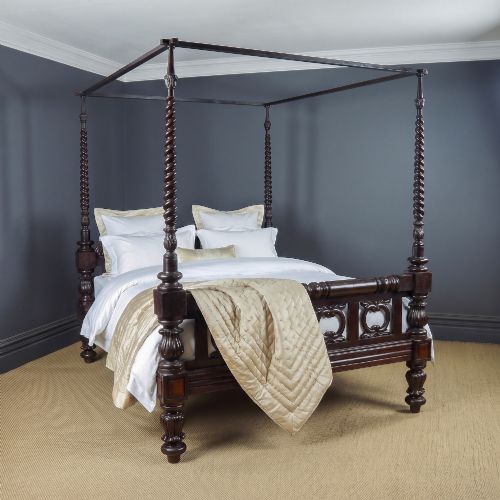
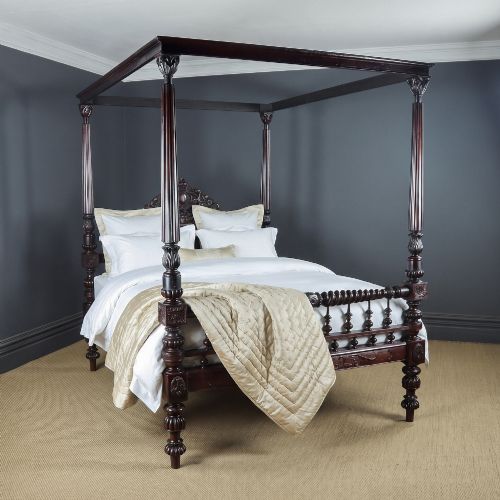
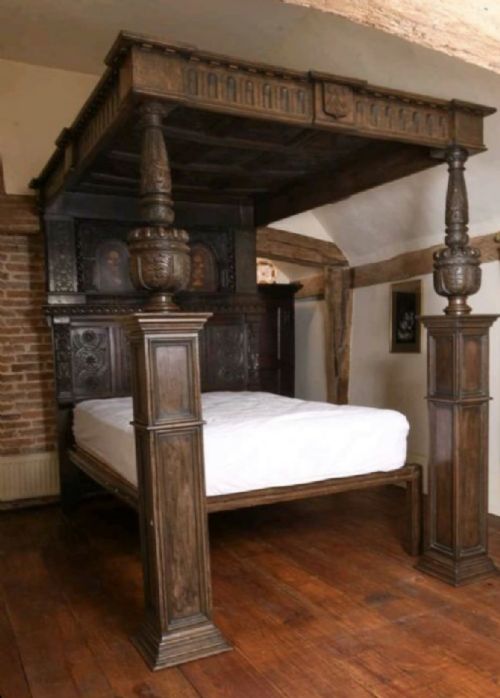
When you search for a king size four poster, you find substantial sleeping frames designed to accommodate a five-foot mattress while retaining traditional vertical posts and testers. The pieces seen here span from the seventeenth century through the Victorian era up to 1900, bringing considerable presence to a room.
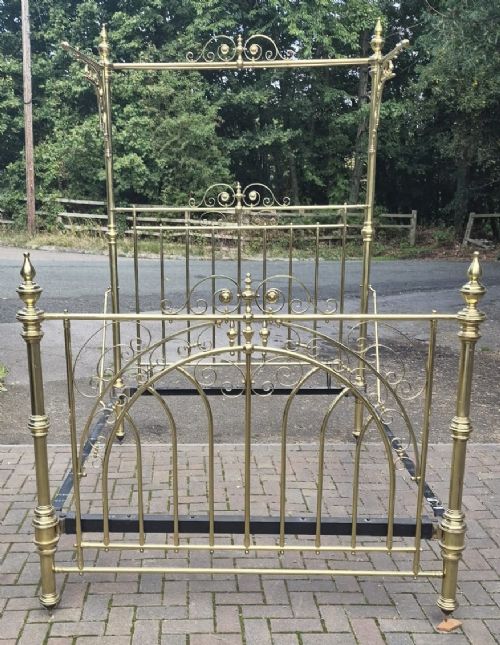
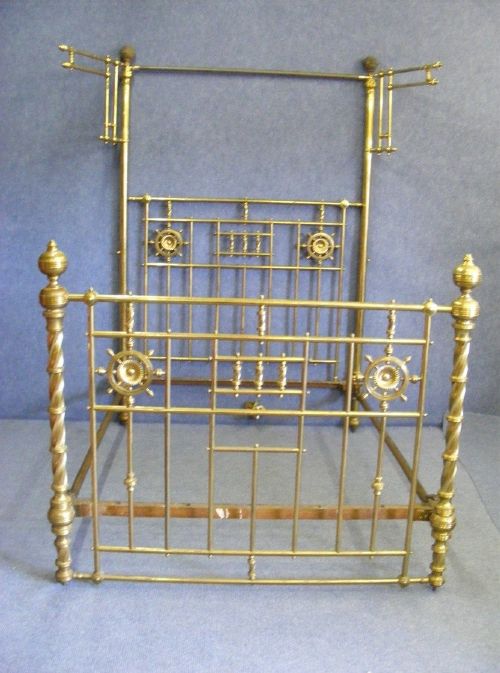
You meet several distinct forms on this page, including heavy oak seventeenth-century frames, grand mahogany Chippendale and Victorian pieces, and intricate Anglo-Indian colonial designs in teak and flame mahogany veneer. Brass and cast iron half tester bedsteads also appear alongside traditional four-poster structures.
Origin and period dictate the character of each bed, with nineteenth-century Anglo-Indian workshops producing richly carved hardwoods, while earlier English examples rely on structural oak and precise classical proportions. Each surviving frame shows how historic bedmaking adapts to modern width requirements without losing its architectural integrity.
How they were made
Joinery on these frames relies on heavy hardwoods such as oak, mahogany, and teak, shaped with deep mouldings and structural posts that support the overhead tester. Cabinetmakers utilised flame mahogany veneer to add rich grain patterns to visible surfaces on later nineteenth-century examples.
Metal components play a major structural role in the Victorian half tester beds listed here, combining cast iron frames with polished brass tubing and decorative fittings. Carving is executed directly into the timber on Anglo-Indian colonial and Chippendale pieces, creating high-relief ornamentation on posts and headboards.
Early seventeenth-century sleepers required shorter bed frames because they slept in a semi-recumbent posture to aid breathing.
What varies in quality
The depth and crispness of timber carving separate ordinary frames from exceptional ones, particularly on Anglo-Indian and Chippendale pieces where hand-chiselled detail defines the posts. Timber selection also matters, as well-figured flame mahogany veneer and dense mature oak display superior colour and grain depth compared to plain utility stock.
Proportion and structural retention determine the overall merit of a bedstead, ensuring that extended king-size proportions look balanced rather than stretched. Original brass fittings and authentic period cast iron components preserve the integrity of metal half testers much better than later replacements.
RW Winfield
The King Size Four Poster Glossary
- Half tester
- A wall-mounted or post-supported canopy that extends only partway over the head of the bed rather than covering the full length.
- Flame mahogany veneer
- A thin slice of mahogany timber cut from the fork of the tree where the branches meet, creating a distinctive flickering flame pattern.
- Anglo-Indian colonial
- Furniture made in India by local craftsmen during the British Raj, combining traditional European forms with dense tropical hardwoods and intricate local carving.
- Bedstead
- The framework of a bed supporting the mattress and springs, distinct from the soft furnishings and bedding placed upon it.
King Size Four Poster: Frequently Asked Questions
How do I fit a modern mattress?
Many antique frames accommodate standard five-foot mattresses, though historical dimensions can vary slightly depending on the exact decade of manufacture. It is sensible to check internal rail measurements before ordering a new mattress to ensure a snug fit.
Some nineteenth-century frames utilise wooden slats or updated iron supports that sit within the original side rails. A professional upholsterer or specialist bed maker can adjust internal supports discreetly without altering the exterior appearance.
Are brass half testers sturdy?
Victorian brass and cast iron bedsteads were engineered for heavy daily use, combining iron structural frames with substantial brass tubing. They offer remarkable rigidity when bolted together correctly.
Over decades of use, joints can loosen, so periodic tightening of bolts ensures the frame remains stable. The heavy metal construction provides a robust alternative to timber without sacrificing decorative presence.
How do I date an oak frame?
Dating an early timber bed involves examining the joinery marks, tool impressions, and the method by which the posts connect to the headboard and tester. Seventeenth-century pieces typically show hand-pegged mortise and tenon joints.
Patina and timber shrinkage over centuries create a distinct surface texture that modern reproductions struggle to replicate. Examining the underside of rails and hidden framing reveals original construction methods.