





Traditional British Fine Art
Traditional British fine art centres on oil and watercolour paintings capturing landscapes, portraits, and rural scenes from past centuries.
Traditional British Fine Art
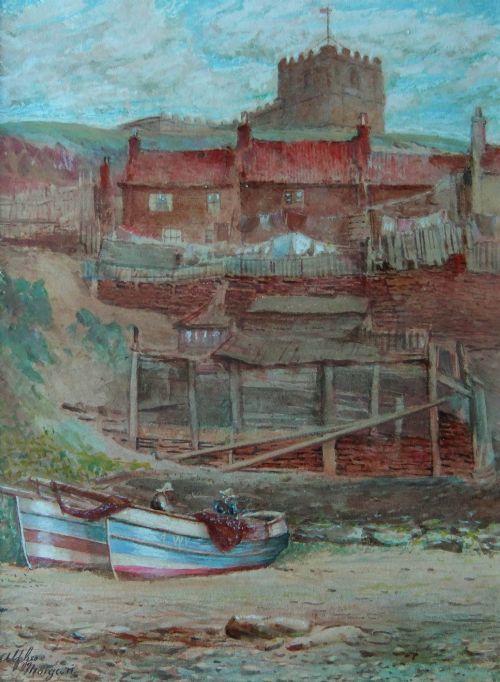
Traditional British fine art encompasses oil and watercolour paintings created across the nineteenth and early twentieth centuries, reflecting changing aesthetic movements. Buyers searching for traditional British fine art frequently encounter landscapes, genre scenes, and portraits originating from English, Scottish, and Welsh settings.
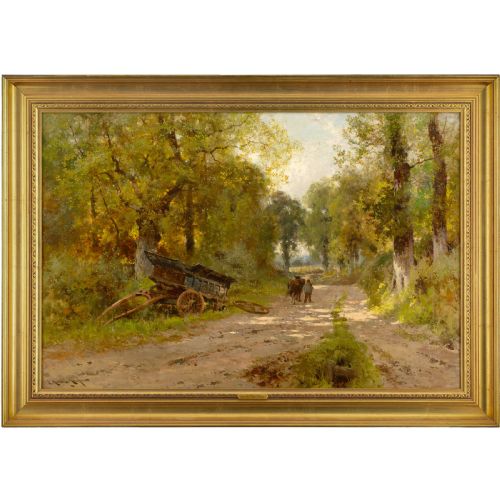
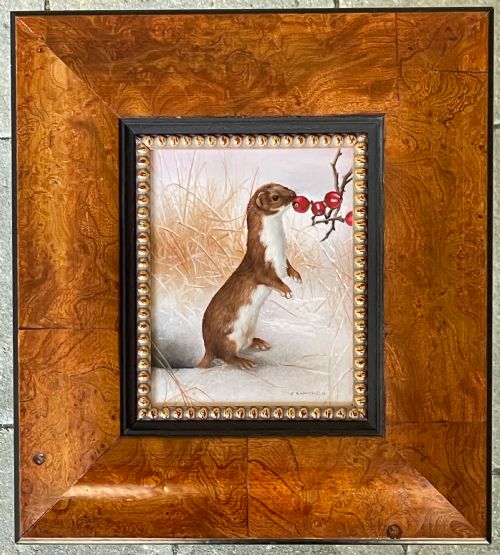
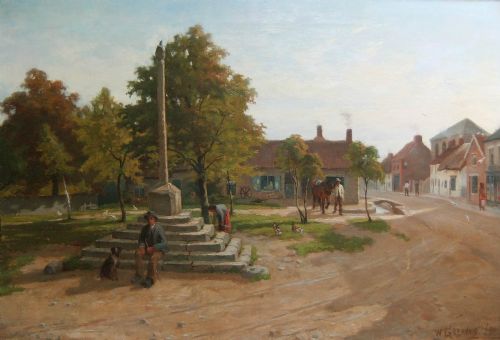
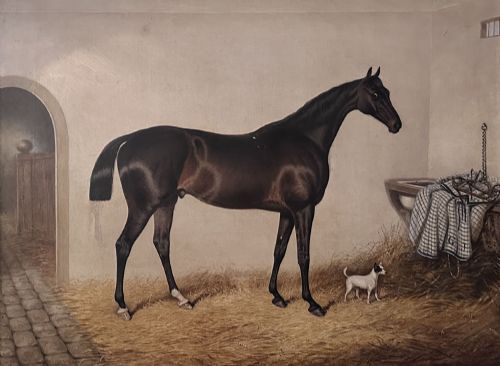
The prevalent forms include framed oil paintings on canvas or wood panel alongside detailed watercolours depicting rural life, rivers, and coastal views. Victorian pastoral works and British Impressionism dominate the selection, showing rural farmsteads, horse fairs, and Highland landscapes.
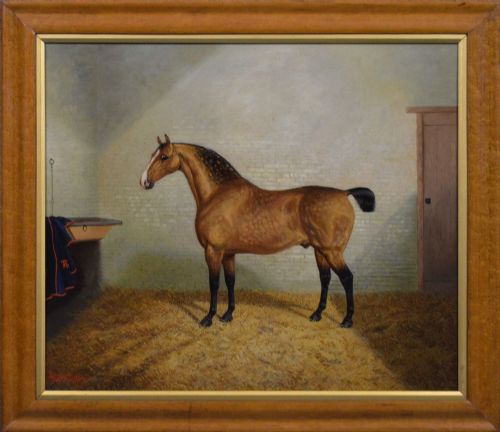
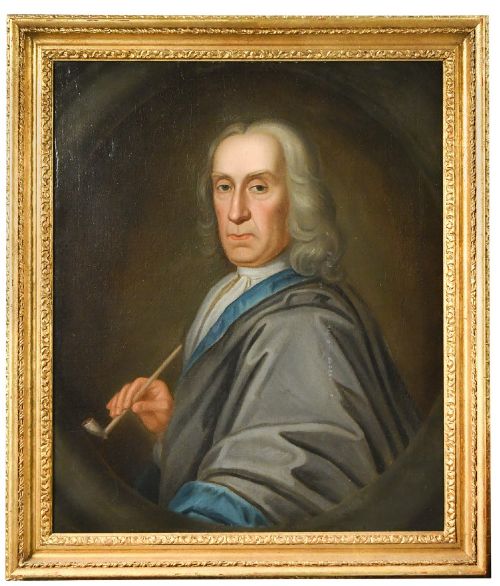
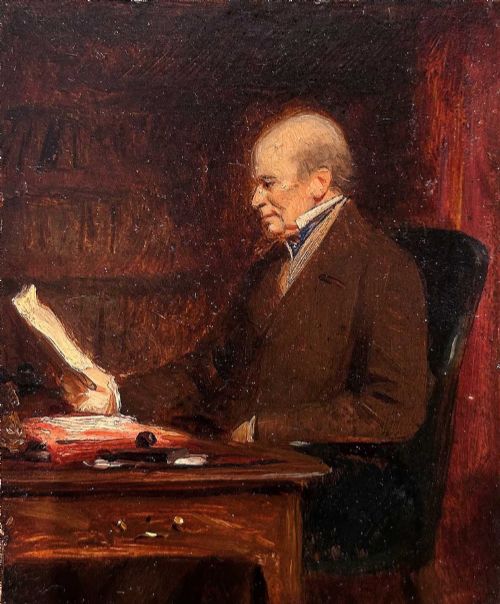
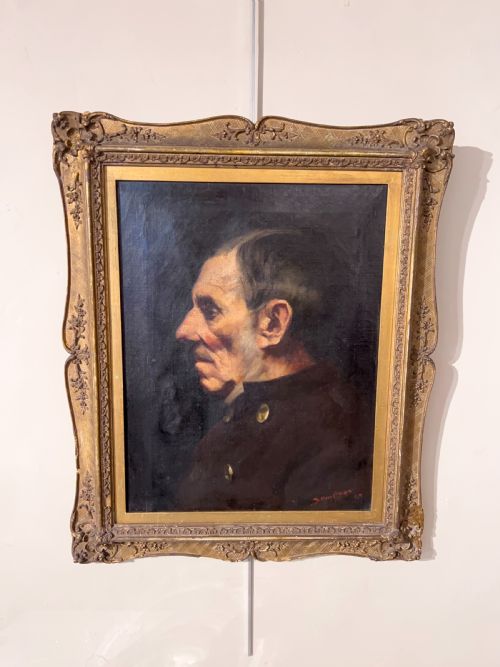
Pieces range from intimate character studies to large landscape vistas painted by named artists and regional schools. These artworks record historical topography and domestic life through academic techniques passed down through generations.
Materials and construction methods
Artists painted primarily with oil paint on stretched canvas, wooden panels, or prepared board, sometimes applying canvas later laid onto board for structural support. Watercolours were executed on heavy paper to capture translucent atmospheric effects in river scenes and townscapes.
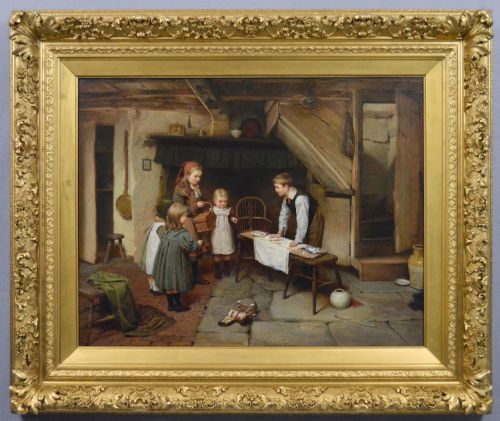
Frames frequently consist of carved giltwood or gilt wood, complementing the warm tones and detailed brushwork of the paintings within. Pigments were layered to build depth in landscape skies and shadow areas, while fine brushes defined intricate details in figures and foliage.
Listings span the nineteenth and twentieth centuries, incorporating Victorian, Edwardian, and mid-century periods alongside Georgian works.
Distinctions in quality
Quality rests upon the artist's handling of light, brushwork precision, and compositional balance within the landscape or portrait. Finer examples display confident pigment application and nuanced tonal gradations that create genuine atmospheric depth.
Condition plays a central role, distinguishing works with original stable surfaces and period frames from those requiring extensive restoration. Provenance and exhibition history, such as inclusion in Royal Academy shows, elevate the standing of a piece.
Tom Campbell·John Horace Hooper·Albert Clark·Stephen Pearce·Carl Whitfield·William Greaves·Harry Brooker·Bertram Priestman·Haynes King·John Sanderson Wells·Reginald Grange Brundrit·Herbert Royle·Owen Bowen·George Vicat Cole·Thomas Spinks·Thomas Hill·George Hilditch·Sidney Richard Percy·Charles Leslie·Robert Finley McIntyre·Robert Winchester Fraser·James William Booth·John Atkinson·Benjamin Williams Leader·William Pitt
The Traditional British Fine Art Glossary
- Canvas
- A heavy woven fabric stretched across a wooden frame to serve as a painting surface. It provides texture and resilience for oil pigments.
- Giltwood
- Wood carved and coated with a thin layer of gold leaf or gold paint. This material was standard for framing significant nineteenth century paintings.
- Genre painting
- Artwork depicting scenes from everyday life, often featuring ordinary people in cottages, fields, or markets. These pieces tell narrative stories of domestic routines.
- Watercolour
- A paint consisting of pigment suspended in a water-soluble vehicle, applied to paper. It allows for delicate washes and luminous effects.
- Wood panel
- A flat wooden board used as a rigid support for oil painting before canvas became universal. Panels offer a smooth ground for fine detail.
Traditional British Fine Art: Frequently Asked Questions
What subjects appear in traditional British fine art?
Paintings depict British landscapes, rivers, livestock, and rural farmsteads alongside formal and informal portraits. Scenes often record specific locations in Yorkshire, Wales, and Scotland during the Victorian and Edwardian eras.
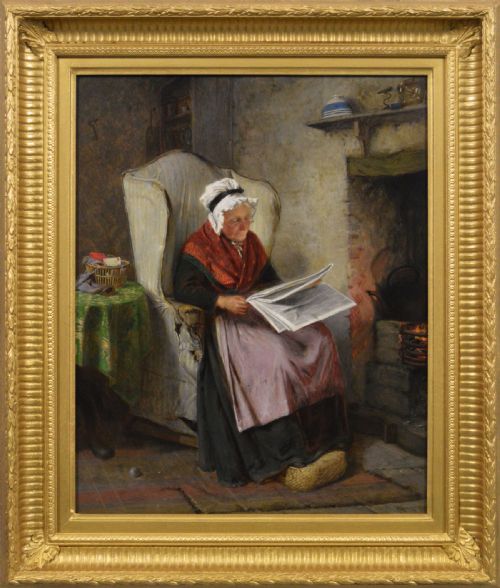
Artists focused heavily on everyday country life, capturing horse fairs, hay fields, and cottage interiors with detailed realism.
How do I date an antique British painting?
Dating relies on stylistic evidence, artist lifespans, framing methods, and stretcher construction behind the canvas. Catalogues and signatures inscribed on the front or reverse provide direct chronological markers.
Victorian and Edwardian works often carry exhibition labels or dates written by the artist alongside the title.
Where should I hang an oil painting?
Oil paintings require stable interior walls away from direct sunlight, high humidity, and extreme temperature fluctuations from radiators. Proper placement protects both the canvas tension and the delicate giltwood frame.
Keep works at eye level in well-ventilated rooms to appreciate the fine brushwork and colour harmony.
What is the difference between oil and watercolour?
Oil paint utilises suspended pigments in drying oils on canvas or wood, creating rich textures and deep opacity. Watercolours use water-soluble mediums on paper, producing lighter, translucent washes.
Oils are traditionally framed with heavy giltwood surrounds, while watercolours require protective glass and mount boards.