
Traditional Brass Table Lamp
Traditional brass table lamp designs bring heavy metal casting, classical columns and converted oil fonts straight onto the writing desk.
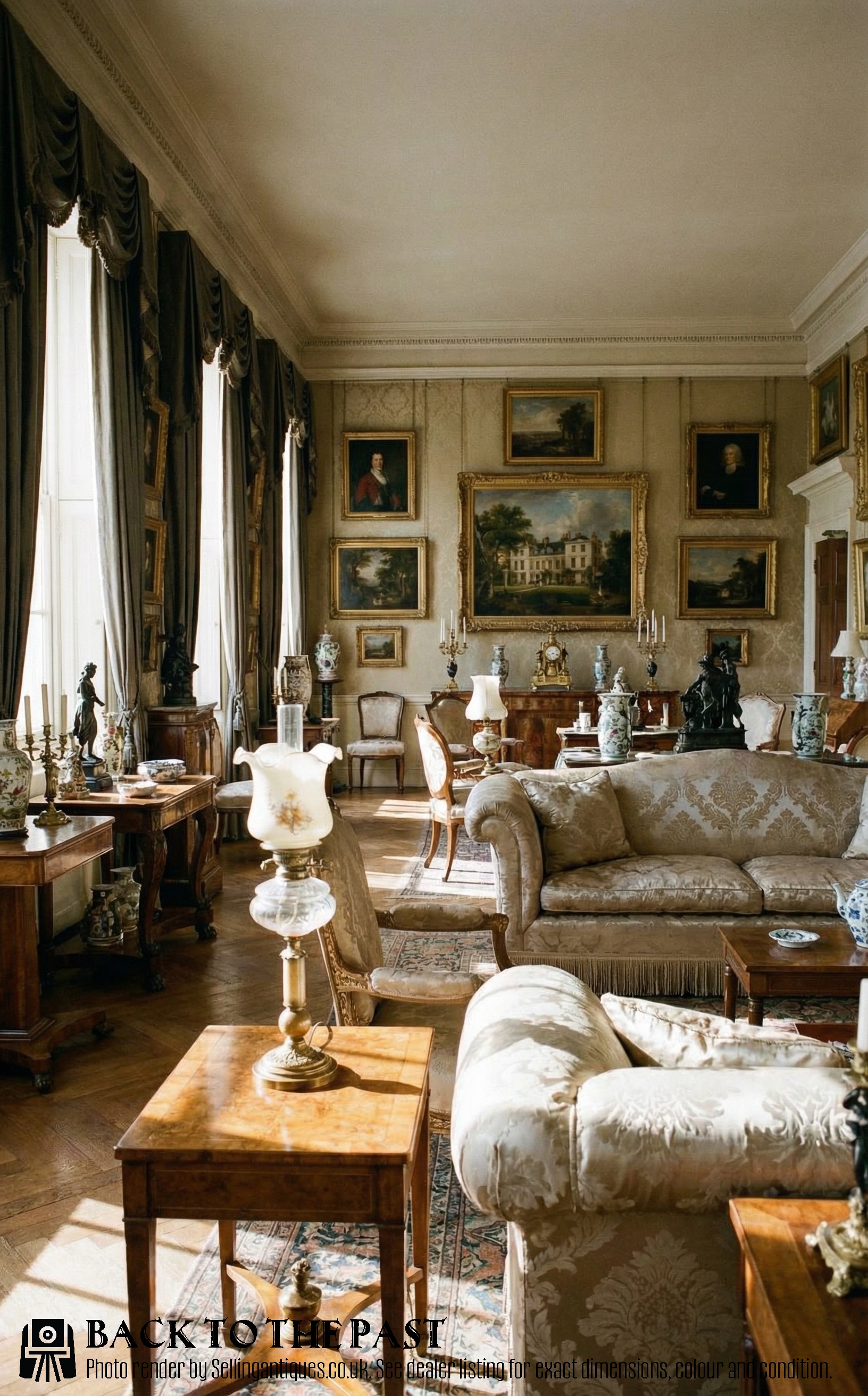
Traditional Brass Table Lamp
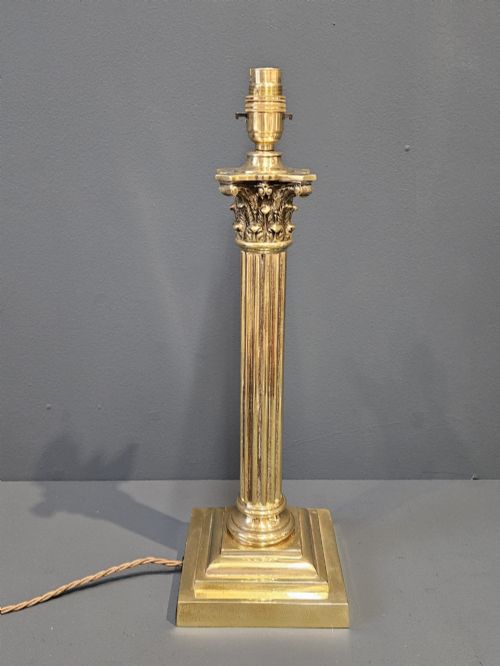
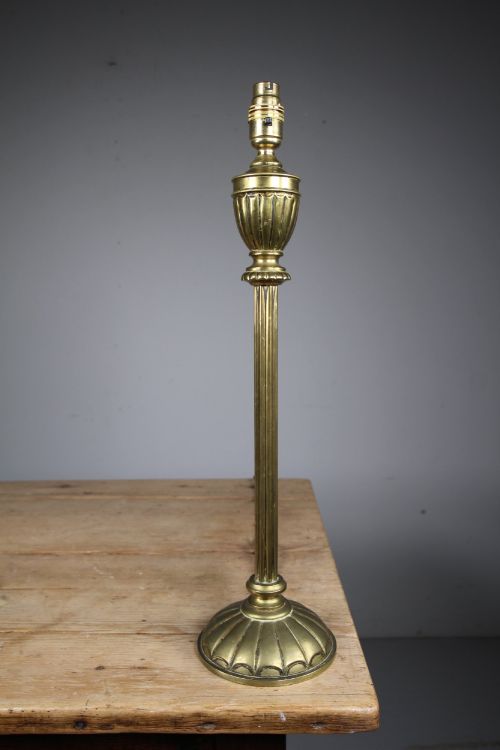
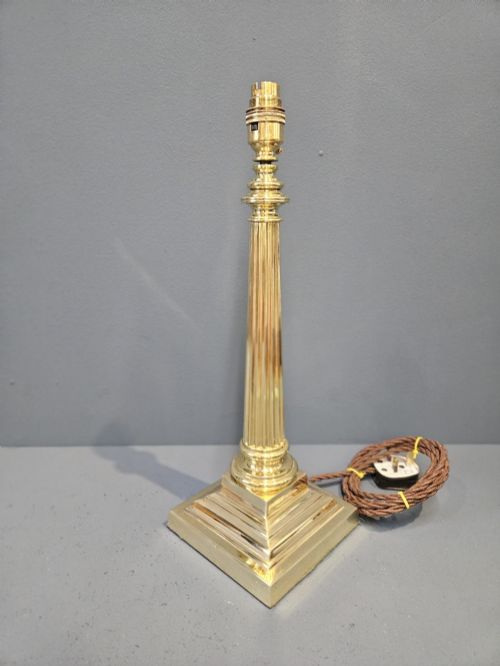
A traditional brass table lamp draws on nineteenth and early twentieth century lighting forms, spanning the Victorian and Edwardian eras alongside 19th Century and 1900 periods. Buyers searching for a traditional brass table lamp frequently encounter stately column designs, such as Corinthian, ionic, and reeded shafts, which replicate classical architecture in miniature.
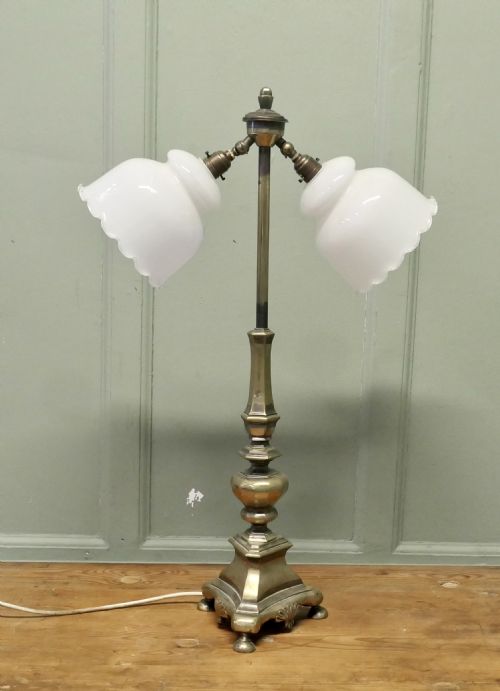
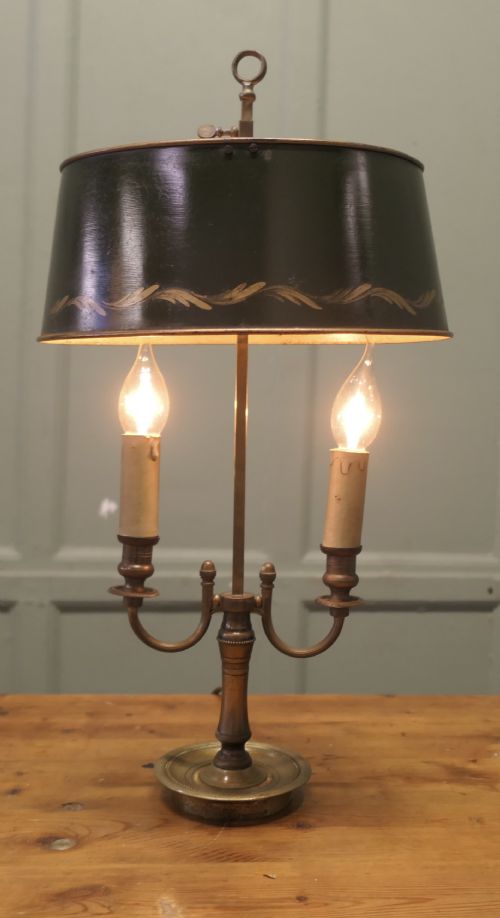
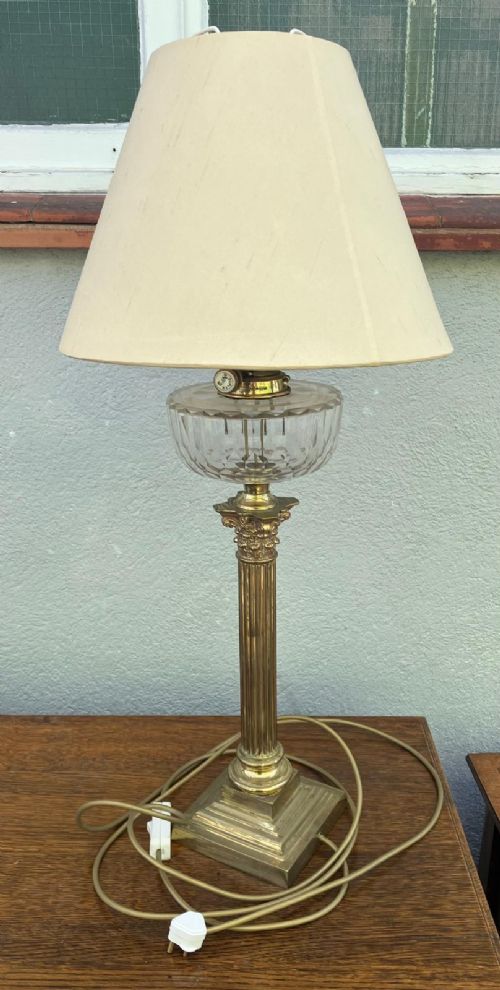
Beyond architectural columns, the selection includes converted oil lamps featuring glass fonts, bouillotte desk lamps with toleware shades, and twin-angled reading lamps from the 1920s. Variants stretch from simple hexagonal baluster shapes to elaborate Romanesque and early Gothic styles, demonstrating how utilitarian lighting evolved into decorative room focal points.
Materials and construction methods
Construction relies primarily on brass, often paired with secondary materials like fabric shades, moulded glass fonts, ceramic bodies, and occasionally oak or mahogany components. Metal elements use casting and turning techniques to produce rigid structural columns, heavy bases, and detailed capitals.
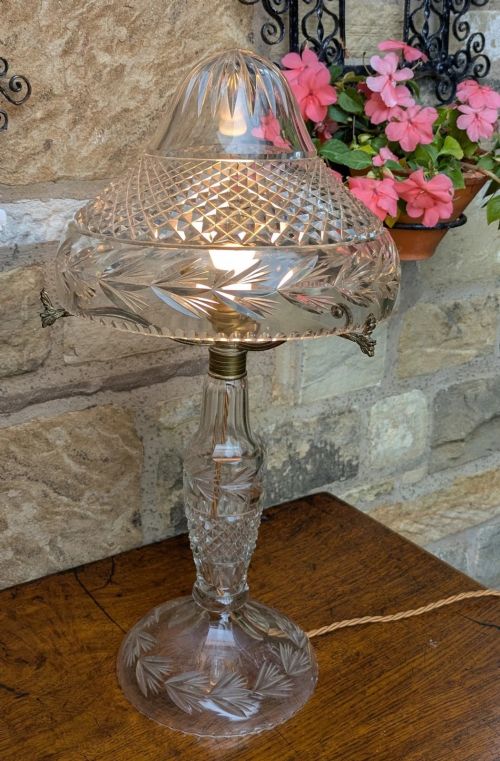
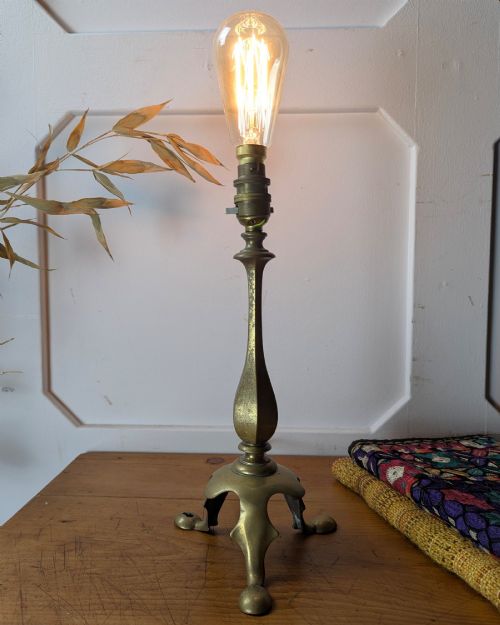
Many historical examples incorporate functional mechanisms or are adapted from older lighting types, converting oil lamps, candlesticks, and student lamps into electric fixtures. Glass elements, including cut crystal and opaline shades, complement the metalwork through blowing and pressing techniques typical of the Victorian period.
Listings span the Victorian, Edwardian, and 19th Century periods, incorporating materials such as brass, glass, oak, and toleware alongside classical column and desk lamp forms.
What determines quality in these pieces
Quality rests in the crispness of the metal casting and the weight of the brass used in the column and base. Superior pieces exhibit deeply carved acanthus leaves on Corinthian capitals and substantial wall thickness rather than pressed sheet metal.
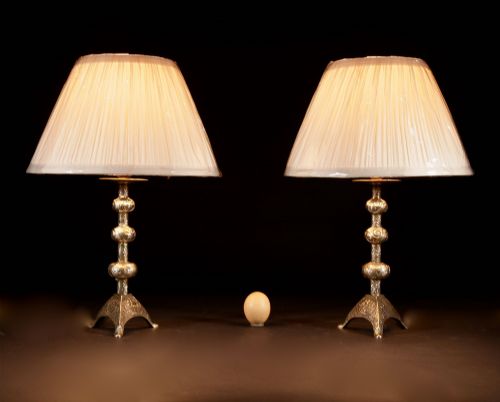
Proportion and finishing differentiate standard production from finer workshop output, particularly in matched pairs where symmetry and uniformity matter. The integration of original decorative elements, such as coloured glass fonts and matching shades, elevates the integrity of the piece.
The Traditional Brass Table Lamp Glossary
- Corinthian column
- A vertical shaft topped with an ornate capital decorated with carved acanthus leaves. This classical architectural motif is frequently emulated in tall Victorian lighting.
- Bouillotte lamp
- A shaded desk lamp featuring a central metal shaft and a vertically adjustable metal or toleware shade. It originates from French card table lighting.
- Duplex burner
- A double-wick oil lamp mechanism designed to produce a brighter flame. These burners appear frequently on late Victorian and Edwardian converted lamps.
- Opaline glass
- An opaque, milky-white glass used for lamp shades and fonts during the nineteenth century. It diffuses light softly without harsh glare.
- Toleware
- Painted or lacquered sheet metal used historically for durable lamp shades. Green is a common colour seen on desk lamps.
Traditional Brass Table Lamp: Frequently Asked Questions
How do I date a brass lamp?
Dating relies on stylistic markers such as column orders, base designs, and the presence of period manufacturing marks. Victorian and Edwardian examples often display heavier casting and classical revival motifs.
Technological adaptations also help determine age, as many pieces began as oil lamps or candlestick holders before later electrification.
Can these lamps take modern bulbs?
Most antique lamps accommodate modern screw or bayonet bulbs once modern wiring is fitted. Rewiring ensures safe electrical operation while retaining the original metal body.
Check the shade fitter size to ensure contemporary shades sit securely on older galleries.
What is a Corinthian column lamp?
A Corinthian column lamp uses a fluted shaft and an ornate capital modelled after ancient Greek and Roman architecture. These grand designs were popular status symbols in Victorian and Edwardian interiors.
They usually stand taller than standard desk lamps and suit larger sideboards or console tables.
Are pairs common in these lamps?
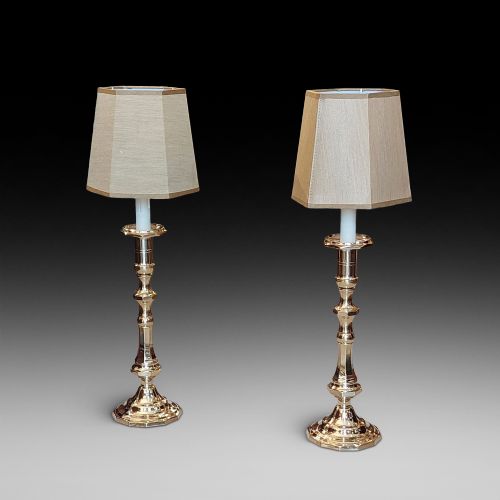
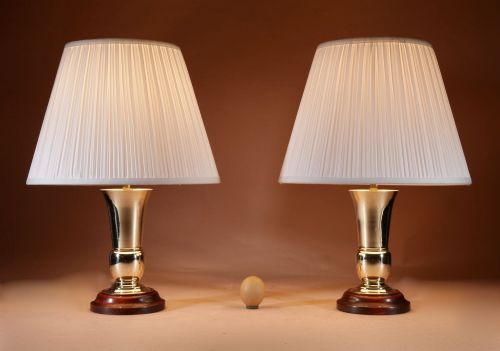
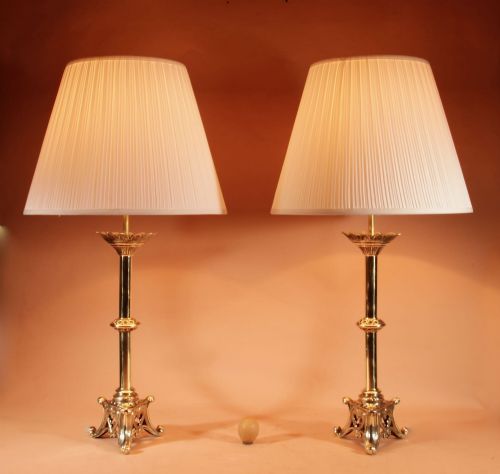
Symmetrical pairs appear frequently among column and candlestick lamp listings. These matching sets were originally designed to flank fireplaces, sideboards, or large desks.
Finding a true matching pair from the nineteenth century adds significant decorative utility for mantlepieces.