


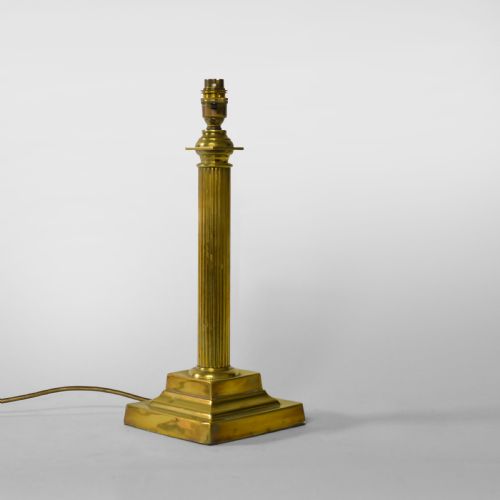
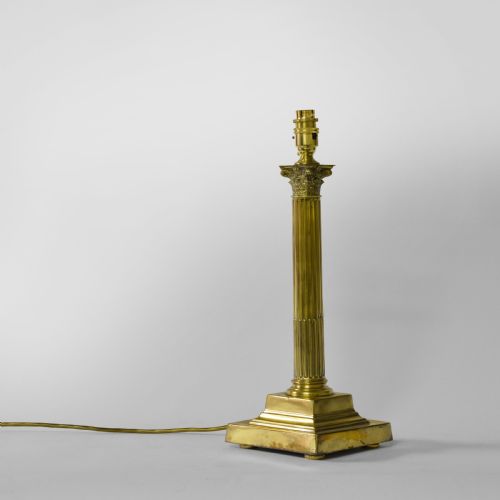
Fluted Brass Table Lamp
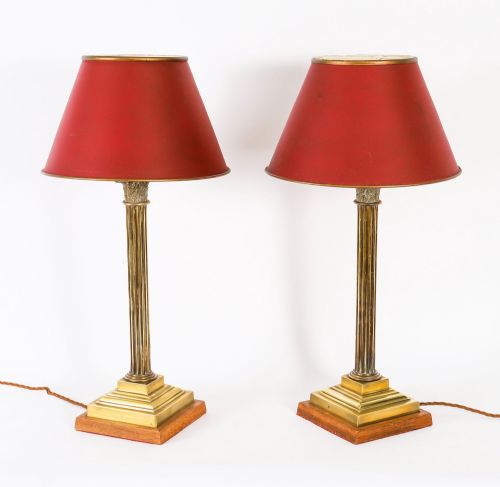
A fluted brass table lamp brings weight and classical proportion to a room, drawing on column forms from the nineteenth century onwards.
Fluted Brass Table Lamp
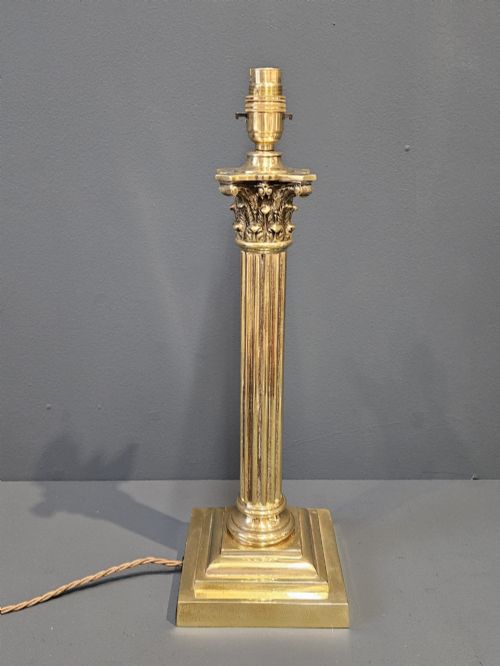
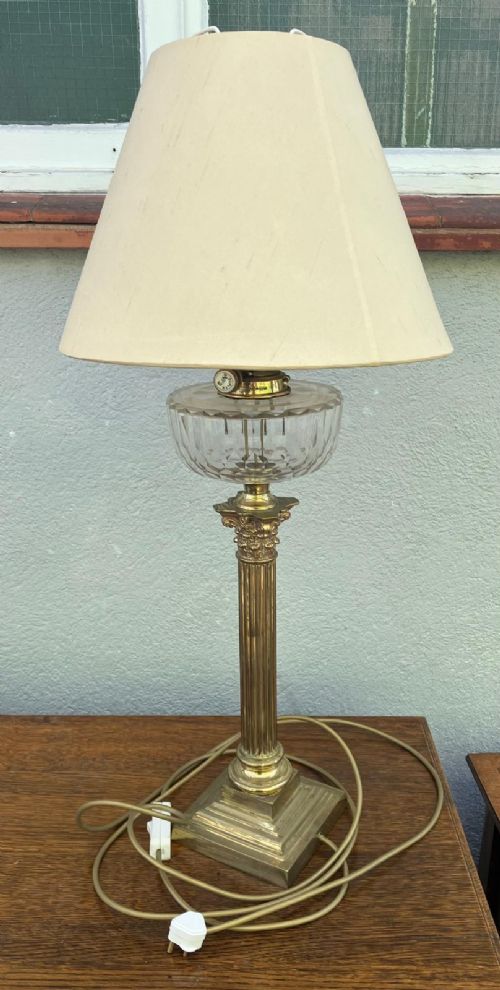
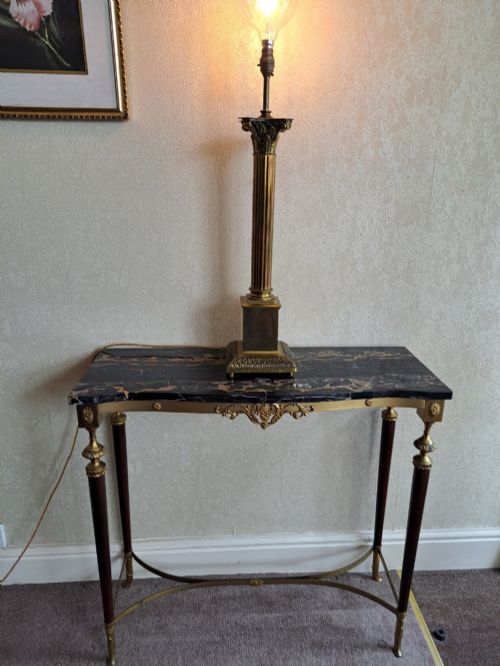
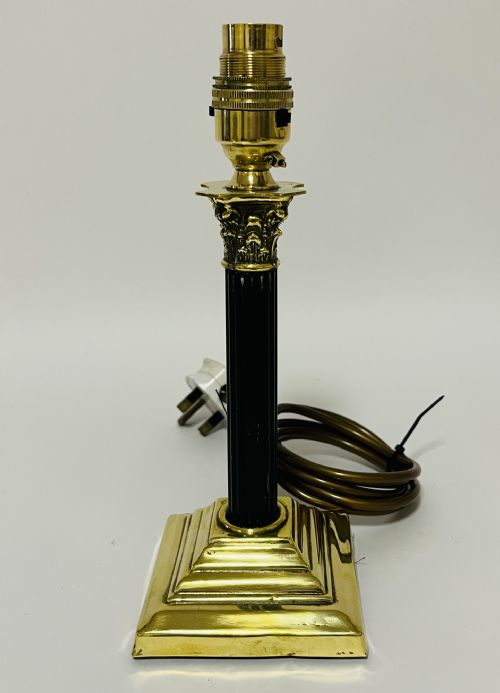
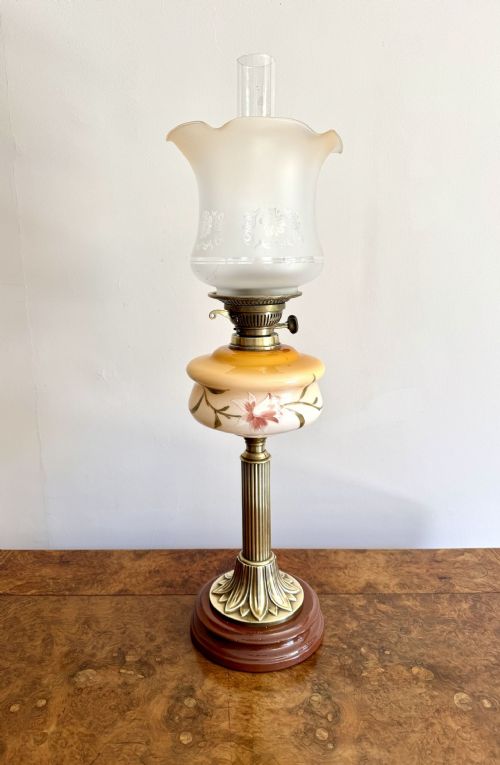
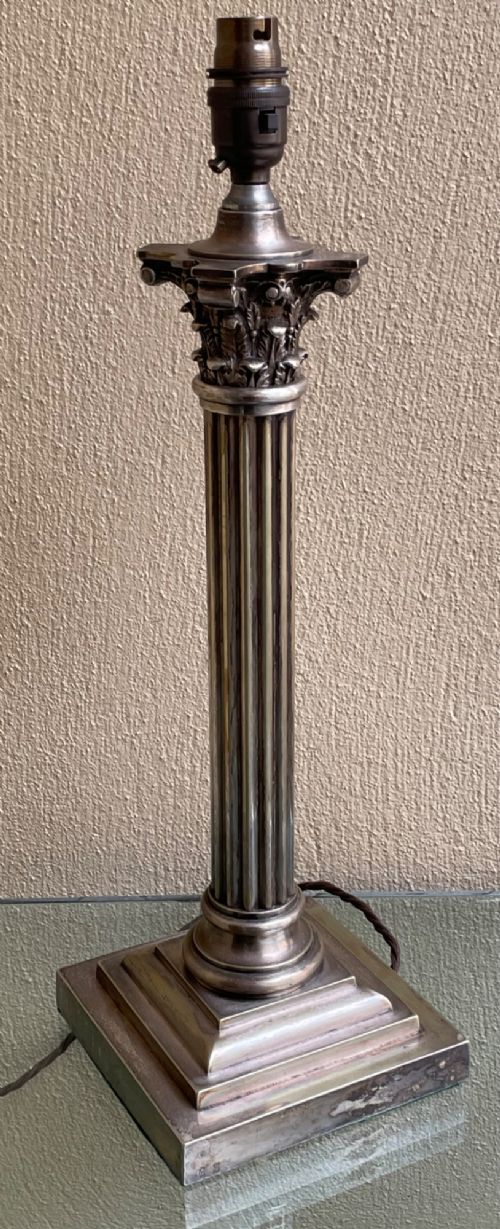
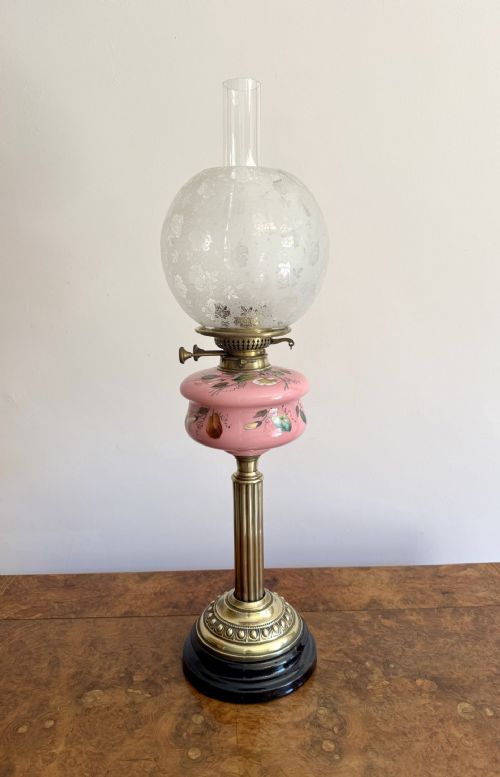
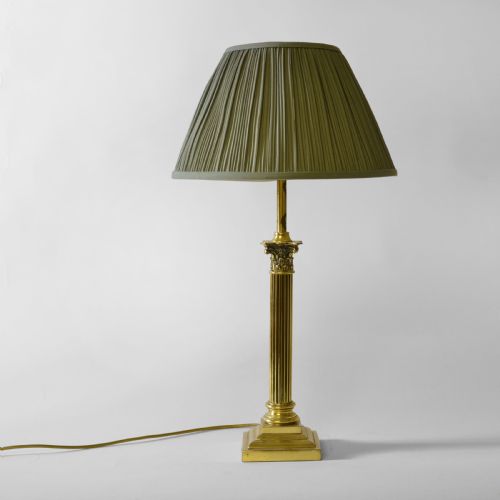
A fluted brass table lamp takes many forms across the nineteenth and early twentieth centuries, drawing heavily on classical orders. You will frequently encounter heavy column designs, particularly Corinthian and ionic styles, alongside adapted oil lamps and standard lights.
The materials span far beyond plain metal, with pieces incorporating opaline glass, ceramic bodies, marble, and fabric shades. Many examples originate from Victorian and Edwardian periods, while others show French Empire or Art Deco influences.
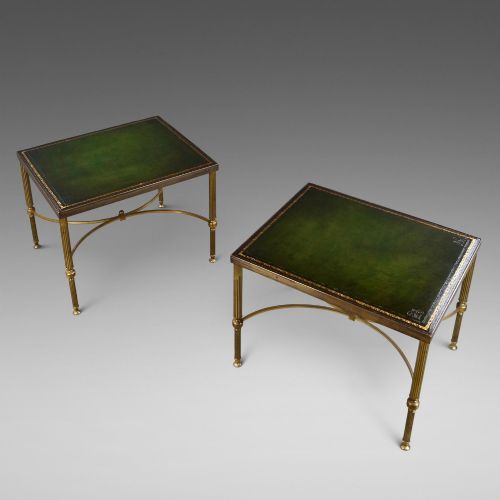
While the search points directly to brass lighting, related furniture like side tables and occasional tables in marble, mahogany, and ormolu often share the same rooms and dealer inventories.
Materials and technique
Makers utilised solid brass and cast bronze to form the structural columns and bases, often adding gilt, silver plating, or ormolu highlights to enrich the metallic surfaces. These metal components provide the substantial weight required to support taller shafts.
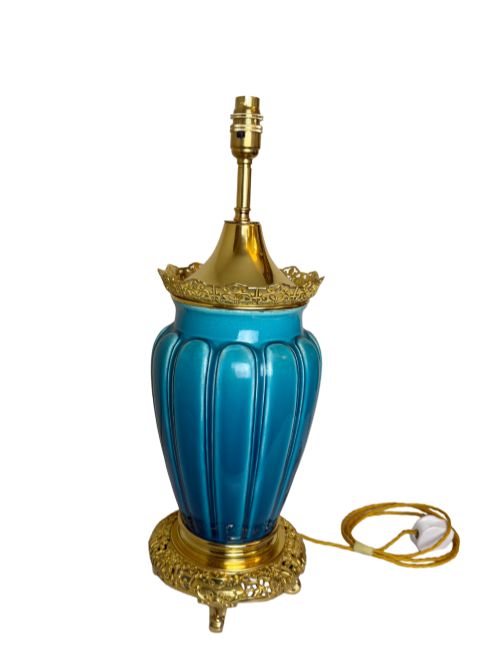
Many designs combine metalwork with other tactile materials such as white marble, black glass bases, opaline glass shades, and turquoise porcelain bodies. Cut glass and ceramic reservoirs also appear frequently, particularly on pieces originating from oil lamp conversions.
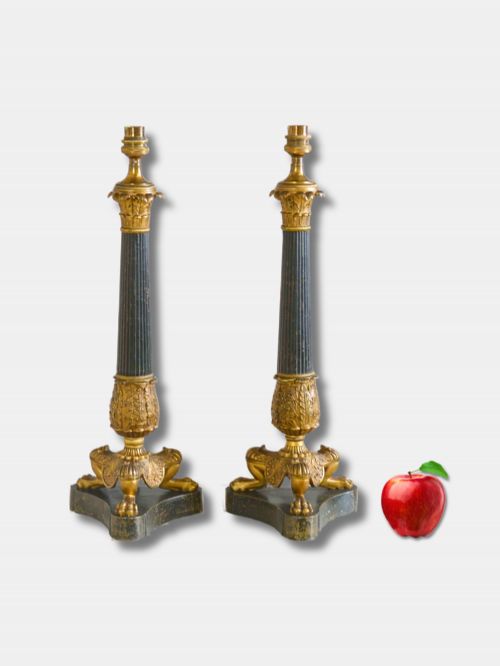
Some nineteenth-century makers evidently believed a table lamp simply wasn't finished until it stood firmly upon four tiny lions paw feet.
What varies in quality
Quality rests primarily in the crispness of the casting detail across the capital and fluting, where finer examples display sharp acanthus leaves and well-defined classical proportions. Heavier gauge metalwork and substantial scale separate more impressive showpieces from lighter, simpler productions.
The integration of secondary materials dictates the character of the piece, from high-grade white marble and hand-blown opaline glass to standard ceramic bodies. Original components, such as matching burners or period shades, elevate the integrity of a lamp significantly.
JOSEPH HINKS
The Fluted Brass Table Lamp Glossary
- Corinthian column
- A classical architectural order featuring an ornate capital decorated with rows of acanthus leaves. This motif is frequently cast in brass for nineteenth-century lamp shafts.
- Opaline glass
- A delicate, translucent white glass popular in the Victorian era for lamp shades and bodies. It diffuses light softly while adding a milky tone to the object.
- Ormolu
- Gilt bronze produced by applying a finely ground high-carat gold mercury amalgam to a bronze object. It provides a warm, enduring golden surface on French and English pieces.
- Gueridon
- A small round table, often supported by a single central column or tripod base. Examples appear in marble, mahogany, and brass combinations alongside lighting.
- Ionic column
- A classical order defined by twin scroll shapes known as volutes on the capital. These columns appear on nineteenth-century brass lamp bases.
Fluted Brass Table Lamp: Frequently Asked Questions
How do I date a brass column lamp?
Dating relies on stylistic clues, casting weight, and assembly methods. Victorian and Edwardian examples often feature heavy brass Corinthian capitals and threaded interior rods.
Earlier nineteenth-century pieces may show French Empire influence with ormolu mounts and lions paw feet, while later twentieth-century items incorporate Art Deco geometry.
Were these always electric lamps?
Many survivors began life as oil lamps before being converted to electricity during the twentieth century. Burner mechanisms were replaced or adapted to house electrical fittings.
Checking the base and collar often reveals traces of the original oil reservoir setup.
How do I clean brass safely?
Dusting with a dry microfibre cloth removes everyday debris without disturbing the aged patina. Avoid harsh chemical polishes that strip away historical character and leave a bright, unnatural shine.
Light application of microcrystalline wax can protect the metal surface from further oxidation.
What is an ionic column lamp?
An ionic lamp uses a capital featuring two distinct scroll ornaments, or volutes, sitting below the abacus. This classical Greek architectural detail translates neatly onto tall metal table lamps.
They offer a slightly simpler silhouette than the heavily leafed Corinthian alternative.