

Traditional Brass Single Beds
Traditional brass single beds offer genuine period character and sturdy metal construction, making them a practical choice for guest rooms and compact spaces.
Traditional Brass Single Beds
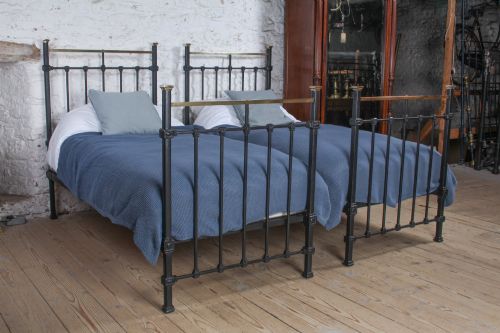
Traditional brass single beds are single sleeping frames built primarily during the Victorian and Edwardian eras, combining metal fabrication with classic design. When you search for traditional brass single beds, you encounter single bedsteads and frame combinations that often feature standard three-foot widths.
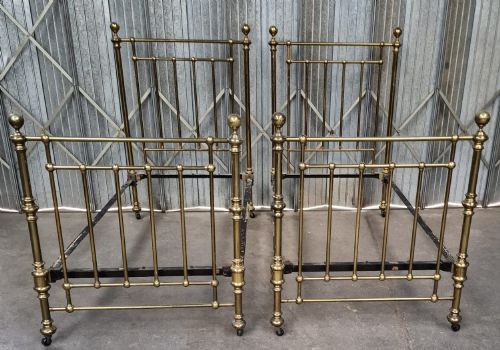
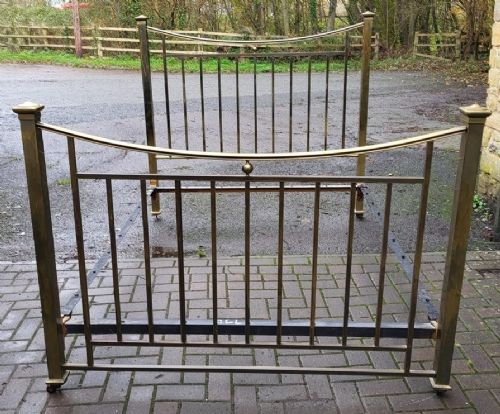
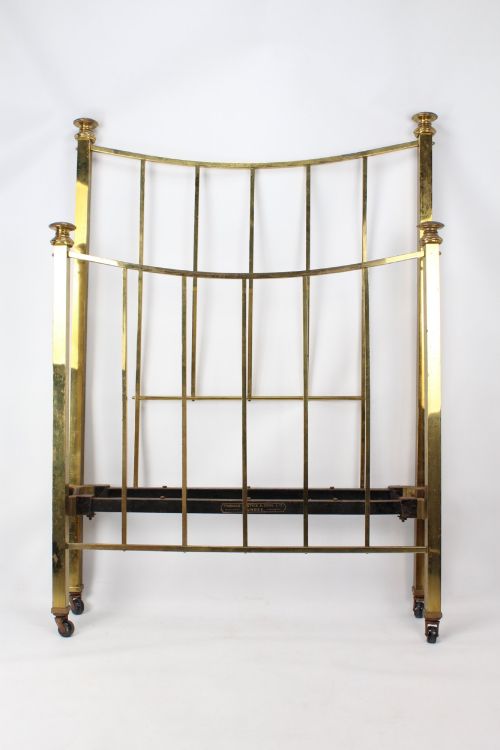
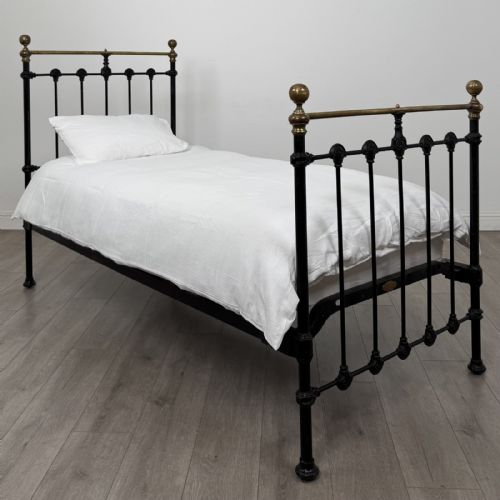
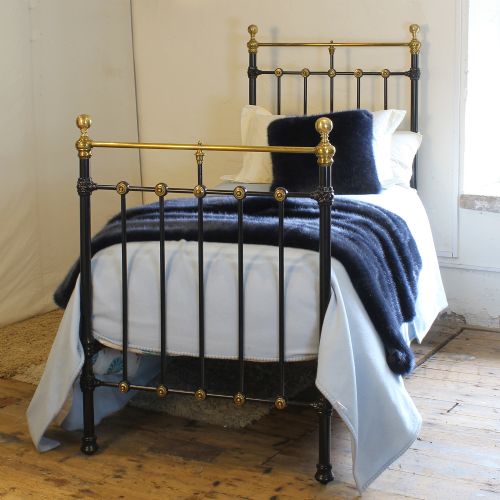
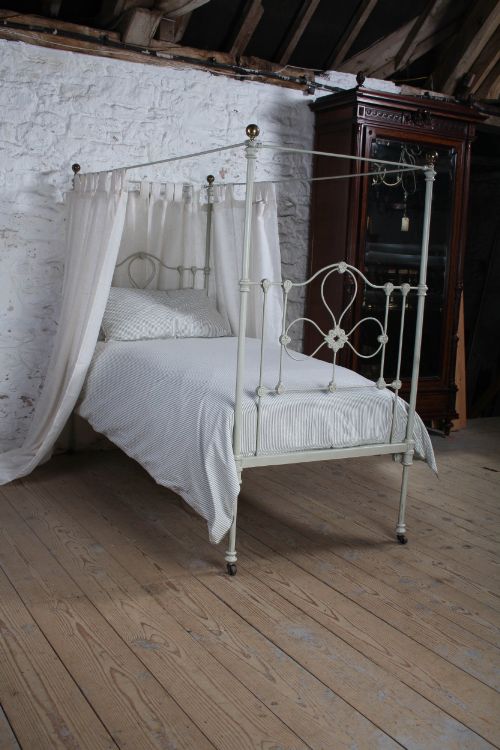
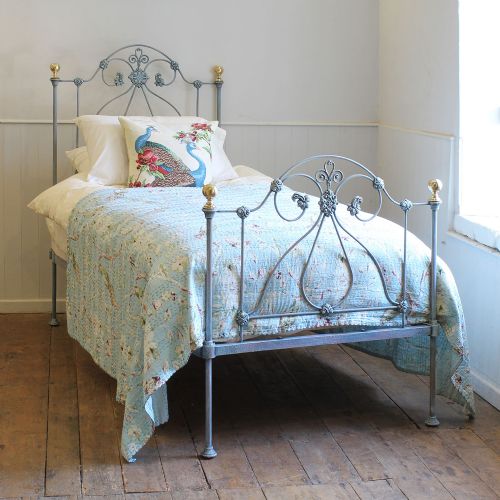
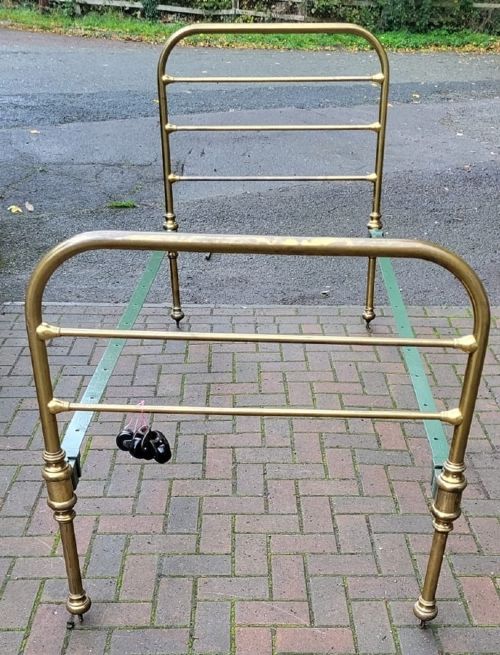
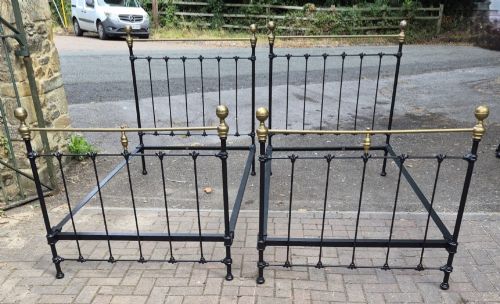
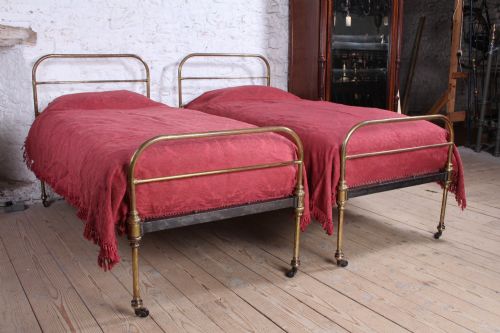
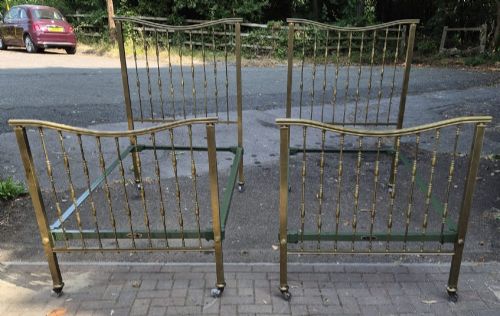
The pieces appearing on this page span several decades from the mid-nineteenth century into the early twentieth century. Styles range from plain all-brass frameworks to combinations of brass and iron, alongside painted cast iron finishes with decorative brass mountings.
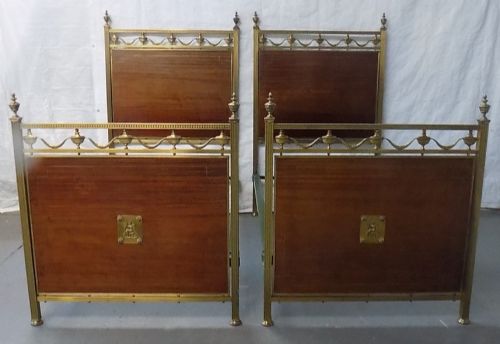
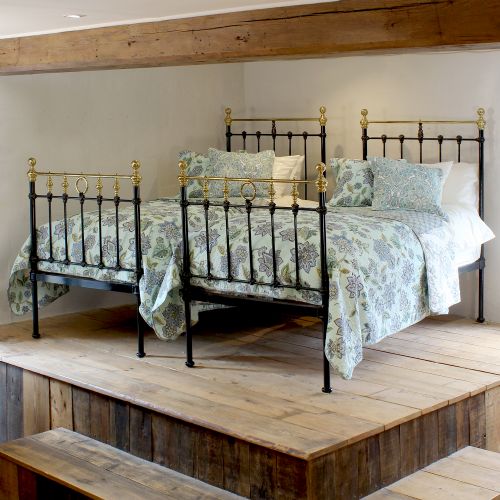
Origins and regional influences vary across the selection, including English makers alongside Dutch revival, French Belle Epoque, and Portuguese traditional designs. Many survive as matching pairs that can be joined together or used separately in bedrooms.
How they were made
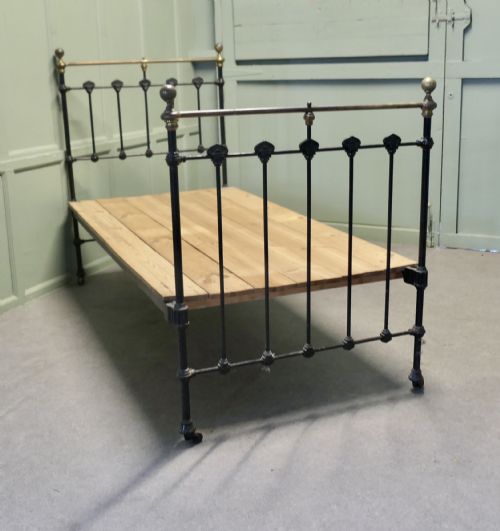
Makers constructed these frames using brass tubing and cast iron components, frequently combining polished brass elements with black, white, or blue verdigris painted iron. Joints and structural junctions utilise hand forging and secure mechanical fixings to ensure long-term stability.
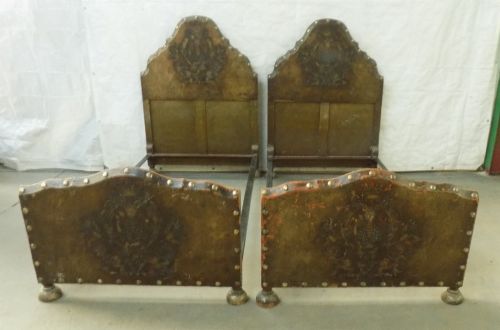
Decorative detailing incorporates cast brass rings, hoop motifs, and ceramic elements, while specific workshop examples integrate timber frames, mahogany details, or hand-painted leather panels. Slatted bases provide the mattress support within the metal perimeters.
Traditional Brass Single Beds Retail Price Guide 2026
Typical asking prices for traditional brass single beds among the pieces listed under this phrase on Sellingantiques today, from the lower quarter to the upper quarter. They describe what is for sale here now, not the wider market.
Several beds include clever joining brackets so guests can either sleep side by side or in entirely different postcodes.
What varies in quality
The calibre of a bedstead rests upon the heaviness of the metalwork, the integrity of the brass casting, and the retention of original components. Superior examples display crisp chasing on brass mounts and robust square tube or heavy gauge construction rather than thin replacement parts.
The distinction between ordinary and finer pieces also involves the presence of recognised maker stamps, well-executed paint finishes on the iron sections, and the survival of matching pairs with their original connecting mechanisms intact.
Hoskins and Sewell·Heals·R W Winfield·Shoolbred
The Traditional Brass Single Beds Glossary
- Bedstead
- The complete framework of a bed, including the headboard, footboard, and side rails. In antique pieces, these are often designed to dismantle easily for transport.
- Cast Iron
- Iron shaped by pouring molten metal into a mould. It provides the rigid structural body for many mixed-metal beds.
- Wrought Iron
- Iron beaten into shape by hand tools. It offers fibrous strength and distinct surface texture on older frames.
- Verdigris
- A green patina formed naturally on copper, brass, or bronze surfaces over time. On certain iron and brass beds, this finish is part of the decorative presentation.
- Square Tube
- Metal tubing formed with square cross-sections rather than round pipes. Makers utilised this profile for enhanced rigidity in Edwardian frames.
Traditional Brass Single Beds: Frequently Asked Questions
Can these single beds be joined together?
Many pairs of these beds include manufacturer fixings designed to lock two single frames together to form a wider sleeping platform. This modular feature allowed households to configure guest rooms flexibly.
Buyers should inspect the specific connection brackets on paired pieces to confirm whether the original joining hardware remains present and functional.
What mattress size fits these antique beds?
Most of these historic single frames measure three feet in width, conforming to standard nineteenth-century proportions. Modern single mattresses frequently fit, though older lengths can occasionally vary slightly.
Checking the internal dimensions between the headboard and footboard ensures a proper fit for contemporary mattress bases and slats.
How do I care for brass and iron frames?
Maintenance involves dusting the metal surfaces regularly with a soft cloth and avoiding abrasive cleaners that might strip protective lacquers or historic patinas. Painted iron sections require only gentle wiping with a dry or slightly damp cloth.
Preserving the original finish maintains the character of the piece without altering the natural ageing of the brass components.
How do I distinguish Victorian from Edwardian frames?
Victorian models often display more ornate castings, heavy brass finials, and darker painted iron bases. Edwardian examples frequently shift towards cleaner lines, square tubing, and lighter proportions.
Examining the construction methods and decorative motifs helps identify the manufacturing period alongside any stamped maker marks on the ironwork.