


Traditional Brass Side Light
Traditional brass side light selections bring period illumination to a room, offering sturdy metal construction and classic silhouettes for everyday spaces.
Traditional Brass Side Light
A traditional brass side light encompasses table lamps, converted candlesticks, and bouillotte designs produced across the Victorian, Edwardian, and nineteenth-century periods. These pieces serve as functional task or ambient lighting while carrying historical decorative forms.
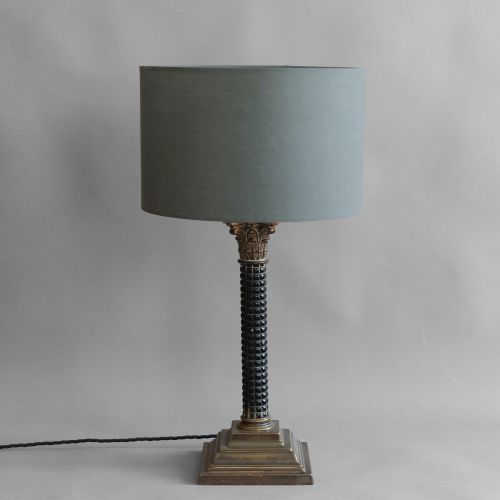
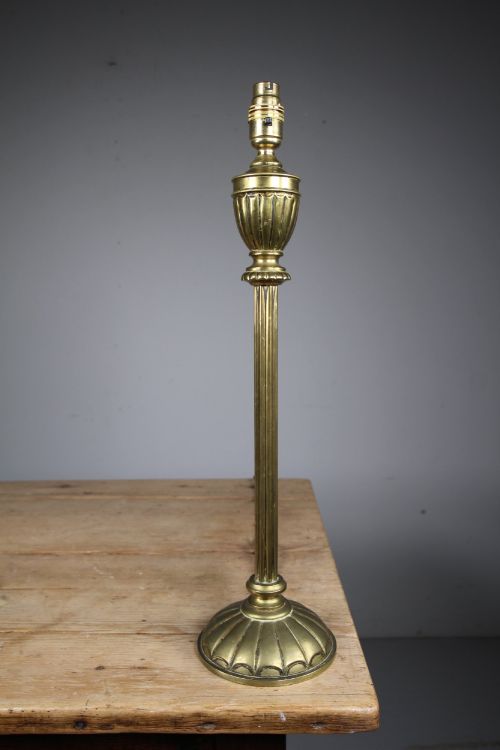
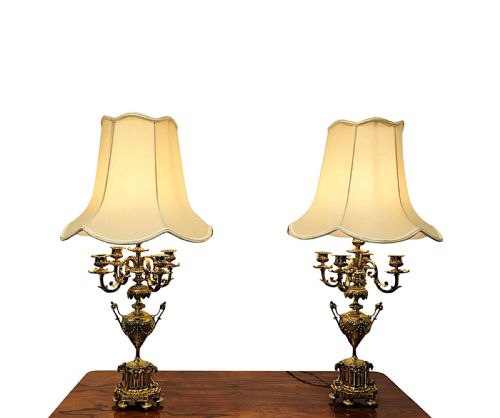
The items found here frequently display classic architectural motifs, such as Corinthian columns, barley twist stems, or simpler cylindrical brass bodies. Many examples show conversions from earlier oil lamps, candelabra, or candlesticks into electrified fittings.
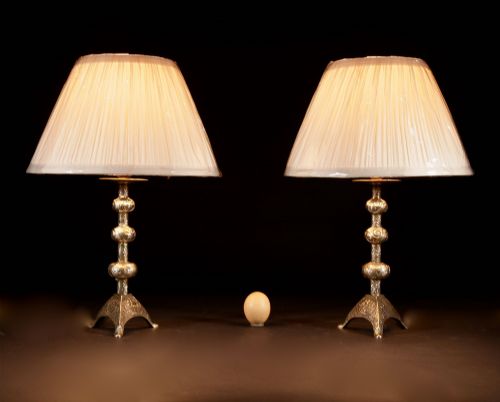
Origin points span English workshops and French ateliers, bringing varied regional interpretations of neoclassical, Gothic, and traditional English styles to the domestic interior. Buyers encounter everything from tall Edwardian columns to compact French bouillotte lamps with tole shades.
Materials and construction methods
The primary material is brass, appearing alongside cast brass, ormolu, gilt bronze, and mixed metals paired with ceramic, majolica, or crystal elements. Makers utilised casting, turning, and hammering techniques to build the robust stems and weighted bases characteristic of these lights.
Shades and secondary components incorporate fabric, silk, and painted metal to soften the illumination. Wiring and electrical components represent later additions or modern rewiring placed inside historical metal frames.
Listings feature brass, bronze, ceramic, and crystal materials across Victorian, Edwardian, and seventeenth-century periods.
Distinctions in craftsmanship and design
Quality rests in the weight and purity of the metalwork, where solid cast brass and finely chased ormolu demonstrate superior tactile and visual depth compared to plated alternatives. Crisp detailing on architectural orders, such as acanthus leaves on Corinthian capitals, separates finer output from simpler commercial production.
Proportion and structural integrity define the better examples, ensuring that tall columns or converted candlesticks stand true without wobble. The success of the conversion, whether from an oil lamp or a candelabrum, also marks the thoughtfulness of the piece's historical adaptation.
The Traditional Brass Side Light Glossary
- Bouillotte lamp
- A traditional French table lamp featuring a central metal shaft, a central light source or multiple candles, and an adjustable painted metal shade known as a tole shade.
- Corinthian column
- A classical architectural column form frequently utilised for lamp stems, featuring an ornate capital decorated with carved acanthus leaves.
- Ormolu
- Ground metallic bronze applied to metal objects, creating a gold-coloured finish common on French decorative lighting from the nineteenth century.
- Barley twist
- A decorative turning technique forming a helical, rope-like twist along the stem of a candlestick or table lamp.
- Tole
- Painted or lacquered sheet metal typically used for lamp shades in traditional desk and side light designs.
Traditional Brass Side Light: Frequently Asked Questions
What is a traditional brass side light?
A traditional brass side light is a functional table or desk lamp constructed primarily from brass, often drawing on Victorian or Edwardian design motifs. These pieces frequently originate as converted candlesticks, oil lamps, or architectural columns adapted for modern electrical use.
They provide focused illumination while serving as decorative objects on side tables, desks, and cabinets. The category ranges from simple cast metal stems to ornate French ormolu creations.
How do I date a brass lamp?
Dating relies on observing the manufacturing techniques, stylistic markers, and materials characteristic of specific periods like the Victorian era or Edwardian decades. Elements such as switch types, screw threads, and wiring methods also offer clues to the age of the electrical conversion.
Stylistic revivals, including Neoclassical or Gothic revival designs, often mimic earlier centuries, so physical wear and construction details help clarify the actual date of manufacture.
Are these lamps safe to use?
Many antique and vintage brass lamps have undergone rewiring to meet modern electrical standards, though buyers should verify the internal wiring of any historical piece. Converted oil lamps and candelabra require careful handling to ensure the safety of the lamp holder and cord.
Consulting a qualified electrician for a safety check or a replacement cord is standard practice when bringing historical lighting into active daily use.
How do I clean an antique brass lamp?
Cleaning requires a soft, dry cloth to remove dust without damaging the patinated metal surface or any applied gilt bronze finish. Avoiding harsh chemical polishes preserves the natural ageing and historical character accumulated over decades or centuries.
If the lamp includes fabric shades or ceramic components, those sections require separate, material-appropriate care to avoid staining or moisture damage.