
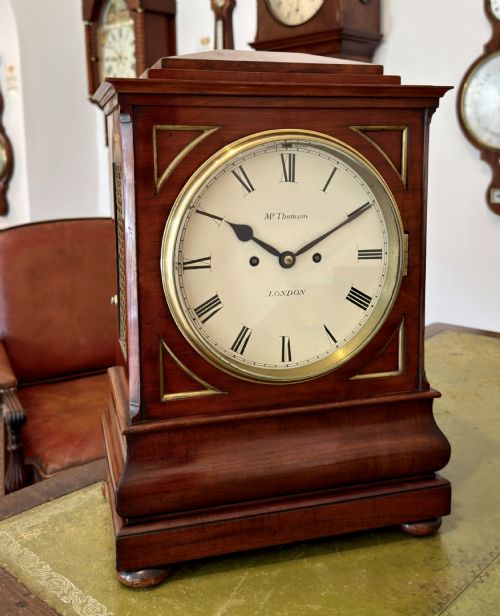
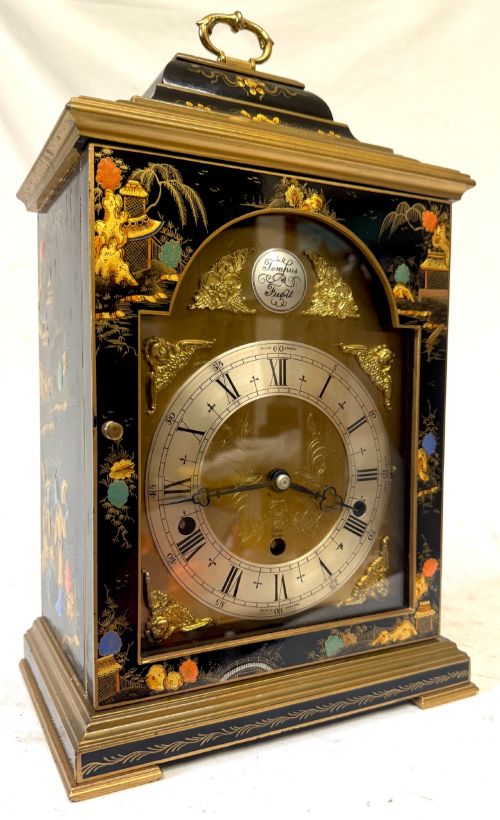
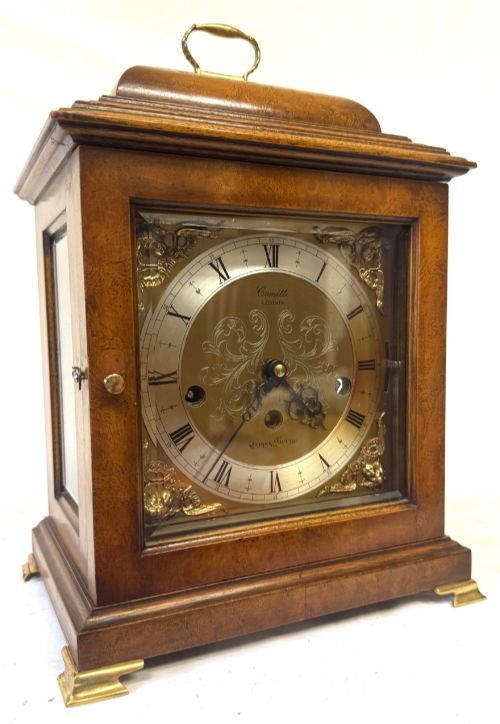
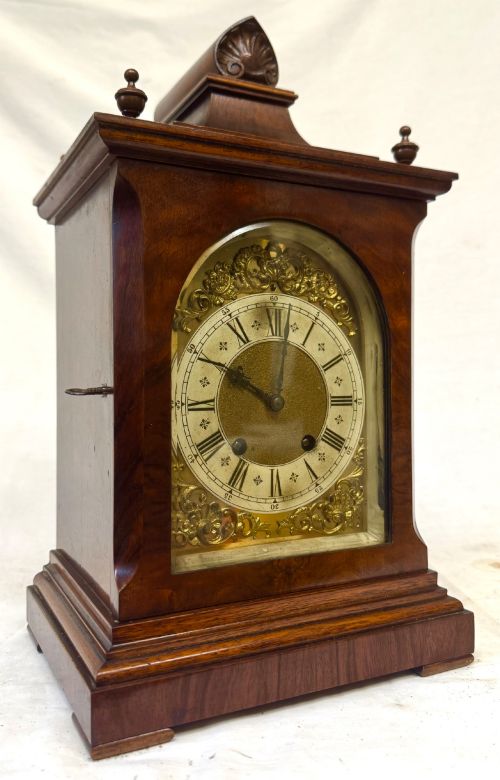
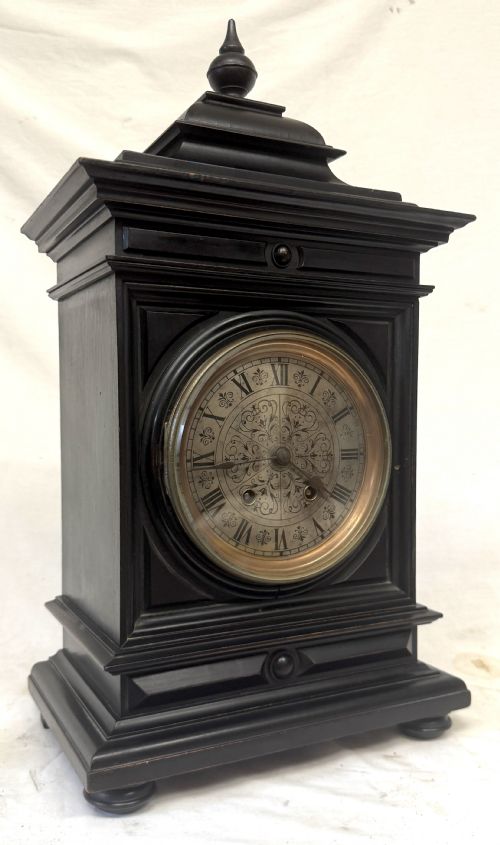
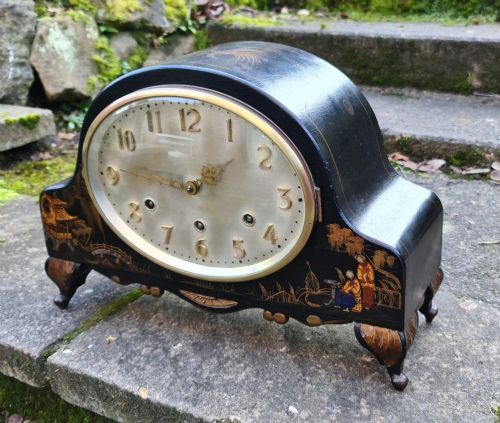
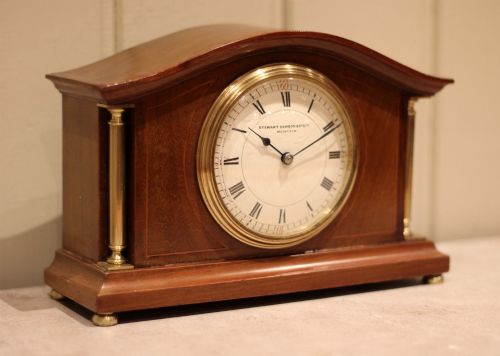
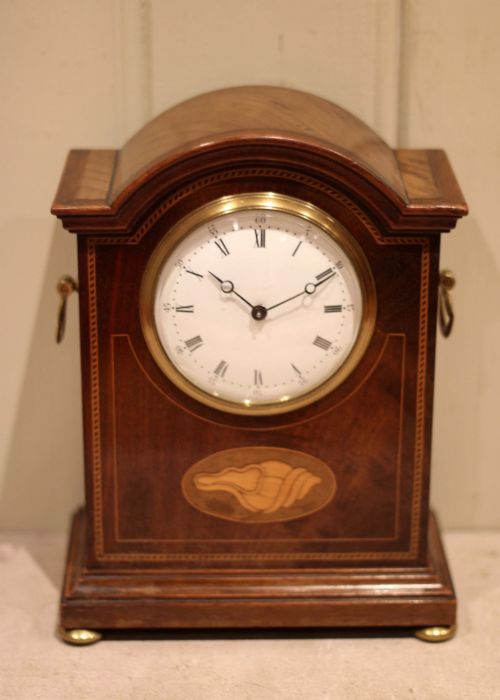

Traditional Brass Mantel Clock
These traditional brass mantel clock pieces combine metal dials with wooden or brass cases, offering mechanical timekeeping rooted in past centuries.
Traditional Brass Mantel Clock
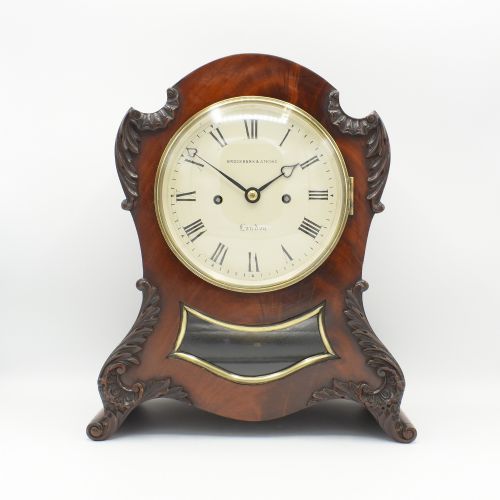
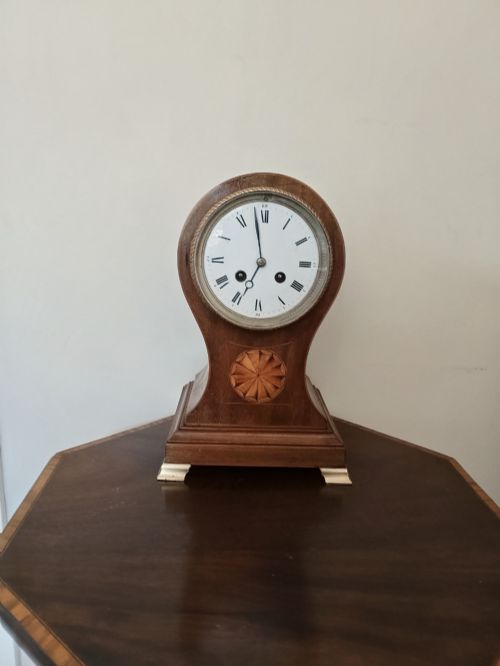
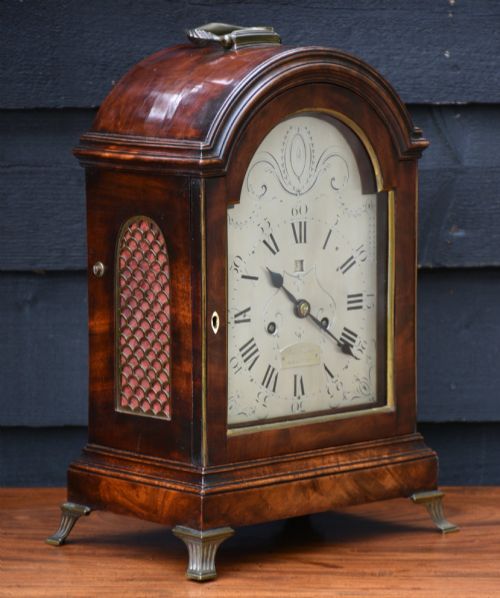
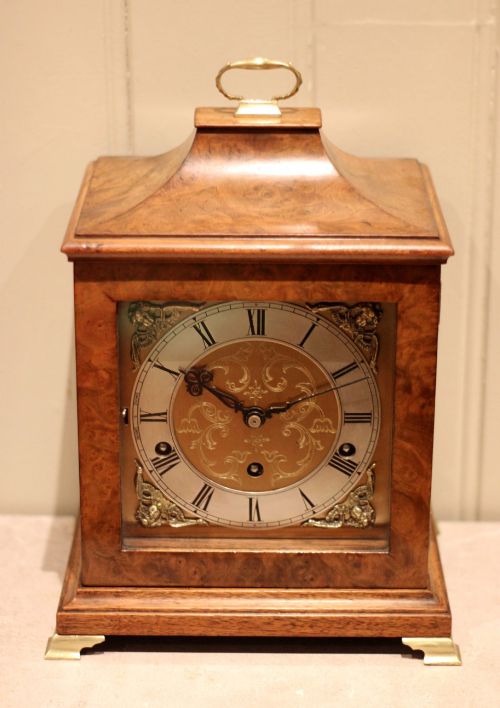
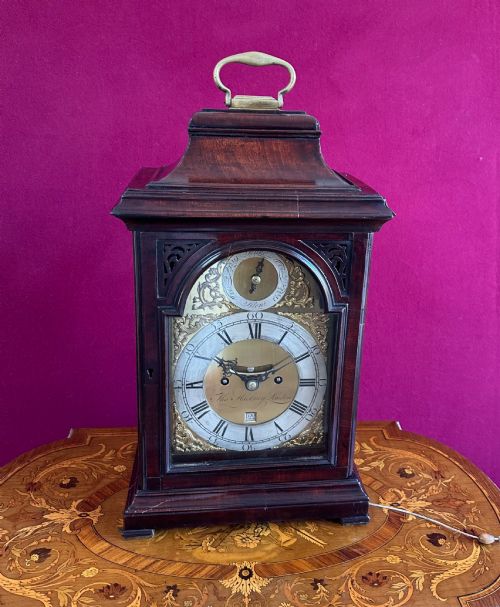
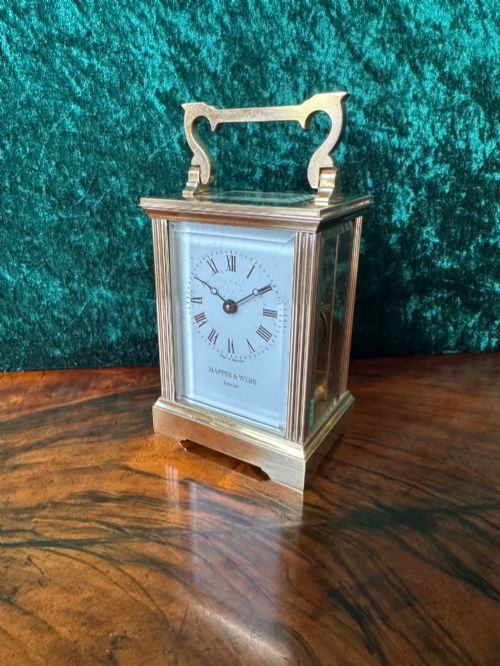
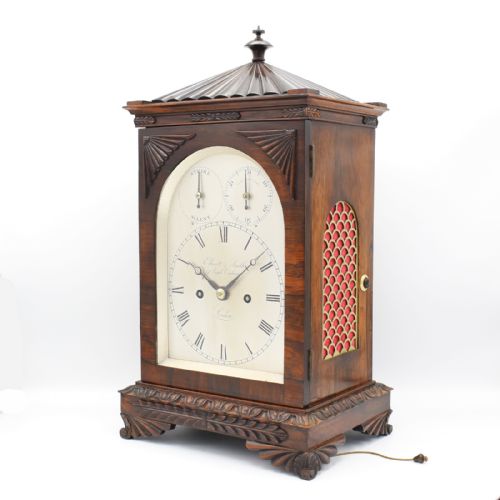
A traditional brass mantel clock is a domestic timekeeper designed to sit on a shelf, mantelpiece, or table, frequently featuring a brass dial paired with a case of wood or metal. When buyers search for a traditional brass mantel clock, they encounter an array of forms including bracket clocks, carriage clocks, lantern clocks, and table clocks spanning the Georgian, Victorian, and Edwardian eras.
The pieces appearing on this page encompass various regional designs and maker signatures from Britain and continental Europe. Examples range from early Georgian verge movement bracket clocks to late Victorian carriage clocks and mid-twentieth-century walnut or mahogany mantel clocks with mechanical movements.
What varies in quality
The standard of a traditional brass mantel clock depends on the precision of its mechanical movement and the craftsmanship of its case. Finer pieces demonstrate complex chime capabilities, such as Westminster or multi-tune movements, alongside robust fusee mechanisms.
Material selection and decorative execution further differentiate the range. Superior examples exhibit high-grade timber veneers, crisp hand-engraved brass dials, and substantial metal casting by noted makers rather than mass-produced generic assembly.
Listings feature woods including mahogany, walnut, oak, kingwood, and ebonised wood alongside brass, glass, and enamel.
Thomson of London·Elliott London·Comitti Of London·Lenzkirch·Brockbanks And Atkins·Mappin And Webb·Barwise London·Ellicott And Smith·Winterhalder·John Spershott·L Vick·Webster Cornhill London·Spurge Dunmow·Thomas Moss·Turner Of London·S Simpson Southampton·L Epee
The Traditional Brass Mantel Clock Glossary
- Bracket clock
- A portable spring-driven clock originally designed to sit on a wall bracket. They typically feature fine wooden cases and carrying handles.
- Carriage clock
- A small, spring-driven timekeeper with a brass and glass case developed for travel. Most include a folding handle on top.
- Fusee
- A conical pulley connected to the mainspring by a chain or cord. This mechanism equalises the diminishing torque of the spring as it unwinds to maintain consistent timekeeping.
- Verge escapement
- An early type of mechanical escapement mechanism controlling the rotation of the clock wheels. It produces a distinct ticking rhythm.
- Chapter ring
- The separate metal ring on a clock face bearing the hour numerals. They are frequently silvered or engraved.
Traditional Brass Mantel Clock: Frequently Asked Questions
What is a traditional brass mantel clock?
A traditional brass mantel clock is a mechanical timepiece housed in wood or brass with a visible brass dial, built to rest on flat surfaces like mantelpieces.
These pieces utilise historical movements ranging from simple timepieces to striking and chiming mechanisms developed across the eighteenth, nineteenth, and twentieth centuries.
How do I wind a mechanical mantel clock?
Mechanical mantel clocks require a specialised key inserted into winding holes on the dial to tension the internal springs. Care must be taken not to overwind the movement.
Different models require winding at intervals ranging from daily to eight-day durations depending on the complexity of the gear train.
Where should I place a mantel clock?
Mantel clocks function best on stable, level surfaces such as mantelpieces, sideboards, or dedicated wall brackets away from direct heat and moisture.
A level surface ensures the pendulum or balance wheel maintains an even beat for accurate timekeeping.
How do I identify the period of a clock?
Dating relies on stylistic clues in the case design, such as Georgian mahogany proportions, Victorian ebonised details, or Edwardian inlay work. Maker signatures and movement types provide further chronological evidence.
Examining the construction methods of the brass dial and internal plates also reveals the era of manufacture.