


Traditional Brass Accent Light
These traditional brass accent light pieces bring period warmth and practical illumination to a room, spanning styles from Victorian revival to Georgian simplicity.

Traditional Brass Accent Light
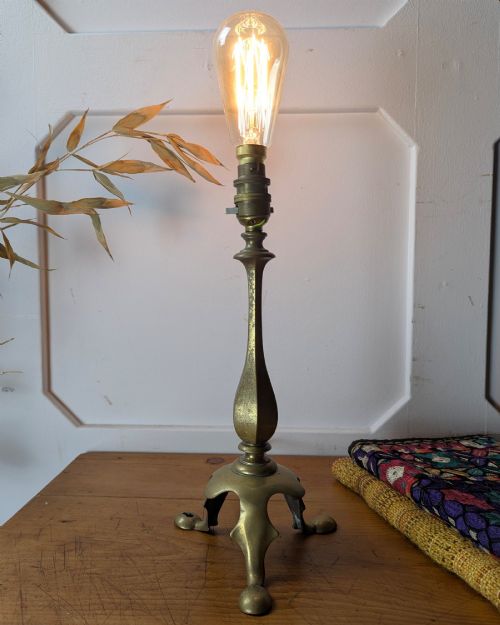
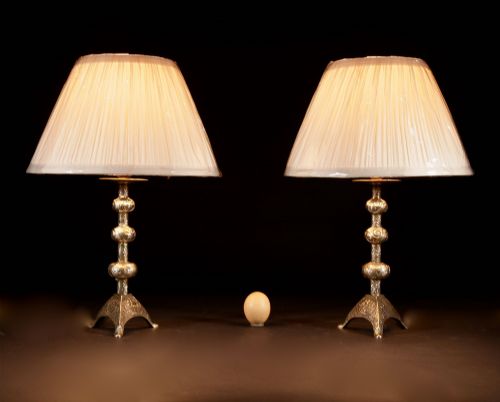
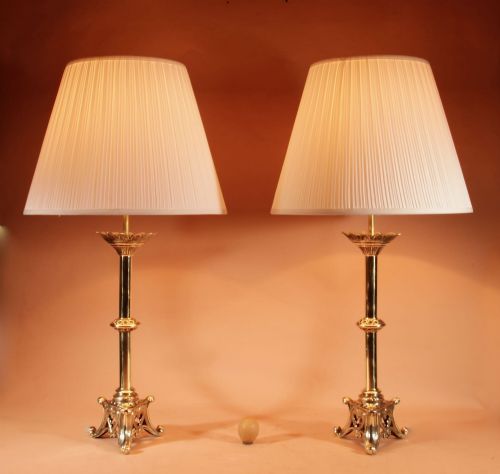
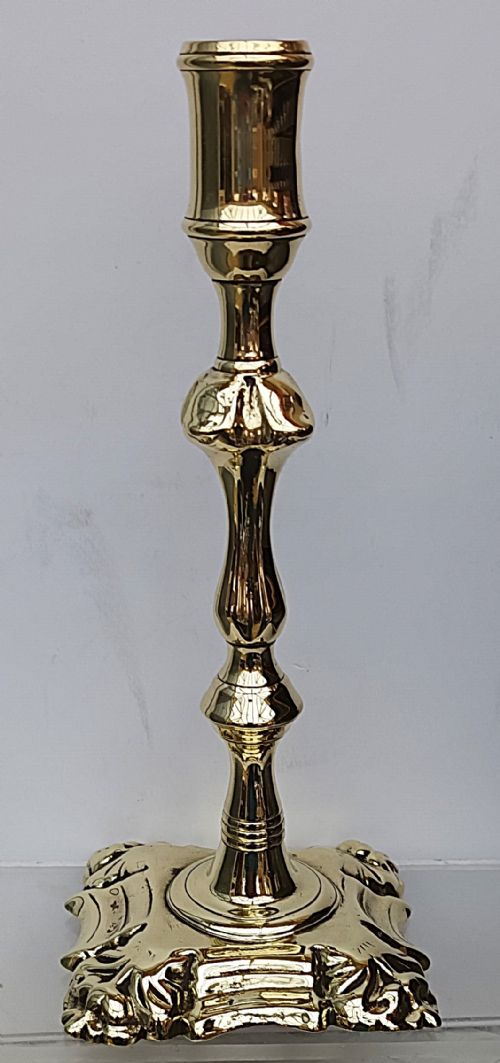
A traditional brass accent light encompasses various forms designed to illuminate specific corners or surfaces, with table lamps and candlesticks appearing most frequently on this page. These pieces date across multiple periods, including Victorian, Edwardian, and the eighteenth century, reflecting centuries of metalworking tradition.
The objects take diverse shapes, from barley twist stems and corinthian columns to hexagonal baluster forms and monumental French ormolu designs. Many started life as oil lamps or candlesticks before conversion to electricity, while others were built specifically as electric table or floor lamps.
Materials and construction
The primary metalwork relies on cast brass, solid brass, and ormolu or gilt bronze, sometimes complemented by copper, ceramic, or cut glass crystal elements. Fabric shades often complete the light fittings, while decorative surfaces utilise repousse work and painted details.
Foundries employed casting and turning techniques to create heavy structural components like classical columns and twisted stems. Surface mounts, Italian classical masks, and cloisonne details demonstrate the varied decorative methods applied to these metal bases.
Listings feature items from the eighteenth, nineteenth, and twentieth centuries, spanning Victorian, Edwardian, Georgian, and Gothic Revival styles.
Distinctions in quality
The integration of secondary materials, such as majolica ceramics, cut glass crystal, or hand-painted sections, also dictates the grade of the piece. Original components and thoughtful conversions preserve the integrity of the design better than later, crude alterations.
The Traditional Brass Accent Light Glossary
- Ormolu
- A gilt-bronze finish applied to metal objects, popular in French decorative arts. It provides a rich, gold-coloured surface that catches ambient light.
- Repousse
- A metalworking technique where the metal is hammered from the reverse side to form a raised design in relief. This creates tactile surface patterns on lamp bodies.
- Cloisonne
- An ancient technique for decorating metalwork objects with coloured material held in place by thin metal strips. Chinese examples often incorporate this colourful enamel work.
- Corinthian column
- An architectural order featuring an ornate capital decorated with acanthus leaves. Lamps styled in this manner mimic classical stone pillars in solid brass.
Traditional Brass Accent Light: Frequently Asked Questions
How do I date a brass lamp?
Dating relies on stylistic clues, manufacturing techniques, and the original function of the object. Pieces adapted from earlier oil lamps or candlesticks often show physical evidence of their conversion.
Examining the weight, casting method, and decorative motifs helps align the piece with Victorian, Edwardian, or earlier periods represented in the metalwork.
Are these lamps safe for modern use?
Many older lamps have been converted to electricity at various points in their history. It is sensible to have wiring checked by a professional before daily use.
The solid brass and bronze structures themselves remain robust, but rewiring ensures modern electrical standards are met safely.
What is the difference between ormolu and brass?
Brass is an alloy of copper and zinc, valued for its bright golden appearance and durability. Ormolu specifically refers to gilt bronze, where a gold-mercury amalgam or gold leaf is applied to a bronze base.
Ormolu generally exhibits a deeper, richer lustre and appears more frequently on French decorative pieces from the nineteenth century.
How do I clean antique brass?
Maintenance usually requires only a gentle dust with a soft cloth to protect the aged patina. Aggressive polishing removes the historic surface character that collectors value.
If cleaning is necessary, non-abrasive metal cleaners suitable for vintage surfaces should be used sparingly.