


Floral Shade Table Lamp
These floral shade table lamps bring together period bases and decorative shades to cast a warm, patterned light.

Floral Shade Table Lamp
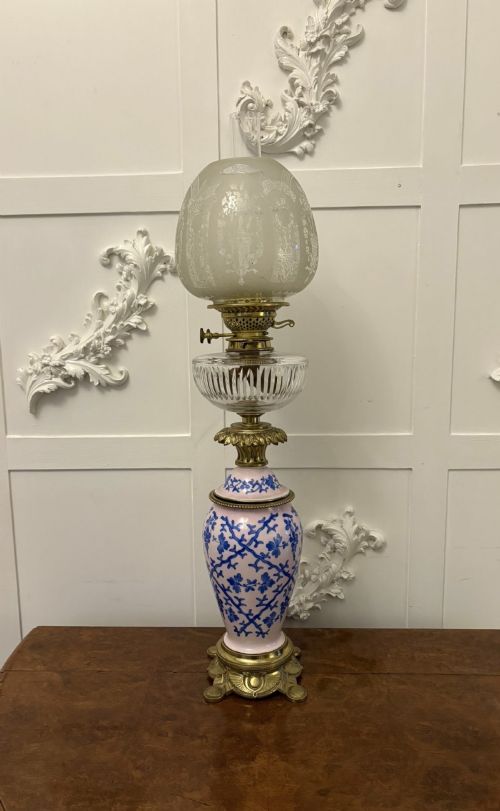
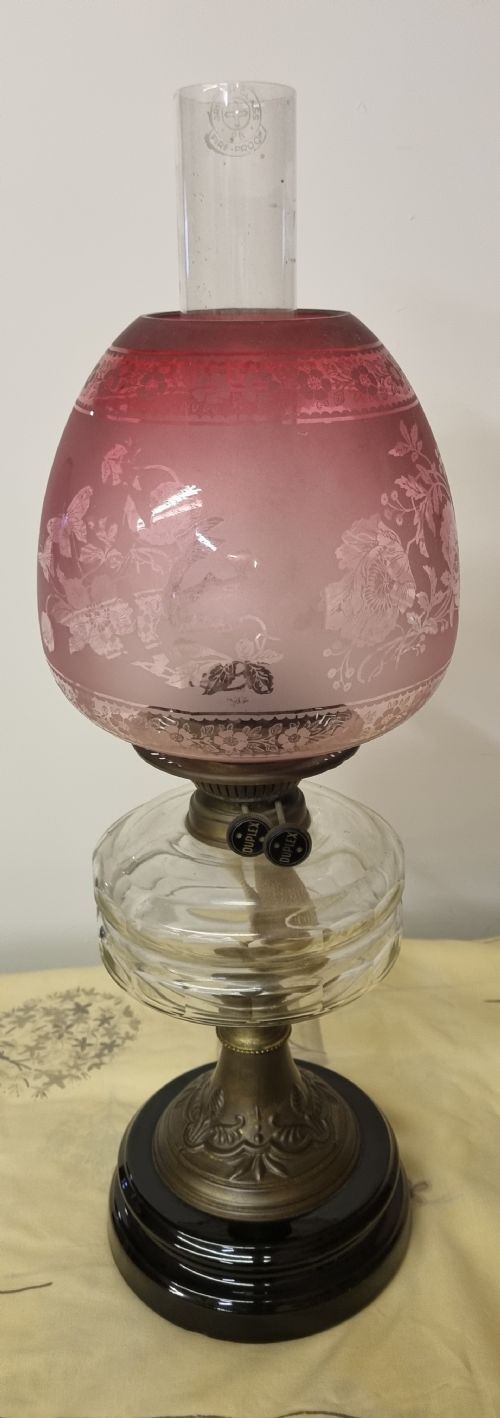
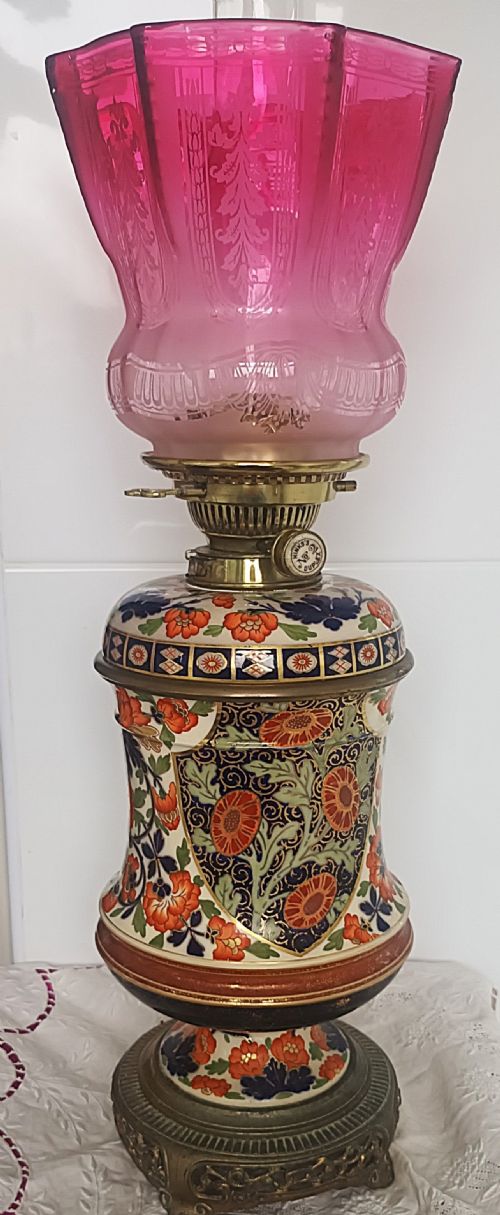
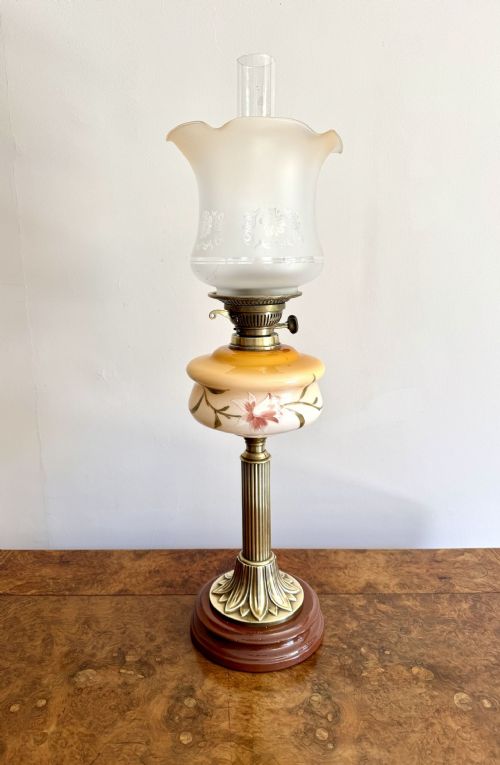
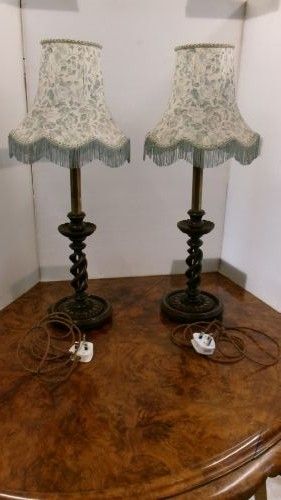
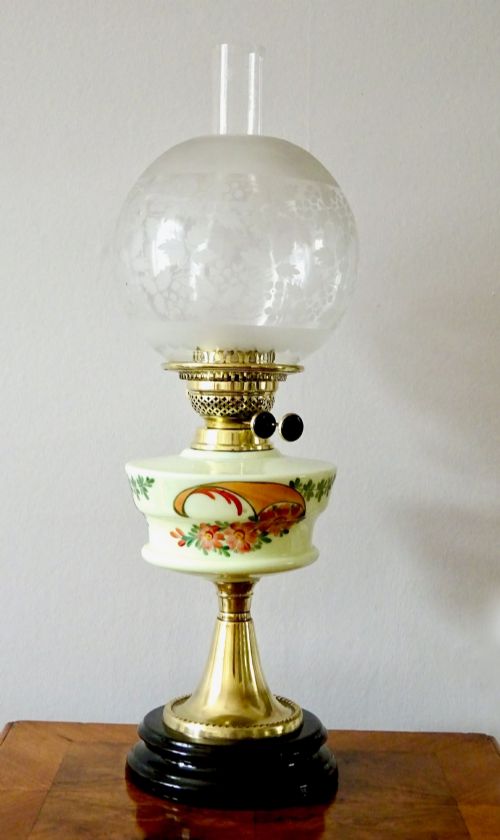
A floral shade table lamp unites a functional lighting fixture with a decorative patterned shade, often taking the form of converted oil lamps, candle lamps, and ceramic or porcelain vases fitted for electricity. The Victorian and Edwardian periods supply the majority of these examples, alongside pieces from the 1920s and 1930s.
Buyers encounter substantial brass and glass oil lamps alongside porcelain, ceramic, and wooden bases spanning Victorian, Edwardian, and Art Deco styles. Many pieces utilise converted vessels such as Chinese vases, ginger jars, and porcelain figures paired with fabric, glass, or painted shades.
How They Were Made
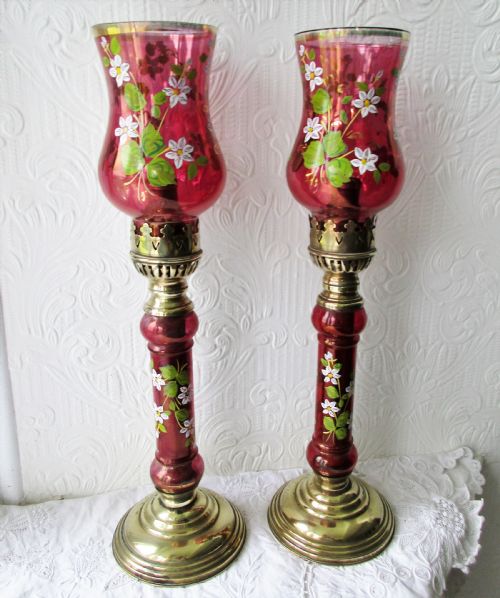
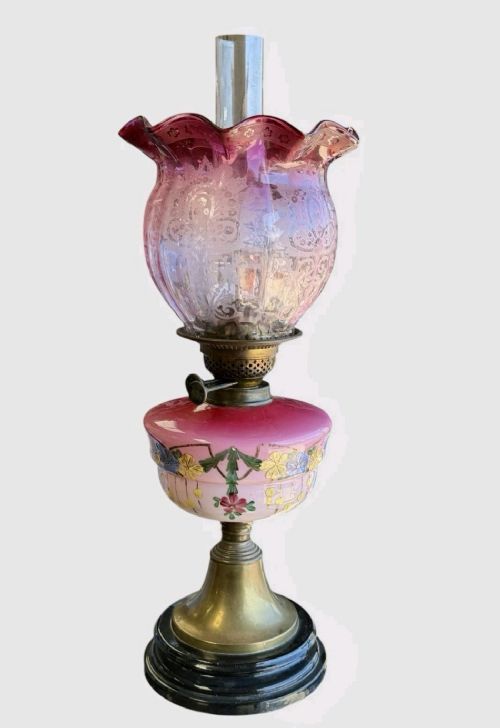
Makers utilised brass, wrought iron, and cast metal for structural bases, frequently pairing them with cranberry glass, frosted glass, or porcelain reservoirs and shades. Hand painting, enamel work, and gilt toleware decorate the ceramic and glass elements.
Many items incorporate imported ceramics, including Japanese Arita porcelain, Chinese cloisonné enamel, and European porcelain bodies from factories like Meissen, Sitzendorf, and Sevrès, adapted subsequently into lighting.
Listings feature 19th-century and early 20th-century periods, utilising brass, cranberry glass, porcelain, silk, and wood across Victorian and Art Deco styles.
What Varies in Quality
The standard of hand painting on the porcelain and glass components dictates much of the visual distinction across the range. Finer examples display meticulous brushwork on the floral motifs and detailed hand-finished mounts.
The integrity of the structural metalwork and the weight of the ceramic or brass bases separate standard production pieces from more substantial workshop outputs.
Hinks·Taylor Tunnicliff·Faraday and Sons·Daum·Baccarat·Sitzendorf·Meissen·Denby Ware
The Floral Shade Table Lamp Glossary
- Cranberry glass
- A rich red-pink transparent glass produced by adding gold chloride to the molten batch. This material appears frequently in Victorian oil lamp reservoirs and shades.
- Famille verte
- A Chinese ceramic palette dominated by green enamels, developed during the Qing dynasty. Pieces decorated in this style frequently serve as bases for later lamps.
- Toleware
- Painted or lacquered sheet metal items used for decorative fittings and shades. French examples often incorporate gilt details alongside the painted surfaces.
- Cloisonné
- A metalwork technique where thin wire partitions create cells filled with enamel paste and fired. These decorated vases form distinctive lamp bases from the early twentieth century.
Floral Shade Table Lamp: Frequently Asked Questions
Are these lamps converted from old oil lamps?
Many examples began life as oil lamps, paraffin burners, or decorative vases before receiving electrical fittings.
Conversion methods vary, with some retaining their original burners and fonts while others incorporate custom wiring through the centre.
How do I date a brass base?
Victorian brass pieces often display heavier casting and simpler classical revival forms, whereas Edwardian and later examples introduce lighter profiles or distinct Art Deco lines.
Material patination and construction joints help distinguish nineteenth-century fabrication from twentieth-century manufacture.
Can I use modern LED bulbs?
Standard modern screw or bayonet bulbs fit most updated fittings, provided the wattage matches the capacity of the vintage wiring.
Consider lower lumen output to replicate the softer ambience intended for these decorative shades.
How should I clean the fabric shades?
Dust silk and fabric shades gently with a soft brush or a low-suction vacuum attachment to prevent damage to fragile textiles.
Avoid moisture on painted or antique fabric surfaces unless the material specifications are certain.