
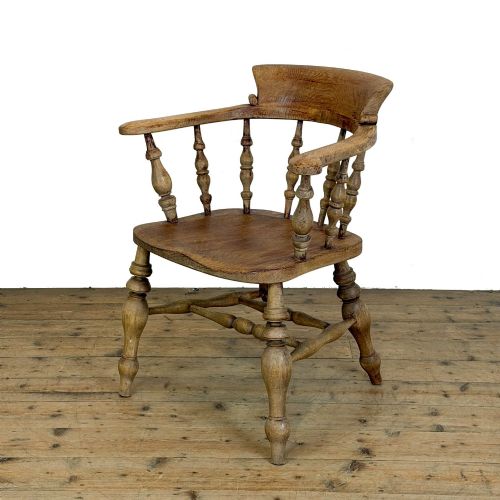
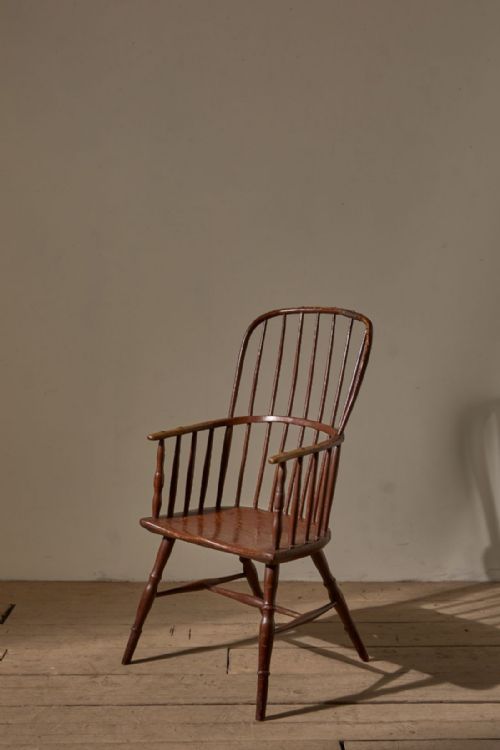
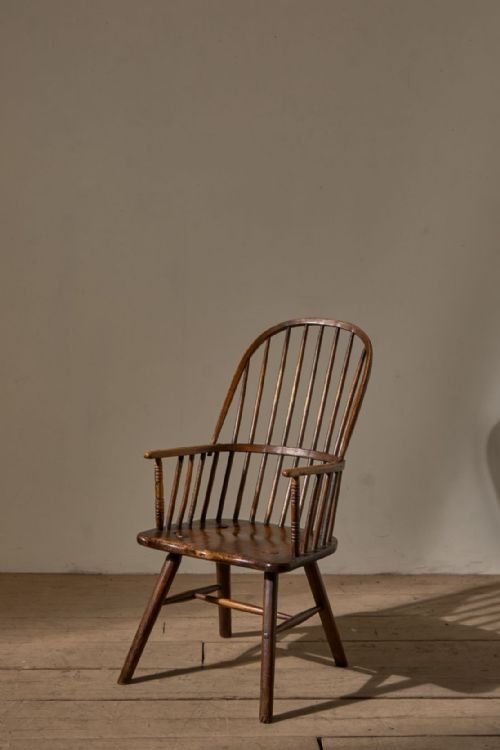

Traditional Bow Back Chair
A traditional bow back chair is a robust vernacular seat built for daily use, connecting centuries of domestic life through honest timber construction.
Traditional Bow Back Chair
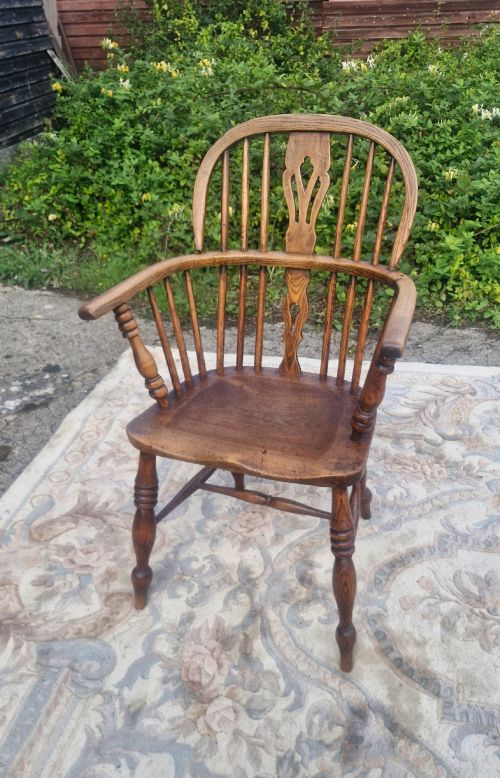
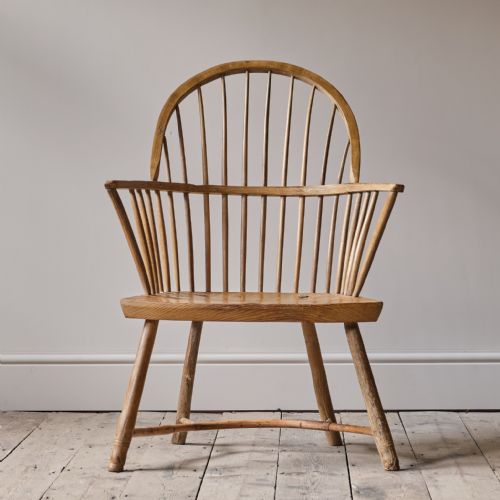
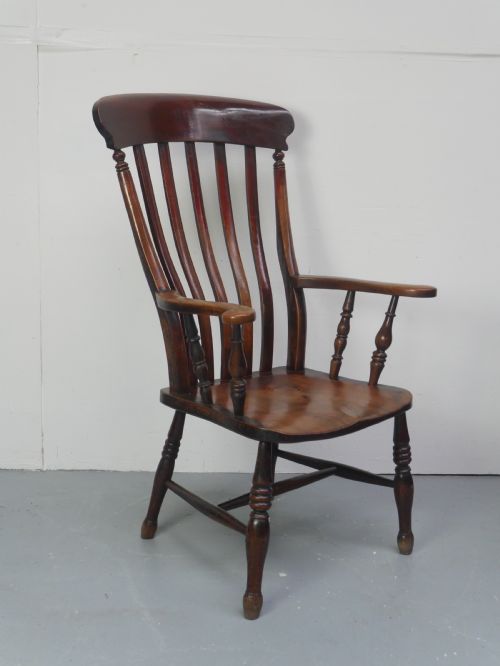
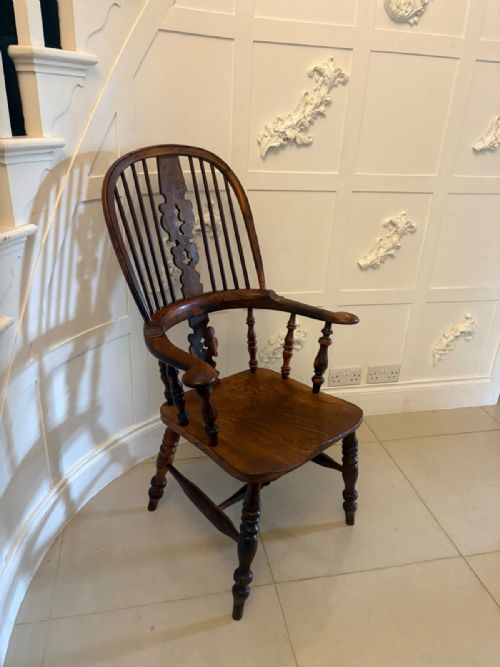
When you search for a traditional bow back chair, you encounter sturdy wooden seating designed for practical utility in kitchens, farmhouses, and studies. These chairs emerge primarily from the nineteenth century, with Victorian examples appearing most frequently alongside select eighteenth-century and early twentieth-century pieces.
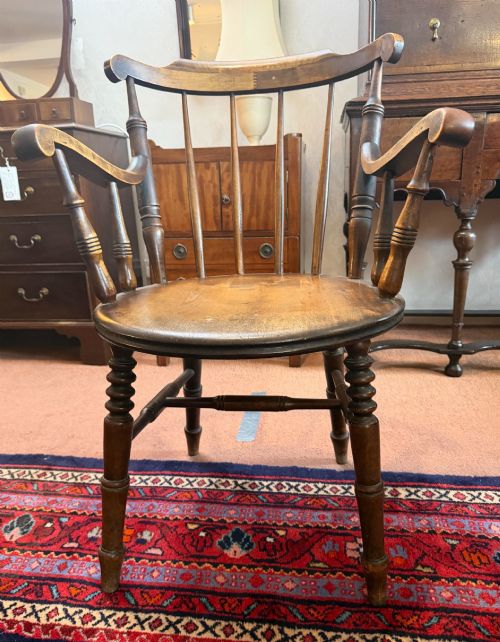
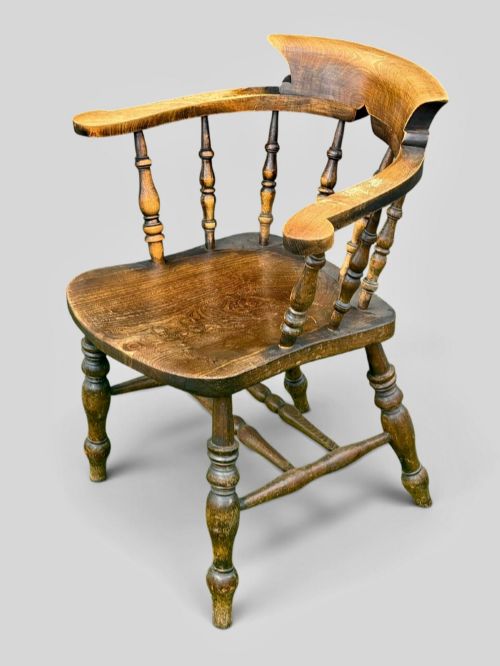
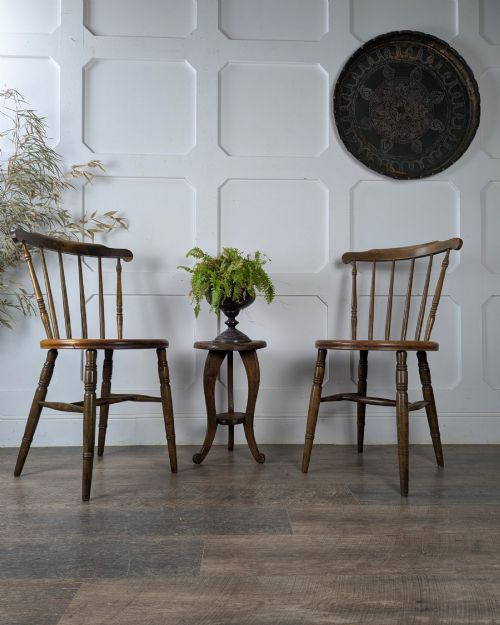
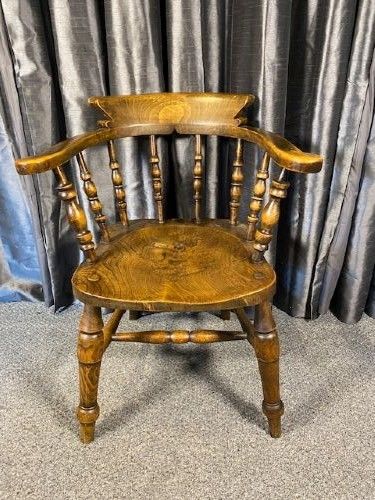
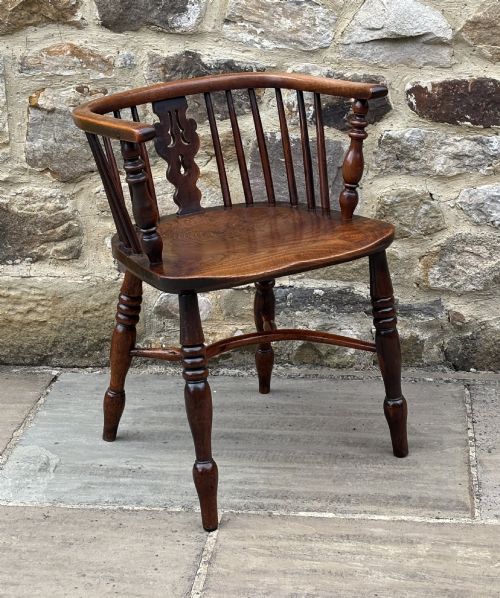
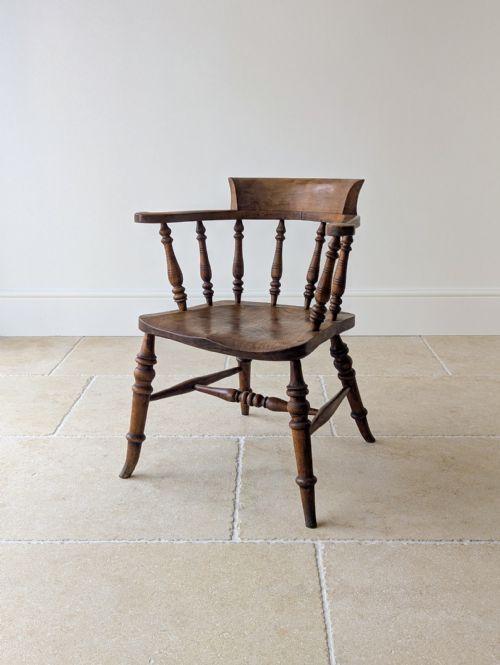
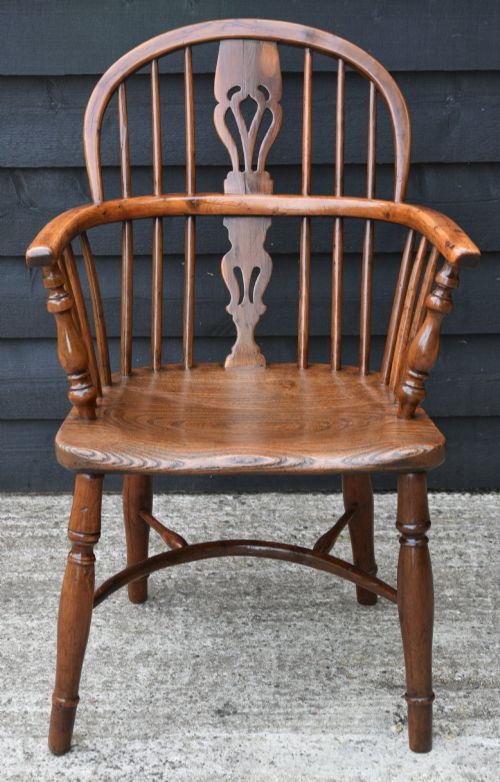
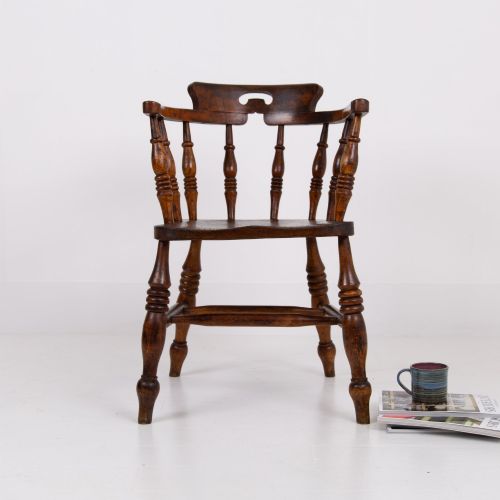
The selections span distinct regional forms, including Windsor armchairs with hoop backs, comb backs, and low backs, alongside smokers bows and captain's chairs. Makers utilised varied forms for dining, desks, and relaxed sitting, shaping armchairs and side chairs alike.
The origins trace deeply into English country vernacular traditions, reflecting regional carpentry methods across rural households and provincial workshops.
How they were made
Traditional construction relies on combining solid timbers, frequently pairing ash frames and bentwood bows with shaped elm seats and beech spindles. Carpenters shaped these woods using a mix of steam-bending for the continuous back rail and traditional turning for the legs and uprights.
Surfaces often display original brown paint, leather upholstery, or simply bare wood showing extensive wear and aged patination over decades of domestic service.
Listings feature ash, elm, beech, yew, and oak, reflecting traditional English country vernacular furniture production.
What varies in quality
Quality rests heavily on the choice of primary woods and the integrity of the original joints. Pieces constructed from figured yew wood or striking ash and elm combinations command greater attention than utilitarian beech alternatives.
The grace of the turning, the comfort and thickness of the saddle-shaped elm seat, and the survival of an uncompromised structural frame separate everyday workshop output from finer vernacular examples.
John Brand of Sleaford
The Traditional Bow Back Chair Glossary
- Bow back
- A continuous curved wooden rail forming the upper back and arm support of a chair. This bentwood member distributes weight effectively.
- Windsor chair
- A chair built with a solid wooden seat into which the legs and back spindles are separately inserted. These vernacular seats evolved distinct regional styles.
- Smokers bow
- A low-backed Windsor armchair with a rounded continuous arm rail, popular in domestic and institutional settings during the Victorian period.
- Comb back
- A Windsor chair variant where the central vertical spindles extend upward to support a small top rail resembling a traditional hair comb.
- Saddle seat
- A thick wooden seat base sculpted with hollows for seating comfort. Elm was frequently chosen for this component due to its interlocking grain.
Traditional Bow Back Chair: Frequently Asked Questions
What is a traditional bow back chair?
A traditional bow back chair is a wooden seat featuring a bentwood rail that forms the upper back, frequently associated with Windsor and smokers bow designs.
These pieces developed through English country vernacular traditions to serve practical needs in kitchens, farmhouses, and offices.
How do I date a bow back chair?
Dating relies on observing construction methods, timber choices, and tool marks left by nineteenth-century or earlier carpenters.
Changes in turning styles and the wear patterns on elm seats also help place a chair within the Victorian or Georgian periods.
Are these chairs comfortable for daily use?
Most examples feature ergonomically sculpted saddle seats and supportive spindle backs designed for extended sitting.
Their sturdy wood construction makes them well-suited for everyday dining or desk work in modern homes.
What woods were used to build them?
Maker workshops typically combined several native timbers to exploit their individual structural properties.
Elm provided strong seats, ash offered flexible strength for spindles and bent bows, and beech or yew supplied turned legs.