



Traditional Black Forest Carving
Traditional black forest carving brings woodland animals, peasants and alpine flora into interior spaces through detailed timber work.

Traditional Black Forest Carving
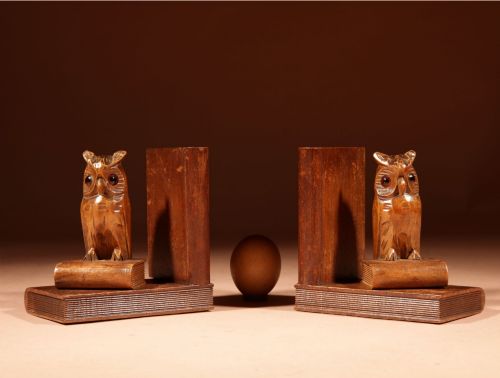
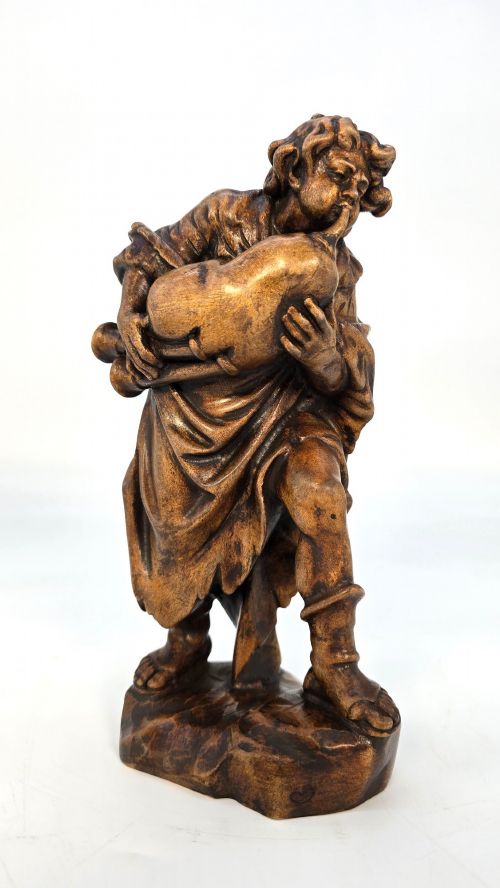
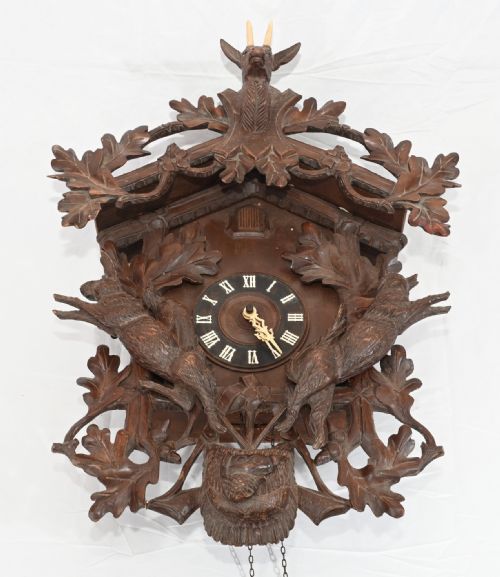
Traditional black forest carving covers functional items and decorative objects produced primarily in the nineteenth and early twentieth centuries. Buyers searching this phrase most frequently encounter clocks, barometers, bookends and animal figures.
The objects stem from Swiss and German alpine regions, capturing regional folklore and natural fauna. Pieces range from small inkstands and pipes to large mantel clocks and wall barometers.
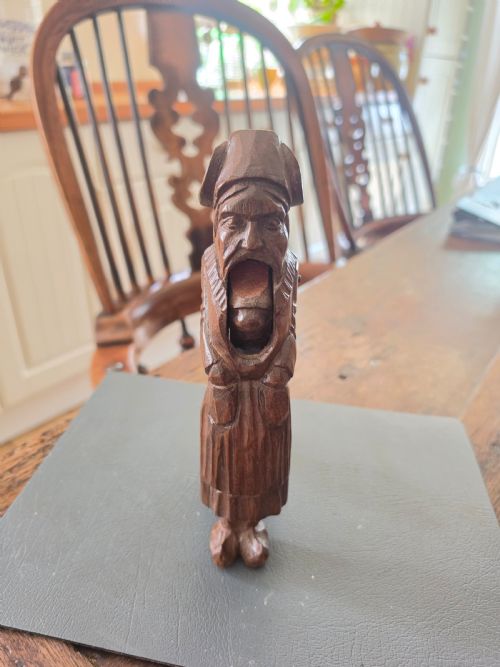
Domestic items such as nutcrackers, chairs and table lamps also appear within this genre. These works demonstrate how intricately carved timber served everyday household purposes.
What varies in quality
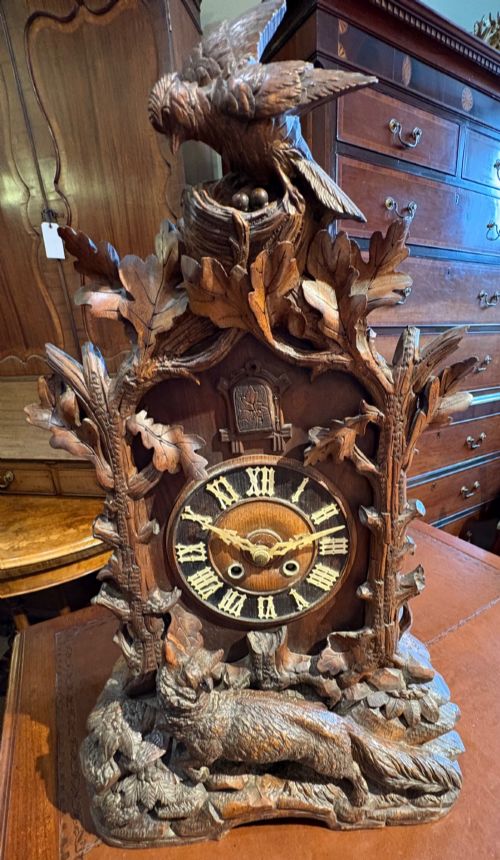
Depth of relief and naturalism in animal forms distinguish finer examples from standard production. Superior carvers captured texture in fur and feathers with considerable precision.
Complexity of movement in clocks and mechanical pieces marks the upper tier of the range. Original components and signed movements elevate the standing of a timber case.
Poachers carrying game share shelf space with watchful owls and dancing peasant couples.
Johann Baptist Beha·Lenzkirch
The Traditional Black Forest Carving Glossary
- Lindenwood
- A pale timber favoured by alpine carvers for its fine grain and ease of shaping. It accepts intricate detailing without splitting.
- Automaton
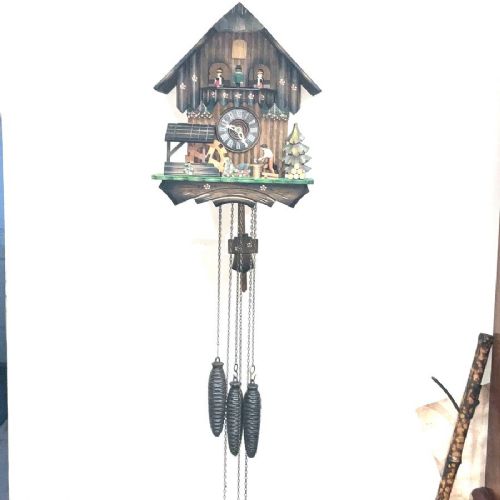
- A mechanical device that moves independently, often seen in musical clocks depicting figures or animals. These mechanisms require careful setting to function correctly.
- Aneroid barometer
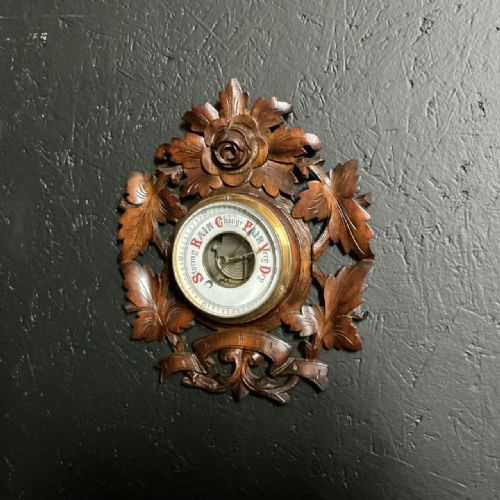
- An instrument measuring atmospheric pressure without liquid, housed in a carved wooden case. It provides weather readings through a dial face.
- Escabelle chair
- A traditional small wooden chair with carved regional decoration. These seats complement alpine folk art interiors.
- Inkstand
- A desk accessory featuring wells for ink, frequently carved with animal motifs such as bears. These items combine utility with wildlife sculpture.
Traditional Black Forest Carving: Frequently Asked Questions
What materials are used in traditional black forest carving?
Wood forms the primary material, specifically walnut, lindenwood, and oak. Artisans selected these timbers for their stability and grain.
Metal and glass components also appear in barometers and clock faces. These mixed media pieces combine mechanical parts with carved timber housings.
How do I identify a clock from this tradition?
Clocks often feature carved animal figures such as owls, birds or cuckoo mechanisms. The wooden cases display foliage and naturalistic scenes characteristic of alpine work.
Movements may be mechanical or musical, sometimes featuring automatons. Dial surrounds and weights complete the distinctive regional appearance.
How should I care for carved wooden pieces?
Keep wooden items away from direct heat sources and sudden temperature changes to prevent timber splitting. Dust gently with a dry cloth to maintain the surface.
Avoid using harsh chemical polishes on antique finishes. Regular monitoring of mechanical clocks ensures their continued operation.