

19th Century Wood Sculpture
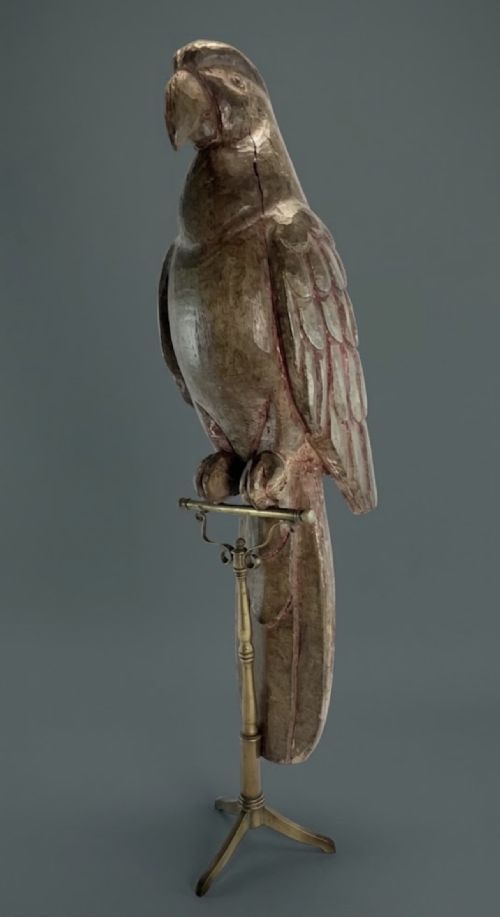
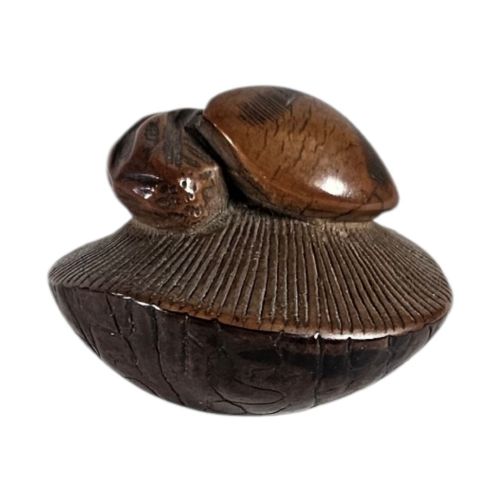
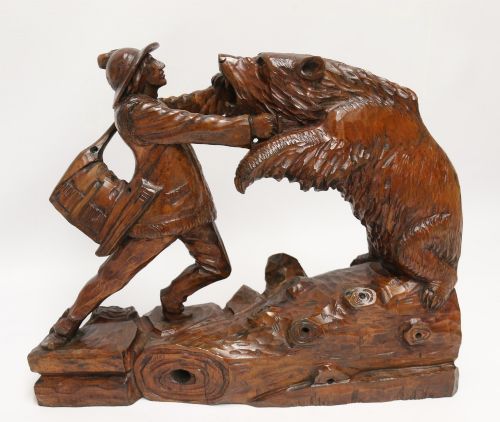
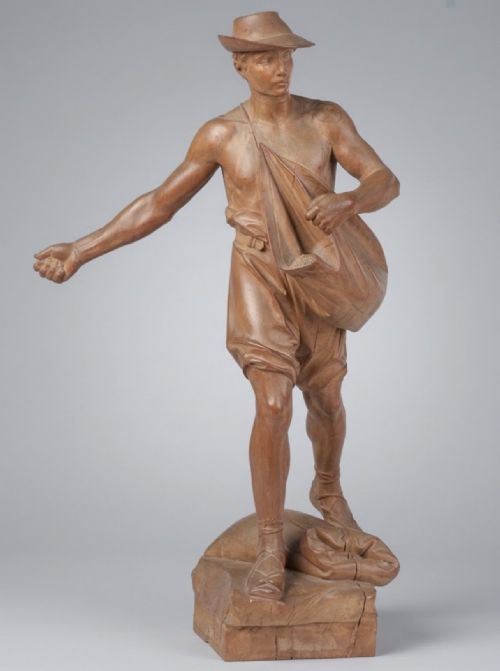
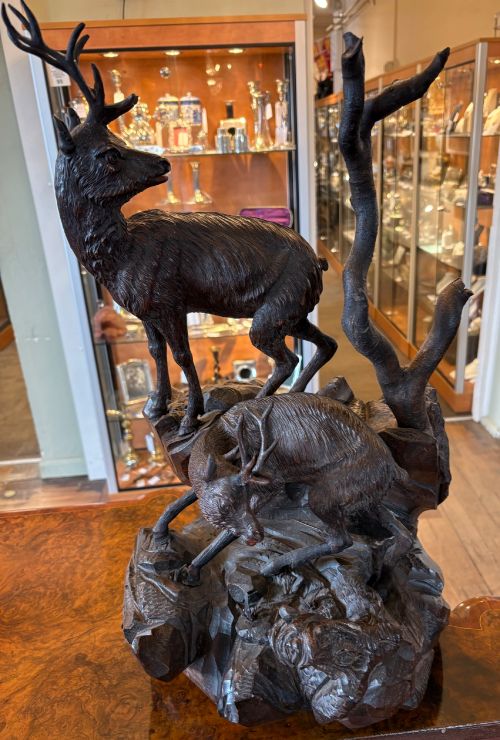
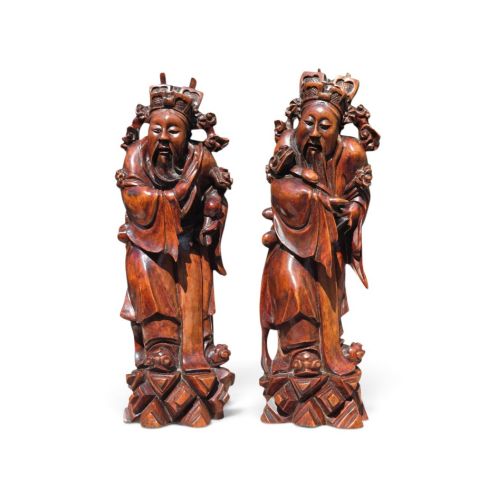
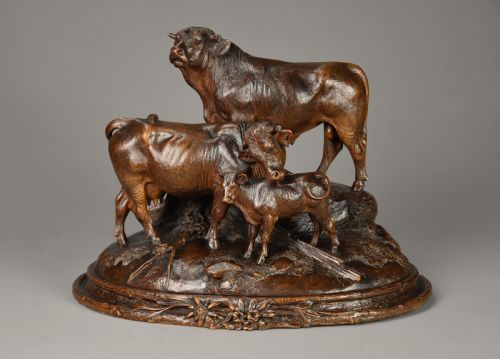
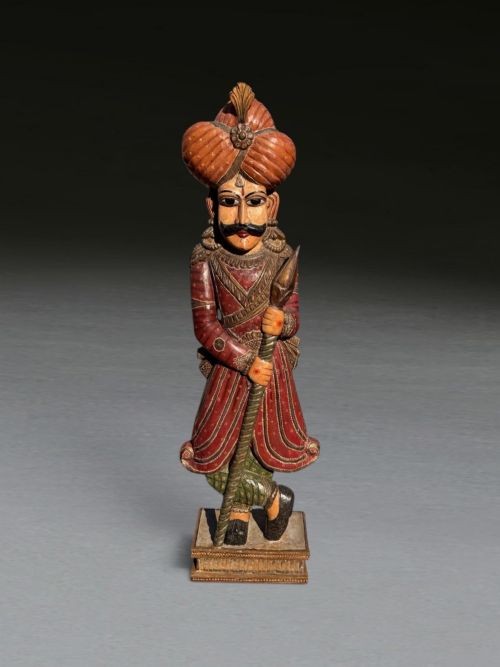
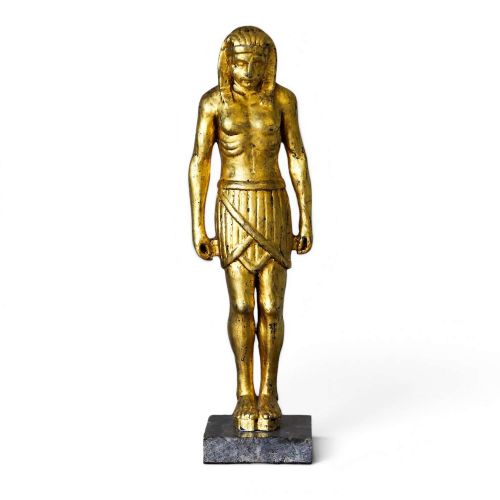
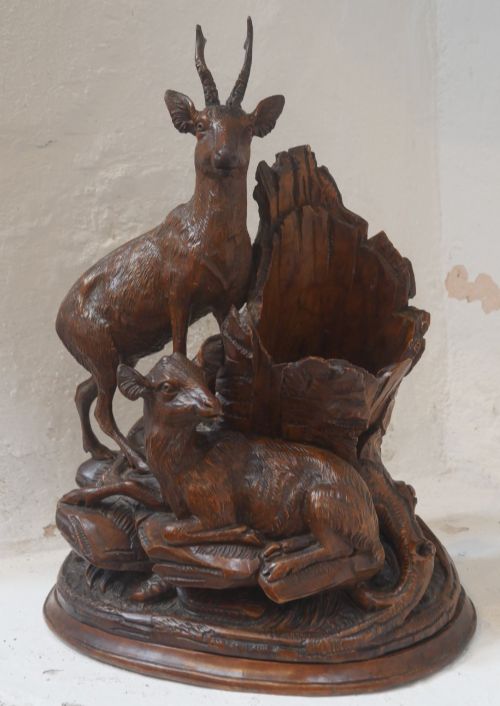
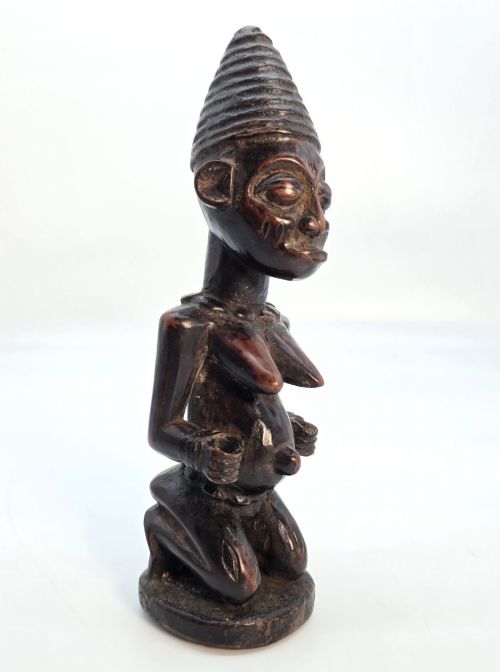
These carved pieces show the extraordinary scope of 19th century wood sculpture, ranging from Swiss animal studies to Asian figures.

19th Century Wood Sculpture
A 19th century wood sculpture brings together varied international traditions, taking the form of religious figures, animal groups, and folk carvings. Buyers encounter diverse regional styles, from Swiss Black Forest carvings to Qing Dynasty figures.
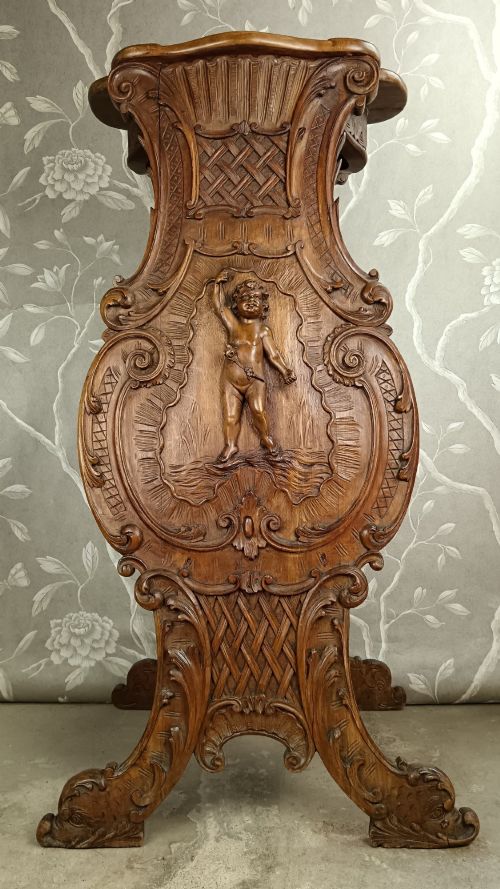
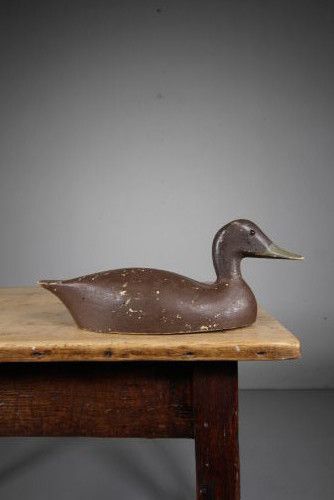
The objects serve multiple decorative and devotional purposes, appearing as freestanding statues, relief groups, pedestals, and automata. Many items reflect distinct cultural contexts, including Japanese netsuke, Burmese Buddhas, and English decoy ducks.
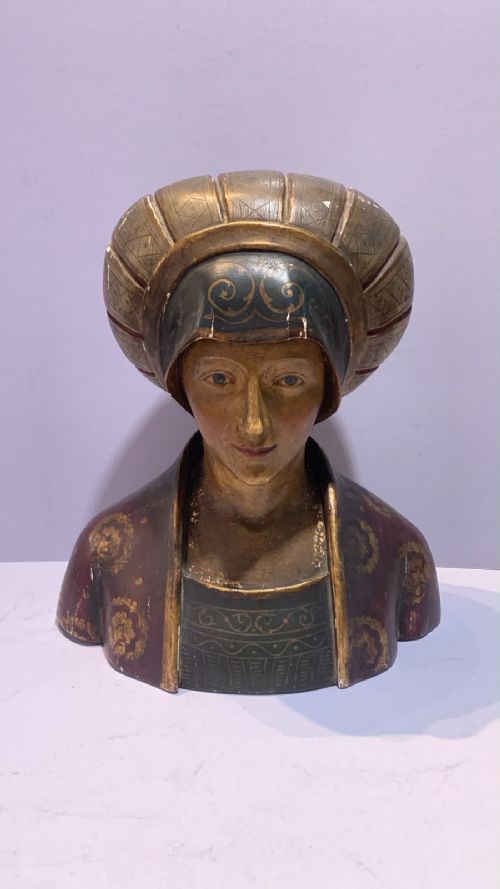
The selection ranges from vernacular folk art to grand Grand Tour souvenirs and cathedral-scale religious studies. Pieces vary from miniature boxwood items to life-size figures carved in oak and fruitwood.
Materials and construction
Carvers utilised regional timbers suited to their local traditions, selecting limewood, walnut, boxwood, fruitwood, and oak. Softwoods and dense hardwoods allowed makers to execute either deep, robust relief or microscopic detail.
Surface finishes varied according to origin and function, incorporating applied paint, gold leaf, lacquer, and natural wax polishes. Many pieces retained the unsealed warmth of carved wood, while others received polychrome decoration or faux finishes.
Listings feature 19th century wood sculptures spanning Victorian, Edo, and Qing periods, utilising limewood, walnut, and gold leaf.
Judging the carving
Quality rests in the anatomical understanding of the carver and the crispness of the undercut details. Superior pieces display lifelike movement and confident handling of grain, whereas lesser works show stiff postures and generalized tool marks.
The sophistication of the original design dictates the overall success of the object, distinguishing workshop production from master carvers. Preservation of original surface treatments and minimal timber shrinkage further define the better examples.
J HUGGLER·Jules Buste Labatut·Valentino Besarel·G J Lines
The 19th Century Wood Sculpture Glossary
- Black Forest
- A style of wood carving originating in Switzerland and Germany, renowned for realistically rendered animals, bears, and alpine foliage. Pieces from this tradition often utilise limewood or walnut.
- Fruitwood
- Timber derived from fruit-bearing trees such as pear, apple, or cherry, prized by carvers for its fine, even grain and warm colour. It allows for intricate detail without splitting.
- Boxwood
- A dense, pale hardwood used for miniature carving, netsuke, and detailed religious figures. Its uniform structure supports extremely sharp edges.
- Grand Tour
- A cultural journey undertaken by wealthy Europeans, resulting in the acquisition of souvenirs such as Italian architectural models, carved busts, and religious figures. These objects reflect classical revival tastes.
- Vernacular
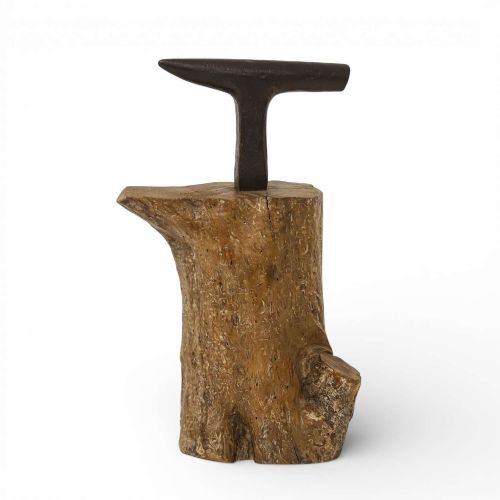
- Everyday objects made by local craftspeople or tradesmen without academic training, such as decoys, anvils on trunks, and folk art horses. These pieces value utility and direct expression over formal academic rules.
19th Century Wood Sculpture: Frequently Asked Questions
How do I identify Black Forest carvings?
Black Forest pieces typically depict regional animals like bears, deer, and chamois carved with deep texture. They often emerge from 19th century Switzerland and Germany using limewood.
Look for expressive glass eyes and naturalistic poses that evoke alpine forests. Many fine examples incorporate functional elements like umbrella stands or hall trees.
What woods were used in these sculptures?
Carvers selected specific timbers depending on the geographic origin and the intended scale of the work. Linden wood and walnut dominate European animalier and religious groups.
Hardwoods like boxwood suited miniature netsuke, while fruitwood served for detailed figures and vernacular objects. Oak appeared frequently in architectural and religious carvings.
How should I care for antique wood sculpture?
Keep wooden sculptures away from direct heat sources and dramatic humidity fluctuations to prevent splitting. Maintaining a stable environment preserves the original surface and structural integrity.
Apply occasional microcrystalline wax if the wood appears dry, but avoid heavy commercial polishes. Gentle dusting with a soft brush keeps the carved recesses clean.
What is a Grand Tour sculpture?
Grand Tour sculptures were items acquired by travellers exploring European cultural centres during the 19th century. They frequently replicated classical busts, religious figures, or architectural elements.
These pieces served as educated mummified reminders of classical antiquity and Renaissance art. Materials often included carved walnut, marble-effect finishes, or gilt wood.