
Carved Brown Wood Figurine
These pieces are carved brown wood figurines, bringing tangible craft and historic character to any room through centuries of diverse regional sculpture.
Carved Brown Wood Figurine
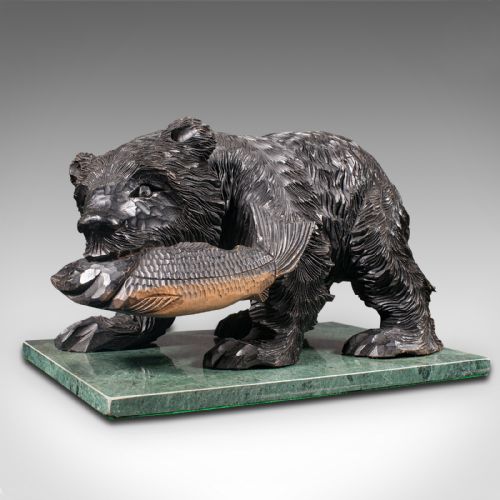
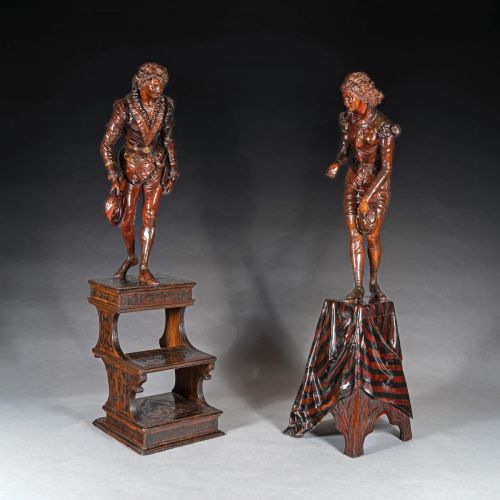
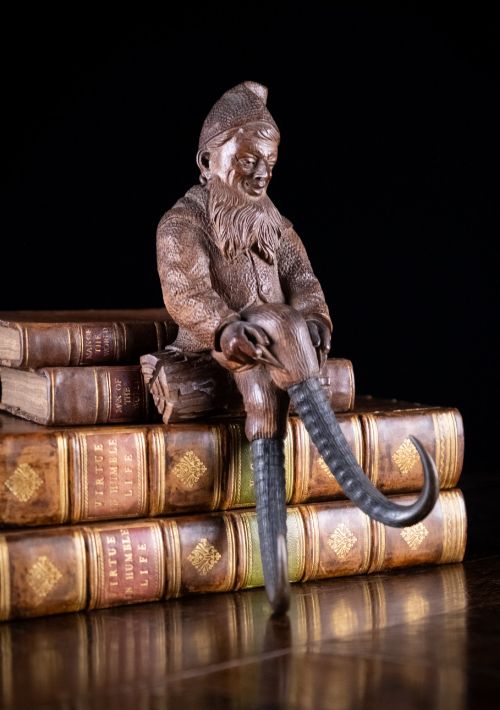
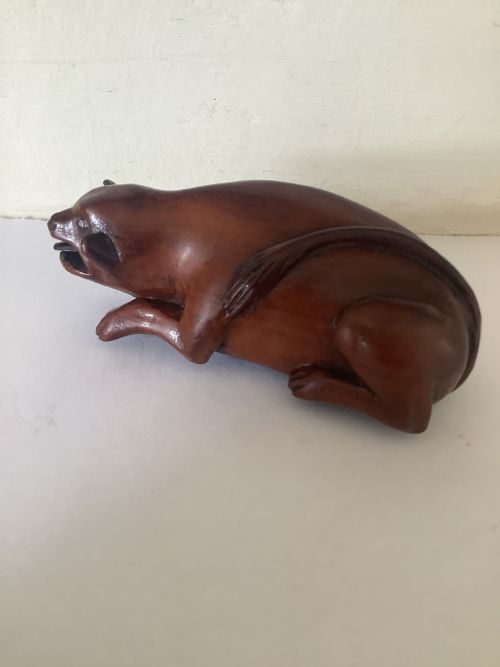
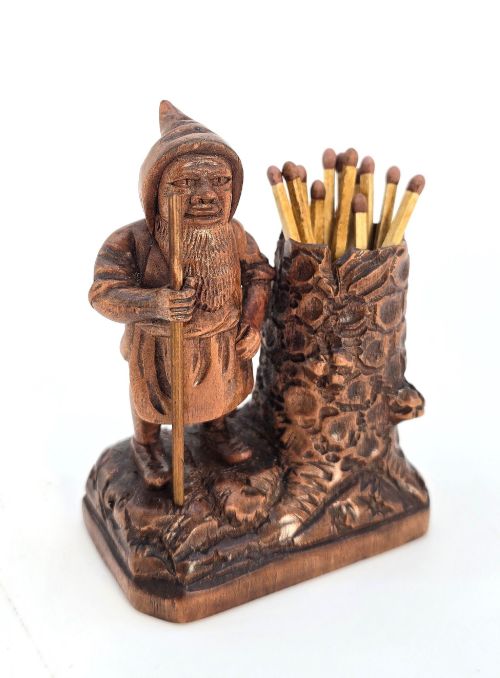
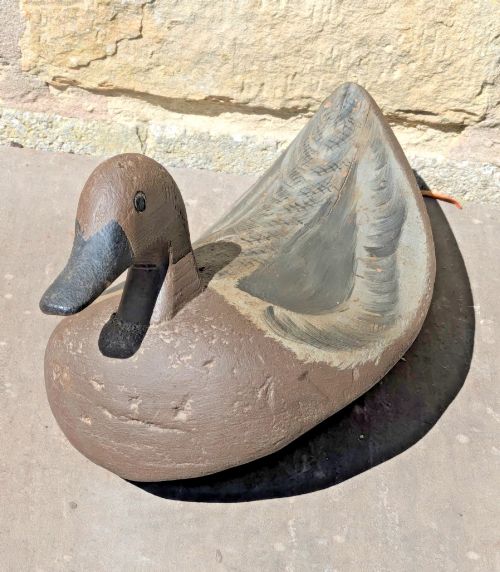
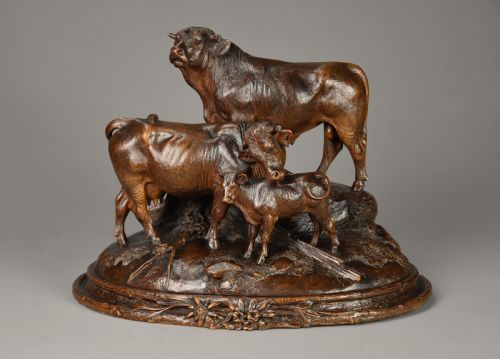
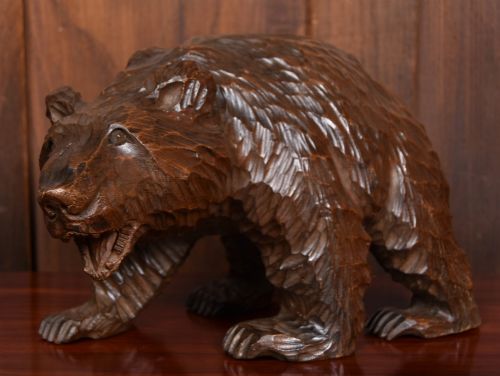
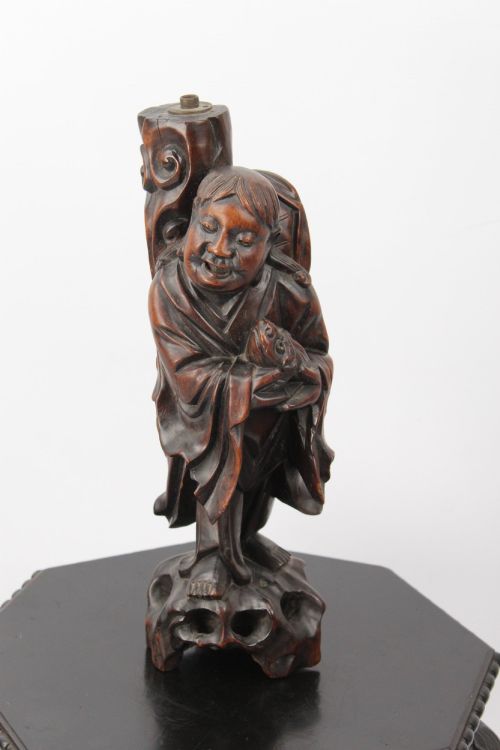
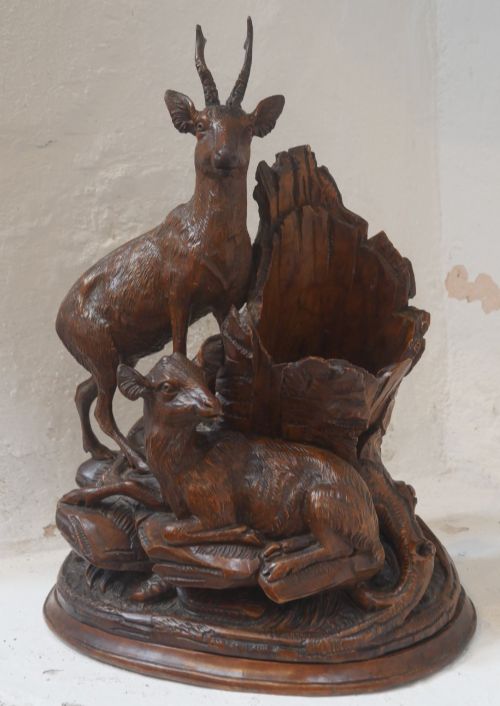
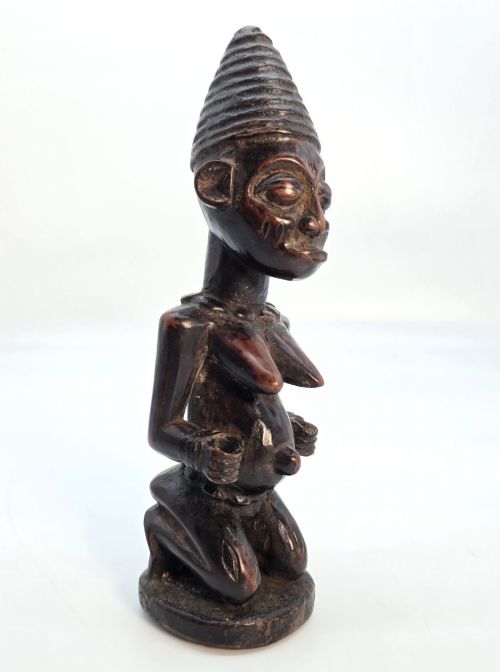
A carved brown wood figurine represents a rich intersection of global folk art traditions, religious subjects, and animal studies spanning the nineteenth and early twentieth centuries. When searching this phrase, a buyer encounters diverse sculptural forms ranging from European Black Forest bears and Swiss figures to Asian hardwoods, African tribal carvings, and folk art statues.
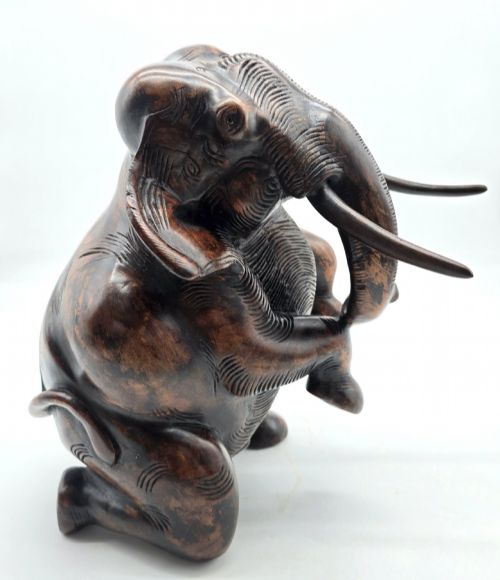
The selection on this page relies heavily on regional traditions, most notably European limewood and linden wood animal groups, Japanese Meiji period sculptures, and Anglo-Indian Raj period elephants. These objects often served domestic decorative roles, functional purposes such as match strikers and bookends, or spiritual functions within their respective cultures.
How They Were Made
Carvers utilised regional timbers such as limewood, boxwood, walnut, teak, and various dense hardwoods to shape these figures with hand tools. Grain direction dictated the depth of relief and the survival of fine details like fur, facial expressions, and traditional garments.
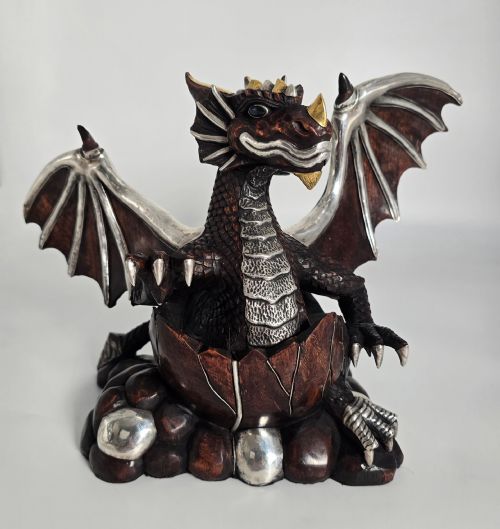
Surface treatments range from waxed and polished natural wood finishes to painted highlights, occasional glass inset eyes, and mixed metal mounts. The combination of direct hand carving and subtle finishing gives each sculpture its individual texture.
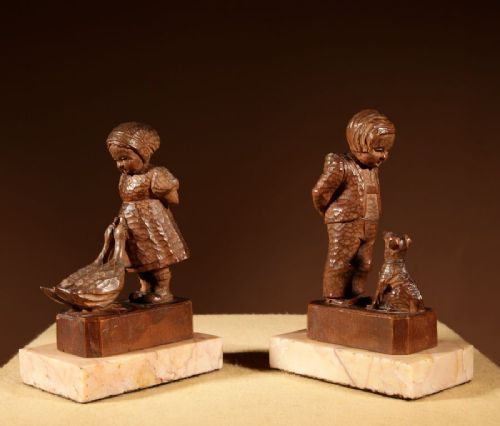
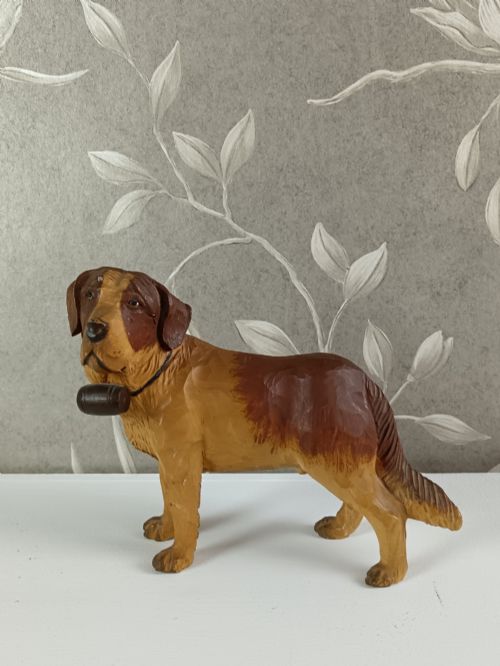
Saint Bernard rescue dogs and pipe-playing Swiss youths keep watch over the sturdy bears in the alpine wood community.
What Varies in Quality
Quality rests upon the sensitivity of the carving and the depth of naturalistic detail achieved by the maker. A superior sculpture demonstrates fluid muscle definition, correct anatomical proportions in animals and humans, and a confident handling of the wood grain.
Pieces that emerge from recognised regional workshops or bear signatures display a higher level of compositional ambition and finishing restraint. Lesser examples rely on repetitive mechanical shaping and lack the expressive individual character found in better studio work.
J Huggler·Tomochika·Simon Troger
The Carved Brown Wood Figurine Glossary
- Black Forest
- A nineteenth-century Swiss and German style of wood carving known for realistic depictions of animals, particularly bears, and rustic household objects.
- Limewood
- A pale, fine-grained wood favoured by European carvers for its smooth consistency and ease of handling intricate details.
- Netsuke
- A small Japanese miniature carved from wood or other materials, traditionally used as a toggle to secure a pouch on a kimono sash.
- Raj Period
- The period of British rule in the Indian subcontinent, influencing decorative arts and teak or hardwood animal carvings produced for export and domestic use.
Carved Brown Wood Figurine: Frequently Asked Questions
What periods do these wood figurines cover?
The pieces span from the early eighteenth century through to the mid-twentieth century, with a strong concentration of nineteenth-century and Edwardian examples.
Craft traditions from this broad span reflect varied regional preferences, ranging from European alpine animal groups to Asian hardwoods and folk art figures.
How do I identify a Black Forest carving?
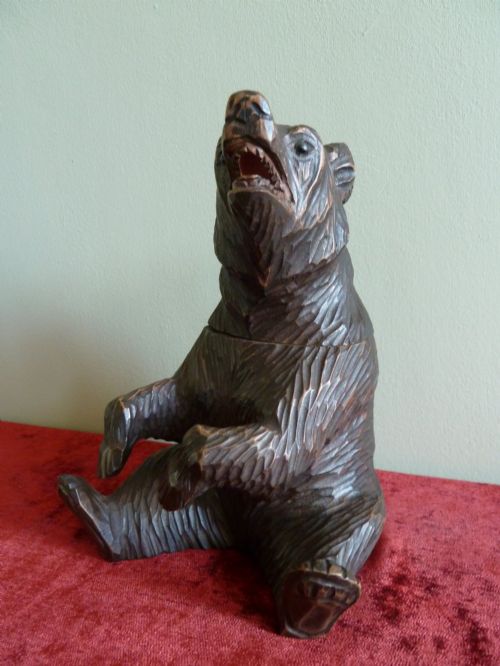
Black Forest carvings are typically rendered in limewood or walnut, focusing on naturalistic wildlife such as bears, deer, and owls integrated into functional objects like bookends or tobacco holders.
These pieces often display a deep rich brown tone and originated primarily in Swiss and German workshops during the nineteenth century.
Were these figures meant for display or use?
Many of these carved objects served dual purposes, acting simultaneously as decorative sculptures and functional items like match strikers, whip hooks, snuff boxes, and bookends.
Other examples were purely sculptural representations of deities, human figures, or local animals intended solely for domestic display.
What types of wood were commonly used?
Carvers selected specific timbers depending on regional availability and the desired scale of the work, utilising limewood, boxwood, walnut, teak, and dense African hardwoods.
Lighter woods like limewood allowed for intricate undercutting in alpine subjects, while heavier hardwoods provided durability for large animal figures.