


Swiss Carved Wood Figure
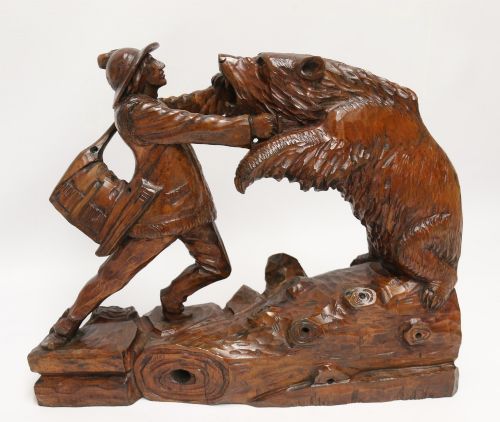
A swiss carved wood figure brings the dense pine forests and alpine wildlife into the room through meticulous traditional craftsmanship.
Swiss Carved Wood Figure
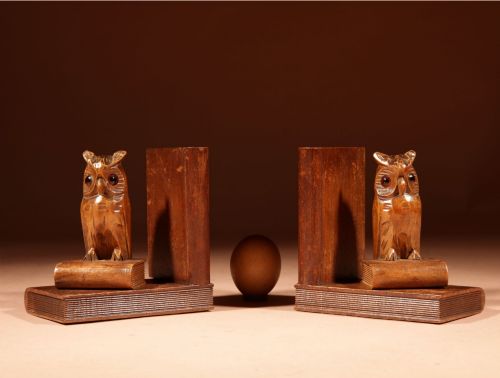
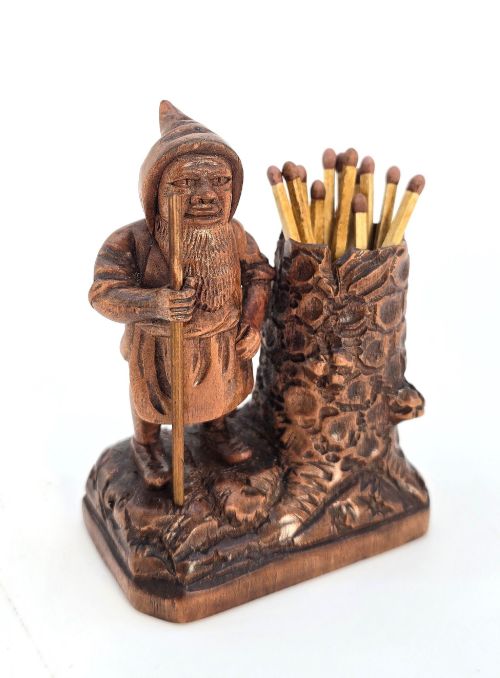
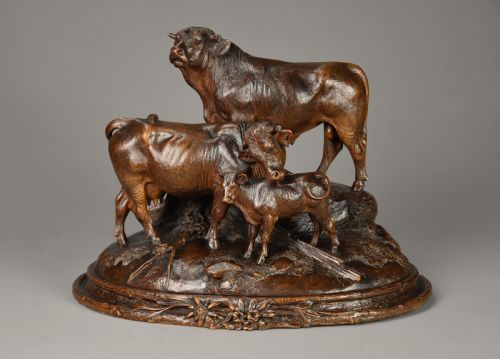
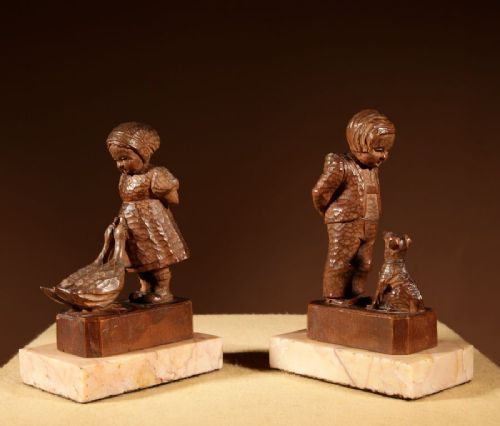
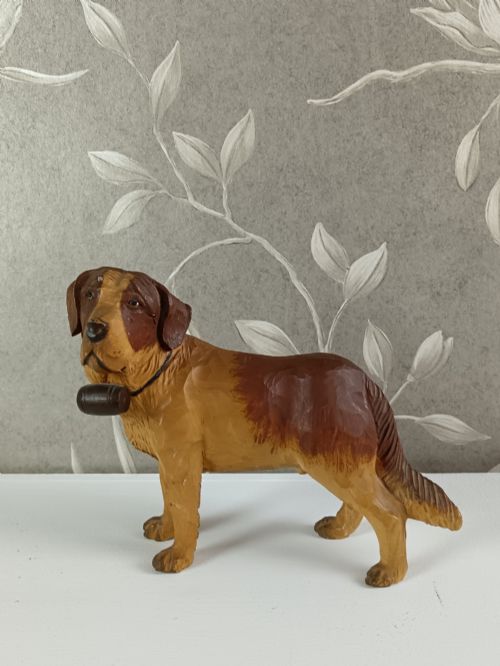
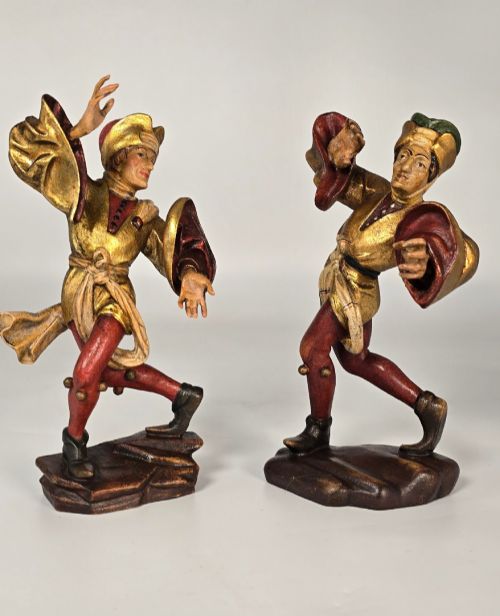
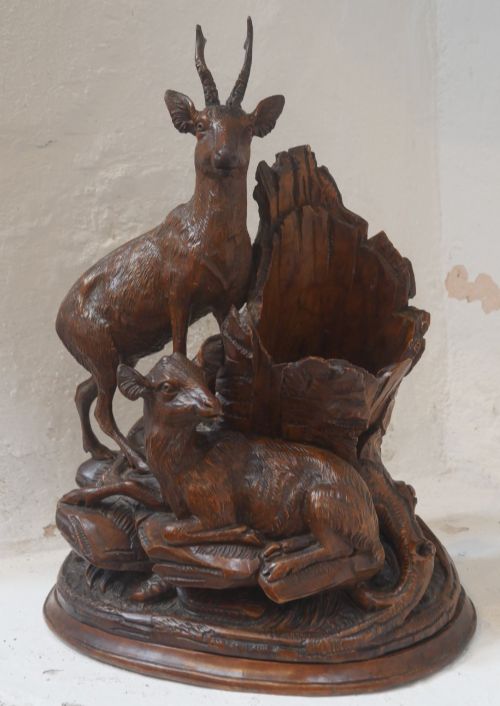
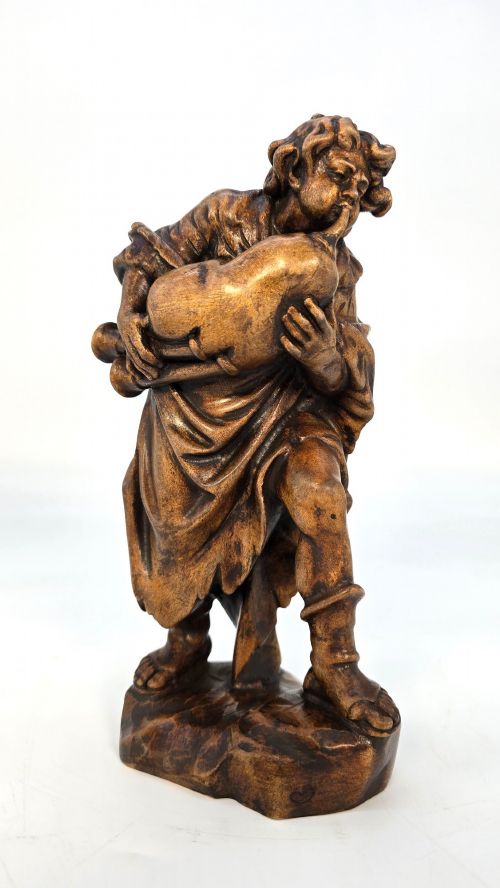
A swiss carved wood figure represents the rich folk art traditions of the nineteenth and early twentieth centuries, capturing animals and human subjects in striking detail. These pieces encompass free-standing sculptures, bookends, inkwells, and nutcrackers originating from regional workshops associated with the Black Forest and Alpine areas.
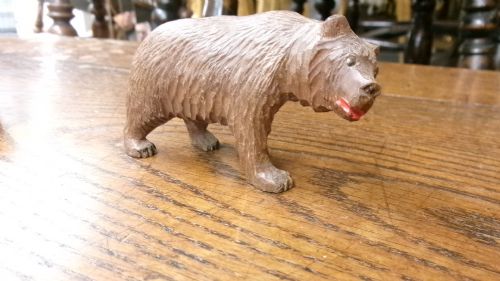
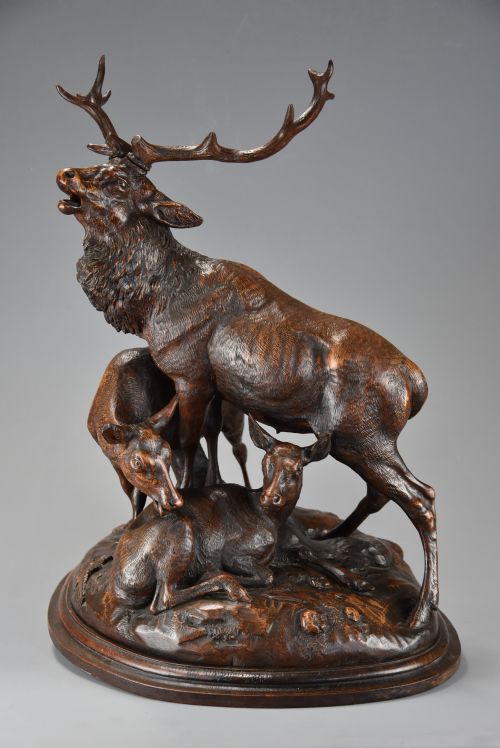
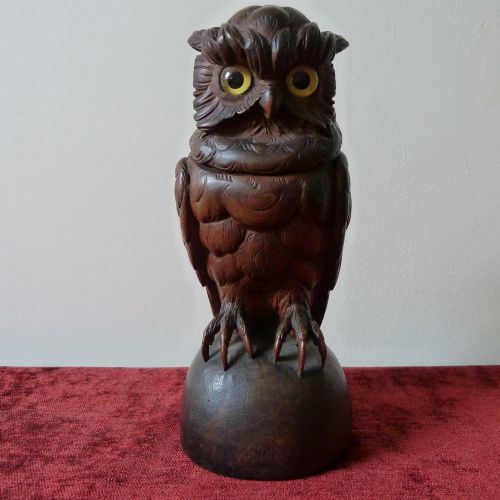
The subjects most frequently encountered include bears, owls, stags, cattle, and goats, alongside human figures such as peasants, dancers, and historical characters like William Tell. Many examples function as practical desk accessories or household items while maintaining intricate sculptural forms.
Materials and Methods
Carvers predominantly utilised native timbers such as linden wood, limewood, walnut, and oak, which offered the fine grain and consistent density required for intricate miniature work. Linden wood and limewood proved especially popular for their pliable nature under hand tools, allowing artisans to render fur, feathers, and facial expressions with precision.
Finishing techniques ranged from natural wax polish to applied paint and glass eyes inserted into animal subjects to heighten realism. Certain pieces incorporated metal components for functional elements like inkwells, match strikers, and nutcracker mechanisms.
Listings feature linden wood, limewood, walnut, and oak across nineteenth and early twentieth century periods.
Distinctions in Quality
Quality in these carvings rests upon the depth of anatomical understanding and the vitality rendered in the subject, separating routine souvenir items from masterworks. Superior examples display dynamic movement, correct skeletal proportions, and finely textured fur or plumage rather than stiff, generalised blocking.
The definition of details around the eyes, claws, and hands indicates the carver's skill level and the time dedicated to the piece. Signed items or those bearing workshop stamps often demonstrate the highest tier of execution and design ambition.
J HUGGLER
The Swiss Carved Wood Figure Glossary
- Black Forest
- A regional style of wood carving originating from the mountain forests of central Europe, famous for animal figures and novelty items. The designation encompasses both Swiss and German alpine production.
- Linden wood
- A pale, fine-grained timber frequently utilised by carvers for its cooperative texture and lack of prominent grain. It allows sharp undercutting and detailed surface work.
- Folk art
- Traditional decorative items and sculptures made by regional artisans outside the formal academic academies. These pieces rely on generational techniques and local cultural motifs.
- Inkwell
- A small desk container for holding liquid ink, often integrated into carved animal or architectural bases. They frequently include hinged lids and glass inserts.
- Nutcracker
- A mechanical tool for cracking hard-shelled nuts, rendered here in carved wood as human or animal figures. Levers and internal screws operate through movement of the limbs or jaws.
Swiss Carved Wood Figure: Frequently Asked Questions
What animals appear most often in these carvings?
Bears, owls, stags, and cows dominate the production, reflecting the local fauna of the alpine regions where the carvers lived and worked.
Bears range from miniature single figures to complex groups acting as inkstands or bookends.
How were these wooden pieces used originally?
Many served as decorative ornaments for mantelpieces and cabinets, while others doubled as functional desk accessories like match strikers and inkwells.
Nutcrackers and condiment holders combined practical household utility with whimsical folk sculpture.
How can I tell the age of a carving?
Dating relies on the style, timber choice, presence of glass eyes, and any signatures or stamps pressed into the wood.
Nineteenth-century examples frequently exhibit deeper hand-tool marks and darker patination from decades of handling and wax polishing.
Where were these figures made?
Production centred in alpine workshops across Switzerland and the adjacent Black Forest region of Germany.
Local families and specialised cooperatives passed down carving skills through generations, utilising nearby timber supplies.