

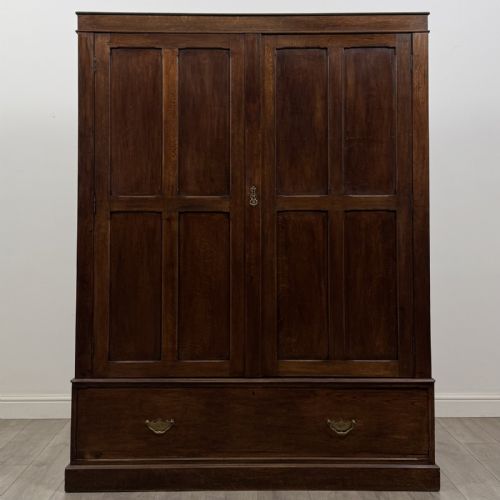
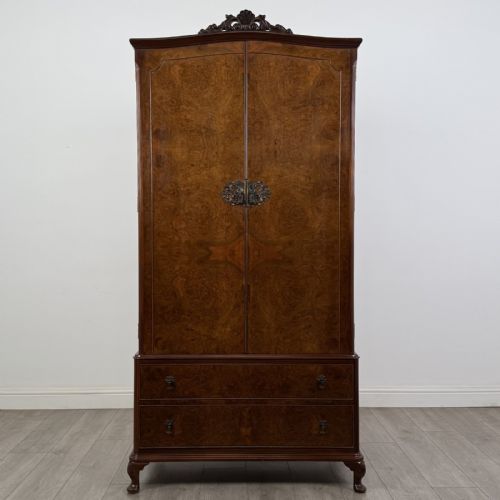
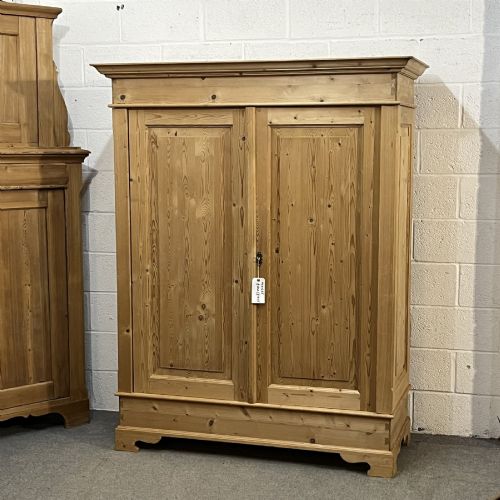
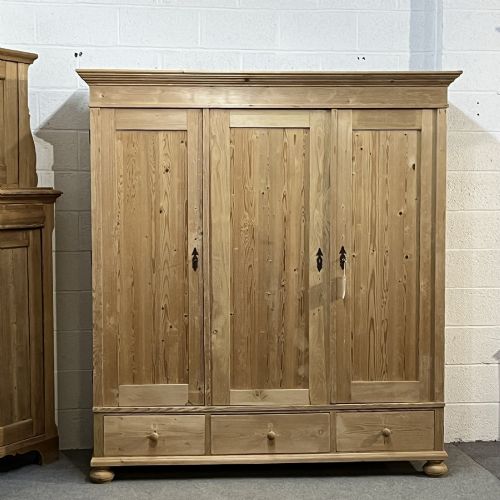
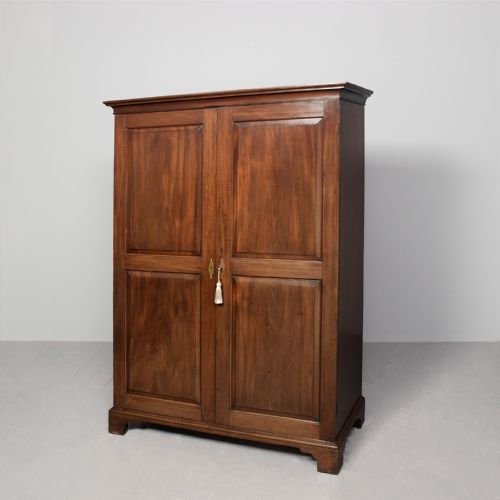
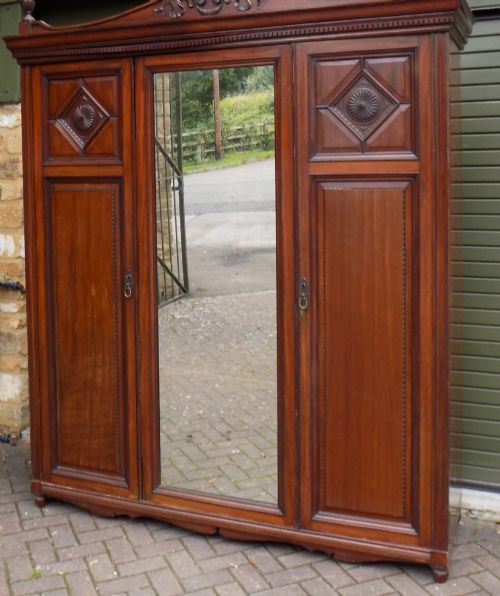
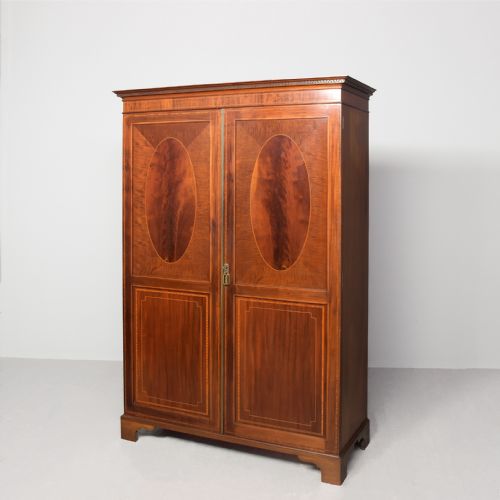

Traditional Bedroom Wardrobe
A traditional bedroom wardrobe is a substantial timber storage piece offering hanging space and linen shelving, selected for lasting build quality and classic proportions.
Traditional Bedroom Wardrobe
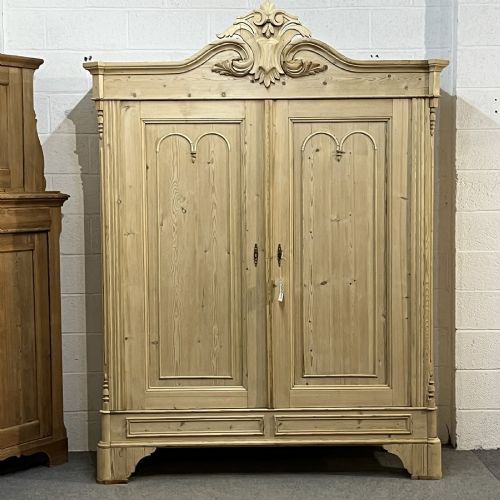
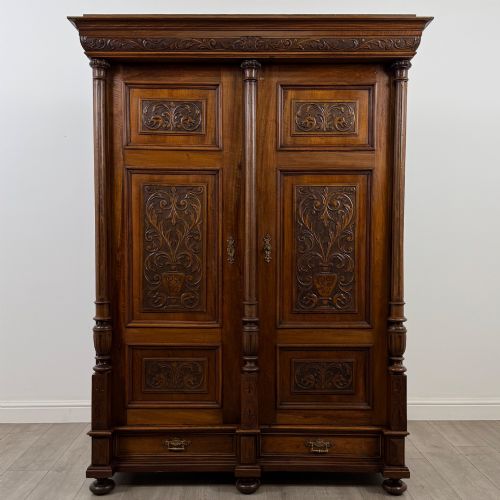
A traditional bedroom wardrobe provides essential hanging and shelving storage for domestic interiors, spanning formal architectural pieces to utilitarian country furniture. These large storage items appear across multiple centuries, offering distinct configurations for clothing organisation.
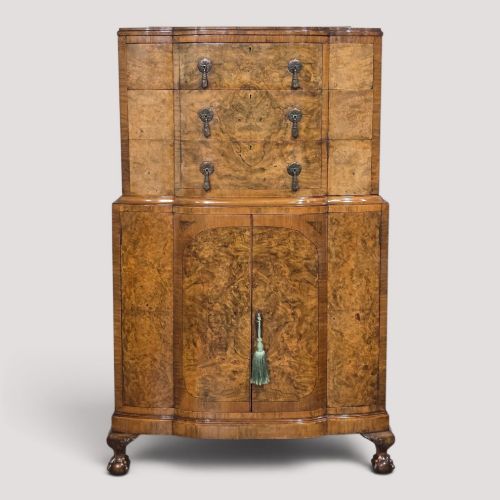
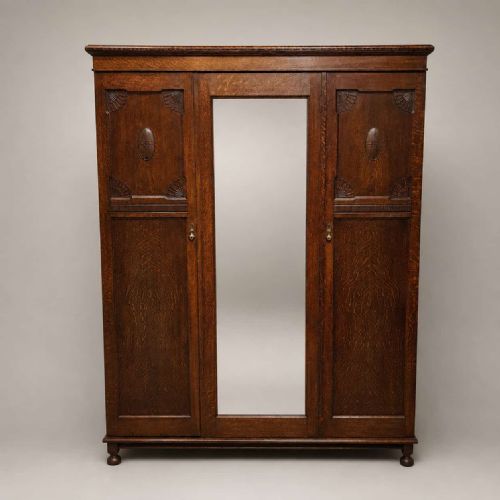
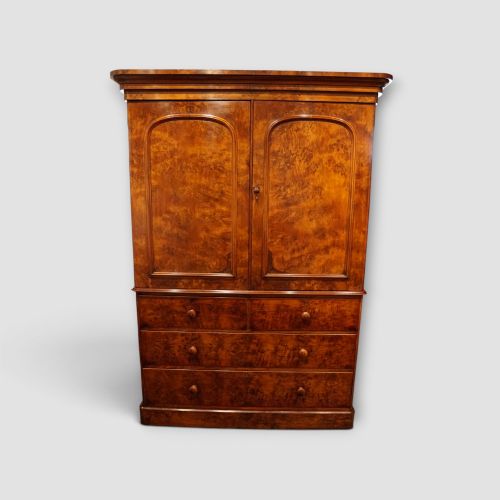
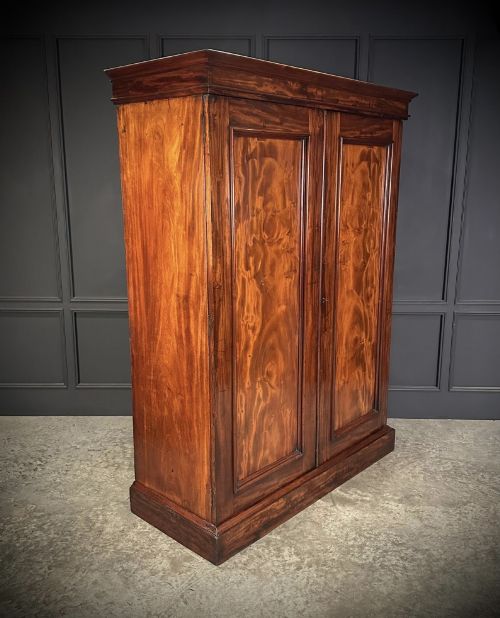
The selections here range from Georgian mahogany hanging cupboards and linen presses to Victorian and Edwardian pine or walnut multidoor wardrobes. Buyers encounter compact two-door variants alongside grand triple and breakfront models equipped with internal drawers.
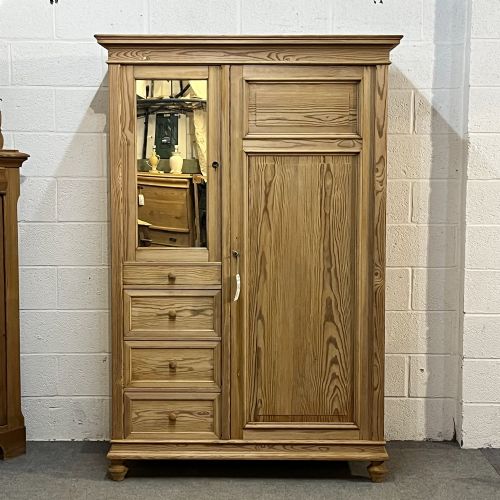
Early examples often feature linen press designs that combine upper shelving sections with lower drawer banks beneath panelled doors. Later pieces introduce mirrored glass panels, knockdown frames for easier transport, and compactum layouts.
Materials and construction methods
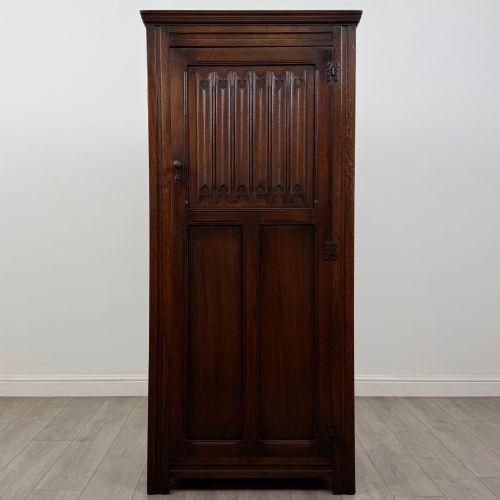
Cabinet makers utilised dense hardwoods such as mahogany, walnut, and oak alongside softer domestic timbers like pine for carcase construction. High-grade pieces frequently display figured flame mahogany veneers or burr walnut panels set into solid frames.
Joinery techniques relied on traditional panel construction, hand-cut dovetails for internal drawer boxes, and durable pegging systems. Many pine variants were designed as knockdown units using wedge-and-slot or bolt-together joints for ease of relocation.
Traditional Bedroom Wardrobe Retail Price Guide 2026
Typical asking prices for traditional bedroom wardrobe among the pieces listed under this phrase on Sellingantiques today, from the lower quarter to the upper quarter. They describe what is for sale here now, not the wider market.
The listings span the 18th, 19th, and 20th centuries, featuring materials from native pine and oak to imported mahogany, walnut, and brass hardware.
Markers of cabinet quality
Superior execution shows in the selection of timber figures, where book-matched veneers or choice mahogany boards dictate the visual rhythm of the facade. Heavy structural timber framing provides rigidity, preventing the warping often seen in lesser carcases over centuries of use.
Hardware integration and internal configuration signal the grade of the piece, from fine brass escutcheons and working locks to secondary oak drawer linings. Original backboards, functioning panel joints, and unaltered cornices distinguish better workshop output from utilitarian production.
The Traditional Bedroom Wardrobe Glossary
- Linen Press
- A storage item combining upper sliding trays or shelves enclosed by doors with a lower chest of drawers. This form evolved to store household linens flat before hanging garments became common.
- Compactum
- A multi-compartment wardrobe incorporating hanging space, shelves, and internal drawer units within a single unified carcase. These items maximise internal organisation for personal apparel.
- Knockdown
- A piece of furniture engineered to dismantle into separate panels and sections for transport and installation. This construction method proved common in large provincial pine wardrobes.
- Breakfront
- A cabinet facade where the central section projects forward from the flanking wings. This architectural arrangement creates depth and visual interest on large triple wardrobes.
- Flame Mahogany
- Timber cut from the fork of the mahogany tree to produce a distinctive flickering flame pattern in the grain. Cabinet makers reserved these veneers for primary display surfaces.
Traditional Bedroom Wardrobe: Frequently Asked Questions
How do I assemble a knockdown wardrobe?
Knockdown wardrobes utilise internal bolts, wooden pins, or slot-together joints designed to secure the crown, base, and side panels without permanent glue. Careful alignment of these original joints ensures the carcase remains square during assembly.
Securing the backboards and ensuring the floor is level prevents the doors from binding in their frames once the structure stands upright.
What is the difference between a wardrobe and a linen press?
A wardrobe is primarily designed for hanging garments on internal rails, featuring full-length doors and deep internal clearance. A linen press traditionally houses sliding trays or shelves in the upper section for folded textiles.
Many examples classified under these terms blur the distinction by offering internal drawer banks alongside hanging space or removable shelving.
How do I care for antique timber surfaces?
Maintaining traditional wood finishes requires gentle cleaning with a soft cloth and occasional application of appropriate beeswax to nourish the timber. Avoiding direct sunlight and sustained moisture prevents the grain from drying or cracking.
Harsh modern chemical sprays strip historic polish and should be avoided in favour of traditional wax maintenance.
Can these large wardrobes fit modern bedrooms?
Traditional wardrobes were built on a grand domestic scale, requiring careful measurement of ceiling height and floor space before acquisition. Many period pieces offer deep hanging space, though older depths can occasionally require modern coat hangers placed at an angle.
Knockdown construction in certain pine and regional pieces allows easier navigation of stairwells and tight hallways during delivery.