
Wooden Armoire
A wooden armoire brings heavy timber storage into a bedroom, holding clothes behind panelled doors with traditional proportions.
Wooden Armoire
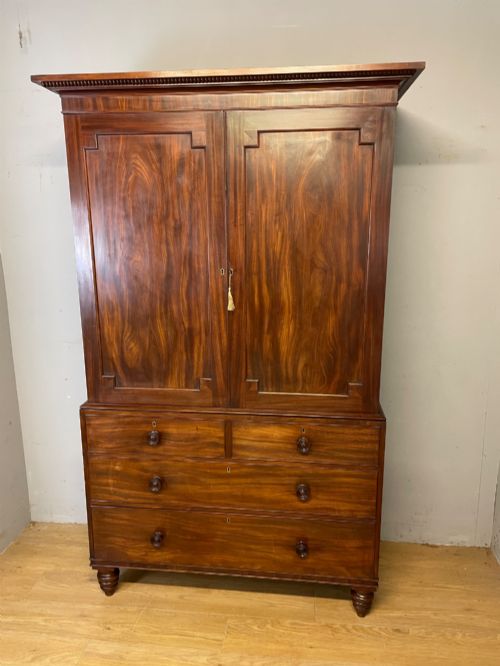
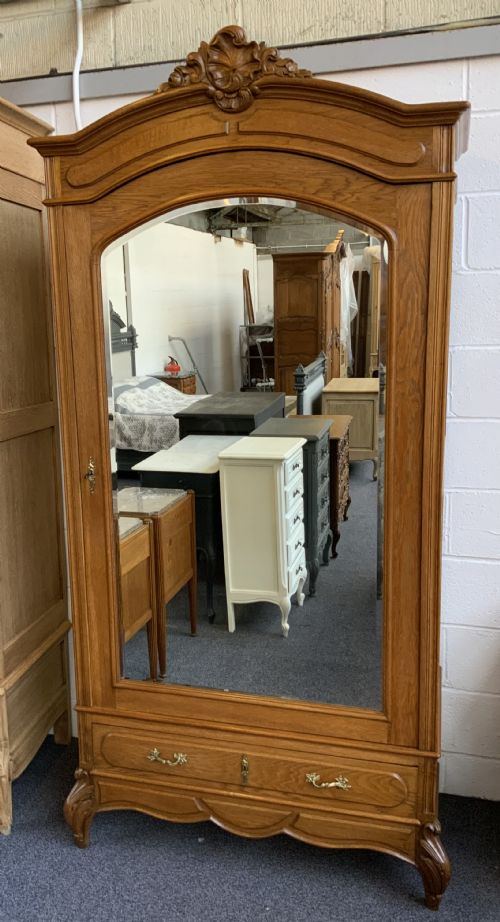
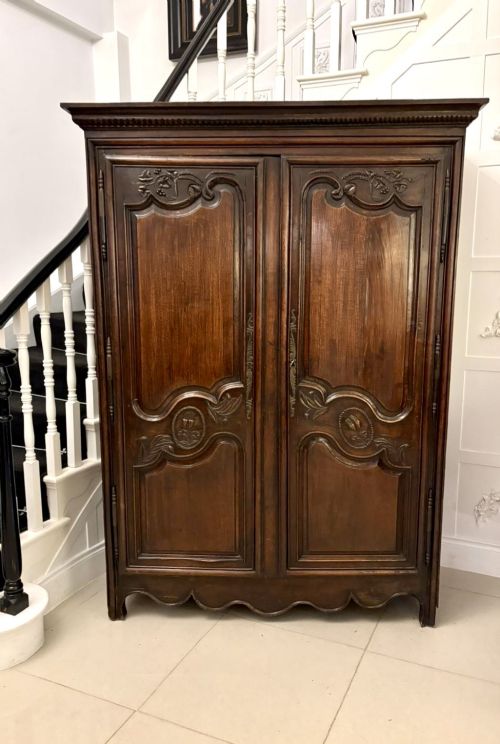
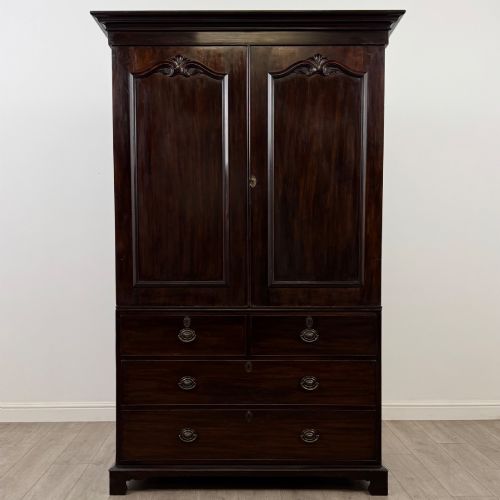
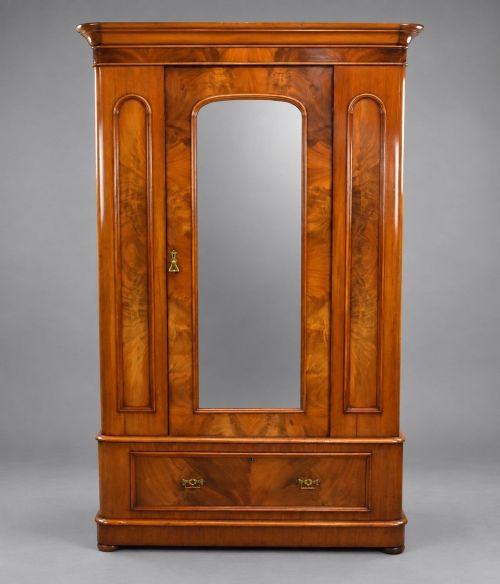
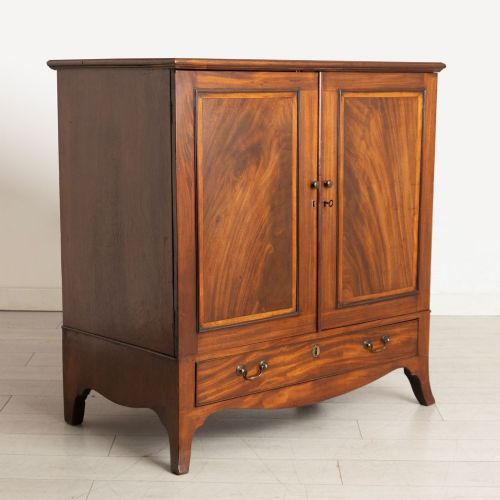
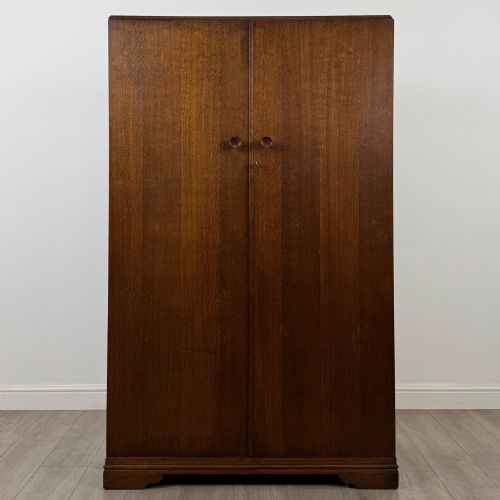
A wooden armoire provides substantial hanging space and shelving, drawing from periods spanning the Georgian era through to the 1930s. These pieces often arrive as double or triple wardrobes, linen presses, or regional press cupboards built for domestic storage.
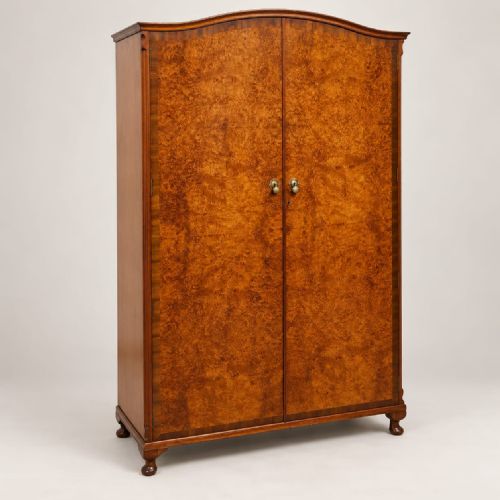
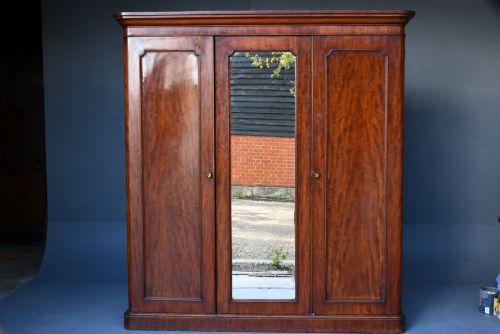
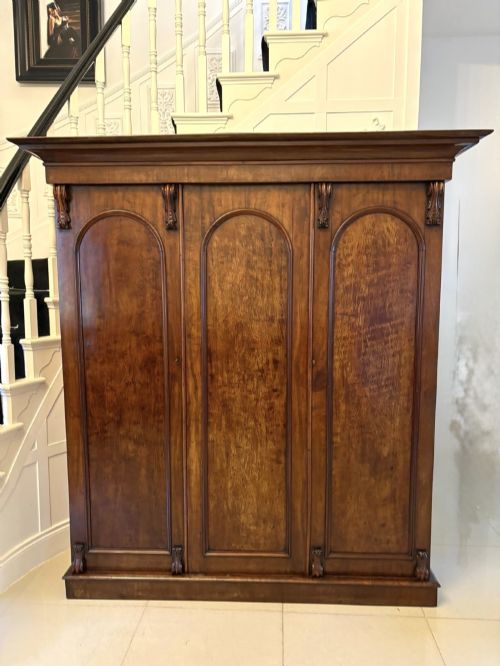
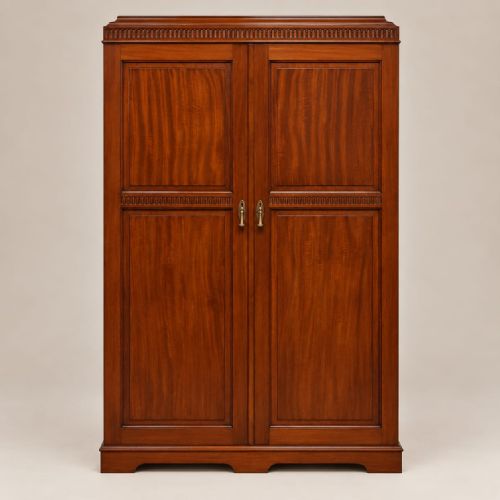
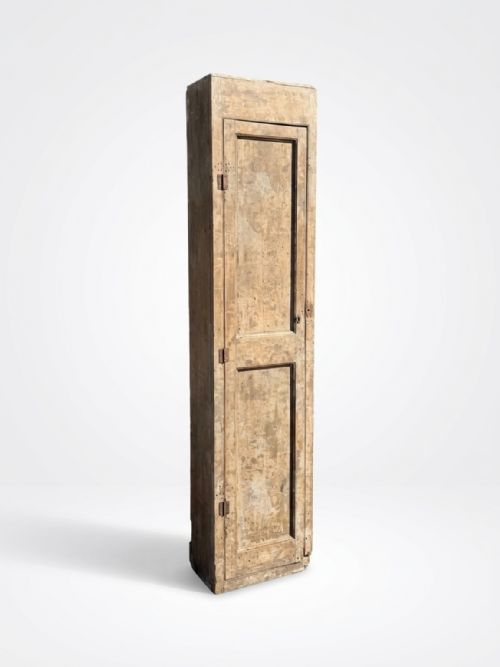
Mahogany and oak dominate the selection, accompanied by pine, walnut, burr walnut, and cherry wood. Buyers frequently encounter French provincial designs, Edwardian compactums, and Victorian mahogany constructions alongside simpler country house pieces.
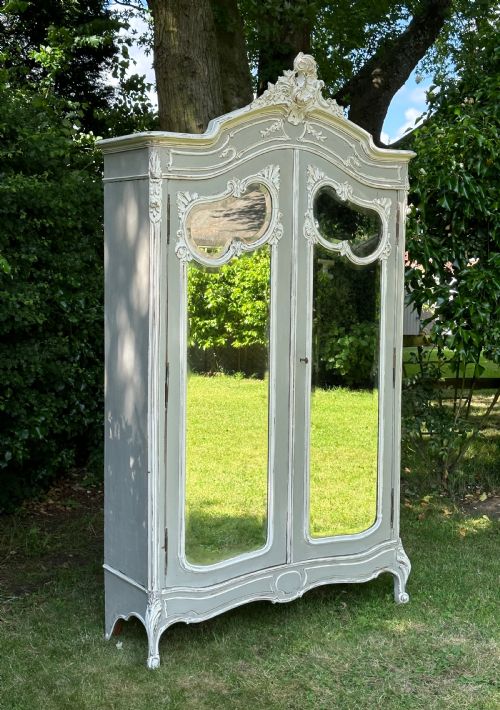
Origin points range from British workshops to French provincial makers and Dutch houses. The form shifts from tall carved cupboards to panelled wardrobes fitted with internal drawers and mirrors.
How they were made
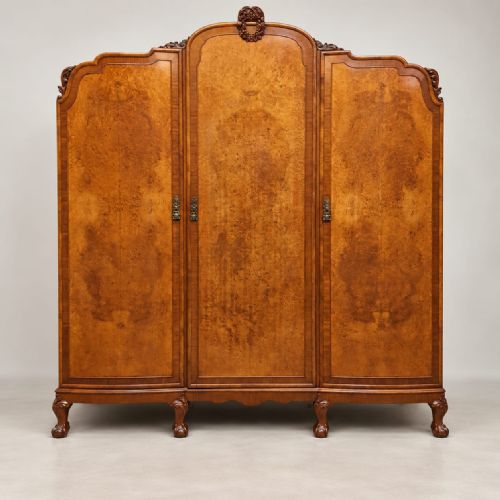
Carpenters constructed these wardrobes using solid hardwoods and softwoods like oak, mahogany, and pine, often applying figured veneers such as burr walnut to prominent door panels. Joints relied on traditional methods including dovetailing for internal drawers and mortise and tenon framing for structural stability.
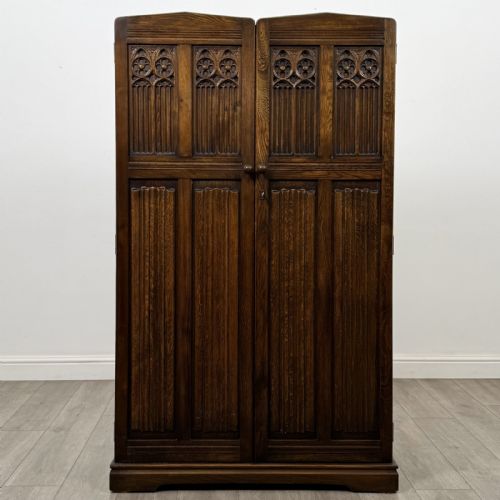
Surface decoration involved hand-carving, dentil cornices, and applied brass hardware, alongside specialised finishes like scumble faux paintwork or polished French polish. Carved detailing appears frequently on French and Arts and Crafts examples, while simpler pieces rely on the natural grain of the timber.
Listings feature woods including mahogany, oak, pine, walnut, burr walnut, ash, and cherry across multiple centuries.
What varies in quality
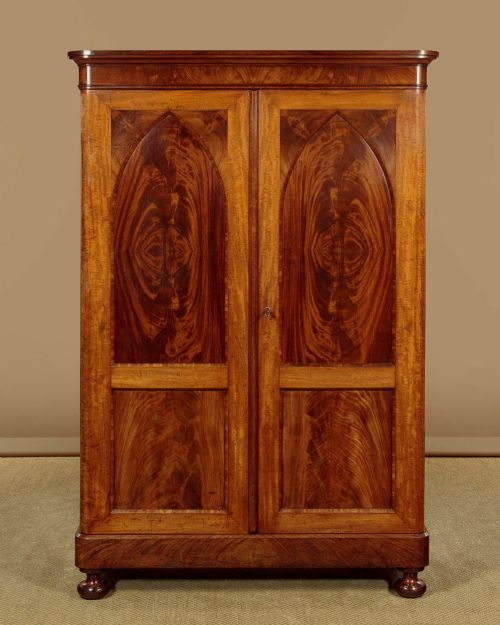
The refinement of timber selection and joinery separates standard utility cupboards from finer salon pieces. Figured mahogany or matched burr walnut veneers demonstrate superior cabinet-making compared to plain stained pine.
Depth of hand-carving and the integrity of original cornices, bracket feet, and brass fittings determine the overall character. Pieces retaining original internal configurations, such as linen slides and untouched panel work, hold greater structural authenticity.
Edwards and Roberts·Crown Furniture
The Wooden Armoire Glossary
- Armoire
- A large tall cupboard or wardrobe, traditionally used for storing clothes and originating in continental Europe.
- Linen Press
- A tall piece of furniture featuring upper doors enclosing shelves or sliding trays for cloth, with lower drawers.
- Compactum
- A fitted multi-section wardrobe combining hanging space, drawers, and sometimes shelves within a single unit.
- Dentil Cornice
- An architectural moulding featuring a series of small square blocks projecting like teeth along the top edge.
- Scumble
- A decorative paint technique applied to create simulated wood grain or textured surface effects on plain timber.
Wooden Armoire: Frequently Asked Questions
What is a wooden armoire?
A wooden armoire is a large freestanding cabinet designed for storing garments and household textiles. These pieces utilise solid woods like oak, mahogany, and pine.
Interior configurations commonly include hanging rails, fixed shelving, and sliding trays. Many feature lower drawer units for additional organisation.
How do I date a wooden armoire?
Dating relies on identifying timber choices, construction techniques, and stylistic periods such as Georgian, Victorian, or Edwardian. Heavy mouldings and bracket feet often suggest eighteenth or nineteenth-century origin.
Later pieces from the early twentieth century frequently incorporate mirrored doors and compactum layouts. Hardware and joint styles provide further clues to the manufacturing decade.
Where should I place an armoire?
These large cabinets require adequate wall space and sufficient ceiling height to accommodate their substantial proportions. Bedrooms and dressing rooms provide natural settings for daily clothing storage.
Ensure the room has stable humidity levels to protect solid wood panels and antique veneers. Leave enough clearance for doors to swing open fully.
Can an armoire be disassembled?
Many larger wardrobes and armoires were constructed to dismantle into sections for transport and installation. This modular design helps maneuver heavy timber frames up staircases and through doorways.
Check the internal corners and cornice fixings to determine if the carcase breaks down. Professional assembly ensures proper alignment of doors and drawers.