
Traditional Desk
A traditional antique desk provides a solid foundation for daily work, bringing warmth and historical character to a room through time-tested timber and craftsmanship.
Traditional Desk
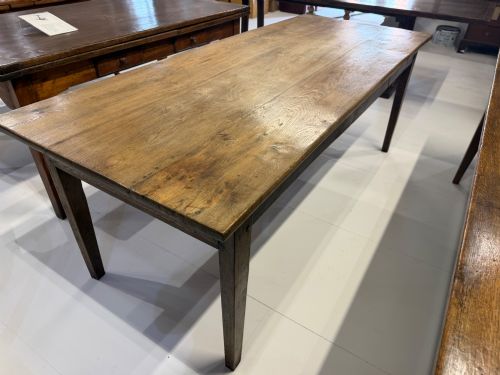
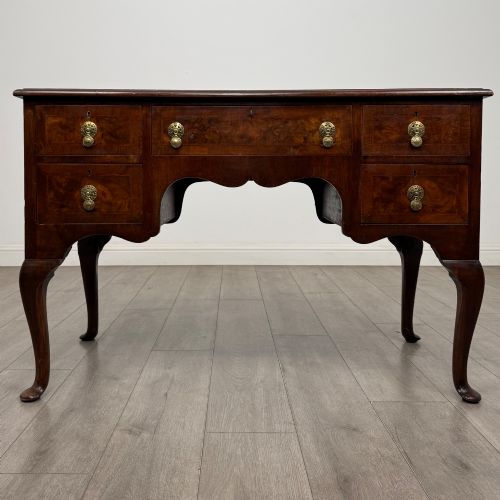
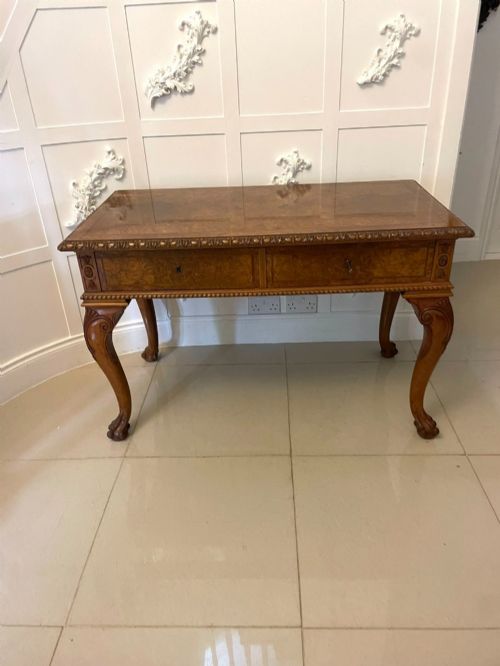
A traditional antique desk encompasses sturdy writing tables, pedestal desks, and bureau bookcases originating from periods like the Georgian, Victorian, and Edwardian eras. These pieces serve as functional workstations and stately architectural elements within a study or library, often incorporating drawers and compartments for storage.
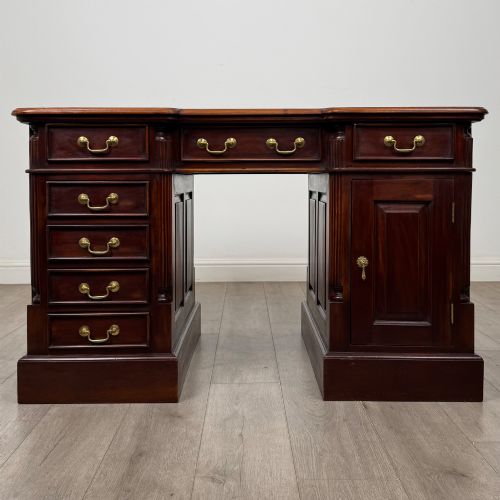
The options most commonly encountered here are mahogany and oak pedestal desks alongside writing tables dating from the nineteenth and early twentieth centuries. Such pieces display the enduring forms developed to meet the clerical and literary demands of past centuries.
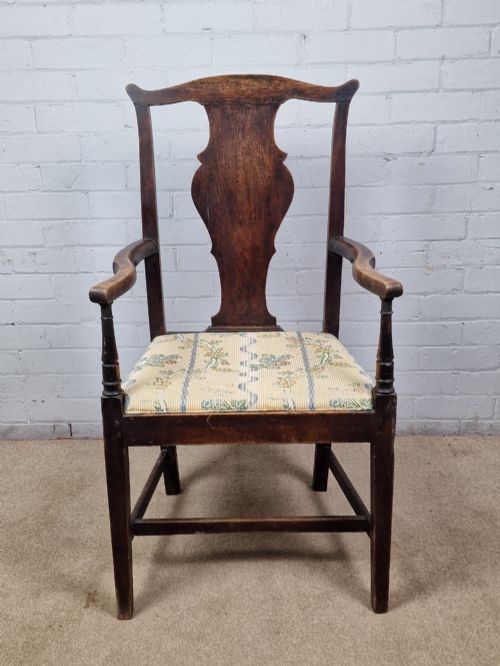
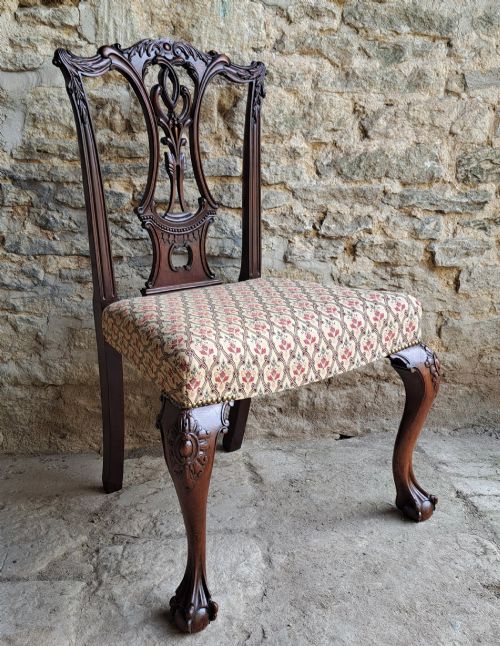
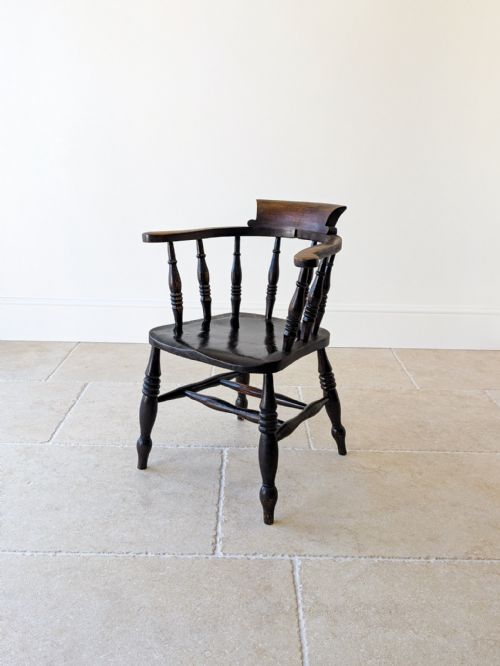
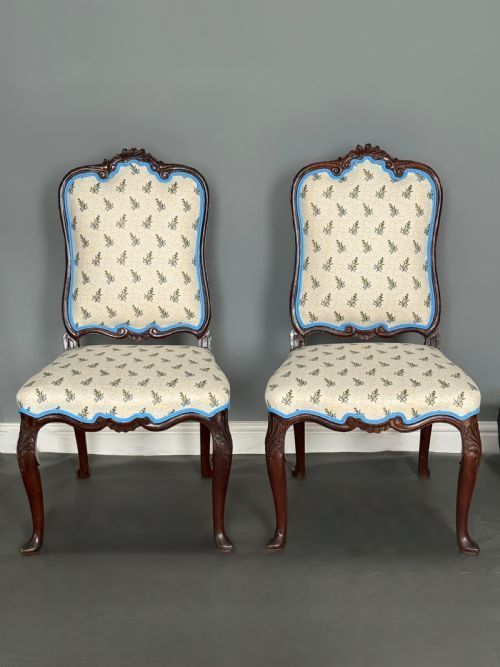
Beyond standard writing surfaces, the selection includes related seating and accessories such as captain chairs, desk chairs, and bureau bookcases that complement the primary desk forms. These items reflect the domestic and professional interior styles of their respective periods.
Materials and construction
Construction relies heavily on hardwoods such as mahogany, oak, walnut, and ash, selected for structural integrity and grain pattern. Secondary timbers like elm appear in regional seating components associated with these desks.
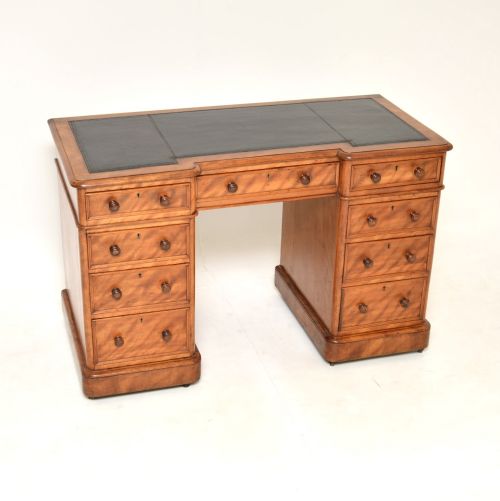
Joinery methods involve traditional dovetailing for drawers and mortise and tenon joints for frames, ensuring long-term durability. Surfaces frequently receive leather inserts for writing and polished finishes that highlight the natural figure of the wood.
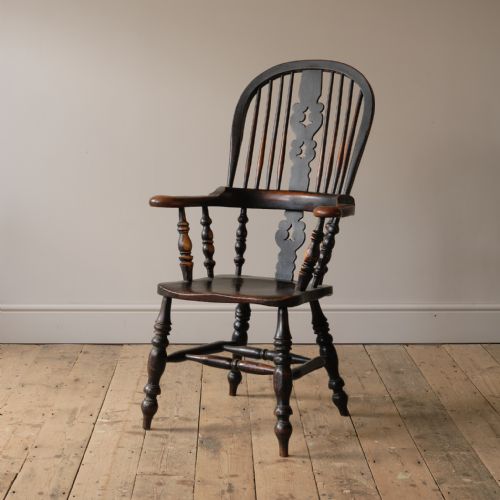
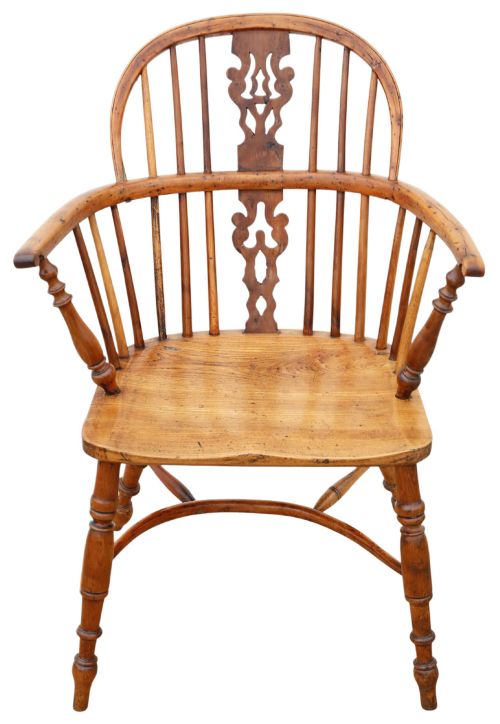
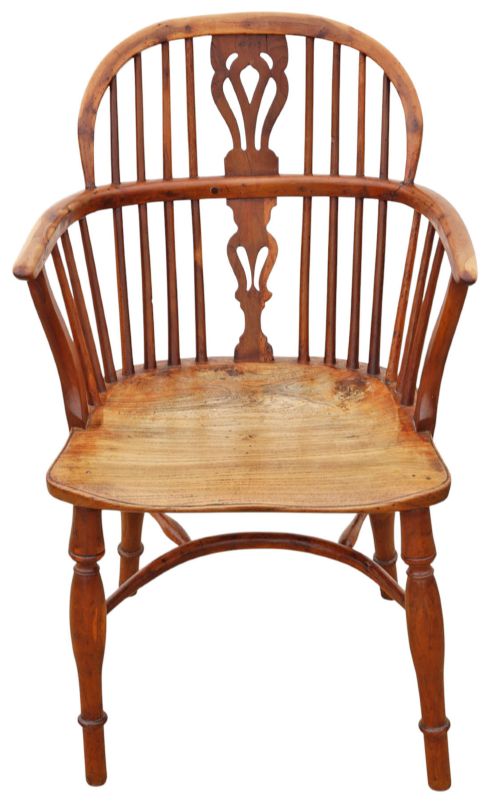
The inventory incorporates seating such as ash and elm Windsor chairs alongside mahogany desk armchairs designed for use at writing tables.
Judging quality in a traditional antique desk
Quality rests upon the selection of timber figures, such as burr walnut or figured mahogany, and the precision of the underlying joinery. Superior examples demonstrate careful matching of veneers and thoughtful integration of secondary woods.
The presence of original hardware, fitted interiors, and well-preserved leather writing surfaces distinguishes finer pieces. Structural proportion and the finesse of carved or turned details further elevate a desk above standard utility items.
Trollope & sons·Nathan & Hayes·Mappin & Webb·Charles Tozer
The Traditional Desk Glossary
- Pedestal desk
- A freestanding desk consisting of two independent pedestals of drawers supporting a single desktop. A central drawer typically sits above the kneehole space between the pedestals.
- Bureau bookcase
- A writing cabinet featuring a sloping fall-front desk combined with an upper shelving or bookcase section enclosed by doors. These pieces provide both writing space and enclosed storage.
- Partners desk
- A large pedestal desk designed to be used from both sides simultaneously, featuring banks of drawers facing opposite directions. Such desks often incorporate cupboards or panelled fronts.
- Burr walnut
- A highly figured timber veneer taken from the growth excrescences of walnut trees. It yields swirling patterns prized for decorative cabinet fronts.
- Dovetail joint
- An interlocking woodworking joint formed by interlocking wedge-shaped fingers. This method provides high tensile strength for drawer construction.
Traditional Desk: Frequently Asked Questions
How do I identify a Victorian desk?
Victorian desks frequently utilise dense timbers like mahogany and walnut, often featuring deep pedestal configurations and turned wooden pulls or brass hardware. Their construction reflects industrial-era production methods combined with hand-finished details.
Design influences range from revival styles to heavy, functional forms suited to professional offices and domestic studies of the nineteenth century.
What is a partners desk used for?
A partners desk was originally built to allow two people, such as business partners or bankers, to work opposite one another at the same piece of furniture. The dual-sided drawer configuration accommodates simultaneous use.
These large desks typically occupied the centre of grand libraries or administrative rooms rather than sitting against a wall.
Are leather top desks original?
Many traditional desks retain period leather writing surfaces, though heavily used examples often require replacement over time. Tooling and gilding around the perimeter of the leather help indicate the age and quality of the insert.
Original leathers show patination consistent with age, while replacements are chosen to match the historical character of the timber.
How do I care for antique wood?
Protect antique wood surfaces by maintaining stable room humidity and avoiding direct sunlight, which can fade polished finishes and dry out timber. Regular dusting with a soft, dry cloth prevents particulate accumulation.
Occasional application of appropriate wax feeds the wood and preserves the lustre without building up heavy residue.