



Traditional Anatolian Carpet
These traditional anatolian carpet examples bring centuries of Turkish weaving heritage into rooms through genuine wool and silk floor coverings.
Traditional Anatolian Carpet
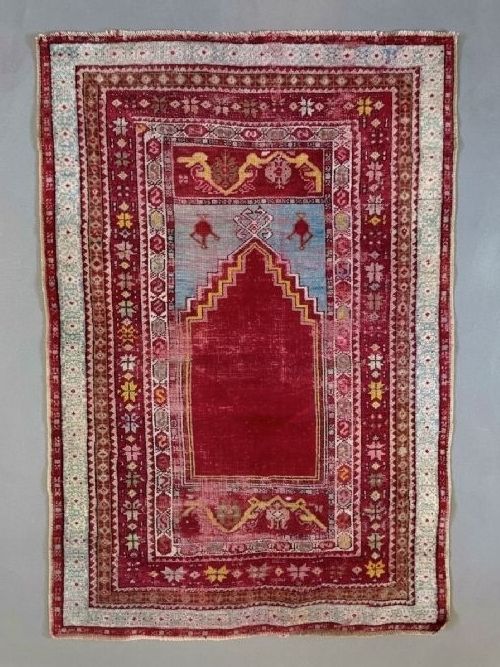
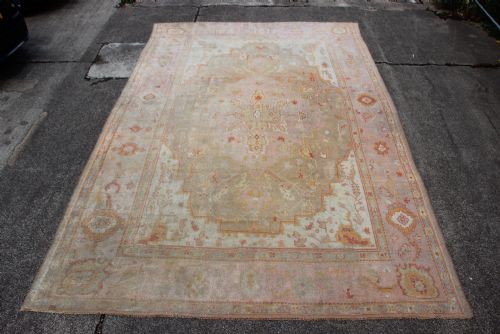
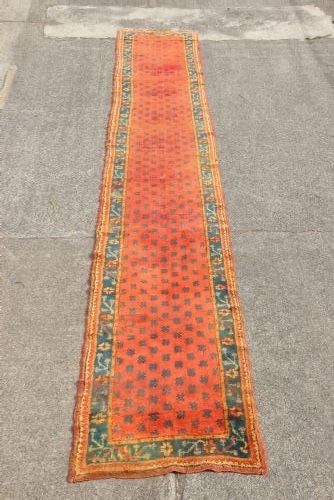
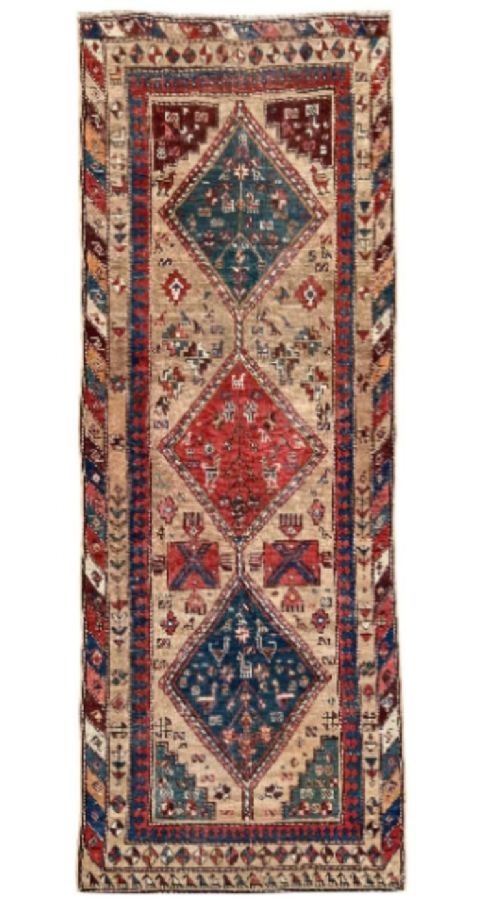
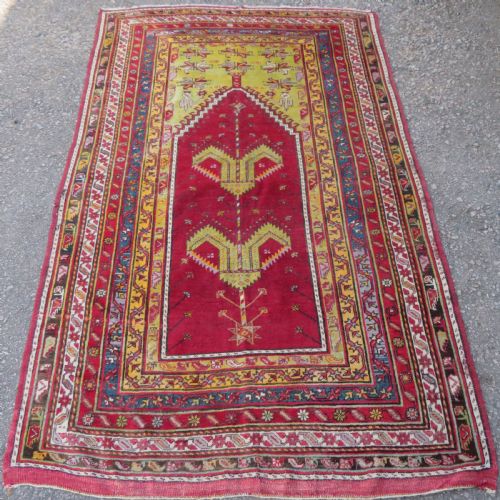
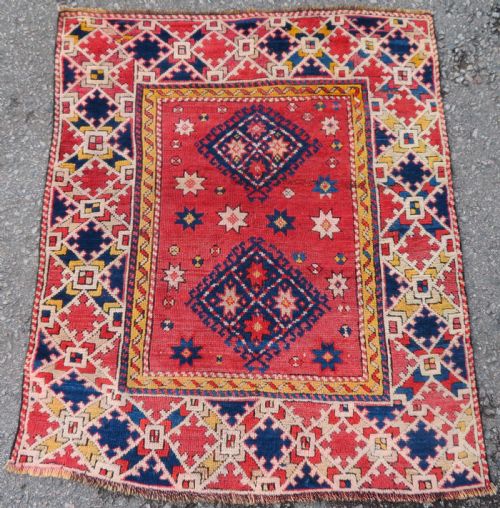
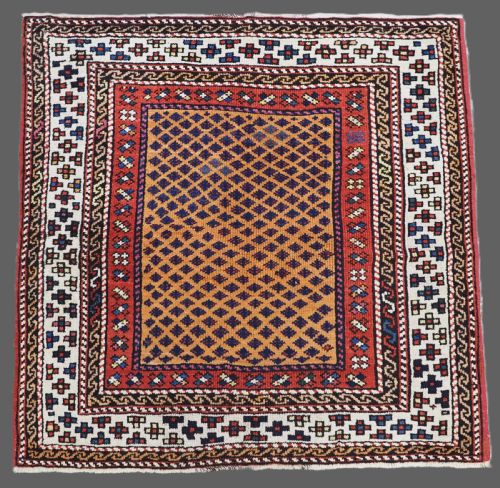
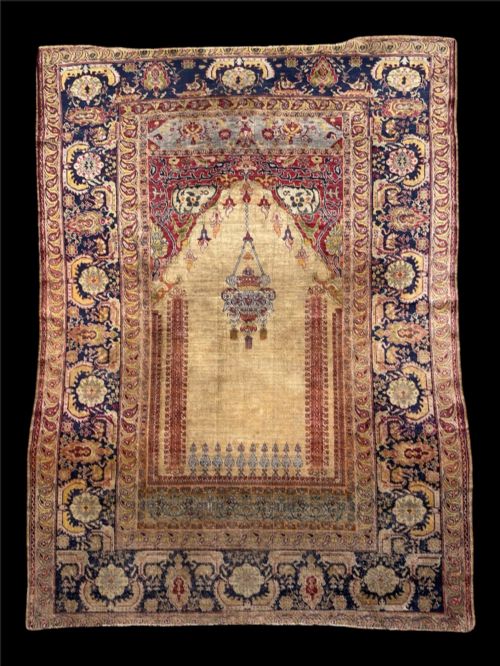
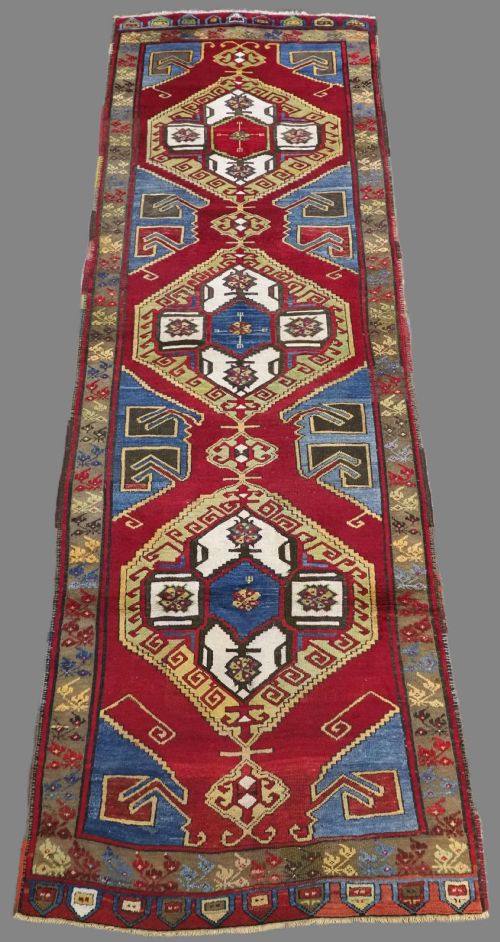
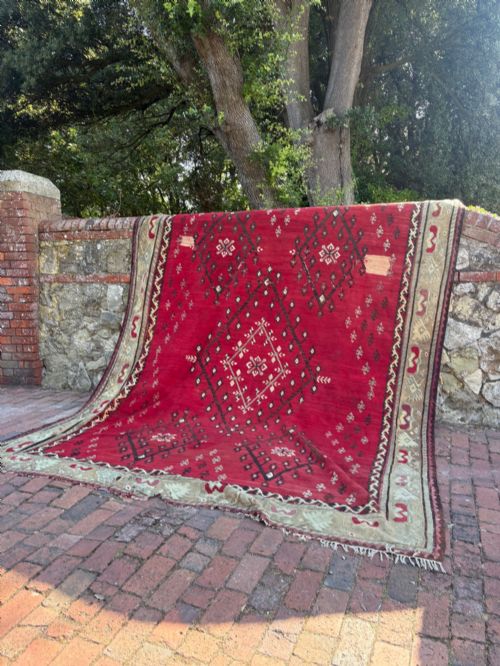
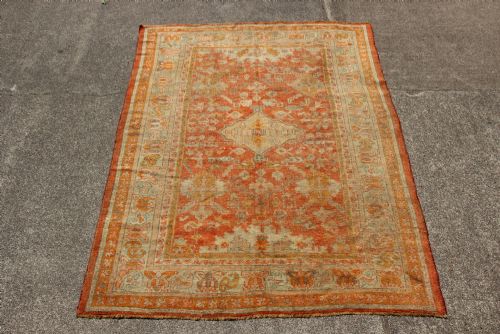
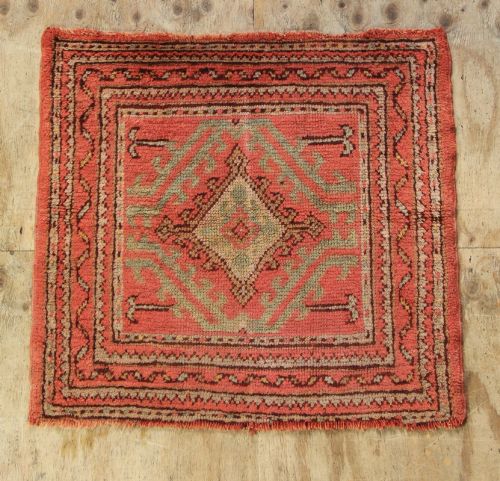
When you search for a traditional anatolian carpet, you encounter floor coverings woven across Anatolia, ranging from large carpets and wide area rugs to narrow runners and small mats. These pieces span the nineteenth and early twentieth centuries, encompassing diverse formats like village rugs, flatweave kilims and formal prayer rugs.
The selection on this page is dominated by Oushak and Ushak carpets alongside regional village pieces from centres such as Bergama, Ghiordes, Melas, Kirsehir and Konya. Buyers frequently find formats ranging from expansive palace carpets to compact square mats and long corridor runners.
Origins stretch across distinct Anatolian weaving traditions, incorporating tribal patterns, Ottoman court designs and rustic village motifs. Materials primarily consist of wool, hand-spun wool and cotton, occasionally punctuated by silk in finer prayer formats.
Materials and construction
Weavers constructed these traditional anatolian carpet textiles primarily using wool, cotton and hand-spun wool on foundational warps and wefts. Silk appears in select prayer rugs, lending a distinct sheen and finer knot density to specific pieces.
The production encompasses both pile-woven carpets and flatweave kelims, reflecting diverse regional techniques across Anatolia. Natural wool supplies durability to village runners and large carpets, while cotton often provides stability for foundation structures.
Traditional Anatolian Carpet Retail Price Guide 2026
Typical asking prices for traditional anatolian carpet among the pieces listed under this phrase on Sellingantiques today, from the lower quarter to the upper quarter. They describe what is for sale here now, not the wider market.
The inventory encompasses diverse object types including full-scale carpets, narrow runners, square mats, prayer rugs and flatweave kilims.
Quality variations in weaving and design
Quality in a traditional anatolian carpet rests upon the precision of the knotting, the handling of materials such as hand-spun wool, and the integrity of the design layout. Finer examples display balanced proportions in traditional motifs like the willow tree or lattice patterns.
The depth and nuance of colouration distinguish superior pieces, particularly where soft faded tones or uncommon ground hues like pink and green are achieved. Structural preservation also influences standing, as heavier wear or extensive repairs alter the original character of the weave.
The Traditional Anatolian Carpet Glossary
- Prayer Rug
- A textile featuring a distinct mihrab or arch design intended to indicate the direction of prayer. These pieces often serve as compact wall hangings or small floor coverings.
- Kilim
- A flatweave textile produced without a pile by tightly interweaving warp and weft strands. These versatile rugs often function as light floor coverings or wall displays.
- Oushak
- A prominent weaving centre known for producing large-scale decorative carpets with distinctive floral motifs and muted palettes. Such rugs often anchor large living spaces.
- Runner
- A long, narrow carpet format designed specifically for corridors, hallways or staircases. These pieces efficiently bridge connecting rooms while displaying linear village patterns.
- Warp
- The vertical threads stretched tightly on the loom that form the foundational skeleton of the rug. The exposed ends of these threads frequently terminate in decorative fringes.
Traditional Anatolian Carpet: Frequently Asked Questions
How do I care for my rug?
Vacuum gently without using a rotating brush roll to protect the wool or silk fibres. Rotate the piece periodically to ensure even wear across high-traffic areas.
Consult a specialist experienced in antique textiles for professional cleaning rather than attempting wet washing at home. Keep the rug away from prolonged direct sunlight to preserve the natural dyed colours.
Where were these rugs made?
These textiles originate from various towns, villages and nomadic communities throughout the Anatolian region of Turkey. Major historic centres include Oushak, Bergama, Ghiordes, Konya and Kirsehir.
Each district developed distinct colour palettes, structural techniques and geometric or floral motifs. This local specialisation allows collectors to trace pieces back to specific weaving traditions.
Are these carpets suitable for heavy traffic?
Many wool and hand-spun wool carpets possess the natural durability required for moderate hallway or living room use. Thicker pile carpets endure daily footfall better than delicate silk pieces or flatweave kilims.
Placing an appropriate rug underlay beneath the carpet prevents slipping and reduces friction against the floorboards. This extra cushioning helps protect the antique foundation fibres from excessive strain.
How can I identify the period?
Dating relies on examining the specific weave structure, material preparation, dye types and stylistic design conventions. Eighteenth and nineteenth-century pieces often display characteristic natural abrasions and softer, oxidised wool textures.
Comparing the border arrangements and field motifs with documented regional examples helps narrow down the decade of production. Stylistic shifts from tribal geometry to court-influenced floral patterns provide further chronological markers.