





Traditional African Wood Carving
Traditional african wood carving encompasses centuries of craftsmanship, bringing ritual sculptures, seating, and utilitarian objects into modern homes.
Traditional African Wood Carving
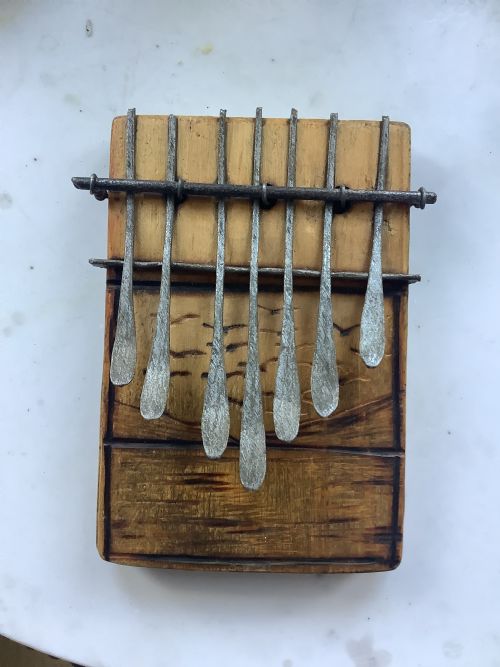
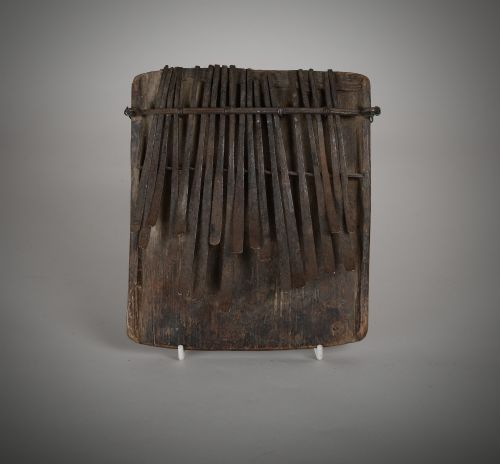
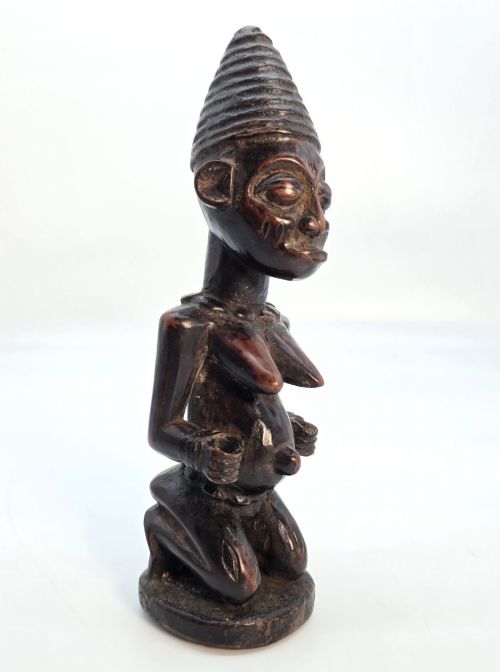
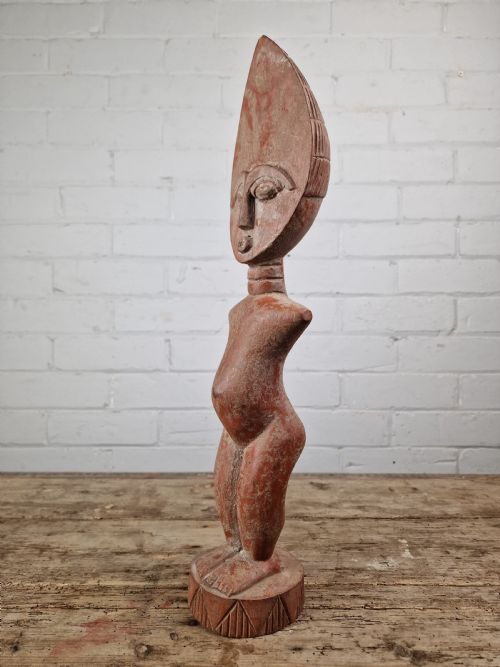
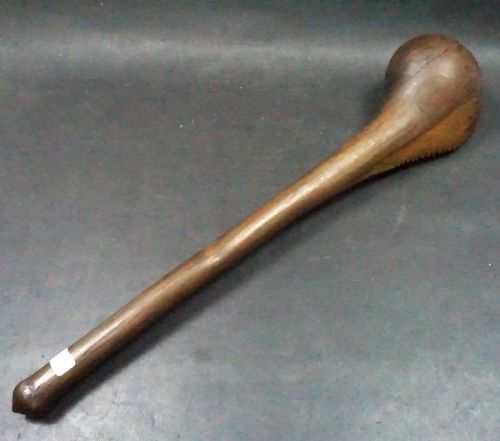
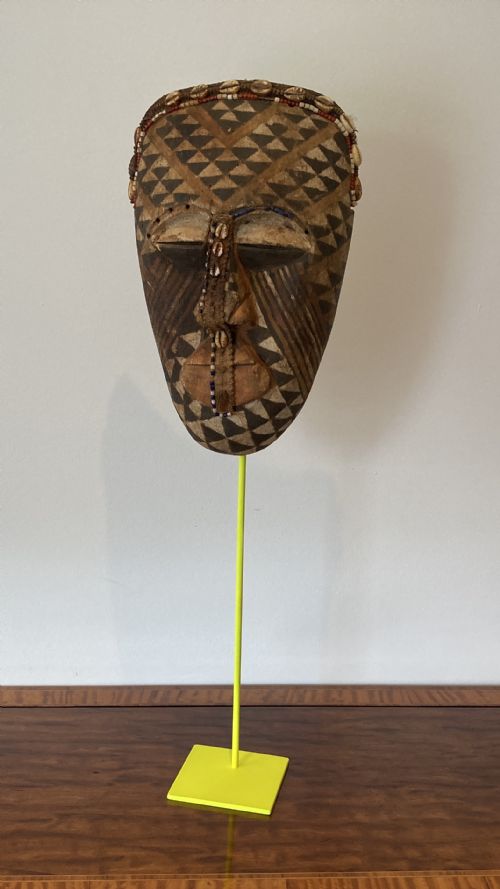
Traditional african wood carving covers a diverse array of functional and ritual objects spanning the nineteenth and early twentieth centuries. Pieces range from figural fertility sculptures and ceremonial masks to utilitarian stools, headrests, and architectural elements.
Regional styles originate from specific communities such as the Ashanti, Kuba, Baule, and Punu peoples. These objects reflect the deep cultural heritage and artistic traditions of their respective makers across different parts of the continent.
Materials and Construction
Makers utilised dense native hardwoods, shaping the material with specialised hand tools to achieve smooth surfaces or intricate detailing. Selected pieces incorporate secondary elements of metal, pigment, iron, brass, or bone to enhance the visual or structural composition.
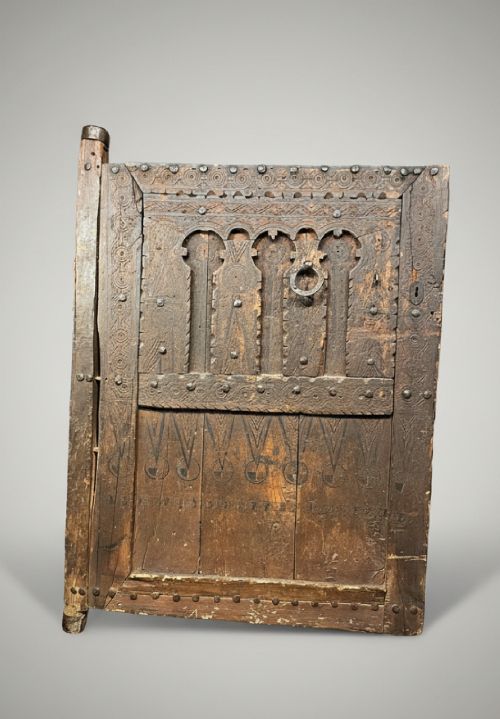
Surface treatments often display natural patinas developed through handling, exposure to tribal ceremonies, or the application of traditional pigments. Joinery and construction methods vary from single-block carvings to multi-part architectural doors and functional furniture.
A camel saddle from the nineteenth century sits comfortably alongside delicate wooden spoons and percussion instruments.
Assessing Quality and Authenticity
Quality rests in the precision of the carving, the balance of figural proportions, and the depth of the surface patina. Superior examples demonstrate confident handling of form by the artisan, reflecting authentic cultural purpose rather than mass production.
Wear patterns and age-appropriate handling marks indicate genuine historical use within a community setting. The integrity of the original wood grain and the absence of clumsy restoration preserve the historical value of each piece.
The Traditional African Wood Carving Glossary
- Patina
- The surface sheen and colour developed over decades through handling, ageing, and environmental exposure. It serves as a key indicator of age and authenticity on older wooden objects.
- Tribal Art
- Artistic production originating from indigenous societies outside of Western academic traditions. These items often carry deep spiritual, social, or utilitarian significance within their culture of origin.
- Hardwood
- Timber derived from broad-leaved angiosperm trees, valued for its density and durability. Artisans selected these robust woods to withstand the rigours of daily use or ceremonial demands.
Traditional African Wood Carving: Frequently Asked Questions
How do I care for antique wood carvings?
Keep wooden pieces away from direct sunlight and sudden temperature shifts to prevent splitting or warping. Dust gently with a dry, soft cloth and avoid applying modern polishes.
Maintaining a stable indoor humidity level preserves the natural patina and structural integrity of the timber over time.
Are these items authentic ritual pieces?
Many objects carry traditional forms and wear patterns indicating use within specific cultural or ceremonial contexts. Examining the tool marks and surface accumulation helps determine their historical background.
Provenance and stylistic consistency with known regional types provide further insight into the origin of each carving.
Can I display functional objects in a modern interior?
Stools, panels, and doors integrate naturally into contemporary spaces as striking focal points or practical furniture. Their sculptural qualities complement minimalist and eclectic design schemes alike.
Mounting brackets or bespoke stands allow masks and architectural salvage to be exhibited safely on walls or surfaces.