
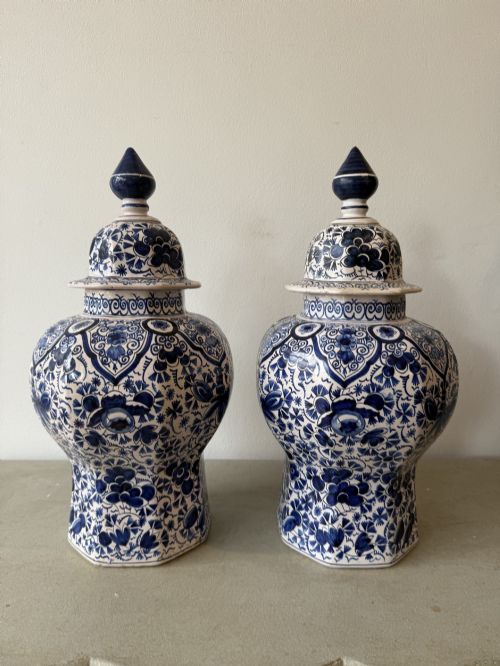


Tin Glazed Pottery Vase
A tin glazed pottery vase brings hand-painted colour and historical presence into a room through centuries of European ceramic tradition.
Tin Glazed Pottery Vase
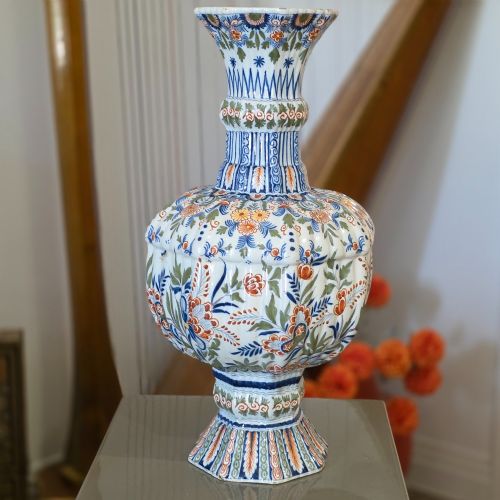
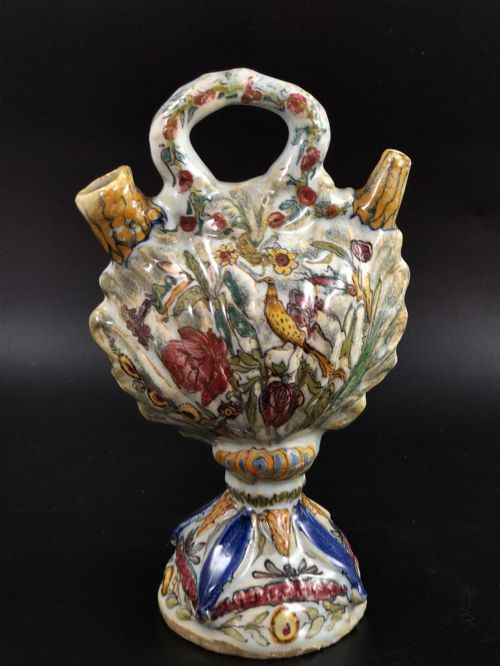
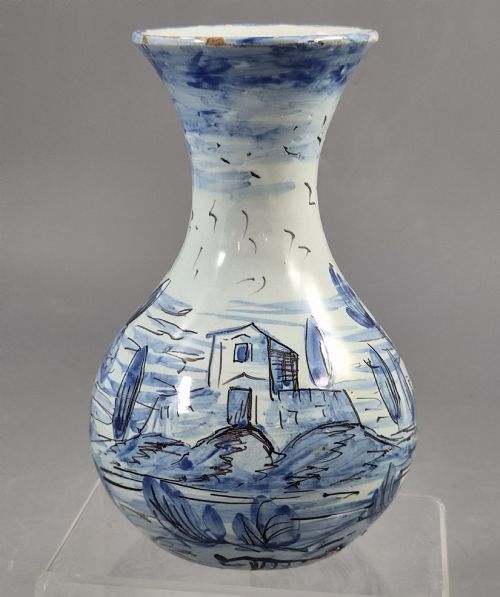
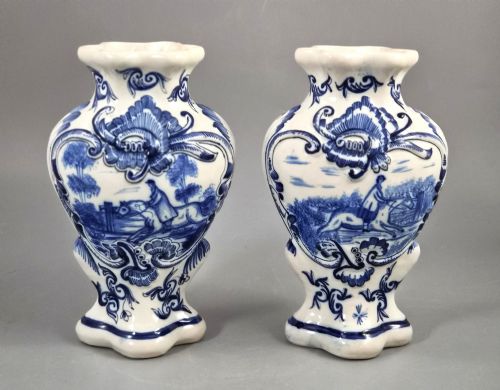
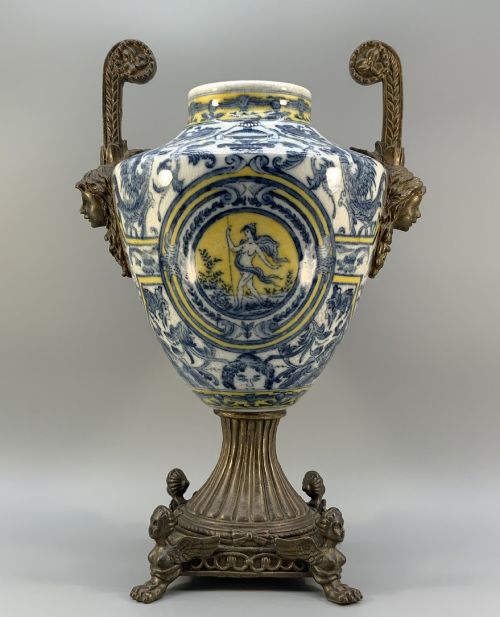
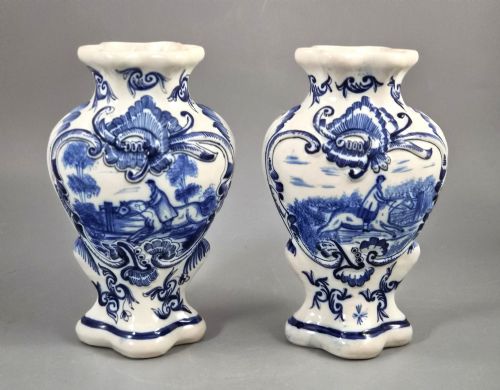
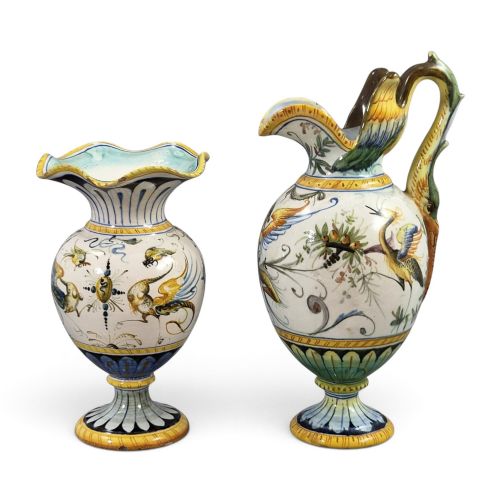
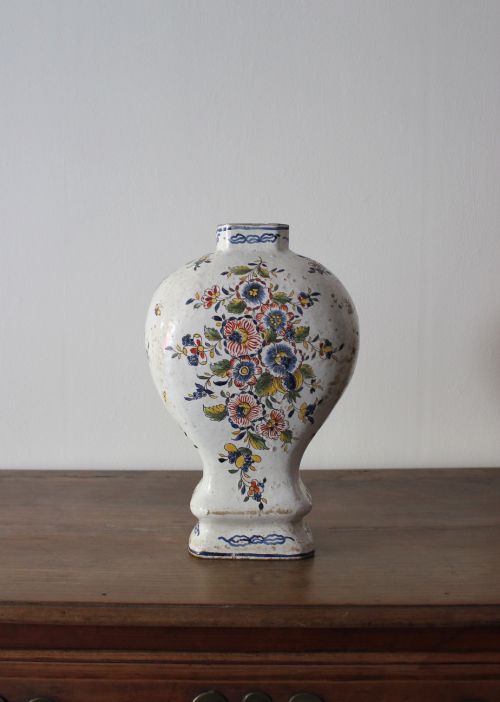
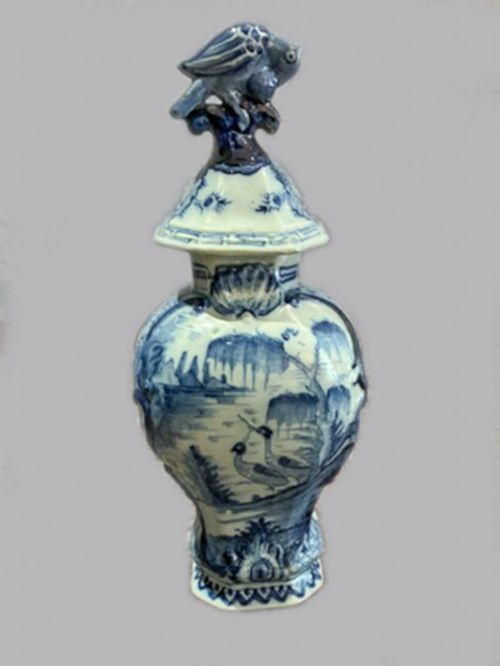
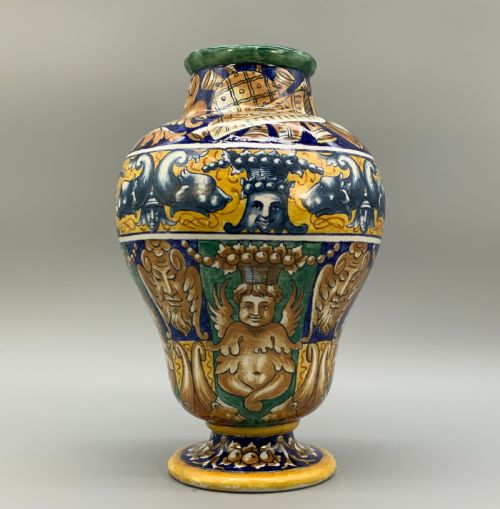
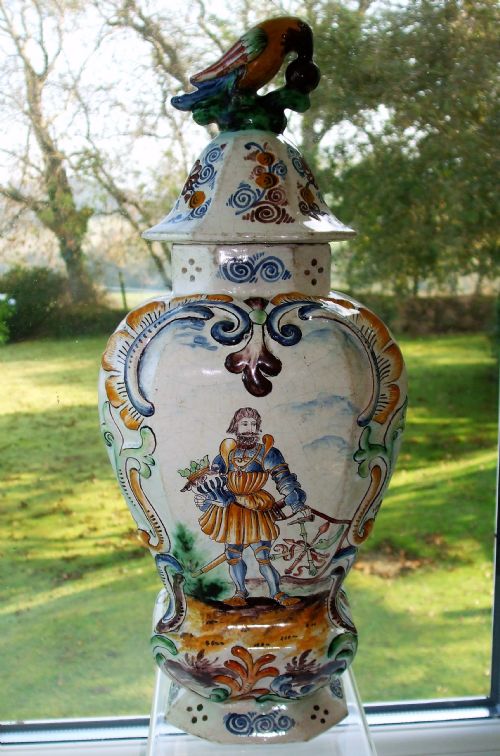
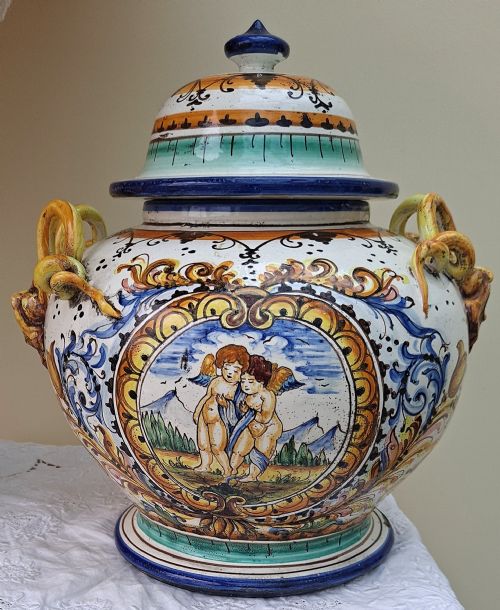
A tin glazed pottery vase encompasses tin-glazed earthenware, faience, and majolica originating across Britain, France, Italy, and the Netherlands. Buyers encounter these pieces in forms ranging from traditional baluster jars and lidded vessels to apothecary vessels, pilgrim flasks, and table lamps.
The selection on this page draws heavily from the eighteenth and nineteenth centuries, alongside revivalist pieces referencing seventeenth-century Dutch and Italian aesthetics. Blue and white colourways dominate, complemented by polychrome palettes and manganese details on earthenware bodies.
Materials and Technique
Potters shape earthenware clay into vessels and apply an opaque tin-oxide glaze that creates a smooth, white surface for subsequent hand-painting. Artisans then decorate the dried glaze with metallic oxides before a final kiln firing fuses the pigments into the surface.
Certain works incorporate supplementary elements such as brass components, bronze mounts, or integrated lids, while select examples have undergone conversion to function as wired table lamps.
Several centuries ago, pharmacists relied on painted apothecary jars to hold dried frog legs and crushed pearls.
Quality and Execution
The distinction between tiers rests upon the precision of the hand-painted brushwork, the depth and clarity of the cobalt or polychrome pigments, and the stability of the tin glaze over the earthenware body. Superior examples display confident, fluent pictorial detail rather than mechanical repetition.
Form and proportion dictate desirability, where well-balanced baluster shapes, intact matching covers, and crisp architectural ribbing elevate a vessel above standard production pieces.
Cantagalli·Fourmaintraux Courquin·Drie klokken Factory
The Tin Glazed Pottery Vase Glossary
- Maiolica
- Tin-glazed earthenware produced in Italy, typically featuring vibrant polychrome or blue and white pigments over an opaque white glaze. This tradition heavily influenced later European revival ceramics.
- Delftware
- Tin-glazed earthenware originating in the Netherlands and Britain, known particularly for blue and white maritime and Chinoiserie motifs. Production spans multiple centuries with strong ties to Dutch and English potting centres.
- Faience
- The French and general European term for tin-glazed earthenware, often encompassing decorative wares and apothecary vessels produced across various regional factories. Nineteenth-century revival pieces frequently adopt this classification.
- Albarello
- A cylindrical earthenware jar designed for apothecary and pharmacy use, frequently featuring waisted sides for grip. These vessels are characteristic of Italian and Dutch tin-glazed production.
- Baluster
- A vase form characterised by a swollen lower body that tapers toward a narrow neck and flares slightly at the rim. This silhouette appears frequently in seventeenth and eighteenth-century Dutch delftware.
Tin Glazed Pottery Vase: Frequently Asked Questions
How do I identify a tin glazed pottery vase?
Examine the base and interior surfaces for porous earthenware clay beneath an opaque white glaze containing tin oxide. Hand-painted brushwork often reveals subtle pigment pooling and individual artist variations.
Check for characteristic crazing or tiny glaze flakes along high-wear edges, which help distinguish genuine historical earthenware from modern reproductions.
What is the difference between delft and majolica?
Delft refers primarily to tin-glazed earthenware produced in the Netherlands and England, typically associated with blue and white palettes and Dutch or Chinese-inspired motifs. Majolica generally denotes the Italian tin-glazed tradition, known for rich polychrome glazes and Renaissance revival aesthetics.
Both categories share the foundational technique of applying metal oxide pigments over an opaque white tin glaze before firing.
How were apothecary jars used historically?
Apothecaries utilised albarello jars and cylindrical containers to store dry herbal remedies, ointments, and medicinal powders in pharmacies. Their distinctive waisted shape allowed pharmacists to grasp the jars securely with hands damp from compounding.
These vessels often featured painted cartouches labeling specific contents, combining practical storage with decorative studio craftsmanship.
Can antique vase lamps be used safely?
Many historical vessels converted to table lamps retain their original ceramic bodies while incorporating modern electrical wiring and fittings. Buyers should inspect the cord and internal components to confirm current safety standards.
Consulting a professional electrician ensures the lamp wiring protects the internal ceramic structure without altering the antique body.