



Timber Decoy Bird
These timber decoy bird examples bring character to a room through weathered surfaces and simple forms shaped by hands long gone.
Timber Decoy Bird
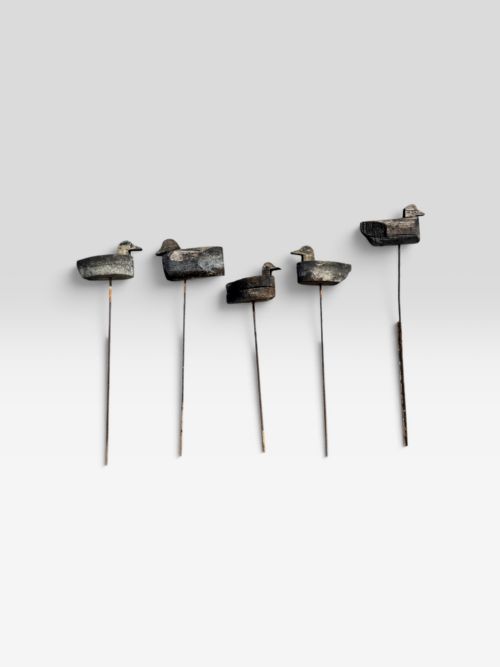
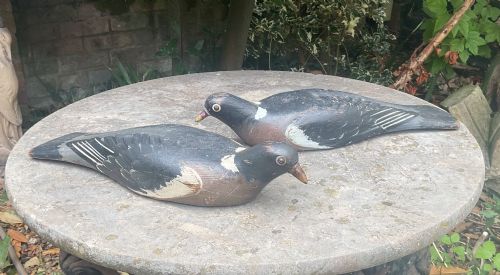
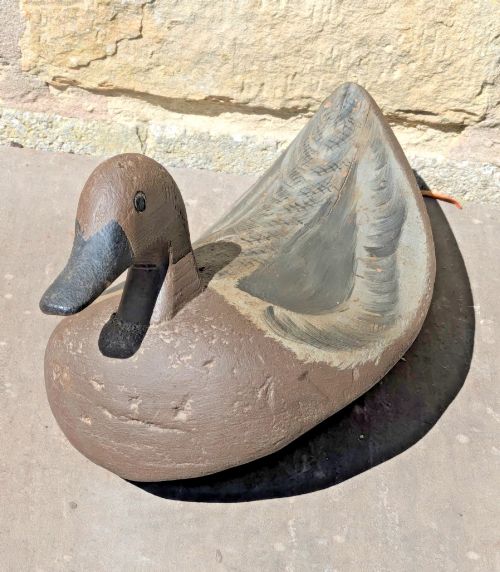
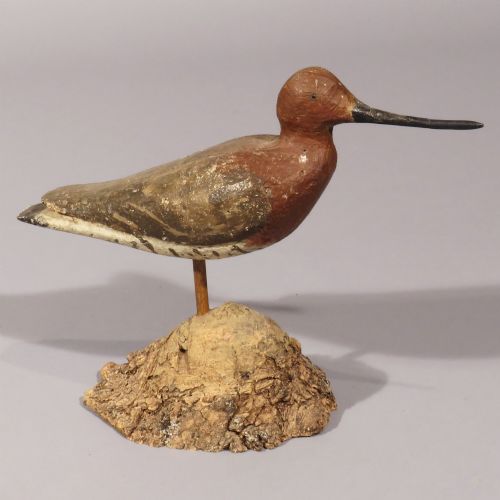
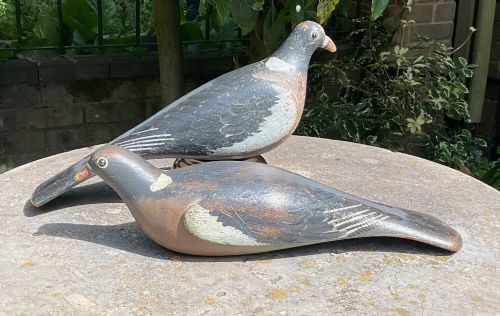
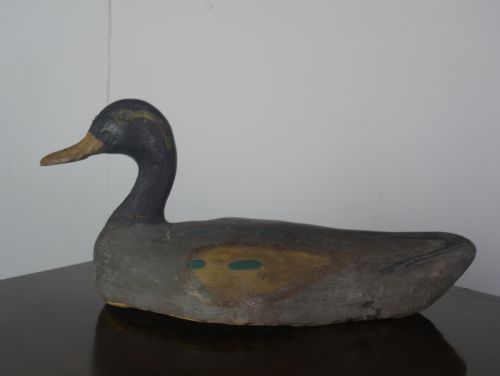
A timber decoy bird is a carved and painted wooden figure once used in shooting fields to attract wildfowl or pigeons. Buyers hunting for these pieces find works shaped from solid blocks of wood, capturing birds such as ducks, pigeons, geese, and godwits.
These objects sit comfortably within English country folk art and treen categories, often displaying the working marks of their initial trade. Their appeal lies in honest utility transformed by time into decorative sculpture.
How they were made
Makers shaped these bodies primarily from carved wood, timber, and turned wood, sometimes retaining rough bark to suggest natural texture. Simple hand tools hacked and smoothed the blocks into convincing avian silhouettes before smoothing.
Surfaces received coats of oil or lead-based paint to mimic natural plumage, which now shows crackle, flaking, and honest wear from the elements. Occasional details such as glass eyes or iron pins add focal points to the painted wooden forms.
Listings feature wooden decoys spanning from the nineteenth century through the nineteen-thirties, utilising carved timber, paint, glass, iron, and bark.
What varies in quality
Quality rests upon the strength of the carving and the personality captured in the posture of the head and body. A vigorous silhouette beats rigid symmetry every time, reflecting the maker's eye for living birds.
The survival of original surface paint dictates much of the visual weight, with untouched layered pigments holding far more presence than later overpainting. Natural patination accumulated from decades of handling and storage separates ordinary stock from stronger examples.
The Timber Decoy Bird Glossary
- Folk art
- Objects created by self-taught or traditional craftsmen outside academic artistic circles. These pieces prioritize utilitarian function and straightforward design over strict anatomical precision.
- Treen
- Small handmade wooden domestic objects and utilitarian items. The term covers everything from turned treen bowls to carved bird calls.
- Decoy
- A carved or moulded figure designed to lure wild birds or animals within range of a hunter. In timber examples, weight and ballast helped them ride steadily on water.
- Patina
- The surface sheen and colour built up on wood and paint through age, use, and exposure to light. It serves as a visual record of an object's history.
Timber Decoy Bird: Frequently Asked Questions
What birds do timber decoys represent?
Makers shaped these carvings to resemble the common quarry of their local wetlands and fields, including mallards, geese, pigeons, and wading birds like godwits. Each species demanded a slightly different posture to deceive passing flocks.
Waterfowl varieties often feature flatter bottoms for floating, while land birds like pigeons were meant to sit on posts or stubble fields.
How old are antique decoys typically?
The majority of pieces encountered date from the nineteenth century through the Edwardian era and into the nineteen-thirties. Working items saw hard use outdoors, meaning very few survived from earlier periods.
Makers utilised whatever local timber came to hand, shaping bodies with simple hatchets and drawknives before applying thick layers of protective paint.
Where should I display wooden decoys?
These carved birds suit rustic interiors, studies, and kitchens, placed singly on bookshelves or gathered in small flocks on sideboards. Their neutral wood tones and muted paints complement stone fireplaces and exposed beams.
Keep them away from direct heat sources and strong sunlight to protect the fragile original paint surfaces from drying and flaking further.
How do I spot original paint?
Original working paint exhibits natural craquelure, subtle fading, and worn edges where hands gripped the wood during use. Close inspection often reveals multiple thin layers applied over decades of maintenance.
Fresh or uniform coats lacking surface grime suggest modern restoration rather than genuine field wear.