

Tilt Top Side Table
The tilt top side table combines clever engineering with compact elegance, making it a practical surface that folds away when not in use.

Tilt Top Side Table
A tilt top side table is a versatile occasional piece designed to save space against a wall until needed for tea, wine or reading.
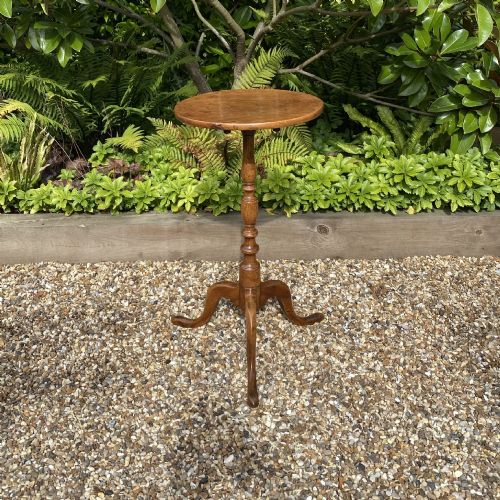
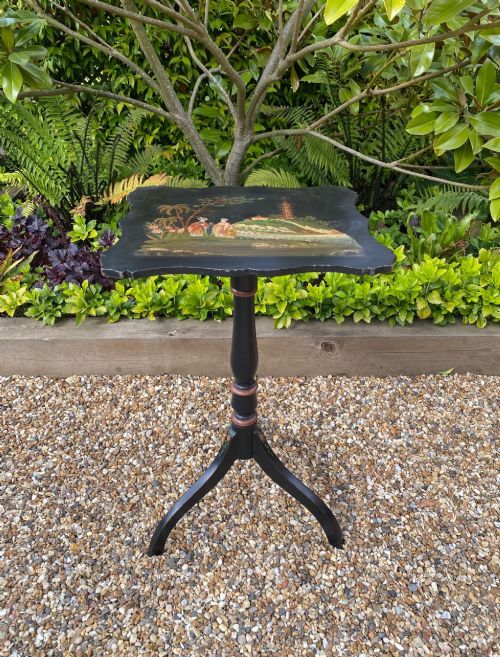
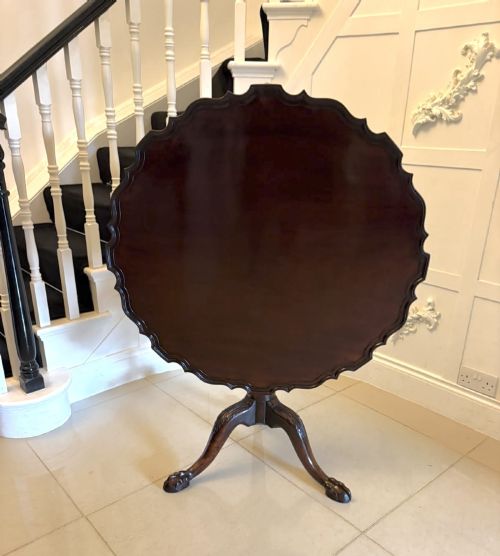
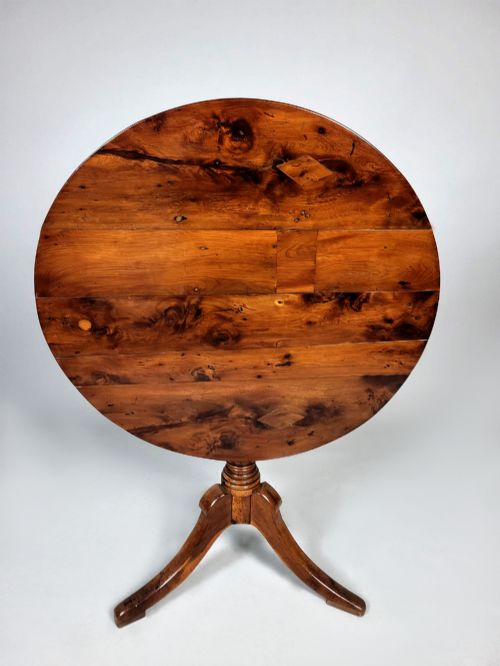
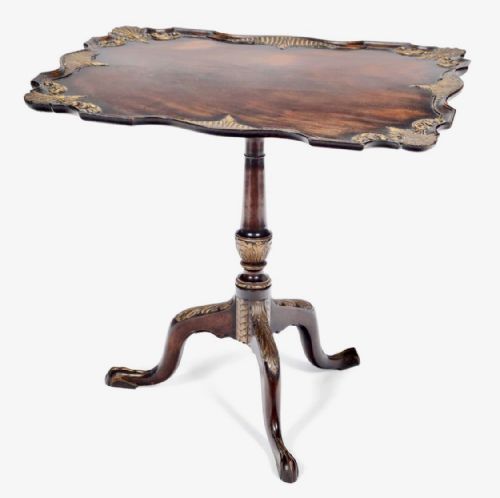
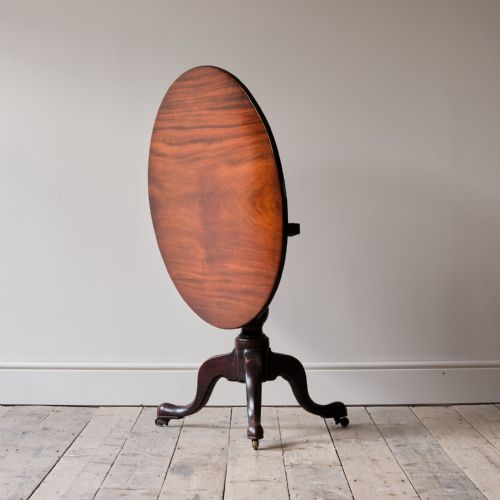
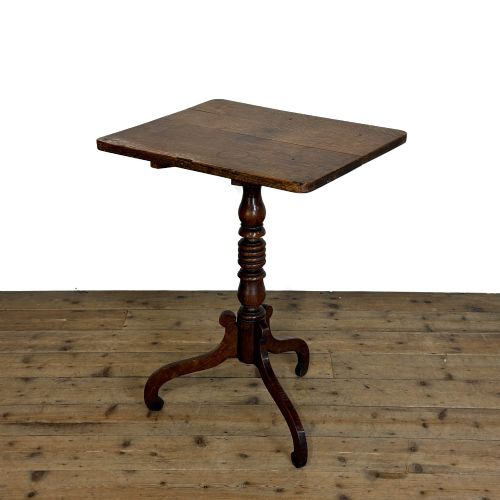
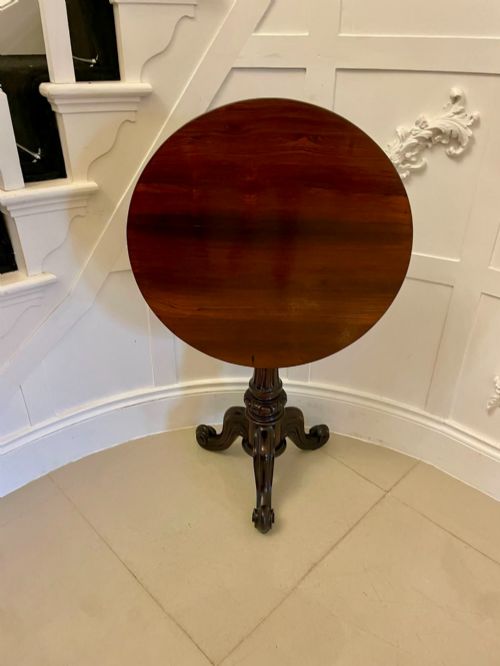
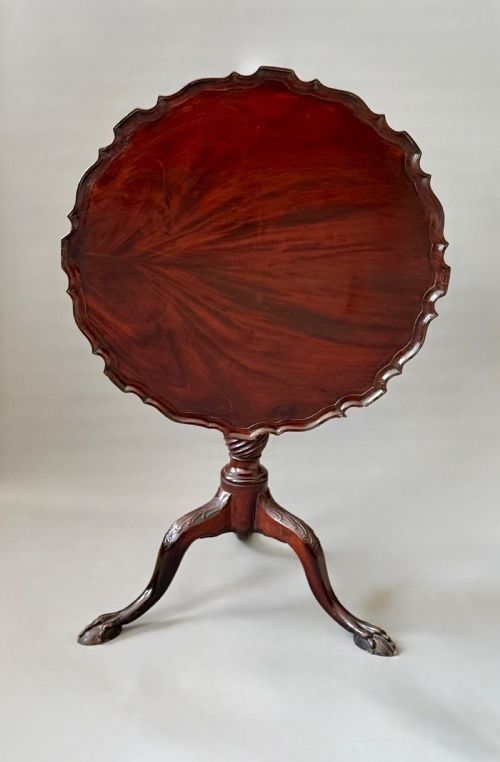
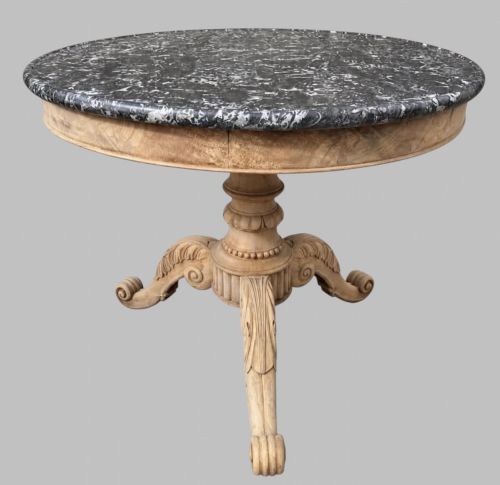
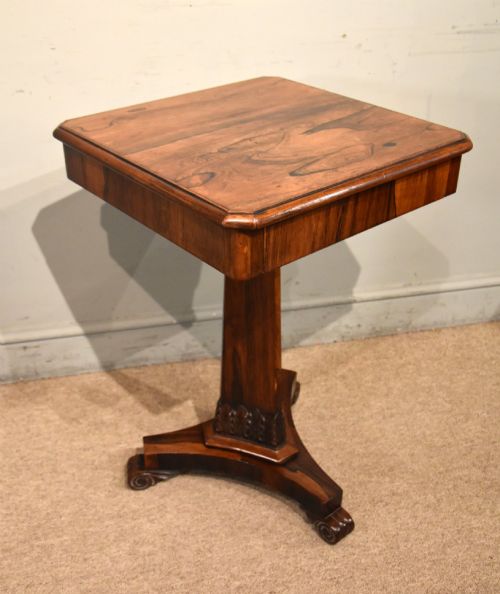
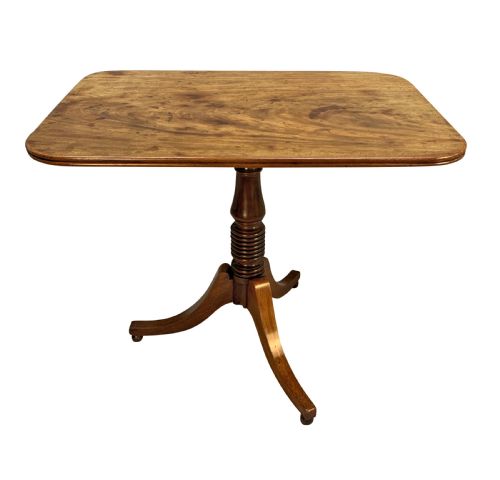
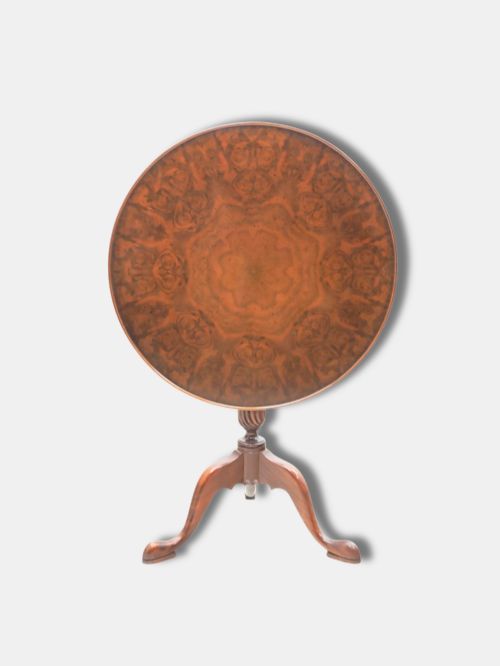
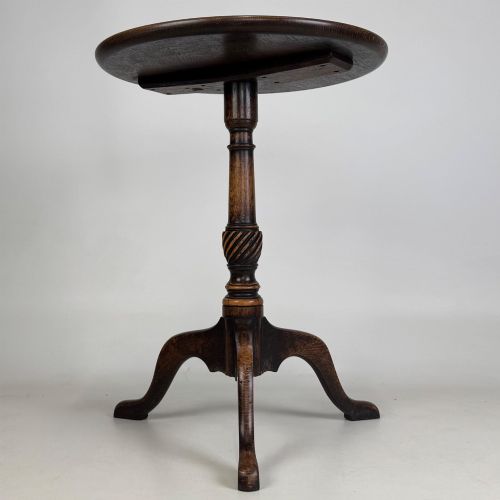
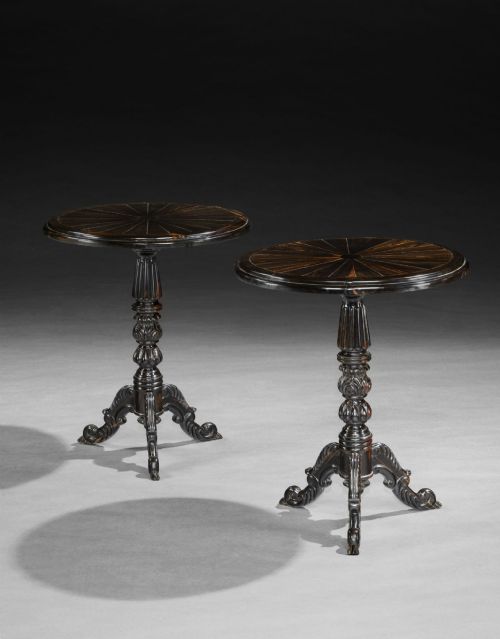
The pieces seen here range from simple country oak tripod tables dating to the eighteenth century to more formal mahogany and rosewood examples from the Regency and Victorian periods.
Circular and oval tops predominate, supported by slender pedestals and three-legged tripod bases, though occasional rectangular and octagonal formats appear.
Materials and Construction
Timber selection defined these tables, with dense mahogany, figured walnut and sturdy oak forming the primary structural woods alongside decorative veneers like burr birch and rosewood.
The defining mechanism relies on a clever catch or birdcage pivot block that allows the horizontal surface to rotate vertically on its central column.
Tilt Top Side Table Retail Price Guide 2026
Typical asking prices for tilt top side table among the pieces listed under this phrase on Sellingantiques today, from the lower quarter to the upper quarter. They describe what is for sale here now, not the wider market.
Mahogany and oak dominate the timber selection, spanning formal Georgian tripod designs to rustic country pieces.
Assessing Quality
Quality rests in the crispness of the carving on the tripod legs and the integrity of the tilting mechanism beneath the surface.
Fine examples display well-figured timber matched symmetrically across the top and secure joints that allow the table to lock flat without wobble.
Gillow
The Tilt Top Side Table Glossary
- Tilt-top
- A hinged tabletop mechanism that pivots ninety degrees to store flat against the pedestal base. This allowed eighteenth-century households to clear floor space easily.
- Tripod base
- A three-legged support structure commonly utilised on small occasional tables. It ensured stability on uneven floors.
- Birdcage
- A rotating wooden frame beneath the tabletop that enables both pivoting and turning movements. It represents a more complex mechanism found on higher-grade examples.
- Piecrust edge
- A raised, carved moulding along the perimeter of the tabletop resembling pastry work. This decorative flourish is typical of mid-Georgian craftsmanship.
- Snap catch
- A spring-loaded brass or wooden pin that locks the table securely in the horizontal position. It prevents the top from tipping accidentally during use.
Tilt Top Side Table: Frequently Asked Questions
What is a tilt top side table used for?
These tables served as portable surfaces for serving wine, holding candles or supporting books in drawing rooms and parlours.
When not in use, the top tilted vertically so the furniture could slide away against the wall to maximise floor space.
How do I operate the tilt mechanism?
Most tables use a simple brass catch or wooden wedge beneath the top that releases the locking pivot.
Lifting this catch allows the surface to rotate upright, resting flush against the central pedestal.
Are these tables stable?
Tripod bases rely on three floor contact points, which remain stable even on older uneven floorboards without rocking.
The central weight distribution keeps the table balanced during normal everyday use.
How can I tell a Georgian table from a Victorian one?
Georgian examples generally favour understated mahogany with slender, graceful cabriole or straight legs terminating in pad or spade feet.
Victorian pieces often introduce heavier proportions, darker rosewood or walnut veneers, and more elaborate carving or inlay work.