


Tibetan Buddhist Bronze
Tibetan buddhist bronze objects are sacred ritual figures and ceremonial vessels that bring meditative presence and profound historical weight into a room.
Tibetan Buddhist Bronze
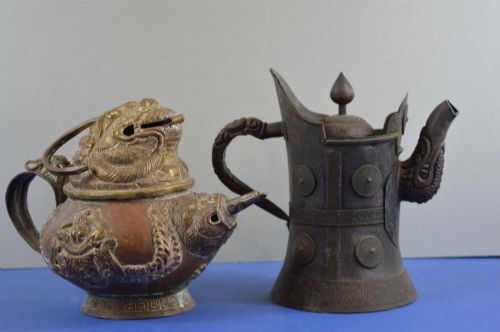
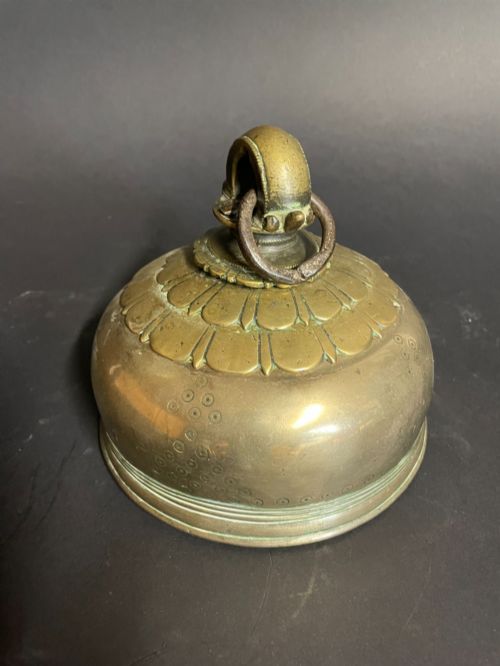
When you search for tibetan buddhist bronze, you enter a world of sacred sculptures, temple lions, bells, and ritual implements spanning from the seventeenth century through the early twentieth century. The selection ranges from small personal shrine figures to large temple statues, incense burners, and ceremonial ewers.
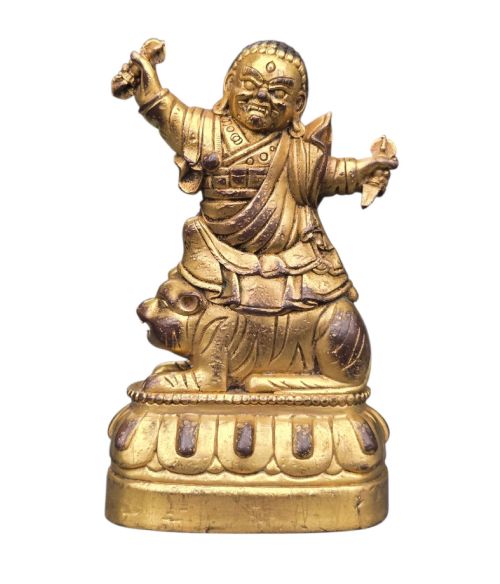
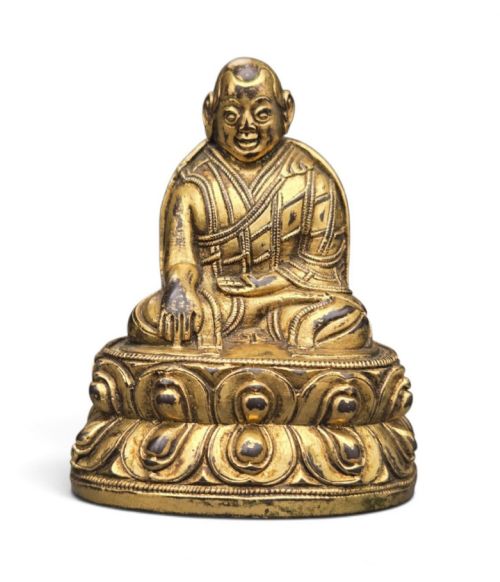
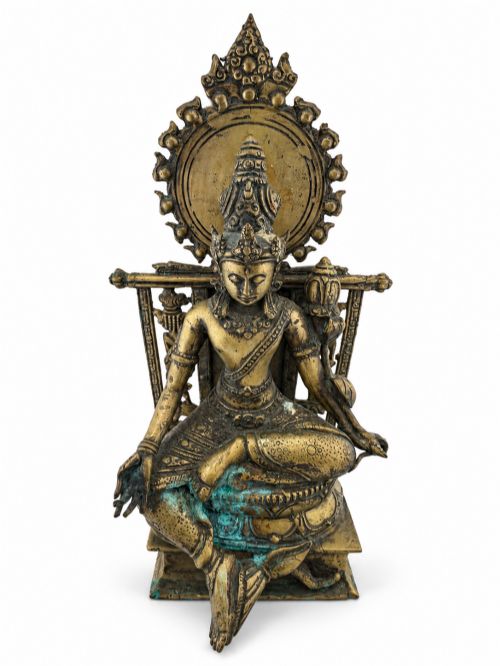
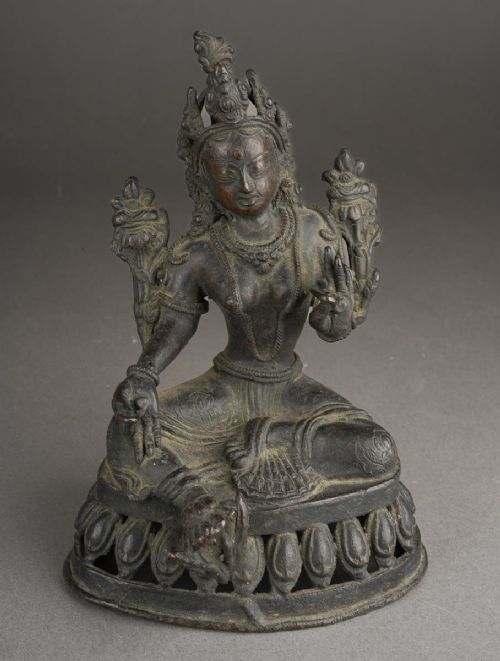
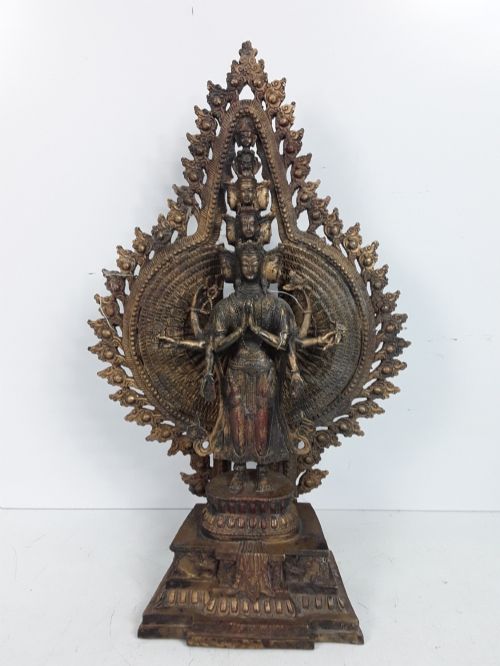
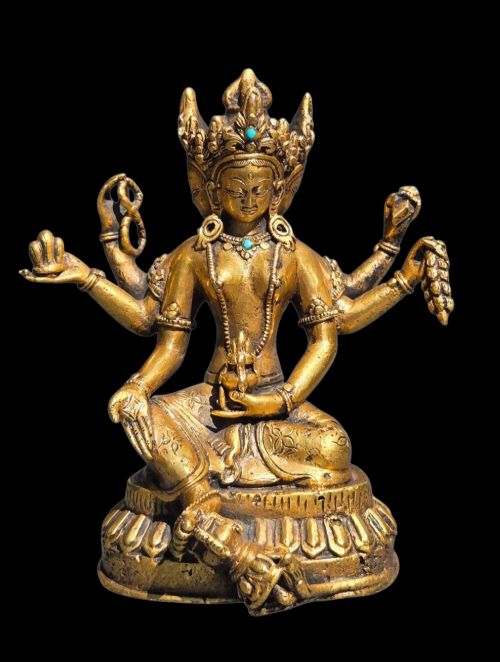
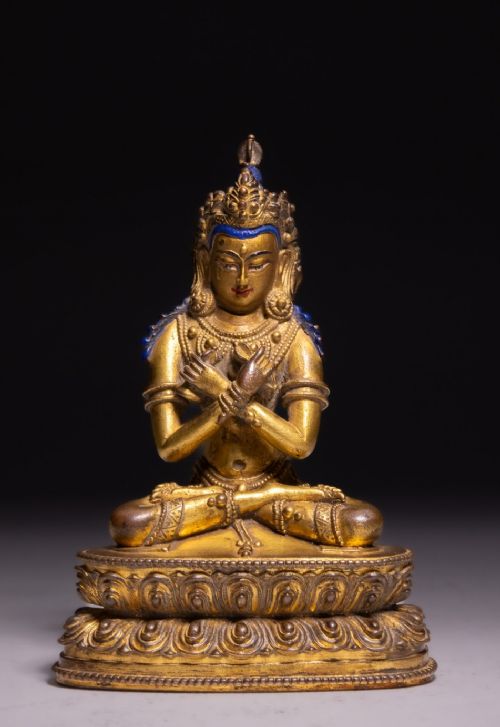
You are most likely to meet nineteenth-century figures of deities such as Tara, Avalokiteshvara, and various manifestations of Buddha, often created within Tibetan or Sino-Tibetan traditions. These pieces reflect centuries of devotional art, combining intricate iconography with enduring metallic form.
Materials and technique
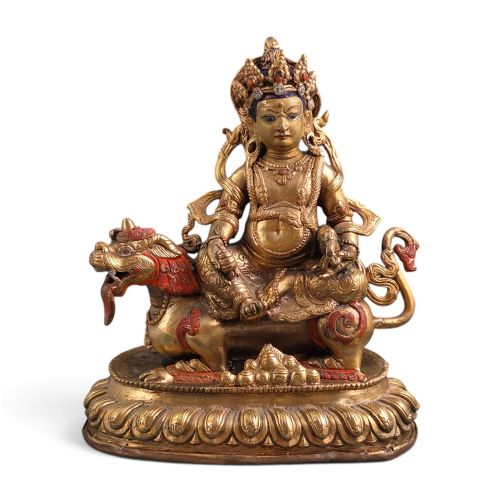
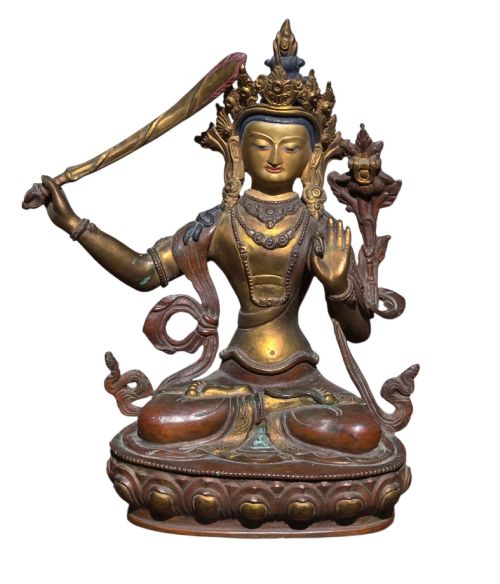
The objects are cast primarily in bronze, copper alloy, and brass, utilising traditional metalworking techniques that often incorporate surface gilding. Gilt bronze surfaces catch the light to highlight the elaborate garments and serene facial expressions of the deities.
Many pieces integrate applied pigment and turquoise inlays to emphasise ritual details, ceremonial crowns, and jewellery. This combination of cast metal, colour, and stone defines the distinct visual language of Himalayan and Sino-Tibetan artistry.
Several temple lions tip the scales at an impressive thirty-five kilograms, proving that ancient guardians take their duties very seriously.
Craftsmanship and presence
The presence of original gilding, applied pigments, and turquoise inlays elevates a piece significantly. The visual weight and proportion of temple lions or large multi-armed deities also separate standard devotional items from masterworks of the foundry.
The Tibetan Buddhist Bronze Glossary
- Tara
- A female bodhisattva and meditation deity in Tibetan Buddhism representing compassion and liberation. Statues often depict her seated in a relaxed posture with one foot extended.
- Gilt bronze
- Metal coated with a thin layer of gold or gold amalgam to give a lustrous surface. This finish was favoured for important temple figures and deities.
- Phurba
- A three-sided ritual dagger or stake used in tantric ceremonies to dispel obstacles and negative energies. These implements often feature elaborate pommels with fierce deity heads.
- Sino-Tibetan
- A stylistic classification describing art produced under Chinese imperial patronage that incorporates Tibetan Buddhist iconography. These pieces frequently display refined casting techniques and elaborate lotus bases.
- Mahakala
- A fierce protector deity in Tibetan Buddhism typically depicted with multiple arms and a wrathful expression. Incense burners and sculptures take this form to guard sacred spaces.
Tibetan Buddhist Bronze: Frequently Asked Questions
How do I date a tibetan buddhist bronze?
Dating relies on stylistic clues, casting methods, and the wear of the metal surfaces over time. Earlier pieces often display distinct patination and specific drapery styles associated with seventeenth and eighteenth-century workshops.
Comparison with documented examples helps narrow down the period, though many traditional forms continued unchanged into the twentieth century.
What is a Sino-Tibetan piece?
Sino-Tibetan describes objects created where Chinese imperial workshops engaged with Tibetan Buddhist traditions. These works often combine Tibetan iconography with refined Chinese casting styles.
Such pieces frequently feature rich gilt surfaces and elaborate textual or floral detailing on the bases.
How were temple lions used?
Temple lions, also known as foo dogs, stood as mythical guardians flanking sacred spaces and altars. Pairs were placed to protect sanctuaries and direct the flow of spiritual energy.
In domestic settings, they serve as substantial decorative anchors reflecting traditional architectural sculpture.
What are ritual daggers used for?
Ritual daggers, or phurbas, function as ceremonial implements in tantric rites rather than physical weapons. They are held or placed upright during rituals to transmute negative forces.
The three-sided blade represents the subjugation of desire, anger, and ignorance.